A grocery store aisle can feel like culture shock when you did not grow up with the same comfort foods everyone else treats as normal. One cart has marshmallows for a vegetable dish. Another has bright orange cheese in a can. A family near the frozen section is grabbing pizza rolls, toaster pastries, ranch dressing, and a tub of whipped topping as if that combination needs no explanation.
That is the funny tension behind American foods that make no sense to someone raised outside the U.S. The confusion is not always about taste. Sometimes it is about the size, sweetness, packaging, timing, or the way Americans turn almost anything into a snack, a casserole, a fair food, or a holiday tradition. What feels nostalgic to one person can look completely bizarre to someone seeing it with fresh eyes.
For a Russian woman living in the U.S., the strangest American foods may not be rare delicacies. They are often the everyday items sitting at office parties, school events, gas stations, diners, football watch parties, church potlucks, and family holidays. The foods can be warm, funny, creative, excessive, comforting, and confusing all at once.
This is not about mocking American food as a whole. The U.S. has deep regional food traditions, immigrant influences, and dishes people love for good reason. Still, some foods reveal how differently Americans think about convenience, sweetness, portion size, and comfort. These are the foods that can make someone pause in the aisle and wonder how the whole country agreed to this.
Sweet Potato Casserole With Marshmallows
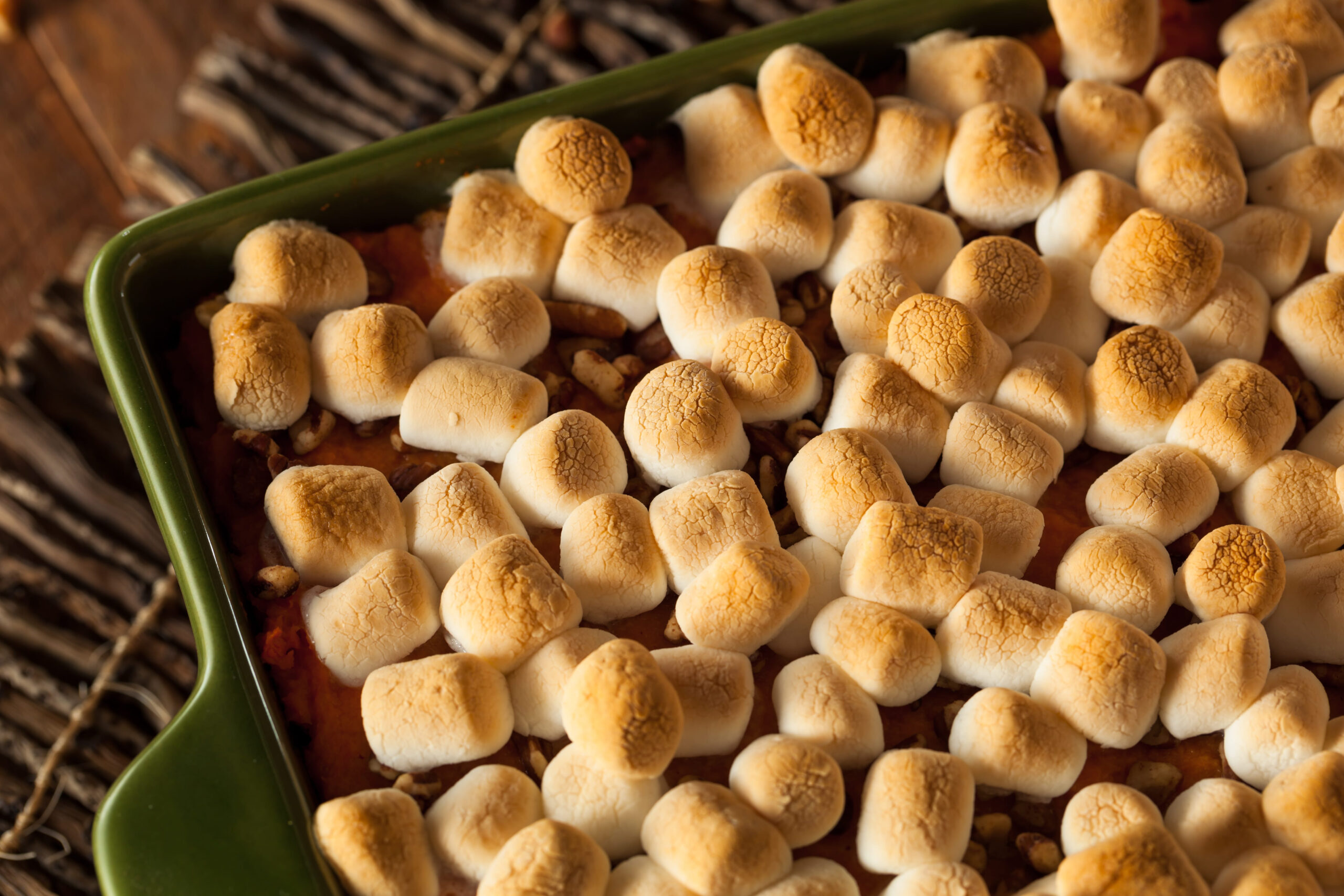
Sweet potatoes make sense on their own. They are warm, filling, and naturally sweet enough without much help. Then, American holiday tables add brown sugar, butter, pecans, and a layer of marshmallows on top, and suddenly the dish starts acting like a pie in disguise. For someone raised around more savory vegetable dishes, this can feel like a confusing trick.
The strangest part is that many families serve it beside turkey, green beans, stuffing, gravy, and rolls as if it belongs in the main meal. A Russian guest may wonder why the dessert arrived early and why nobody seems alarmed. The dish says a lot about American holiday cooking, where nostalgia often matters more than logic. It may taste comforting, but it still looks like vegetables got swallowed by a candy shop.
Peanut Butter and Jelly
Peanut butter and jelly are sacred to many Americans because they taste like school lunches, lunchboxes, field trips, and cheap comfort. To someone unfamiliar with it, the idea can sound strange. Thick salty peanut paste and sweet fruit spread pressed between soft bread may not feel like a meal at first. It can look more like something a child invented when no adult was home.
The emotional pull makes sense once you understand American childhood food culture. It is cheap, fast, shelf-stable, easy to pack, and familiar across class lines. Still, a Russian woman may wonder why so many adults remain loyal to something that tastes like a sweet snack and a sandwich at the same time. The confusion intensifies when people treat it as both comfort and survival food.
Spray Cheese
Cheese itself is not confusing. Many cultures love cheese, and Russian grocery stores have their own dairy traditions. What feels strange is cheese that comes out of a pressurized can like shaving cream. The color, texture, sound, and shape can make the whole thing feel less like food and more like a party trick. It is hard to blame anyone for staring.
This type of food reflects America’s long love affair with convenience and novelty. Packaged foods, salty snacks, and ready-to-eat items have become a major part of the American diet, with people aged 1 and older getting about 55% of daily calories from ultra-processed foods from August 2021 to August 2023, meaning daily calories came heavily from industrially made items.
Spray cheese may be fun on crackers, but to an outsider, it can make the snack table look like a chemistry demonstration.
Chicken and Waffles
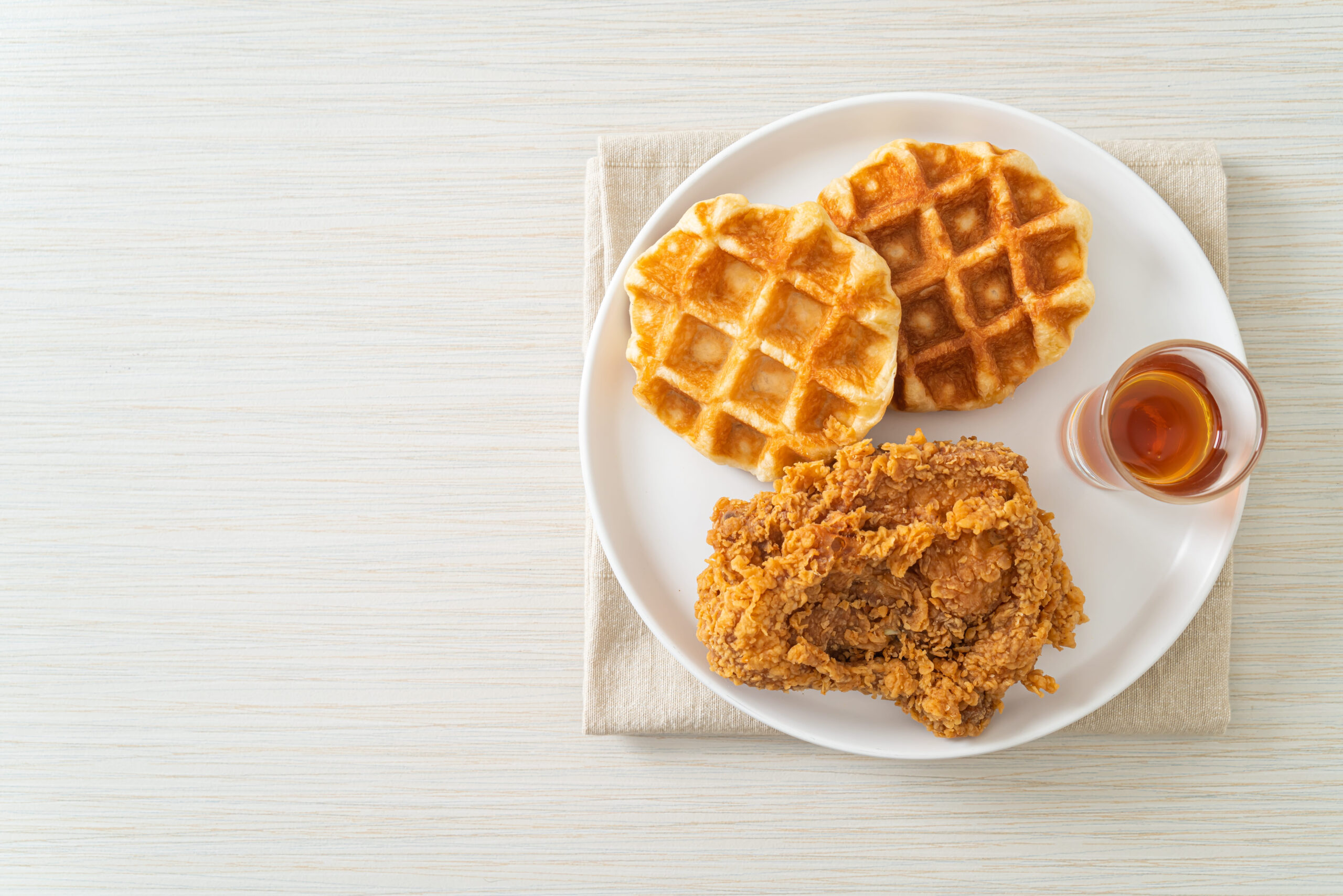
Chicken and waffles can taste incredible, but the first impression can be baffling. Crispy fried chicken belongs to dinner. Waffles belong to breakfast. Syrup belongs to pancakes, unless someone is feeling bold. Then American restaurants stack them together and expect everyone to immediately understand the sweet, salty, crunchy, soft logic.
The dish makes more sense once you consider regional food history and American comfort-food creativity. It takes two familiar items and turns them into one dramatic plate. Still, for someone raised with stricter ideas about what belongs at breakfast or dinner, the combination can feel lawless. It is not bad. It is just a culinary traffic accident that somehow became beloved.
Biscuits and Gravy
This dish causes confusion before anyone even takes a bite. In many countries, a biscuit is a small, crisp, sweet treat. In America, especially in the South, a biscuit is soft, warm, buttery, and breadlike. Then comes the gravy, which is often pale, creamy, peppery, and filled with sausage. To an outsider, the name alone creates the wrong picture.
The actual meal is rich, heavy, and deeply comforting for people who grew up with it. It belongs to diners, roadside breakfasts, family kitchens, and weekend mornings where nobody is pretending to eat light. The confusion comes from expectation.
A Russian woman may hear “biscuits and gravy” and imagine cookies with brown sauce, only to find a plate that looks like breakfast buried under cream. That first look can be a lot.
Corn Dogs
A hot dog already takes some cultural adjustment. Then America puts it on a stick, dips it in cornmeal batter, deep-fries it, and sells it at fairs, school events, amusement parks, and in frozen food aisles. The result is both practical and ridiculous. It is easy to hold, easy to eat while walking, and hard to explain with a straight face.
Corn dogs make sense in the American landscape of fairs, football games, boardwalks, and quick childhood treats. They also show how often American food values portability and fun. Still, a sausage wrapped in sweet fried batter can feel strange if you grew up with different ideas about meat, bread, and proper meals. It is food designed for movement, not reflection.
Jell-O Salad

A Russian woman may understand salad as something with vegetables, potatoes, fish, eggs, herbs, or dressing. Then an American potluck brings out a wobbly dish made with gelatin, fruit, whipped topping, marshmallows, or cottage cheese and calls it salad. That can feel like a linguistic betrayal. The dish may be sweet, cold, pastel, and nostalgic, but salad is doing a lot of work here.
This is one of those American foods that makes sense emotionally before it makes sense logically. It belongs to church basements, older family cookbooks, holiday tables, and retro gatherings where memory matters. Still, the name can confuse anyone who expects a salad to be fresh or savory. Jell-O salad is less a salad than a family heirloom that happens to jiggle.
Giant Fountain Drinks
For many newcomers, American drink sizes can be shocking. A soda can arrive in a cup large enough to feel like a small household object, with free refills waiting behind it. The surprise is not just the sweetness. It is the casual abundance. A Russian woman may wonder why one person needs that much soda with one meal.
This is where cultural confusion meets health concern. Added sugars can stack up quickly in sweet drinks, and calories from added sugars should stay below 10% of daily calories under the added sugar limit.
Serving sizes can also mislead people because a label’s serving size reflects what people typically consume, not what they should consume. A giant drink may feel normal in America, but to fresh eyes, it can look like excess with a straw.
Ranch Dressing
Ranch dressing is not just a condiment in many American homes. It becomes a dip, sauce, salad dressing, pizza sidekick, wing partner, vegetable cover, sandwich helper, and sometimes the answer to food that did not ask a question. To someone unfamiliar with ranch culture, the obsession can feel almost comical. Why does one creamy dressing need to follow so many foods?
The appeal is easy to understand after a while. Ranch is creamy, salty, tangy, familiar, and useful when food needs a quick flavor boost.
The concern is that many packaged and restaurant foods already carry heavy sodium loads, and in the U.S., most sodium comes from processed and restaurant foods rather than the salt shaker alone. Ranch may taste harmless, but the habit of adding salty sauces to everything can quietly change a meal.
Pepperoni Pizza
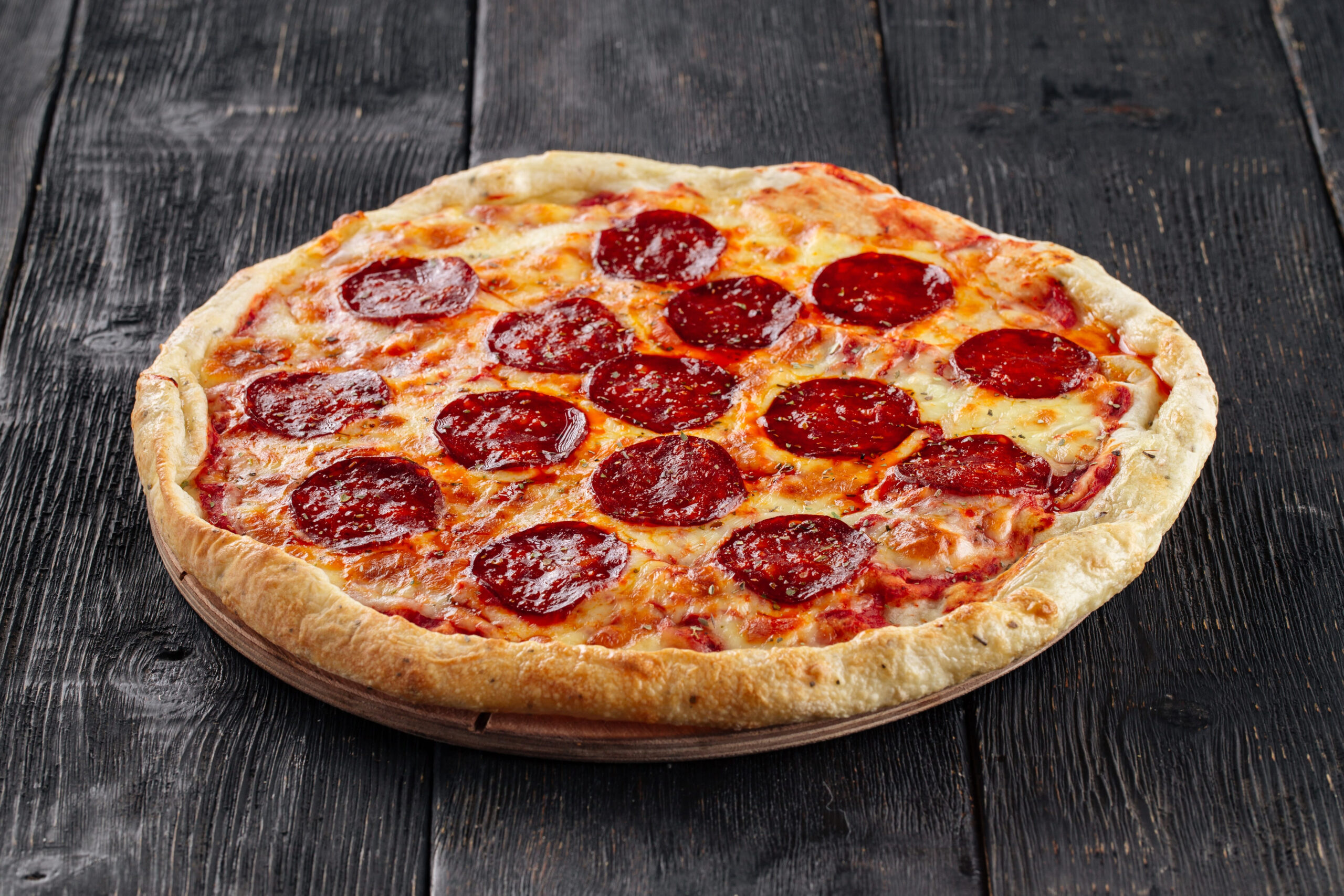
Pizza is not originally American, but the U.S. made it into an everyday emergency solution. Kids’ parties, office lunches, late-night study sessions, school events, moving days, football nights, and tired Fridays all seem to end with pizza boxes. Pepperoni, especially, can feel like the automatic choice. A Russian woman may wonder how one food became the national backup plan for every situation.
The numbers help explain why it feels everywhere. On any given day, about 11% of the U.S. population consumed pizza, making it a sizable share. Pepperoni and other processed meats also raise bigger health questions because processed meat risk has been linked with colorectal cancer.
Pizza can be delicious, cheap, and practical, but its cultural dominance can still make a newcomer wonder if America has a secret pizza agreement.
Deep-Fried Fair Foods
American fairs can make food feel like a competition between hunger and chaos. Deep-fried Oreos, deep-fried butter, fried pickles, funnel cakes, fried candy bars, giant turkey legs, and bacon-wrapped everything can turn a simple outing into a parade of edible dares. For someone from outside the U.S., the question may not be “Does it taste good?” It may be “Why did anyone decide to fry that?”
These foods are usually about spectacle, nostalgia, and, once in a while, indulgence, not everyday nutrition. They belong to state fairs, boardwalks, carnivals, and summer nights where people expect excess.
Still, they reveal something very American about turning food into entertainment. Some dishes comfort people. Some feed people. These foods perform. Which American food would confuse you the most if you were tasting it for the first time?