Love should never make you feel like a bank account, a backup plan, a therapist, a servant, or a body with no voice. A healthy relationship gives both people room to feel seen, respected, protected, and valued. But when exploitation enters the picture, affection starts to feel one-sided, and the relationship quietly becomes more about what one person can take than what both people can build.
The hardest part is that exploitation does not always arrive wearing a villain’s face. Sometimes it comes wrapped in charm, sweet words, big promises, and dramatic apologies. You may keep telling yourself they are stressed, misunderstood, wounded, or “just going through something,” even as you keep shrinking to keep the relationship alive.
That is what makes this topic so serious. Being exploited by a partner can confuse your instincts, weaken your confidence, and make you question needs that should never have required an apology. These signs can help you look at the relationship with clearer eyes before love costs you more than it should.
They Rush the Relationship Before Trust Has Time to Grow

A partner who wants everything too fast may not always be romantic. Sometimes speed is a strategy. They may push for instant commitment, constant access, quick intimacy, moving in early, sharing finances, or making major decisions before you have had enough time to truly know their character. At first, it can feel exciting because intense attention often looks like passion.
The problem begins when their speed leaves no room for your comfort. If you ask to slow down and they react with guilt, anger, silence, or accusations, pay attention. Real love can wait for trust to grow. Exploitation often wants quick access before you notice the red flags.
They Take More Than They Give
Every relationship has seasons where one person needs more support than the other. That is normal. Life brings illness, job loss, grief, stress, and emotional lows. The warning sign appears when giving becomes your permanent role and receiving becomes their rare performance. You are always available, always listening, always paying, always adjusting, and always understanding.
Over time, the relationship starts to feel like a job you never applied for. Your needs become “too much,” but their needs are treated like emergencies. When you bring up the imbalance, they may call you selfish or dramatic. That is often how exploitation protects itself. It makes the giver feel guilty for finally noticing the taking.
They Use Guilt to Control Your Choices

Guilt can be one of the quietest weapons in a relationship.Your partner may not openly demand control, but they know how to make you feel awful for choosing yourself. Maybe you want to see friends, rest, save money, visit family, or say no to something. Suddenly, they are hurt, cold, disappointed, or offended.
The message becomes clear without being spoken directly. You can have freedom, but you will pay for it emotionally. A loving partner can feel disappointed and still respect your choices. An exploitative partner uses guilt to train you. Eventually, you stop asking, stop going, stop resting, and stop choosing anything that might upset them.
They Keep Taking Your Money Without Respecting Your Boundaries
Money exploitation can start small. They forget their wallet. They need a short-term loan. They promise to pay you back. They say they are struggling. They make you feel cruel for asking questions. Then, slowly, you realize you are covering meals, rent, bills, transport, gifts, emergencies, and lifestyle costs that they never seem responsible for.
The issue is not helping a partner in need. The issue is being pressured, manipulated, or expected to carry financial weight without honesty, gratitude, or accountability. If they become angry when you set limits, hide spending, borrow repeatedly, or make you feel responsible for their survival, the relationship may be turning your love into a resource.
They Make You Feel Smaller Than You Used to Feel

One of the clearest signs of exploitation is the slow loss of yourself. Before the relationship, you may have felt confident, social, ambitious, peaceful, or proud of who you were. Now, you second-guess your words, your body, your opinions, your intelligence, your dreams, and even your memory. The change may happen so gradually that you barely notice it.
A partner who loves you may challenge you, but they will not enjoy reducing you. They will not keep joking about your weaknesses, comparing you to others, dismissing your goals, or making you feel lucky that they tolerate you. When a relationship keeps lowering your self-worth, it becomes easier for the other person to control what you accept.
They Isolate You From the People Who Care About You
Isolation can look romantic at first. They want all your time. They miss you constantly. They say your friends are a bad influence. They claim your family does not understand your love. They may act wounded when you spend time with anyone else, making you feel as though normal social contact is betrayal.
Eventually, your world becomes smaller. You stop sharing problems with others because your partner has convinced you that nobody else can be trusted. This is dangerous because isolation makes exploitation easier to hide. When you are cut off from people who know your real personality, you lose the outside voices that could remind you that you deserve better.
They Twist the Truth Until You Doubt Yourself

Gaslighting is one of the most damaging signs that a partner may be exploiting you emotionally. They deny things they said. They rewrite events. They accuse you of being too sensitive. They tell you that you imagined the problem, misunderstood their tone, or created drama out of nothing. After enough of this, you may start apologizing just to end the confusion.
The goal is not healthy disagreement. The goal is control over reality. When someone can make you doubt your own memory, they can avoid responsibility again and again. A loving partner may remember things differently, but they will still care about how you feel. An exploitative partner uses confusion as a hiding place.
They Only Become Loving When They Need Something
Pay attention to when the affection appears. Do they become warm, sweet, sexual, attentive, or apologetic right before asking for money, help, forgiveness, access, or another chance? Do they disappear emotionally once they get what they want? This pattern can make the relationship feel like a vending machine where kindness is inserted only when they expect a return.
Real love has consistency. It does not show up only when a benefit is attached. If their tenderness feels timed, transactional, or strategic, your body may sense the truth before your mind accepts it. You may feel hopeful each time they become loving again, but the pattern matters more than the moment.
They Ignore Your Boundaries and Punish You for Having Standards
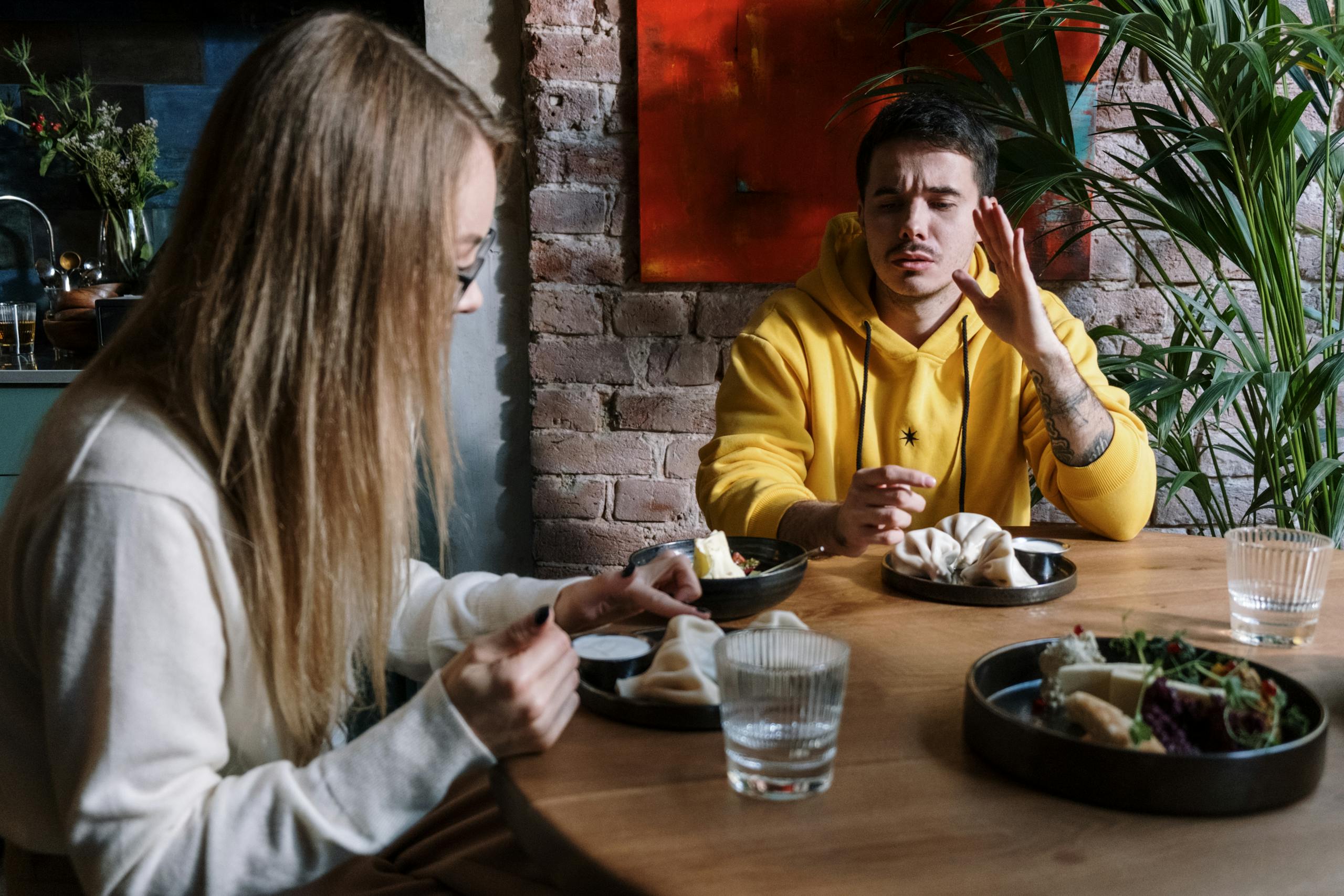
Boundaries are not threats. They are basic instructions for how you need to be treated. In a healthy relationship, a partner may need time to adjust, but they will care about your limits. An exploitative partner treats boundaries like personal attacks. They may mock them, test them, argue against them, or punish you with silence and withdrawal.
This creates a painful cycle. You express a need, they react badly, and you end up comforting them for hurting you. Over time, you learn that having standards creates conflict, so you lower them to keep the peace. That is exactly how exploitation grows. It does not always need force. Sometimes it only needs you to keep abandoning your own limits.
They Make Leaving Feel Impossible
A partner who is exploiting you may work hard to make you feel trapped. They may say nobody else will love you, threaten to expose private information, depend on you financially, use children or pets as emotional pressure, or make dramatic promises every time you pull away. The relationship becomes exhausting, but leaving feels even more frightening.
This is one of the strongest signs that the relationship has moved beyond ordinary conflict. Love should not feel like a cage with flowers painted on the bars. If you feel unsafe, controlled, or afraid of your partner’s reaction, it is important to speak with someone trustworthy and create a careful plan. Your safety matters more than protecting the image of the relationship.
Conclusion
Being exploited in a relationship can feel confusing because the person using you may still have moments of charm, tenderness, humor, and affection. That is why many people stay longer than they planned. They keep hoping the loving version will finally become the permanent version.
But love is not proven by occasional sweetness. It is proven by respect, honesty, accountability, care, and consistency. If a relationship keeps draining your peace, shrinking your confidence, isolating you from support, or making your needs feel inconvenient, it may be time to stop asking how much more you can endure.
The right relationship will not require you to disappear so someone else can feel powerful. It will make room for your voice, your boundaries, your friendships, your dreams, and your dignity. If love keeps costing you yourself, the problem is not that you are asking for too much. The problem may be that someone has been taking too much for too long.