Decluttering can be a life-changing journey, but it often turns into a daunting task that feels impossible to finish. Many people dive in without a solid plan, leading to frustration and clutter taking over their homes. It’s easy to fall into traps that make the process harder than it needs to be.
Decluttering your home can feel like a refreshing way to reclaim space and mental clarity, but without the right approach, it can quickly spiral into a frustrating and overwhelming experience. Many people, in their enthusiasm to declutter, make common mistakes that not only waste time but also hinder their progress. By identifying these mistakes and understanding how to avoid them, you can make your decluttering process much more efficient and effective.
Decluttering Without a Clear Plan

One of the biggest mistakes people make is diving into decluttering without a roadmap.
Before diving into the task, create a plan. Break down the process into smaller, manageable sections, like one room at a time or by category (clothes, books, etc.). Set a clear goal for each session, whether it’s reducing the number of items in a closet or getting rid of excess kitchenware. This approach keeps you focused and ensures you stay on track.
The key to a successful decluttering session is having a clear strategy. Focus on one room, area, or category at a time. Use a system like the KonMari Method to stay organized and focused, ensuring you don’t get overwhelmed. Make a checklist and follow it. This simple step keeps you on track and ensures steady progress.
Trying to Declutter the Entire House at Once
It’s tempting to declutter your entire home in one go, but trying to do it all at once will only lead to burnout. It’s easy to get overwhelmed when faced with a massive task like organizing your whole house.
Instead of trying to do everything in one day, break the task into smaller, more manageable chunks. Set a timer for 15 to 30 minutes per session or tackle one small area at a time, like a single drawer or shelf. Consistent, small steps will result in long-term success.
Holding On to “Just in Case” Items
We all have that pile of “just in case” items—things we keep around for no other reason than the vague idea that they might be useful someday. Holding onto these items wastes valuable space.
If an item hasn’t been used in over a year, it’s time to let it go. Try the “Maybe Box” method: place questionable items in a box and revisit it after 30 days. If you haven’t used it by then, donate or discard it. Let go of items that no longer align with your lifestyle.
Buying Storage Solutions Too Soon
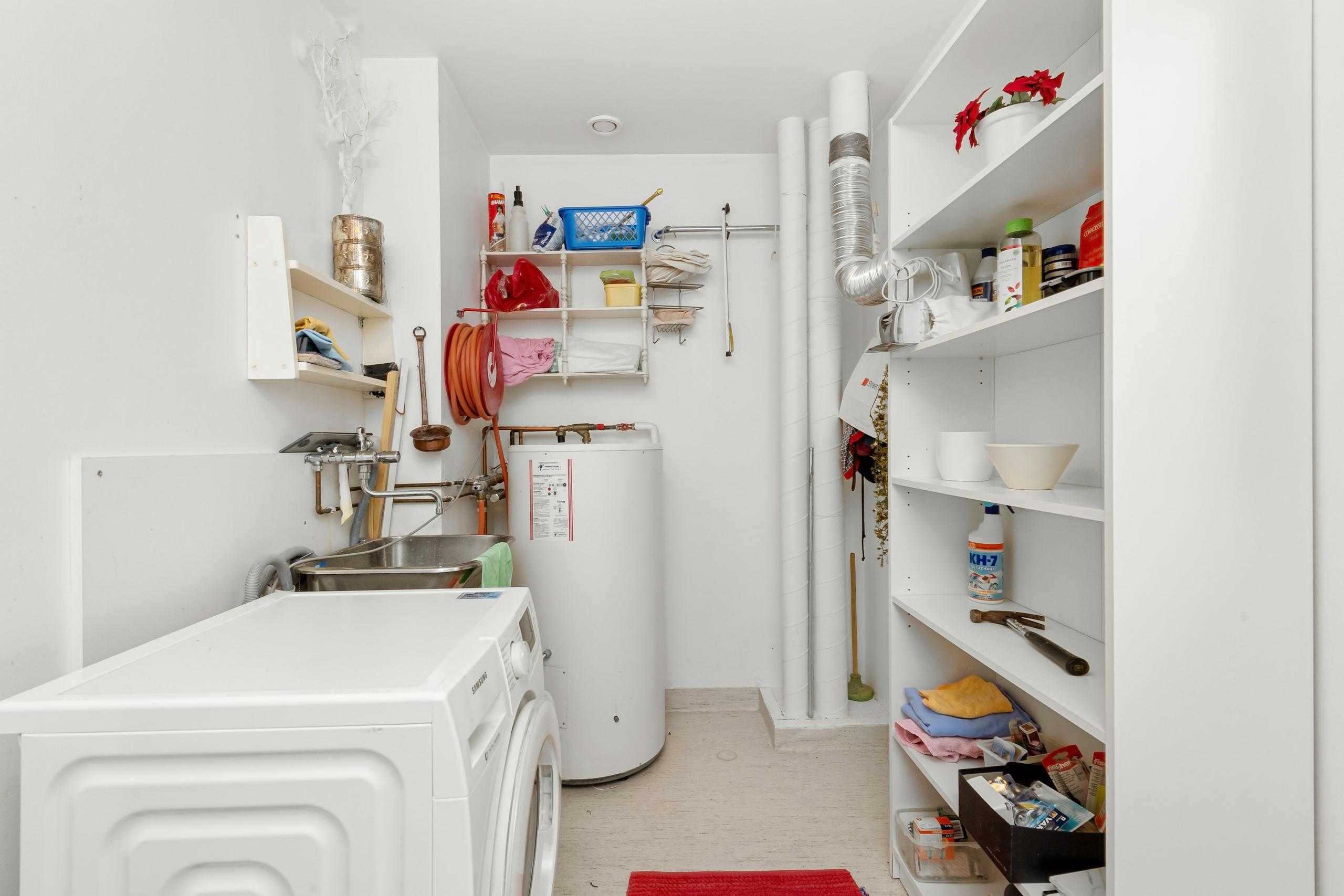
Another common mistake is buying bins, baskets, and other storage solutions before even decluttering. This results in spending money on storage for things you don’t actually need or want.
It’s important to declutter first and assess what actually needs to be stored. Only purchase storage solutions after you’ve removed what no longer serves a purpose. This ensures you’re investing in storage that fits your new, organized space.
Letting Guilt Dictate What Stays
We often keep things out of guilt gifts, heirlooms, or expensive items that we don’t want to part with. This emotional attachment to objects can weigh us down and prevent us from truly decluttering.
A clutter-free home is about what serves you now, not what once meant something in the past. If an item no longer serves a purpose or brings joy, it’s okay to let it go. Donate, recycle, or responsibly discard those items, free of guilt.
Starting With Sentimental Items
Sentimental items like photos, gifts, or family heirlooms are often the hardest to part with. Starting with these can overwhelm you and stall your decluttering process.
Start with areas that don’t carry emotional weight, such as the kitchen, pantry, or bathroom. These spaces are easier to tackle and help build your decision-making confidence. Once you’ve cleared low-emotion spaces, you’ll be more prepared to deal with sentimental items.
Forgetting About Digital Clutter
Decluttering isn’t just about your physical space; it’s also about your digital life. Phones, inboxes, and desktops often become just as cluttered as physical spaces, but are often overlooked.
Apply the same principles of decluttering to your digital spaces. Unsubscribe from email lists, delete unused apps, and organize files into labeled folders. Set a reminder each week to maintain your digital organization, ensuring your virtual space stays as clean as your home.
Keeping “Maybe” Piles for Too Long
Holding onto piles of undecided items can create mental clutter. When left unchecked, these piles grow, leaving you stuck in a perpetual state of indecision.
Decide whether to keep, donate, or discard items within a set time frame, such as 24 to 48 hours. Label “maybe” boxes clearly and commit to weekly donation drop-offs. Taking swift action prevents indecision from derailing your decluttering process.
Decluttering Without Support

Large decluttering projects can feel overwhelming, especially when tackled solo. Trying to do it all by yourself can result in frustration and burnout.
Don’t hesitate to ask for help. Whether it’s a friend, family member, or professional organizer, having support can make a big difference. Even joining online communities or social media groups can provide motivation and tips to keep you going.
Not Changing Underlying Habits
Decluttering is not a one-time fix; it requires a shift in your daily habits and mindset. Without this change, clutter will slowly creep back into your life.
To keep clutter at bay, incorporate daily habits like the “one-in, one-out” rule. Practice conscious consumerism and tidy up for just 10 minutes a day to maintain your clean space. Remember, decluttering is a lifestyle, not just a task to check off your to-do list.
Declutter Smarter, Not Harder
The excitement of decluttering often fades after the work is done, but the real challenge is maintaining the newly tidied space. Without a system in place to prevent clutter from building up again, your home will eventually revert to its old chaotic state.
By avoiding these common decluttering mistakes, you’ll not only transform your space but simplify your life. A clutter-free home requires more than just clearing out items; it requires a shift in habits and mindset. Stay committed to these fixes, and your home will be a cleaner, more organized haven for years to come.