Gas prices in the U.S. are spiraling out of control. In May, the national average hit $4.48 per gallon, leaving families, commuters, and small businesses struggling to adjust their budgets. At the grocery store, at the pump, and even in delivery fees, Americans are feeling the squeeze.
It’s easy to point fingers at politics or overseas conflicts, but the reality is far more complicated. Rising energy costs are hitting every corner of the economy, and understanding why can help make sense of the chaos at the pump. Here are the nine most brutal reasons your wallet is taking the hit.
Middle East Tensions Disrupt Global Oil

Conflict in the Middle East, particularly involving Iran, has consistently rattled global oil markets. The Strait of Hormuz, a strategic chokepoint, sees nearly 20% of the world’s oil trade pass through each day. Any military threat or geopolitical friction in this narrow waterway sends shockwaves through global supply chains, immediately driving oil prices higher.
For U.S. consumers, this translates into higher costs at the pump even if domestic production is steady. Every new headline about escalating tensions or potential sanctions sparks market anxiety, creating speculative surges that push gas prices beyond what the actual supply situation might dictate.
Infrastructure Bottlenecks Limit Supply
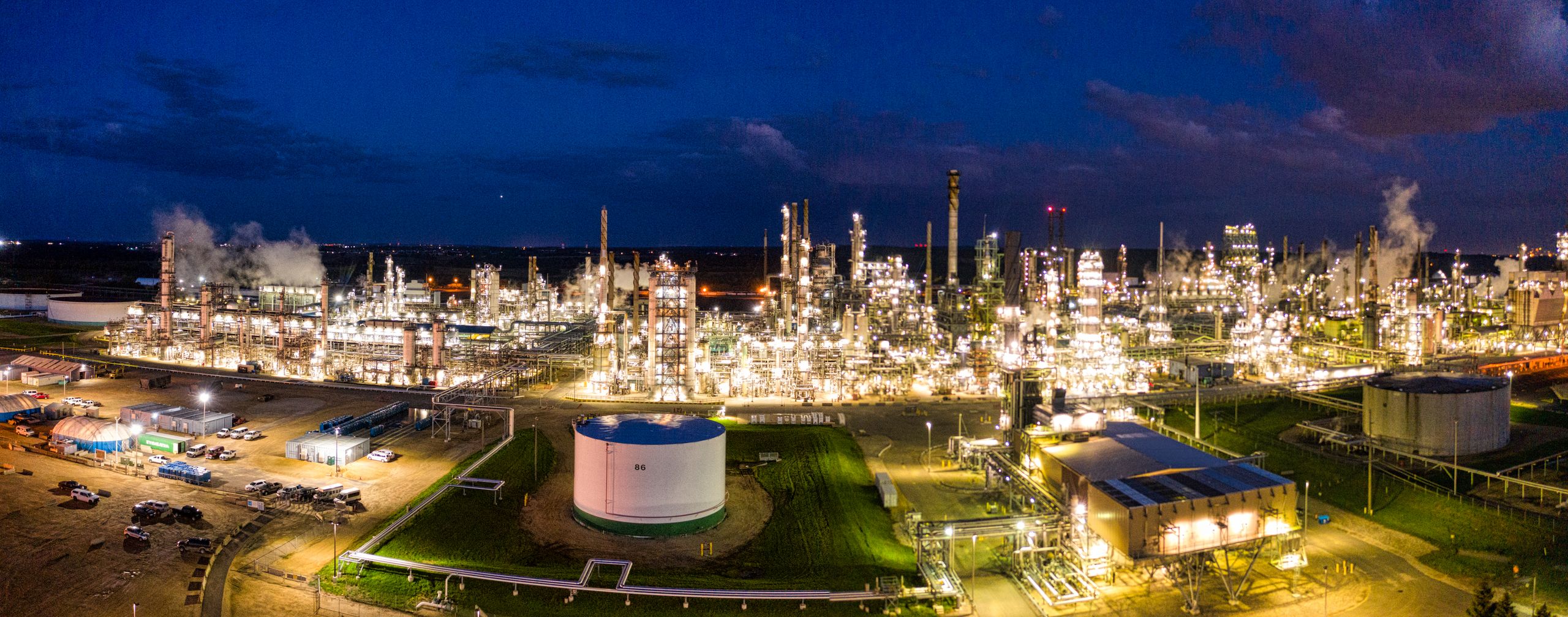
America’s energy infrastructure hasn’t kept pace with demand. Aging pipelines, refinery maintenance shutdowns, and insufficient storage capacity create choke points in the supply chain. Even when crude oil is plentiful, these bottlenecks make it harder to refine and deliver gasoline efficiently.
During peak travel seasons, like summer road trips or holiday weekends, these limitations become painfully clear. Consumers feel the pinch when gas stations raise prices because the system simply cannot move fuel fast enough to meet heightened demand.
Renewable Energy Policies Add Short Term Pressure
Policies promoting renewable energy, while intended for long term benefit, have also introduced short term energy cost pressures. Incentives for solar, wind, and other alternatives, coupled with regulations that limit fossil fuel expansion, have reshaped energy markets.
Energy officials argue these policies contribute to rising electricity, heating, and gasoline costs. Critics counter that the real world impact is being felt now, leaving households juggling higher bills while the benefits of renewable investments remain a long-term promise rather than an immediate relief.
Speculative Trading Inflates Prices

The oil market is heavily influenced by speculative trading. Futures contracts, hedging, and international investment moves respond not only to supply and demand but also to predict global events. Traders anticipate conflicts, policy shifts, and economic trends, often pushing prices higher before any actual supply disruption occurs.
For consumers, this means gas prices can spike based on fears rather than facts. A single report of geopolitical tension or market speculation can translate into immediate financial strain for families filling up their cars or businesses shipping goods nationwide.
U.S. Dependence on Imported Oil
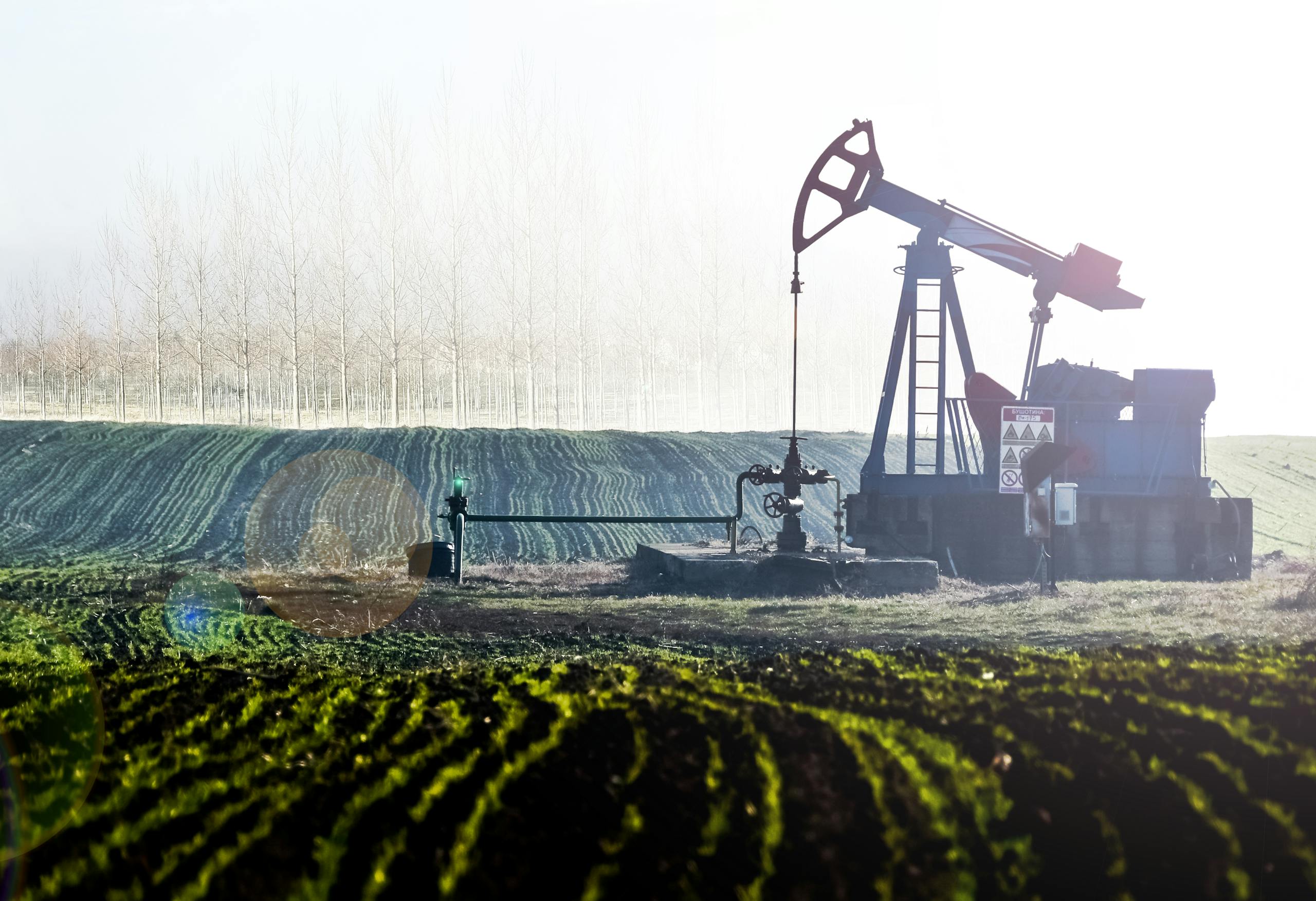
Despite growing domestic production, the U.S. still imports a significant portion of its oil to maintain market stability. This dependence exposes the country to global market fluctuations. Sanctions, trade disputes, or conflicts in oil exporting countries can quickly disrupt supply, driving domestic prices upward.
Diversification of energy sources and investment in alternative supply channels could mitigate this vulnerability. However, in practice, the U.S. remains tethered to international oil flows, making domestic consumers vulnerable to decisions made thousands of miles away.
Historical Price Volatility Sets the Stage
Gasoline prices have never been entirely stable. From the 1973 oil embargo to the 2008 price spike, history shows a pattern of sharp surges triggered by external shocks. These cycles highlight the inherent volatility of energy markets and the complex factors driving them.
Recognizing these historical trends helps explain today’s sudden price jumps. It also shows why even small disruptions, such as a refinery outage or a regional conflict, can have outsized effects on household budgets. Patterns repeat, and markets often overreact to short term pressures.
Seasonal Demand Surges

Seasonal demand spikes are another predictable, yet unavoidable, factor in rising gas prices. Summer vacations, holiday travel, and regional weather patterns increase consumption, putting additional pressure on the limited supply.
Refineries and pipelines are often stretched thin during these periods, amplifying price swings. Consumers may notice gas prices climbing even if crude oil prices remain stable, illustrating how timing and demand can compound financial strain.
Economic Ripple Effects on Households

High gasoline prices ripple through the economy beyond the pump. Shipping costs rise, grocery bills climb, and businesses pass higher transportation costs on to consumers. Families experience tighter budgets, while small businesses face increased operational costs.
Industries heavily reliant on logistics, such as food delivery and manufacturing, absorb these costs and often pass them on to the end user. The result is a chain reaction that affects nearly every aspect of daily life, from commuting to grocery shopping.
Political Messaging Clouds the Reality
Blame games between parties make it harder for the public to understand the true drivers of high energy costs. Officials highlight opposing policies while downplaying structural challenges, confusing consumers about the source of their financial pain.
In reality, rising gas prices are driven by a mix of geopolitical risk, domestic policy, infrastructure constraints, market speculation, and seasonal demand. A clear eyed approach to energy planning, investment, and public communication is essential to stabilize costs and protect households from unpredictable spikes.
Key Takeaway
Rising gas prices are not caused by a single factor. They result from the perfect storm of global conflict, market speculation, infrastructure bottlenecks, seasonal demand, and policy choices. Understanding these nine factors is critical for developing effective strategies to reduce volatility and protect Americans from repeated energy shocks.