Freedom does not always feel like freedom when every door still has a lock on it. Someone can walk out of jail or prison, hug their family, promise to do better, and still run straight into a country that keeps asking about the worst thing they ever did.
The job application asks the question. The landlord asks the question. The licensing board asks the question. Even family members may ask it silently every time money goes missing, tempers rise, or trust feels fragile.
That is why a criminal record can ruin life after release in ways people do not always see from the outside. The sentence may be over, but the punishment can keep showing up in paperwork, background checks, rejection emails, and closed doors.
This is not about ignoring harm or pretending victims do not matter. It is about facing a hard American reality: when people cannot rebuild stable lives after serving time, everyone pays the price.
Job Applications Can Turn Into Silent Rejections

A criminal record can make a job search feel like a locked room. Someone may have skills, references, training, and genuine motivation, but a background check can still push their application to the bottom of the pile.
Employers have legitimate reasons to consider safety and trust, but blanket rejection can trap people before they get a fair look. Guidance on arrest conviction records shows why employers are encouraged to think carefully about how a record actually relates to the job.
Housing Can Become the Next Sentence
Finding a place to live after release can feel brutal. A person may have a job offer, family nearby, and a plan for stability, but one rental screening can erase all of it before they ever tour the apartment.
Housing rejection can push people into couches, motels, shelters, unsafe relationships, or neighborhoods far from work and support. A 2022 criminal records memo warned that housing providers should be careful in how they use criminal history screening.
Old Records Can Follow People Everywhere Online
A record used to sit in court files, police databases, or local paperwork. Now, old arrests and convictions can follow people through search results, background check companies, mugshot sites, and public databases that never seem to forget.
That constant visibility can make reinvention feel almost impossible. Even when someone changes, trains, stays sober, works hard, or keeps out of trouble, the internet may keep introducing them to their lowest moment.
Professional Licenses Can Stay Out of Reach

Some jobs require more than being hired. They require a license, which can create another barrier for people with records who want to become barbers, nurses, electricians, truck drivers, caregivers, real estate workers, or security staff.
Rules vary widely, but the barrier is real. Many people face occupational licensing barriers that can prevent them from practicing law even when the prior offense has little connection to the career they are trying to build.
Money Problems Can Become Almost Impossible to Escape
Release often comes with debt already waiting. Court fines, fees, child support, supervision costs, unpaid bills, transportation needs, rent deposits, phone service, and basic clothing can pile up before a person has a steady income.
That pressure can break motivation fast. When legal work is hard to find, and every normal expense feels urgent, the person may feel punished for trying to restart life the right way.
Family Trust Can Be Damaged for Years
A criminal record not only follows a person into offices and applications. It follows them into living rooms, family dinners, custody conversations, and relationships where people may love them but still feel afraid to trust them fully.
The damage can be emotional and practical. Partners may worry about money, parents may feel exhausted, children may feel confused, and relatives may hesitate to help because they have already been hurt, disappointed, or forced to carry too much.
Voting Rights Can Become Confusing or Lost

For many people, coming home does not automatically feel like full citizenship. Voting rights after a felony conviction depend heavily on state law, and the rules can be confusing even for people who are trying to follow them.
That confusion can lead people to assume they have no voice at all. State approaches to felony voting rights vary widely, meaning a person’s civic life may depend on where they live and which part of their sentence is complete.
Education Can Feel Like a Door That Opens Too Slowly
Education can help people rebuild, but getting back into school is not always simple. Someone may need transcripts, money, transportation, childcare, housing, technology, and the confidence to sit in a classroom after years of survival mode.
Some financial aid rules have changed, but confusion remains. Students with criminal convictions may still need to carefully understand student aid eligibility, especially when planning a realistic path toward training, credentials, or college.
Stigma Can Turn Every Mistake Into Proof
People with records often live under a magnifying glass. A late arrival, an angry tone, a missed payment, or an awkward explanation can be judged more harshly because others may connect every flaw back to the record.
That kind of stigma is exhausting. It can make a person feel as if they are never allowed to be stressed, messy, frustrated, or human because one mistake might confirm what others already believe.
Reentry Support Can Be Too Weak for the Weight of Real Life
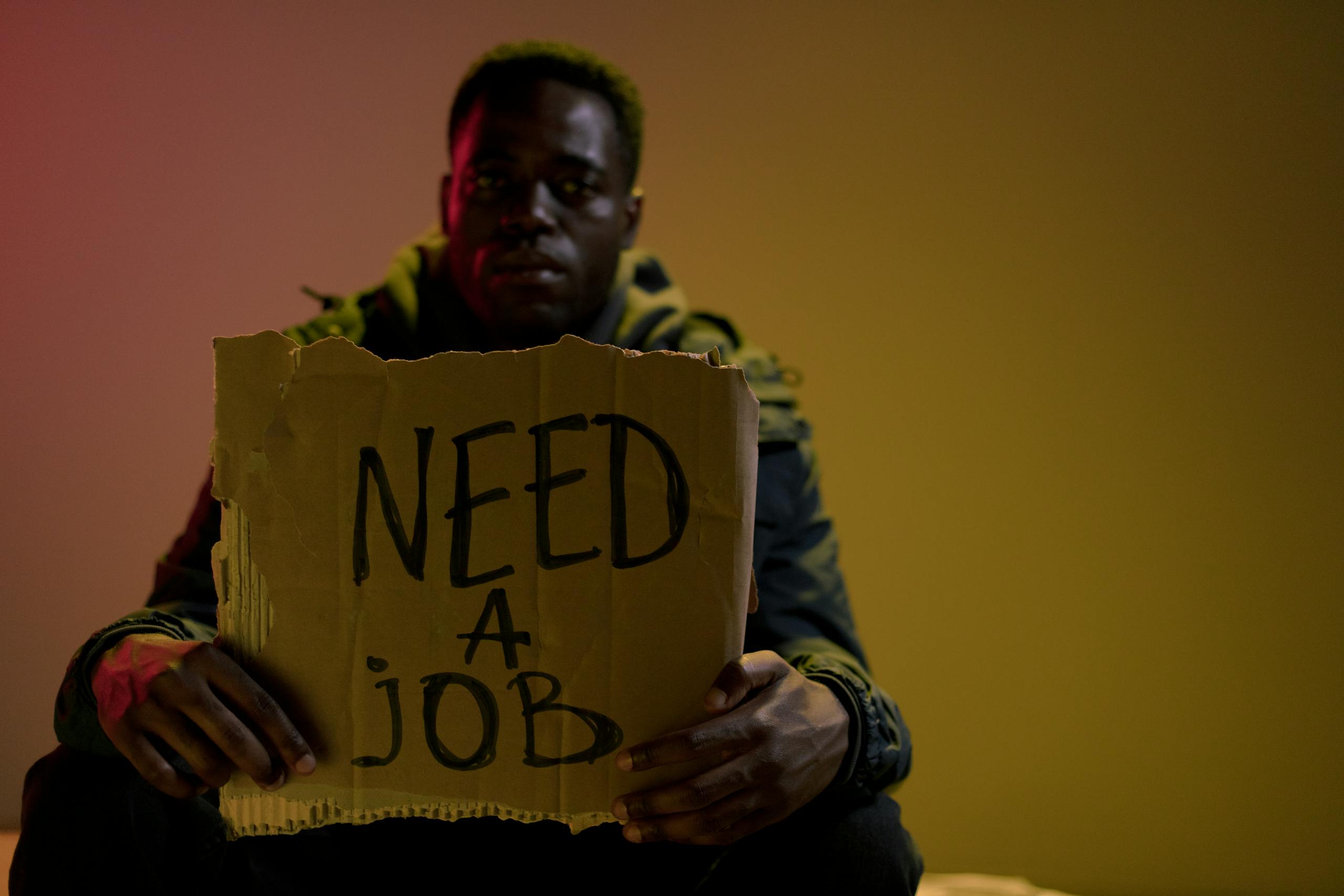
Coming home requires more than freedom. A person may need housing, employment, identification, healthcare, counseling, transportation, family support, clothing, food, and help understanding rules that can send them back into trouble.
The need is not theoretical. Research on formerly incarcerated people shows how unstable housing and other barriers can follow release, making reentry feel less like a fresh start and more like a test with missing instructions.
Key Takeaway
A criminal record can ruin life after release because the punishment often does not end at the gate. It can continue through job rejection, housing denial, family distrust, debt, stigma, lost opportunities, and rules that change from state to state.
Accountability matters, and victims matter. But a country that says people should change must leave a real path for change, or it risks turning old mistakes into permanent social exile.
The hard truth is simple. If someone has served their sentence and is trying to rebuild, stability is not a reward. It is the foundation that helps keep families safer, communities stronger, and second chances from becoming empty words.