A garage sale can turn a cluttered weekend into quick cash, but the wrong items can make buyers walk past the driveway without stopping. We may think every old chair, dusty appliance, or forgotten box has value, yet shoppers usually decide within seconds if a sale feels worth their time. When tables look messy, items look unsafe, or prices feel too close to retail, buyers lose trust fast.
That is why knowing what not to sell at a garage sale matters just as much as knowing what to display. The best yard sales do not look like a dumping ground for everything we no longer want. They feel organized, clean, fair, and easy to shop. When we remove the items that create doubt, we make room for the things buyers actually want to carry home.
Unsafe Baby Gear Can Create Serious Trust Problems
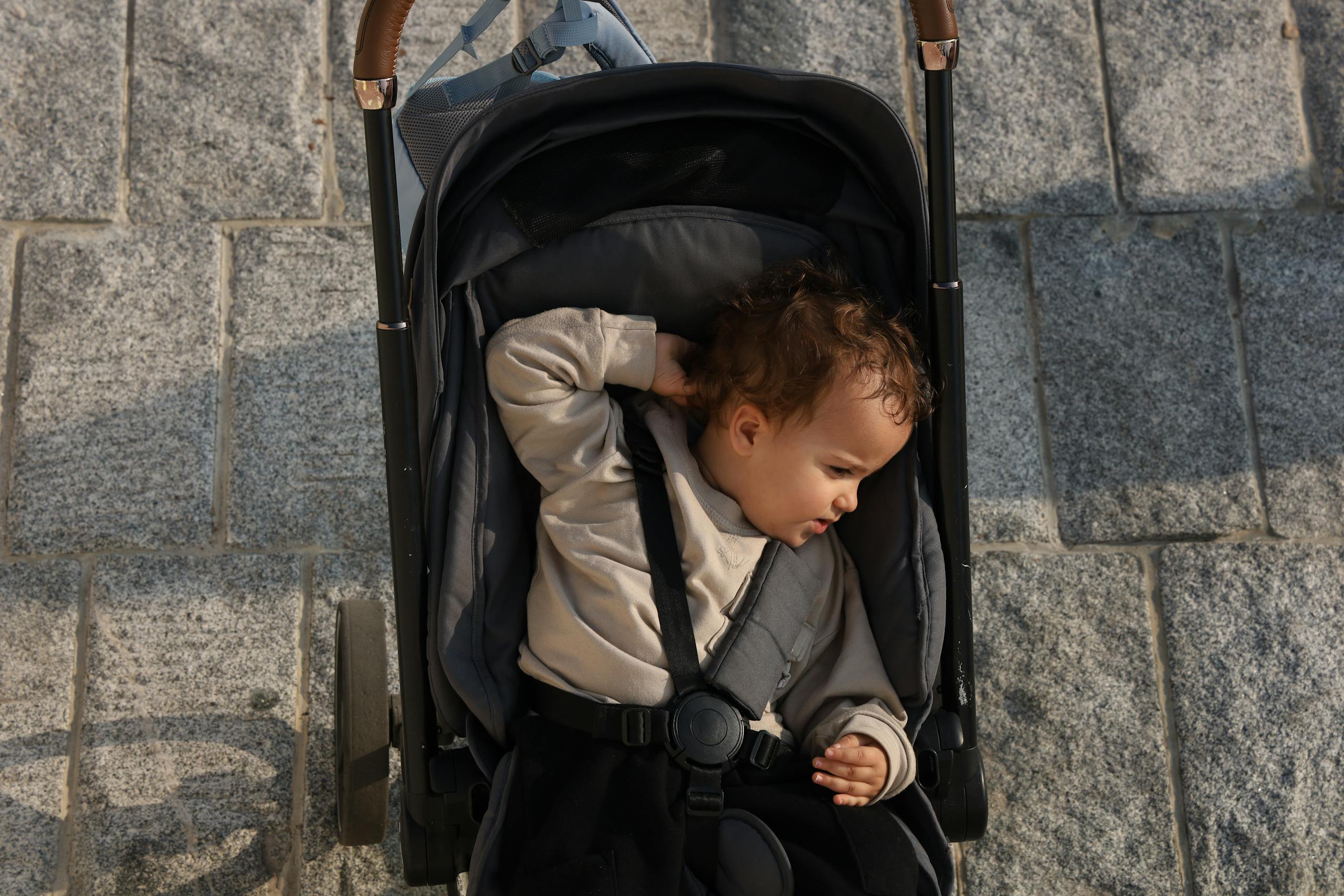
Baby items often look like easy garage-sale finds because parents love saving money. The problem is that some baby gear comes with safety rules, recalls, expiration dates, and hidden wear that buyers cannot verify in a driveway setting. Used car seats are one of the clearest examples. A car seat may look clean, but we may not know its crash history, expiration date, missing parts, or whether the manufacturer has recalled it.
Drop-side cribs, old bassinets, damaged high chairs, and worn baby walkers can also make shoppers nervous. Parents buying secondhand baby products want certainty, not guesswork. When an item protects a child’s body, buyers usually prefer a trusted source, current safety standards, and complete instructions. If we cannot prove the item is safe, complete, and current, we should keep it off the sale table.
A better choice is to sell baby clothing, unopened diapers, clean board books, unused nursery décor, or sealed baby accessories. These items are easier for buyers to inspect and carry. They also create fewer legal and safety concerns for us as sellers.
Used Helmets and Protective Gear Should Stay Off the Table
Bike helmets, motorcycle helmets, sports pads, and other protective gear lose buyer appeal because damage is not always visible. A helmet can look fine after a fall, yet its inner structure may no longer protect someone properly. Garage sale shoppers know this, so many will avoid secondhand safety gear completely.
This category also includes old life jackets, worn knee pads, cracked shin guards, and protective equipment with missing straps. Even if the item originally cost a lot of money, its value drops sharply once buyers question its safety. No bargain feels good if the item could fail when someone needs it most.
Opened Beauty Products Make Buyers Think About Hygiene

Used makeup, half-finished lotion, opened perfume, old skincare, and mystery hair products rarely sell well at a garage sale. These items create immediate hygiene concerns. Buyers do not know how long the product has been open, how it was stored, or whether bacteria have entered the container. Even high-end beauty brands lose appeal when the seal is broken.
Expiration dates make this category even harder to sell. Sunscreen, acne creams, mascara, foundation, and other skincare products can lose their effectiveness over time. Some can irritate the skin after long storage or contamination. A buyer may love a discount, but they rarely want to gamble with something applied near their eyes, lips, or face.
If beauty products are unopened, sealed, and clearly within their date, they may be sold as a small bundle. Anything opened, old, separated, sticky, or unmarked should not be displayed. It makes the sale feel careless and lowers trust in everything else on the table.
Broken Electronics Usually Waste Everyone’s Time
Old electronics can attract curiosity, but broken electronics usually create frustration. Buyers may pick up a DVD player, speaker, tablet, printer, or coffee maker, then ask the same question every time: Does it work? If we cannot prove it works, the item becomes a gamble. Most shoppers will either skip it or offer almost nothing.
Outdated electronics also have limited demand. Heavy televisions, tangled cables, ancient computer monitors, missing remote controls, and devices without chargers take up space without pulling serious buyers. Some people enjoy vintage tech, but most garage sale shoppers want convenience. They do not want to troubleshoot a dusty machine after paying for it.
We should test every electronic item before the sale. If it works, label it clearly with details such as “tested,” “works,” or “needs batteries.” If it does not work, we should recycle it, list it online honestly for parts, or place it in a free pile only when appropriate.
Stained Clothing and Worn Shoes Make the Sale Look Cheap
Clothing can sell well at a yard sale, but stained, stretched, torn, faded, or smelly clothing pushes buyers away. Shoppers usually look for clean basics, kids’ clothes, jackets, denim, handbags, and name-brand pieces in wearable condition. They do not want to dig through piles that smell like storage bins or laundry that has been forgotten for years.
Shoes create an even stronger reaction. Worn-out sneakers, cracked sandals, damaged heels, and shoes with heavy odor rarely sell. Even when the brand is popular, condition matters more than the label. A buyer may pay for gently used boots or clean kids’ shoes, but they will walk away from pairs that look uncomfortable, dirty, or overused.
Old Mattresses and Bedding Can Scare Buyers Away

Mattresses, pillows, mattress toppers, and heavily used bedding are among the hardest items to move at a garage sale. These items raise concerns about stains, odors, dust, bed bugs, sweat, and general cleanliness. Even when they look acceptable, buyers cannot easily know what is inside them.
Some places also have rules about selling used mattresses, especially if they are not sanitized or labeled properly. Since local laws vary, we should be careful before placing any used mattress outside with a price tag. Beyond the legal concern, the practical problem is simple: most buyers do not want to carry home someone else’s old sleeping surface.
Clean blankets, decorative throws, unused sheet sets, and sealed bedding can still do well. We should avoid selling pillows with body wear, old mattresses, stained comforters, or anything that looks too personal to reuse.
Bulky Furniture Can Block Better Sales
Large furniture can sell at a garage sale, but it can also become a problem if we place too much of it in the main shopping area. Heavy desks, oversized couches, old entertainment centers, large dining tables, and bulky cabinets require space, transport, and planning. Many shoppers arrive in regular cars, not trucks. Even interested buyers may leave because they cannot carry the item home.
Condition also matters. Scratched tables, sagging sofas, wobbly chairs, peeling laminate, and stained upholstery need aggressive pricing to sell at all. Buyers may like the idea of a bargain, but they also factor in the costs of moving, cleaning, repairing, and fitting the item into their home.
If we want to sell furniture, we should stage it cleanly and leave walking space around it. We should add measurements, note any flaws, and price it low enough to move quickly. For very large pieces, online local marketplaces may work better than a driveway sale.
Outdated Décor Can Make the Whole Sale Feel Tired
Old décor is tricky because taste changes fast. Fake flower arrangements, dusty picture frames, faded wall art, chipped figurines, heavy curtains, and dated lamps can make a garage sale feel stale. Buyers may still love vintage style, but they usually want pieces that are charming, of high quality, or with clear design appeal.
The difference between “vintage” and “old clutter” is condition, presentation, and usefulness. A mid-century lamp in working condition may attract attention. A box of random dusty candle holders may not. Buyers want to imagine an item that improves their space, not adds another cleaning chore.
Old Books, Manuals, and Media Need Careful Sorting
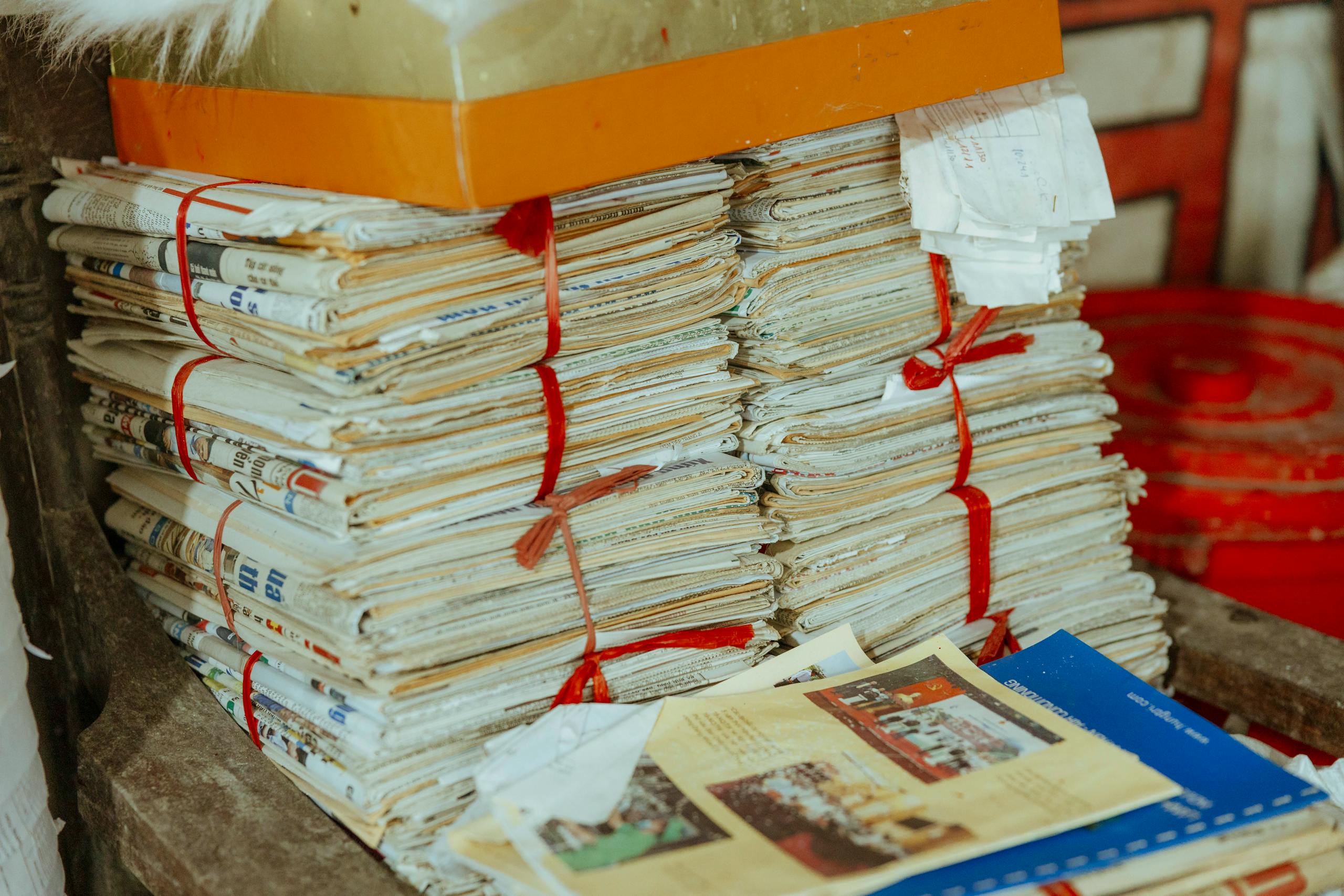
Books can sell, but not every book deserves a spot on the table. Moldy books, outdated textbooks, water-damaged novels, old manuals, encyclopedias, and random instruction booklets usually attract little interest. Buyers want clean books they can actually read, gift, decorate with, or collect.
Physical media also depend on condition and demand. DVDs, CDs, vinyl records, and video games can sell if they are clean, working, and fairly priced. Scratched discs, missing cases, broken boxes, and obsolete formats with no collector appeal tend to sit untouched.
We should sort books and media by category so buyers can browse quickly. Cookbooks, children’s books, popular fiction, craft books, and collectible records often do better than boxes of mixed old paper. A neat display can turn a low-priced category into steady, small sales.
Food, Medicine, and Supplements Are Not Worth the Risk

Food, opened pantry items, vitamins, supplements, medicine, and old health products should not be sold at a garage sale. Buyers cannot confirm storage conditions, expiration dates, ingredients, or tampering. Even sealed items may seem questionable when they come from a private home rather than a store.
Prescription medication should never be sold. Expired over-the-counter medicine, herbal products, diet pills, protein powders, and opened supplements can create safety and legal issues. A few dollars of possible profit is not worth the risk.
If we have unopened nonperishable food that is still safe and in date, donation may be a better option, where accepted. Garage sales should focus on household goods, clothing, tools, books, toys, and décor rather than consumables that raise trust concerns.
Conclusion
Knowing what not to sell at a garage sale helps us protect buyers, avoid legal headaches, and create a better shopping experience. Unsafe baby gear, used helmets, opened beauty products, broken electronics, stained clothing, old mattresses, smelly items, and overpriced clutter can drag down the entire sale. These items do not just take up space. They make buyers question the quality of everything else.