Artificial intelligence is no longer sitting quietly in the background of futuristic predictions. It is already shaping how we work, learn, shop, communicate, create, search, hire, diagnose, police, advertise, and vote. That speed is exciting, but it also makes the risks harder to ignore.
The danger of AI is not simply that machines may become “too smart.” The more immediate concern is that powerful systems are being placed inside everyday life before society has fully agreed on rules, limits, rights, and responsibilities. When AI works well, it can save time, improve decisions, and increase productivity. When it fails, it can spread misinformation, violate privacy, automate discrimination, replace jobs, weaken trust, and give enormous power to a small number of companies.
The future of AI does not need to be frightening, but it must be handled with more seriousness. We need innovation, but we also need accountability. We need speed, but we also need safety. We need smarter tools, but we must never let those tools quietly decide too much about human lives.
AI Job Loss Could Hit Workers Faster Than Many Expect

AI job displacement is one of the most direct risks because it affects people’s income, dignity, and future security. Generative AI can now write reports, summarize documents, answer customer questions, analyze data, create marketing content, produce images, write code, and handle administrative tasks. That means many office jobs once considered safe are now being automated.
The bigger risk is not always total replacement. In many industries, companies may use AI to reduce hiring, shrink teams, freeze entry-level roles, or expect fewer workers to produce more output. A job may not disappear completely, but it may become more stressful, less secure, and less valuable.
To reduce this danger, companies and governments must invest in serious reskilling. AI should not become a tool that boosts profits while leaving workers stranded. If productivity rises, workers must share in the benefits through better training, fair wages, and real transition support.
Deepfakes and AI Misinformation Can Destroy Public Trust
AI has made it easier to create fake content and harder to detect it. Deepfake videos, cloned voices, fake images, synthetic screenshots, and AI-generated news stories can now look and sound convincing enough to fool ordinary viewers. This creates serious problems for politics, the media, business, and personal safety.
A fake video can damage a public figure. A cloned voice can trick an employee into sending money. A fabricated image can inflame conflict. A false story can spread across social media before fact-checkers respond. The threat becomes worse during elections, wars, scandals, financial panics, or public emergencies.
Strong labeling rules, media literacy, platform accountability, watermarking tools, and fast verification systems are now essential. We cannot allow synthetic media to turn public debate into a fog where every lie travels faster than every correction.
AI Privacy Risks Are Bigger Than Most Users Realize
AI tools often depend on large amounts of data. Every prompt, voice command, uploaded file, chat history, image, location signal, and behavioral pattern can become part of a wider data ecosystem. Many users treat AI tools like private assistants, but they may not fully understand how their information is stored, reviewed, shared, or used for training.
Businesses face the same problem. Employees may paste client contracts, internal strategy documents, source code, financial data, or customer records into AI systems to save time. That can create hidden privacy and security risks inside the workplace.
Responsible AI needs strict privacy rules. Users should know what data is collected, how long it is stored, and whether it can be used to train models. Companies need clear policies, secure enterprise tools, deletion rights, consent systems, and training that prevents sensitive information from being casually fed into AI platforms.
AI Surveillance Can Make Constant Monitoring Feel Normal
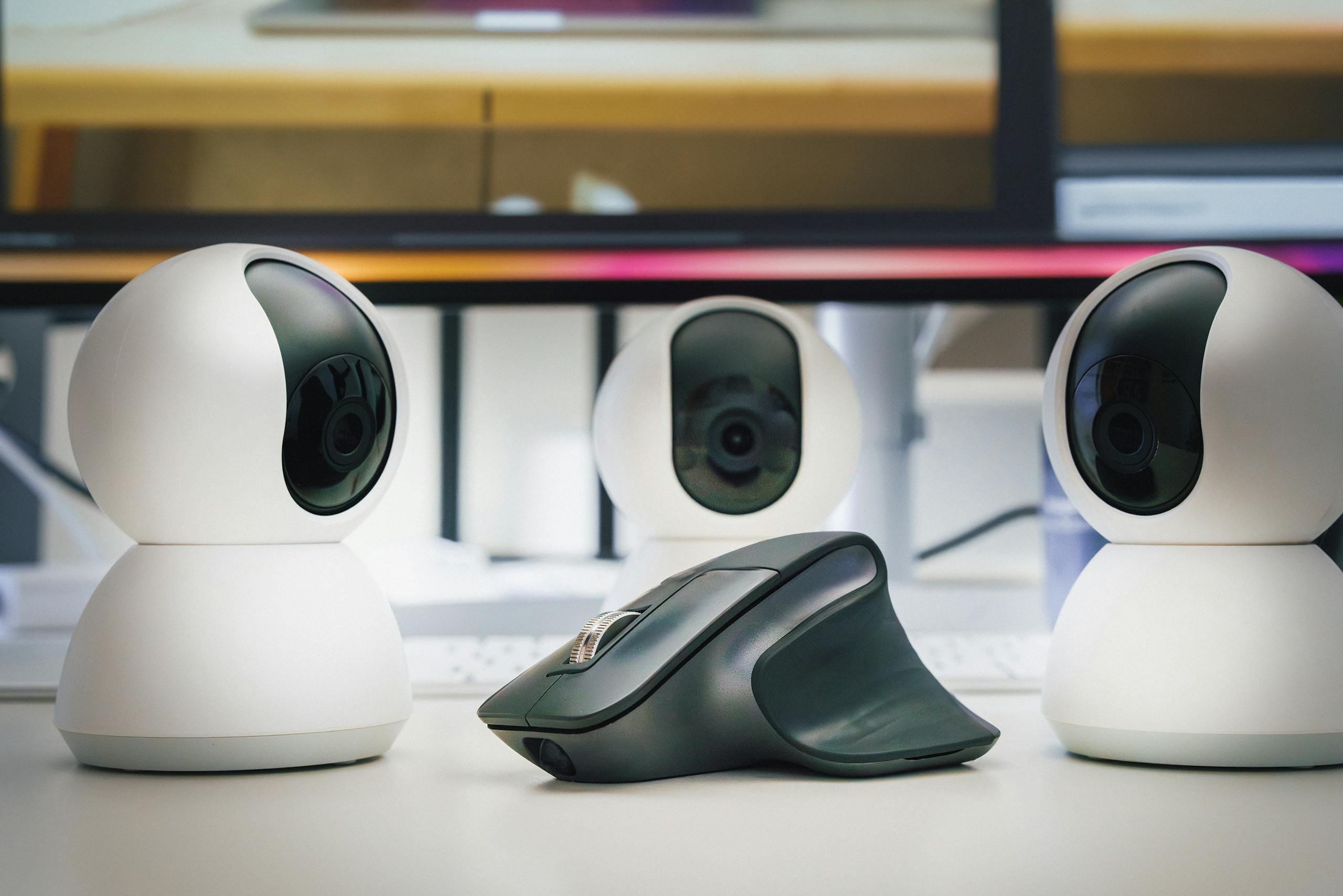
AI surveillance is one of the most troubling risks because it can quietly change the relationship between people and power. Facial recognition, biometric tracking, predictive analytics, workplace monitoring, smart cameras, and behavior-scoring tools can track people in public spaces, offices, schools, airports, stores, and online platforms.
The concern is not only that surveillance exists, but also that it is pervasive. The concern is how easily it can expand. A system introduced for security can become a tool for control. A workplace tool meant to improve productivity can begin tracking keystrokes, breaks, messages, tone, speed, and screen activity. A public safety tool can become a system that follows people through their daily lives.
Privacy does not usually disappear in one dramatic moment. It fades through small permissions that slowly become permanent infrastructure. Democratic societies must place strong limits on AI surveillance before constant monitoring becomes the price of ordinary life.
AI Can Make Cybercrime More Persuasive and Scalable

Cybercriminals are already using AI to make scams faster, cleaner, and more convincing. AI can write polished phishing emails, create fake websites, generate malicious code, imitate customer service messages, clone voices, and personalize scams using public information from social media or company websites.
This makes fraud much harder to spot. The old signs of a scam, such as awkward grammar or strange wording, are becoming less useful. A fake message can now sound professional, personal, and urgent. It may mention a real colleague, a real company project, a real invoice, or a real family detail.
Cybersecurity must now adapt to a world where attackers can automate trust. Organizations need stronger verification steps, employee training, secure payment approvals, voice fraud awareness, and AI-powered defense tools that can detect suspicious behavior before damage spreads.
AI Overreliance Can Weaken Human Judgment
AI is useful when it supports human thinking. It becomes dangerous when it replaces human judgment. Overreliance happens when people accept AI answers because they are fast, polished, and confident, even when they may be incomplete or wrong.
This risk appears in schools, offices, hospitals, law firms, newsrooms, and government agencies. Students may use AI to complete assignments without learning the material. Professionals may trust summaries without reading original documents. Managers may rely on automated performance scores instead of human conversations. Writers may lose their voice. Analysts may lose skepticism.
The safest approach is to treat AI as an assistant, not an authority. Important decisions still need human review, source checking, expert judgment, and accountability. A society that lets machines do too much thinking may gain speed but lose wisdom.
AI Could Deepen Inequality and Concentrate Power
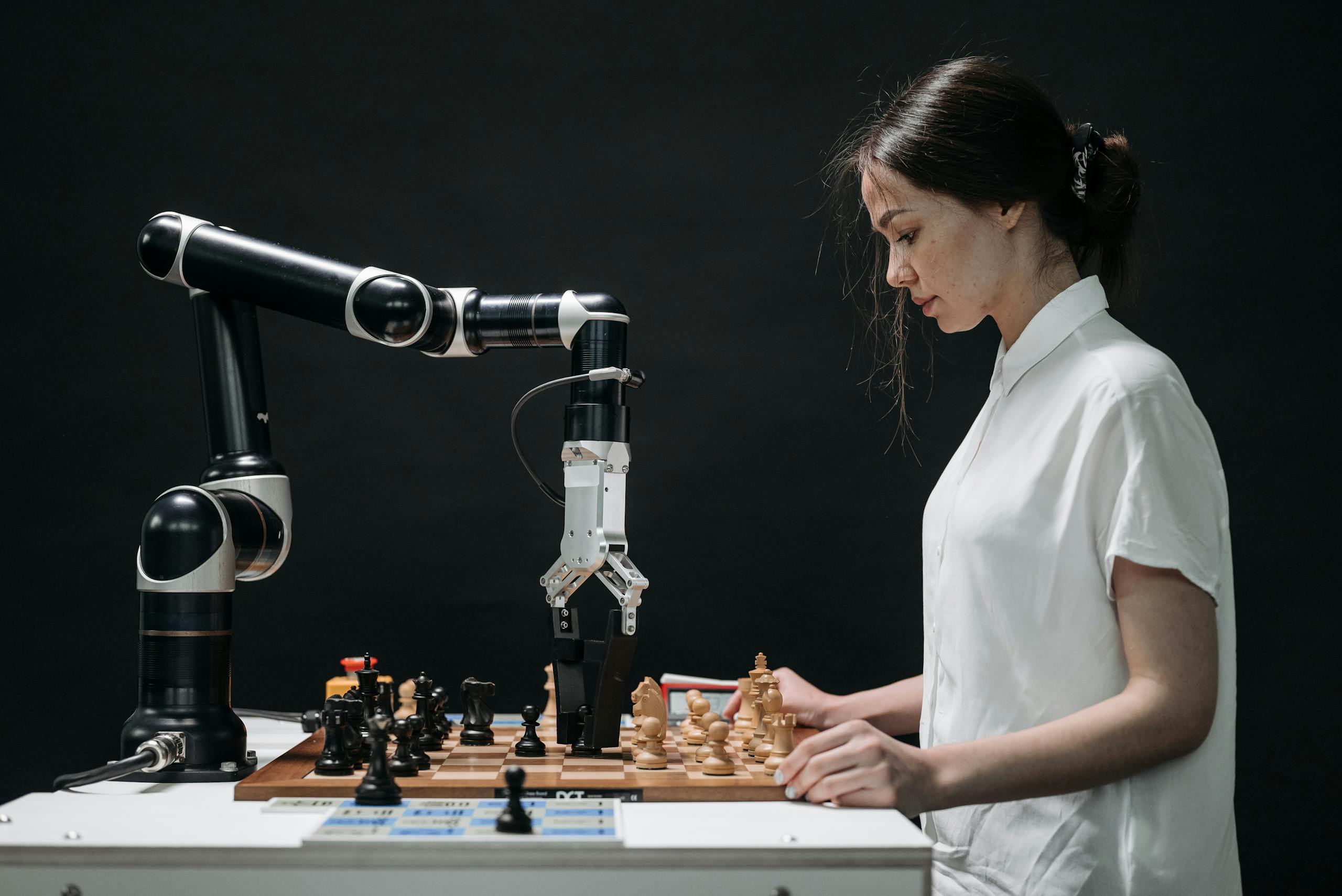
AI may create huge economic value, but the rewards may not be shared fairly. The companies with the most data, computing power, chips, cloud infrastructure, research teams, and distribution channels have a major advantage. That means a small number of powerful firms could control the systems that many businesses, schools, governments, and individuals depend on.
This creates a dangerous imbalance. Big companies can use AI to cut costs, dominate markets, personalize ads, automate operations, and shape online visibility. Smaller businesses may depend on those same companies for AI tools, search access, cloud services, and digital distribution. The result could be a market where the strongest players become even harder to challenge.
AI should not become a wealth machine for the already powerful. A fair AI economy needs competition, public-interest research, labor protections, transparent rules, and policies that keep opportunity from being locked behind corporate gates.
AI Environmental Costs Are Becoming Harder to Ignore
AI does not live in the cloud in some magical, weightless way. It depends on data centers, electricity, cooling systems, chips, water, rare materials, and global supply chains. As AI usage grows, so does the environmental pressure behind it.
Large data centers can strain local energy grids and water supplies. They can also increase demand for new infrastructure, especially in areas already dealing with resource pressure. The public often sees the convenience of AI tools but not the physical systems that power them.
Responsible AI development must include energy transparency, cleaner power commitments, water reporting, efficient model design, hardware recycling, and honest public discussion about whether every AI use case is worth its environmental cost.
How We Can Reduce the Dangers of Artificial Intelligence
AI risk can be reduced, but only if society stops treating safety as an afterthought. Companies should test systems before deployment, document how tools work, monitor real-world outcomes, and create clear responsibility when AI causes harm. Any AI used in hiring, lending, healthcare, education, policing, insurance, or public services should undergo a more rigorous review, as the stakes are too high for guesswork.
Governments must also set clear rules for high-risk AI. These rules should cover privacy, bias testing, surveillance limits, deepfake labeling, cybersecurity, human oversight, and legal accountability. Low-risk AI tools do not need the same treatment as systems that affect someone’s job, freedom, health, money, or rights.
Schools and workplaces should teach AI literacy. People need to know how to use AI, question it, verify its output, and protect private information. The safest users are not the ones who reject AI completely. They are the ones who understand both its power and its limits.
CONCLUSION
Artificial intelligence is one of the most powerful technologies of modern life, but power without accountability becomes dangerous. AI can improve medicine, education, business, research, and public services. It can also spread lies, replace workers, invade privacy, deepen inequality, and weaken human judgment.
The real question is not whether AI will shape the future. It already is. The question is whether we will shape AI with enough wisdom, courage, and discipline before its risks become permanent features of daily life.
We do not need fear to guide the future of artificial intelligence. We need responsibility. We need systems built around people, not just performance. We need innovation that respects privacy, fairness, truth, labor, creativity, and human dignity. If we get that right, AI can remain a tool. If we fail, it may become a force that decides too much for too many.