Home should feel like the one place where your shoulders drop, your breath slows, and the outside world stays outside. But sometimes, the little things we ignore around the house can quietly turn that safe place into an easy opportunity for someone with bad intentions. A dark porch, a half-open garage, a package sitting too long by the door, or a vacation post shared too soon can send the wrong message before you even realize it.
Most burglars are not looking for a challenge. They are looking for convenience, cover, and a quick way in and out without being noticed. That is why home security is not always about expensive gadgets or dramatic upgrades. Often, it starts with fixing the everyday habits that make a house look unguarded.
The good news is that small changes can make your home feel harder to approach. A cleaner yard, better lighting, locked windows, and smarter online habits can shift your home from “easy target” to “not worth the risk.” These are the common mistakes that can make a home more vulnerable, and how to correct them before they become costly.
Letting Your Yard Become a Hiding Place

A beautiful yard can boost curb appeal, but an overgrown one can create the kind of cover no homeowner wants. Tall bushes near windows, thick shrubs by the front door, and low-hanging tree branches can block visibility from the street. That means someone could move around your property without being easily seen by neighbors, drivers, or people inside the house.
The fix does not require turning your home into a bare, lifeless box. Keep shrubs trimmed below window level, prune trees that hang too close to entry points, and keep walkways open and visible. Thorny plants under windows can add an extra layer of deterrence, but the bigger goal is simple: your home should look cared for, watched, and difficult to approach unnoticed.
Treating Unlocked Doors Like No Big Deal
Many people lock up at night but get careless during the day. They leave a back door open while doing laundry, forget a side window after airing out the house, or assume a quick trip outside does not matter. That relaxed habit can become risky because an unlocked entry point removes one of the easiest barriers between your home and a break-in.
Locking doors and windows should become as automatic as grabbing your phone before leaving the house. Deadbolts, window locks, and sturdy door hardware can help, but consistency matters most. Even when you are home, especially in busy households with kids, visitors, deliveries, and daily distractions, a quick lock check can prevent a careless moment from becoming a serious problem.
Leaving Valuables in Full View
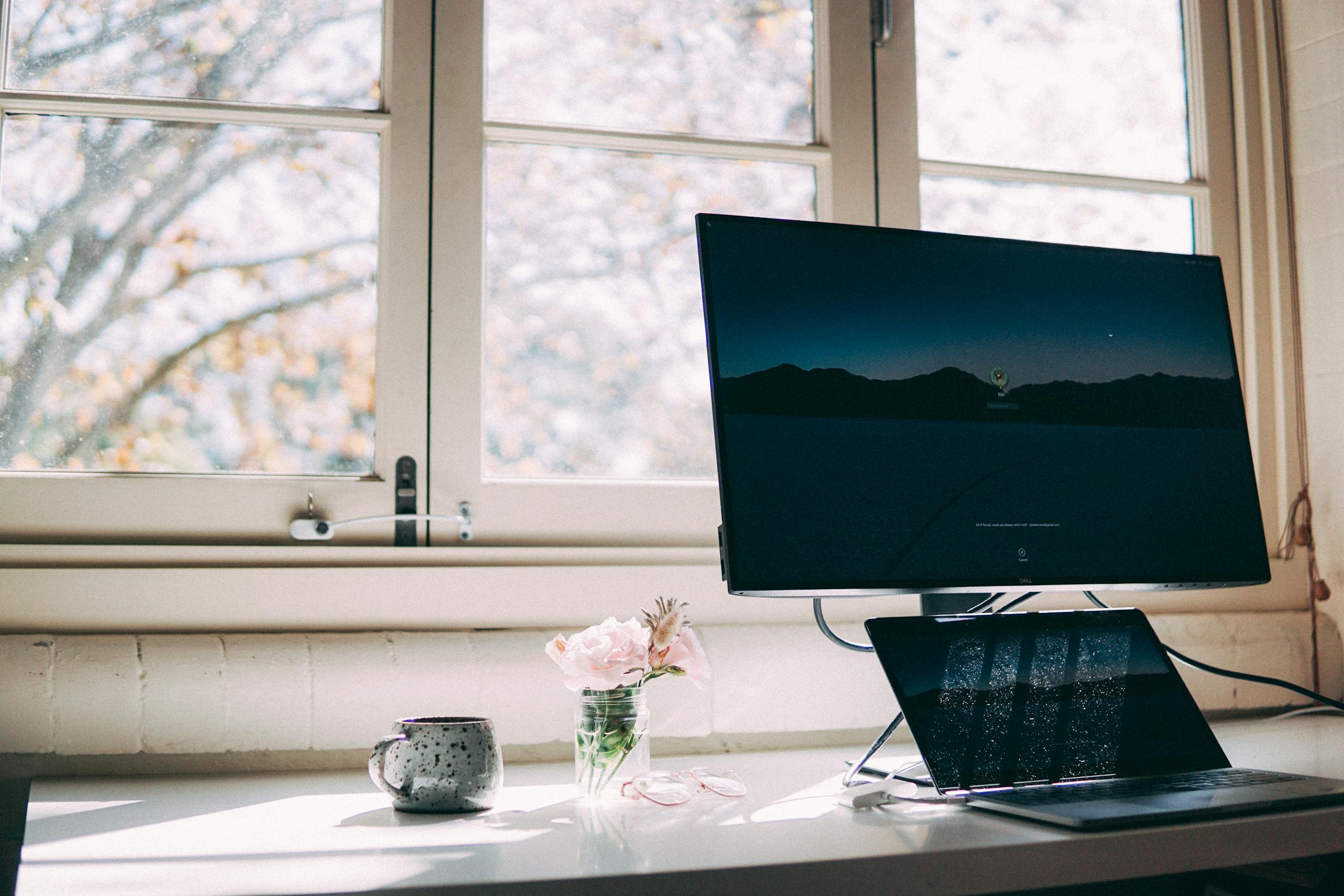
A home can accidentally advertise what is inside. A laptop glowing near the window, a gaming console visible from the sidewalk, jewelry left on a dresser, or expensive tools sitting in the garage can attract attention. Even if nobody intends to show off, clear views into the home can make valuables look too easy to spot.
Curtains, blinds, and window films are simple but powerful tools. They protect privacy and make it harder for anyone outside to take inventory of what you own. Inside the house, keep expensive items out of sight, especially near windows and glass doors. The less your home reveals, the less tempting it becomes.
Forgetting That the Garage Is Part of the House
The garage often becomes the forgotten doorway. People secure the front door but leave the garage door open while working in the yard, forget to lock the side entrance, or keep tools and bikes visible from the driveway. That is a problem because garages often hold valuable items and may also connect directly to the home.
Make it a habit to fully close the garage door, even for short tasks. Lock the interior door between the garage and the house, store tools out of sight, and check that remote openers are not left in visible spots. A garage should never feel like a loose end in your home security plan. It should be treated like one of the most important entry points on the property.
Leaving Dark Corners Around the House

Darkness can make a home feel quiet, but it can also create privacy for the wrong person. A porch with a dead bulb, a shadowy side gate, or a driveway with no lighting can make it easier for someone to approach without drawing attention. Exterior lighting does not just help you see. It tells others that the home is active and cared for.
Motion-sensor lights are especially useful near doors, garages, walkways, and side yards. They turn sudden movement into sudden visibility, which can be enough to make someone rethink approaching. Indoor timers can also help when you are away, giving the house a lived-in rhythm rather than a dark, empty look. A well-lit home does not need to look harsh or suspicious. It simply needs to look awake.
Acting Like Home Security Is Only a Solo Job
A quiet neighborhood can feel peaceful, but silence is not always safe. When neighbors do not talk, unusual activity can pass unnoticed. A strange vehicle, a suspicious knock, or someone lingering near a home may not raise concern if no one knows what is normal on the block.
You do not need to become best friends with everyone nearby to build a safer environment. A simple hello, a shared contact, or a small neighborhood group chat can create a useful safety net. When people look out for one another, suspicious behavior has less room to hide. A connected community can often notice what a camera misses.
Skipping Basic Security Tools
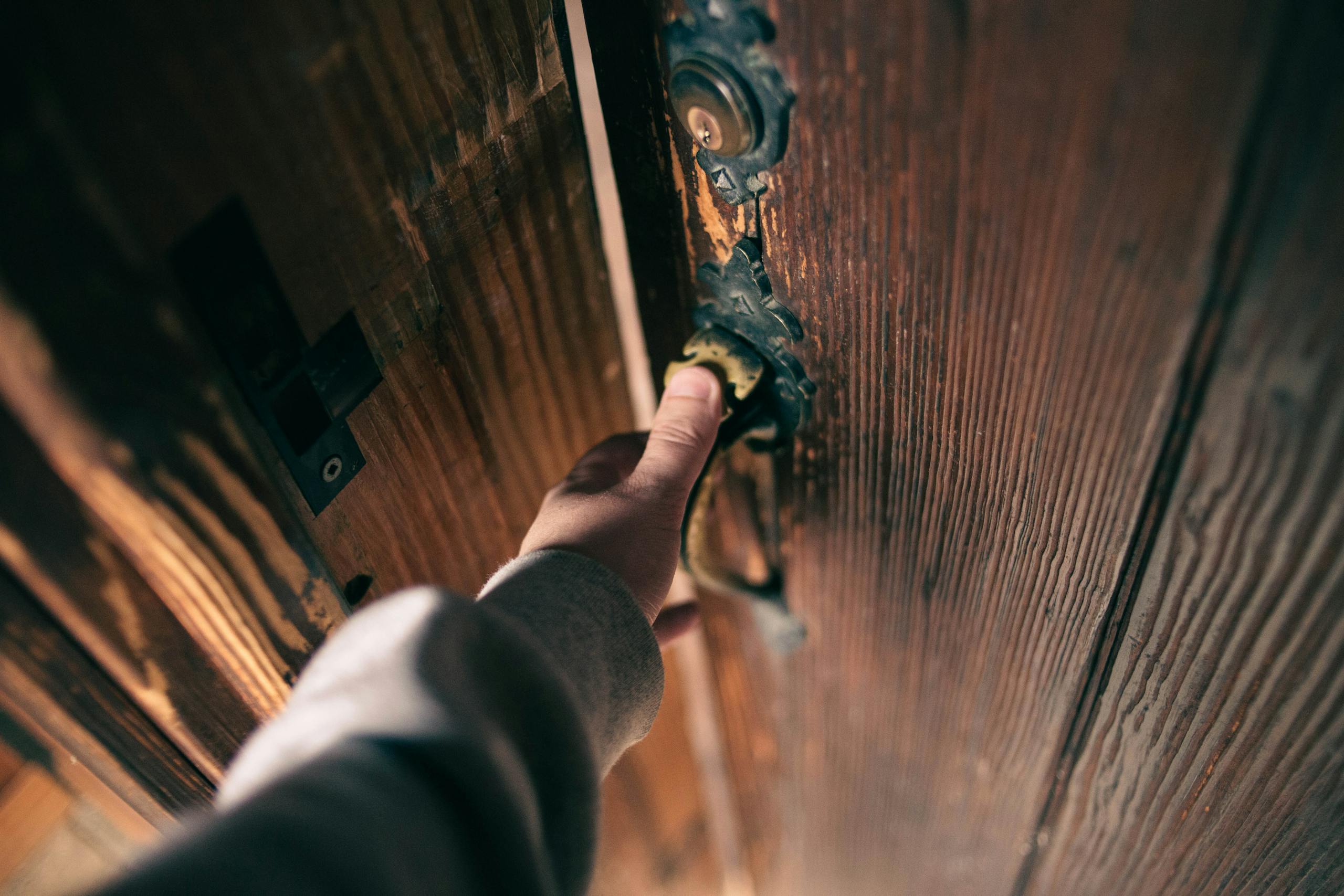
Not every home needs a complicated security setup, but having no visible security at all can make a property seem easier to test. Some homeowners avoid security systems because they assume they are too expensive, too technical, or too much trouble. That thinking can leave a home relying only on luck, routine, and hope.
There are now many levels of protection, from basic alarms and smart doorbells to cameras, sensors, and mobile alerts. The best option depends on your budget, layout, and lifestyle. Even simple visible deterrents can help show that your home is monitored and not an easy target. Security tools work best when they support good habits, not replace them.
Oversharing Your Life Online
Social media can turn private routines into public clues. Vacation photos, airport selfies, new purchase posts, and real-time updates can tell strangers more than you meant to share. A harmless post about being away for the weekend may also suggest that your home is empty.
The safer habit is to post travel updates after you return, limit who can see your personal content, and avoid sharing details about expensive items or an empty house. Privacy settings help, but they are not perfect shields. Treat your online life like part of your home security. The less predictable your schedule looks online, the better.
Conclusion
A safer home does not have to feel like a fortress. It should still feel warm, open, and lived in. The goal is not fear. The goal is awareness.
Most home security mistakes are ordinary habits hiding in plain sight. A forgotten lock, a dark porch, an open garage, or an innocent social media post can create risk without making a sound. When you correct those small habits, you protect more than your belongings. You protect the calm, private feeling that makes a house truly feel like home.