Your home probably has a few secret money pits hidden in plain sight. Maybe it’s a drawer full of kitchen gadgets that barely get used, a closet of clothes purchased for a single event, or a stack of unopened books. These are the purchases that feel small when you make them but quietly add up, silently eating into your budget and creating clutter.
The truth is, most of these “must-haves” aren’t essential at all. From trendy exercise clothing to takeout dinners, the money we spend on items we don’t actually need could be going to savings, travel, or even experiences that bring real joy. Here are ten useless things you should stop buying now, with smarter alternatives that save money and reduce clutter.
Takeout Meals That Replace Simple Home Cooking

Ordering takeout is convenient, but relying on it every week can cost hundreds of dollars monthly. Cooking in batches at home is faster than it sounds roasted chicken, simple pasta, or rice bowls can last a few days in the fridge. Investing a couple of hours in meal prep saves money, keeps food fresher, and eliminates the temptation of daily delivery apps.
Making meals at home also gives you control over ingredients, portion sizes, and nutritional quality. Store leftovers in reusable containers, freeze what you won’t eat immediately, and create a weekly rotation of easy dishes. You get the convenience without the high price tag.
Bottled Water
It’s easy to grab a bottle of water on the go, but the cost and environmental impact add up fast. A reusable bottle paired with a home water filter gives safe, clean water every day. For a one-time investment of $20 or less, you eliminate recurring costs and reduce plastic waste, which Americans use in the billions every year.
Refillable bottles are convenient, portable, and often insulated to keep water cold. Carry one in your bag, keep one at work, and always have a spare in the car. Simple changes like this save hundreds over the course of a year.
Single-Use Kitchen Gadgets
Banana slicers, avocado tools, garlic peelers, melon wedgers, the list is endless. Most of these gadgets perform a single task, and your existing knives, cutting boards, and pans already handle the job. Buying them adds clutter to drawers, takes up space, and costs money for convenience you rarely use.
Invest in versatile kitchen tools instead. A sharp chef’s knife, sturdy skillet, mixing bowls, and a good set of measuring spoons cover nearly every cooking need. Before buying another “specialty” gadget, ask yourself if it truly solves a frequent problem.
Trendy Exercise Clothing
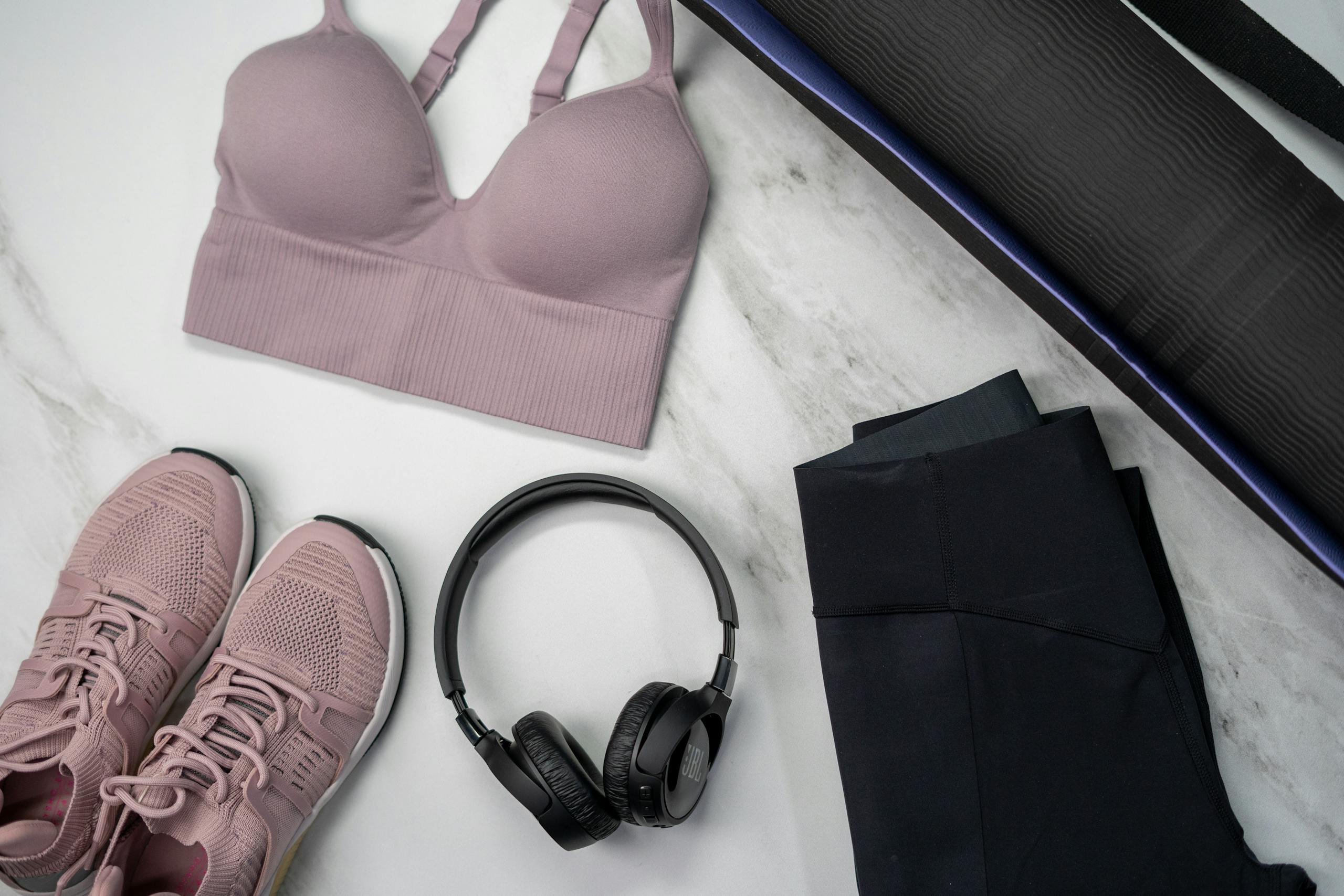
It’s tempting to buy the latest leggings, tops, and fitness shoes to feel motivated, but most people never wear them consistently. Old T-shirts and shorts often work just as well for workouts at home or at the gym. Habit-building matters more than wardrobe upgrades.
Once a consistent routine is established, investing in a few quality pieces makes sense. Until then, avoid spending money on trendy exercise clothes that sit in the drawer after a single sweaty session.
Lottery Tickets
The lottery can feel like a harmless indulgence, but the odds are overwhelmingly against you. Buying tickets regularly adds up, silently eating into your budget for a dream that almost never materializes. Americans spend billions on lottery tickets each year despite the winning chances being nearly impossible.
If you want a little thrill, buy tickets occasionally, using only money that is already disposable. Otherwise, redirect those funds to savings, investments, or experiences that provide real returns.
New Cars
A brand-new car loses value the moment it leaves the dealership. Depreciation often exceeds 10% in the first few months, and within five years, some vehicles lose more than half their value. Used cars in good condition, especially ones that are a year or two old, often provide better affordability and reliability.
The key is researching maintenance history, safety records, and insurance costs. A lightly used vehicle keeps transportation costs manageable without sacrificing quality, while a new car can be a budget trap that starts draining money immediately.
Fancy Bath and Body Products
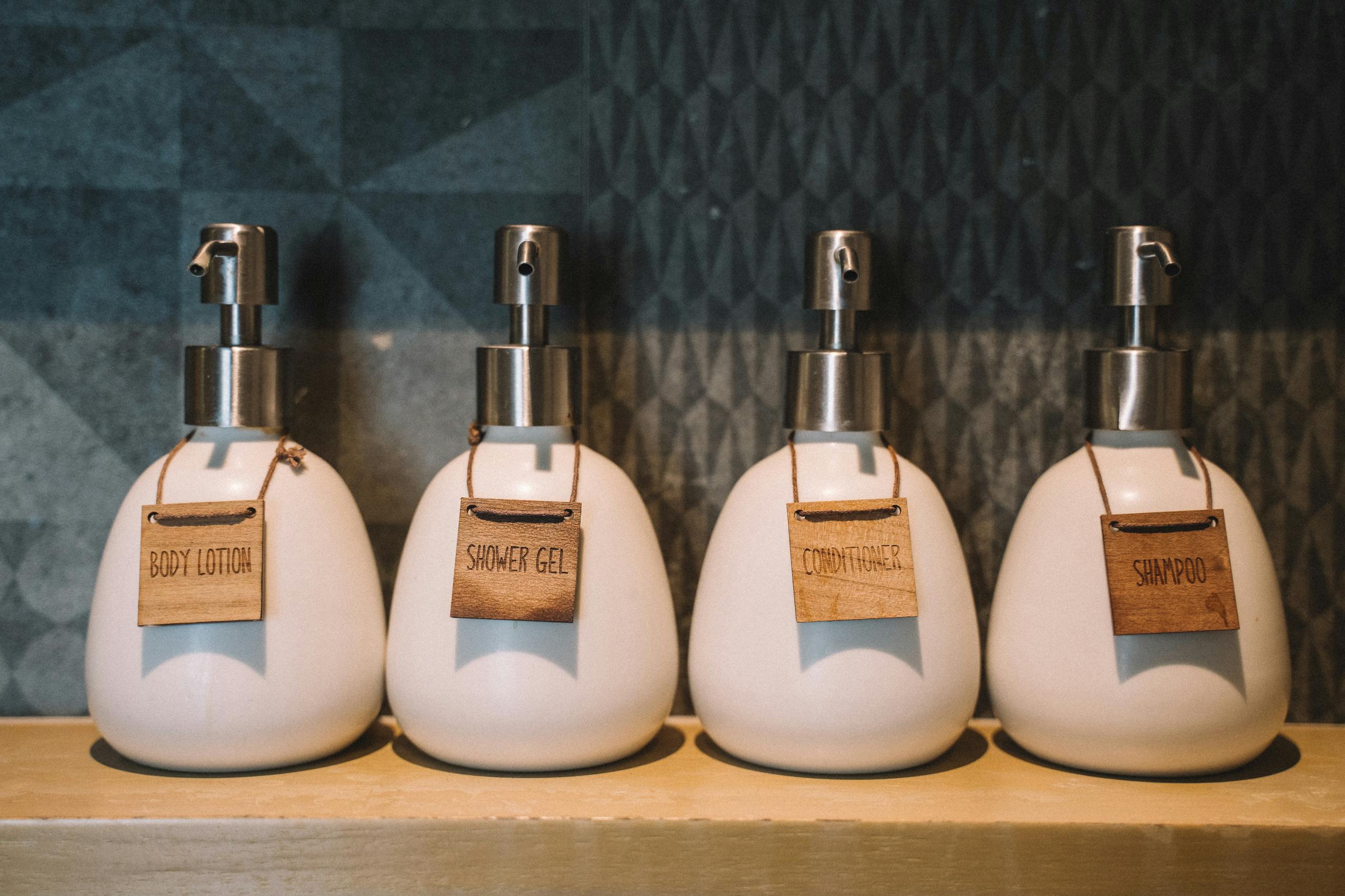
Luxury soaps, scrubs, bath bombs, and lotions promise indulgence, but most expire before they’re used up. Simple essentials achieve the same hygiene benefits without cluttering your bathroom or wasting money. Minimalist routines are just as satisfying, often more practical, and far less expensive.
A homemade scrub or a basic body wash paired with moisturizer does the job. Reserve high-end products for special occasions, not everyday use, and you’ll save space and cash.
Formalwear for Rare Events

Expensive dresses, tuxedos, and event-specific shoes are usually worn once and forgotten. Renting or borrowing formalwear lets you attend weddings, galas, and parties without the high cost or closet clutter.
Focus on versatile basics that can handle multiple occasions. A classic suit, simple dress, and polished shoes often cover every event you’ll attend in a year, making a large formalwear wardrobe unnecessary.
Multivitamins Without a Real Need
Daily multivitamins for otherwise healthy adults often provide little measurable benefit. Nutrients are better absorbed from whole foods, and most people can get everything they need from a balanced diet. Supplements make sense only when prescribed for deficiencies, pregnancy, or specific health conditions.
Prioritize fresh vegetables, fruits, lean proteins, and whole grains. A multivitamin should fill a gap, not act as a substitute for real nutrition.
Disposable Straws and Rags
Single-use items like straws and cleaning cloths may seem insignificant, but recurring purchases quietly add up. Reusable straws and repurposed textiles, such as old T-shirts or towels, save money and reduce waste.
For cleaning, old cloths work just as well as store-bought rags. For drinks, reusable metal or silicone straws eliminate the need to repurchase straws. These small swaps multiply savings over time and reduce clutter.
Conclusion
Cutting these ten categories from your spending can free hundreds of dollars each year while reducing clutter. Smarter purchases mean more money for experiences, travel, savings, and items you truly need. The smartest purchase may just be the one you don’t make at all.