A home can drain money in small, sneaky ways. A dripping faucet, a drafty door, a running toilet, a cracked wall, or a loose cabinet hinge may look harmless for a few weeks, then quietly turn into bigger bills. The good news is that many basic home repairs do not require a contractor, a truck full of tools, or the confidence of a television renovation host. They require patience, the right supplies, and a clear line between safe DIY work and jobs that belong to licensed professionals.
Addressing small fixes promptly is key to preventing larger problems. For example, handling issues as soon as they arise often leads to significant savings.
Fix a running toilet before it wastes water for weeks.

A running toilet is one of the most irritating and wasteful home problems because it often hides behind a closed bathroom door. The EPA notes that household leaks waste nearly 1 trillion gallons of water annually nationwide, and older Water Sense leak facts state that the average household’s leaks can account for more than 10,000 gallons of wasted water each year. Ten percent of homes have leaks, wasting 90 gallons or more per day. A toilet that runs constantly deserves quick attention. US EPA
Most running toilets come from a worn flapper, a chain problem, a float issue, or a faulty fill valve. We remove the tank lid, check whether the flapper seals properly, and listen for water trickling into the bowl. If the flapper is warped, slimy, stiff, or cracked, replacing it is usually simple. We shut off the water, flush the tank empty, unhook the old flapper, attach the new one, and adjust the chain so it has slight slack. If water rises too high, we adjust the float or fill valve. This is a classic DIY repair because the parts are cheap, the job is visible, and the savings begin immediately.
Unclog toilets and drains with the correct tools
A clogged toilet does not automatically require a plumber. The first tool should be a flange plunger, not a flat sink plunger. The flange creates a better seal inside the toilet drain. We should add enough water to cover the plunger cup, press down gently to remove trapped air, then plunge with controlled force while keeping the seal intact. Wild plunging splashes dirty water, and often works worse.
If plunging fails, a toilet auger can clear clogs deeper in the trap without scratching the bowl when used carefully. For sinks and tubs, we can remove hair near the drain with a plastic drain tool, clean the stopper, and use a small hand snake. Chemical drain cleaners should be used cautiously because they can damage pipes, irritate skin and lungs, and create a risk for anyone who later opens the drain. The best long-term repair is prevention. Hair catchers, grease discipline, and monthly drain cleaning with safe mechanical methods beat emergency panic.
Paint rooms with clean prep instead of expensive shortcuts
Painting is one of the highest-impact DIY home repairs because it changes the entire mood of a room. The mistake is thinking paint solves everything. Paint reveals bad prep. It shows dust, grease, roller marks, rough patches, unfilled holes, and careless cutting. We get better results when we wash walls, patch flaws, sand rough spots, tape carefully, prime where needed, and use quality brushes and rollers.
We should cut in around trim and corners before rolling the wall, then keep a wet edge to reduce lap marks. Two thin coats usually look better than one thick coat. Neutral colors can help future resale, but the bigger money saver is maintenance. Paint protects surfaces from grime and minor moisture exposure. A freshly painted wall after drywall repair, caulk touch-ups, and trim cleaning makes the home look more valuable without paying for a major renovation.
Tighten loose cabinet doors, handles, and hinges.
Cabinets take daily abuse. Doors slam, screws loosen, knobs wobble, and hinges drift out of alignment. A loose cabinet can look like poor workmanship, but the fix may be as simple as tightening hinge screws or adjusting the hinge plate. Modern concealed hinges often have small adjustment screws that move the door up, down, left, right, in, or out. We should make small changes, close the door, check the reveal, and adjust again.
If screw holes are stripped, we can fill them with wood glue and toothpicks or a proper dowel, let the filler set, and drive the screw back into stronger material. For handles and pulls, thread-locking compound can prevent repeated loosening, especially on frequently used drawers. This repair saves money because hiring someone for a handful of loose doors often triggers a minimum service fee for work that takes minutes.
Replace a showerhead for better comfort and lower waste.
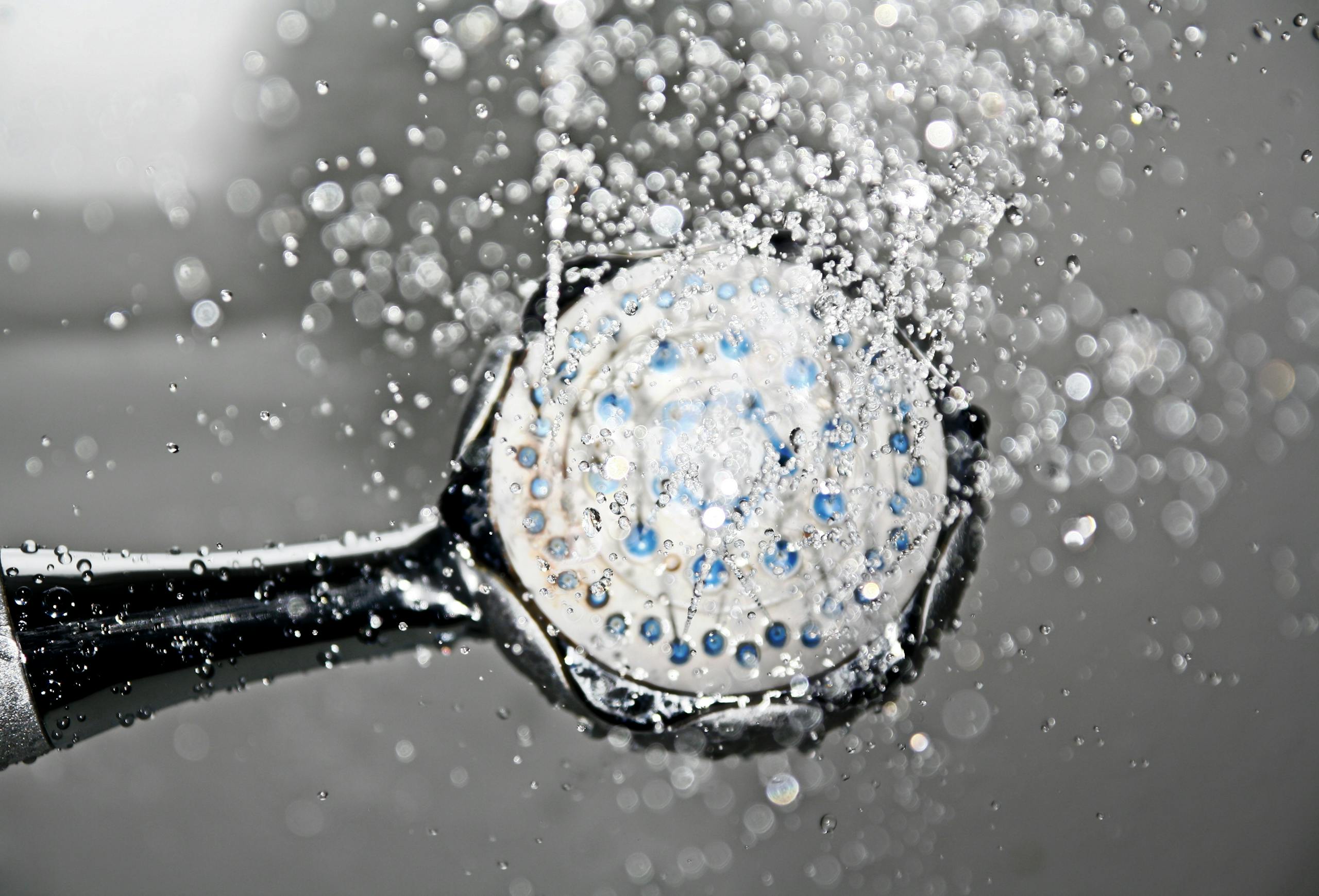
A weak, crusty showerhead can make a bathroom feel older than it is. Replacing one is usually straightforward. We unscrew the old showerhead, clean mineral buildup from the shower arm threads, wrap fresh plumber’s tape clockwise around the threads, and tighten the new showerhead by hand before gently snugging it with a wrench if needed. A cloth over the fitting prevents scratches.
This small upgrade can improve water flow, reduce spray waste, and make the shower feel cleaner. The EPA Water Sense program also promotes water-efficient fixtures that reduce waste without sacrificing performance. The repair is quick, but the comfort gain is real. We should check for leaks at the connection after installation and avoid overtightening, which can damage threads or crack fittings.
Clean gutters and downspouts before water attacks the house.
Gutters protect roofs, fascia, siding, foundations, basements, and landscaping by moving water away from the home. When leaves, grit, and debris block that path, water spills over the edge or backs up under the roof materials. Cleaning gutters is not glamorous, but it can prevent expensive moisture problems. We should use gloves, a stable ladder, a scoop, a bucket, and a hose to flush the downspouts after removing debris.
Ladder safety matters more than speed. Falls are a serious DIY risk, and research on ladder-related falls has repeatedly connected injuries to slips, ladder movement, missteps, and unsafe setup. We should place ladders on firm, level ground, avoid overreaching, keep three points of contact, and skip the job during wind, rain, or fatigue. If a roofline is high, steep, or awkward, hiring a gutter professional is cheaper than an emergency room visit. PubMed
Replace damaged door sweeps and thresholds.
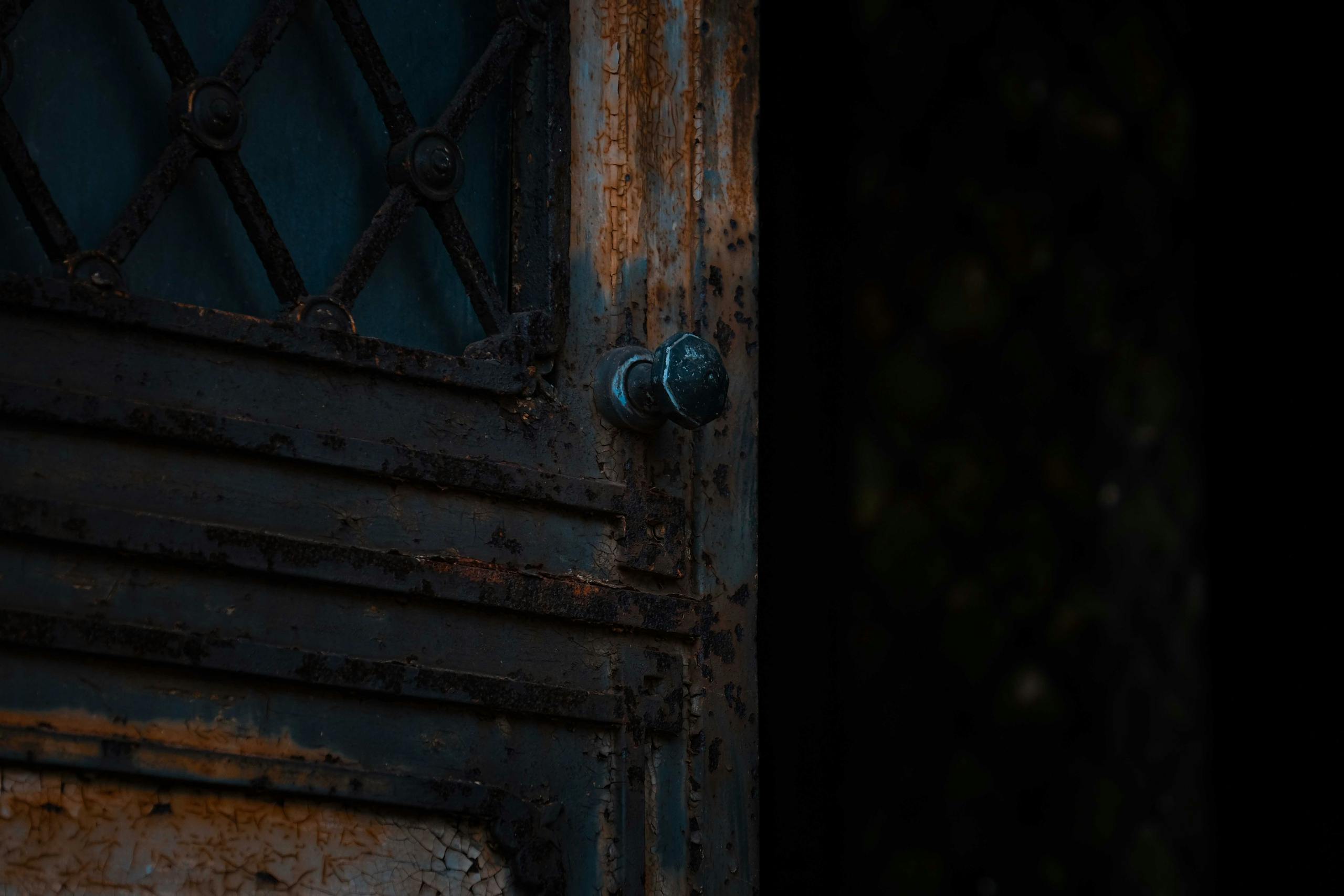
A worn door sweep invites drafts, insects, dust, and water. The repair is simple but often ignored. We inspect the bottom of exterior doors for visible daylight, cracked rubber, dragging metal, or missing bristles. Then we remove the old sweep, measure the door width, cut the new sweep if needed, and install it so it seals the gap without making the door hard to close.
Thresholds also deserve attention. If the threshold is adjustable, small screws may raise or lower the seal point. If it is rotted or loose, replacement may be needed. A tight entry door improves comfort and keeps the home cleaner. Paired with weatherstripping, it becomes part of the same energy-saving strategy recommended by ENERGY STAR and the Department of Energy.
Fix nail pops and trim gaps for a cleaner interior.
Nail pops happen when drywall fasteners shift and push the compound outward. They create small bumps that make walls look older and poorly finished. We should not simply hammer the bump and paint over it. A better repair is to press the drywall tight with a new screw near the pop, remove loose compound, set the old fastener if needed, cover the spot with joint compound, sand, prime, and paint.
Trim gaps are also easy to fix. Paintable caulk can close thin lines between baseboards, crown molding, door trim, and walls. For wider gaps, backer rod may be needed before caulk. This detail work matters because clean trim makes a room feel finished. It also gives DIY beginners a safe way to practice precision without taking apart anything critical.
Maintain appliances with simple cleaning and inspection.
Some of the best home repairs are really maintenance habits. We can clean dryer lint from the screen and vent path, vacuum refrigerator coils, clear dishwasher filters, inspect washing machine hoses, descale faucets, clean range hood filters, and check appliance seals. These small tasks support performance and may reduce the chance of expensive breakdowns.
Dryer vent cleaning deserves special respect because lint buildup can reduce efficiency and create fire risk. Refrigerator coils also matter because dusty coils force the appliance to work harder. We should schedule these jobs every few months instead of waiting for symptoms. A home that is cleaned, inspected, tightened, and sealed regularly costs less to own than one that only gets attention after something fails.
Create a monthly DIY home repair checklist.

A repair checklist saves money because it turns home maintenance into routine observation. We should walk the house once a month and look for drips, stains, drafts, cracks, loose handles, slow drains, running toilets, damaged caulk, soft flooring, musty smells, flickering lights, and exterior drainage problems. The point is not fear. The point is early action.
Conclusion
DIY home repair saves money fastest when we focus on the small problems that create repeat expenses. A running toilet, leaky faucet, drafty door, cracked caulk line, clogged drain, torn screen, nail hole, squeaky hinge, or loose cabinet rarely needs panic. These repairs reward steady hands, careful prep, and the discipline to fix things before they grow.
The real win is not just the cost of one avoided service call. It is the confidence to maintain a home with sharper eyes. We learn what normal looks like, notice trouble earlier, and spend money where it actually matters. A frugal homeowner does not ignore repairs. A frugal homeowner handles the safe ones quickly, documents the serious ones, and calls the right expert before damage spreads.