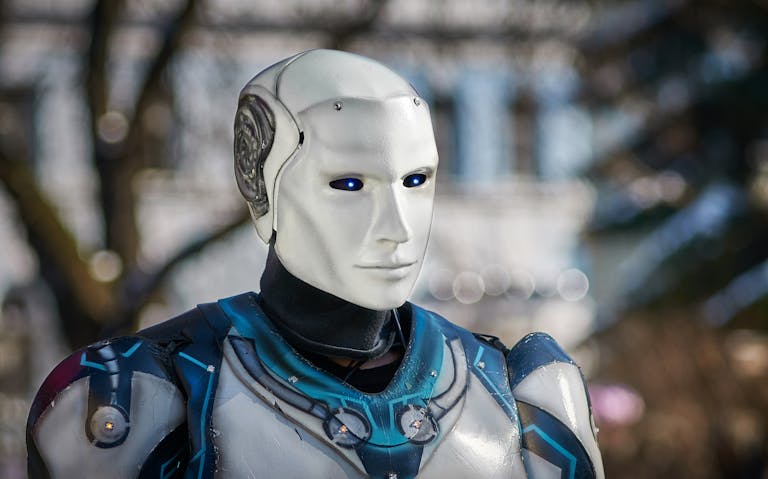
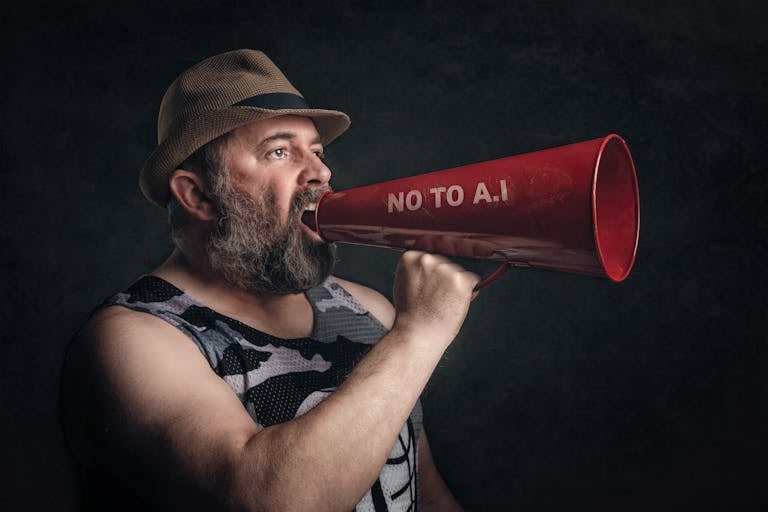
Artificial Intelligence (AI) has transformed countless industries, revolutionizing everything from healthcare to entertainment. However, with great power comes great responsibility, and the rapid development of AI has led to numerous ethical, legal, and societal controversies. Here are 10 AI-related incidents that sparked public outcry and raised serious concerns about the future of this technology.
The Wizard of Oz Technique

In the world of AI, deception can sometimes be the name of the game. Several tech giants have been caught using the so-called “Wizard of Oz” method to fool users into thinking they were interacting with advanced AI systems when, in fact, human workers were behind the scenes. Companies like Facebook and Expensify were exposed for using human agents to handle tasks such as virtual assistance and scheduling, even though they claimed they were AI-powered. While this approach was intended to test the market and gauge demand, it raised serious privacy concerns because personal data was shared with third parties without users’ knowledge.
The CIA’s AI Interrogation Program
In the 1980s, the CIA experimented with AI in interrogation methods, which has since become a subject of controversy. They employed a rudimentary AI program called “Analiza,” designed to analyze an agent’s responses and suggest appropriate follow-up questions or threats. While the goal was to make interrogations less violent, it raised alarming ethical concerns about removing the human touch in such high-stakes situations. The question remains: can AI ever replace human compassion in such sensitive areas without dehumanizing the process?
North Korea’s Use of AI to Fund Its Regime
North Korea has long been known for its secretive nature and controversial activities, and it turns out they’ve leveraged AI in a nefarious way. The North Korean government has used AI-driven automation to generate fake job applications under multiple aliases, leading to remote job opportunities with U.S.-based companies. The funds generated through these jobs have been used to support the regime, raising questions about how governments may exploit AI for malicious purposes. This unsettling revelation has caused alarm among tech firms and governmental agencies worldwide.
Deepfake Scams

AI-generated deepfake technology, which creates realistic fake videos, has already led to massive financial fraud. In early 2024, a finance worker at the engineering firm Arup fell victim to a deepfake scam, sending $25 million to fraudsters who had posed as his CFO. Despite receiving a suspicious email request, the worker was persuaded to proceed after a video call with a deepfake version of the CFO. This incident highlights the growing danger of deepfake technology, which can easily be weaponized for criminal purposes, threatening individuals and businesses alike.
Hollywood’s AI Fear
The entertainment industry experienced a massive upheaval in 2023 when writers and actors went on strike to safeguard their jobs against the threat of AI. Writers feared that studios would turn to AI-generated scripts and adaptations, drastically reducing their compensation. Meanwhile, actors were concerned about AI recreating their likenesses through deepfake technology, which could be used indefinitely without their consent. These strikes reflected the anxiety that many industries have about AI replacing human jobs, and they marked a turning point in how we view the role of technology in creative fields.
Copyright Theft
AI models require vast amounts of data to “train” and generate content. This has led to growing concerns about copyright infringement, as some AI companies use copyrighted material without the creators’ permission. Microsoft AI’s Mustafa Suleyman has even claimed that AI training should be considered “fair use,” sparking intense debate over intellectual property rights. This raises the question: should AI companies be allowed to freely utilize content without compensating the creators whose work feeds into their models?
AI Hallucinations

One of the most troubling issues with AI is its tendency to “hallucinate,” generating false or inaccurate information. In 2024, a Canadian lawyer found this out the hard way when ChatGPT fabricated legal case references, which she then presented to the court. The result was a potential miscarriage of justice. This incident serves as a warning of the dangers posed by AI in fields like law, where misinformation can have serious consequences.
AI in the Workplace
AI’s intrusion into the workplace has also raised significant ethical concerns, particularly with its role in employee surveillance and firings. Amazon has been accused of using AI to monitorworkers’ productivity and automatically issue warnings or even terminate employees based on algorithmic assessments. Critics argue that this system dehumanizes workers, replacing the empathetic judgment of human supervisors with impersonal, rigid algorithms. It has sparked debates about the limits of AI in managing human labor.
Racial Bias in AI
AI-powered facial recognition technology has been found to exhibit significant racial biases, particularly when identifying individuals with darker skin tones. A 2018 study found that AI systems had up to a 10 times higher error rate when identifying black women compared to white women. This racial disparity has led to widespread criticism of facial recognition technology, especially in law enforcement, where the risk of wrongful arrests is a serious concern. As a result, some cities have taken steps to ban facial recognition, while others have called for stricter regulations.
AI and Mental Health
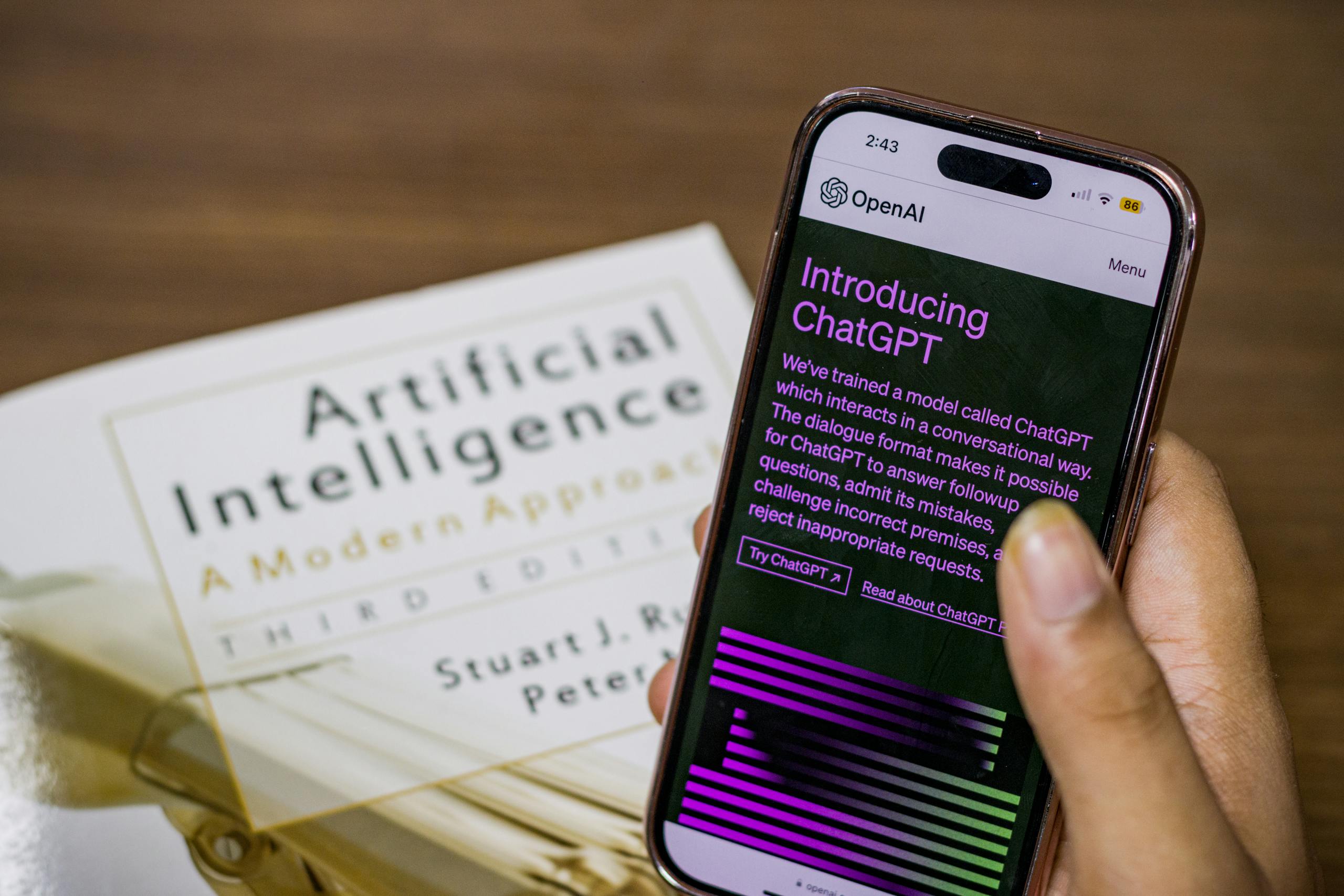
While AI is praised for its many advancements, some experts argue that it poses a serious threat to mental health. Studies have shown that excessive interaction with AI-powered devices can lead to feelings of loneliness, anxiety, and depression. Additionally, the increasing reliance on AI could potentially reduce human-to-human interactions, further exacerbating feelings of isolation. As we continue to integrate AI into our daily lives, it’s crucial to consider the long-term effects it may have on our emotional well-being.
Conclusion
As AI continues to evolve, it brings both immense potential and significant risks. The controversies surrounding AI serve as a reminder that we must tread carefully as we develop and deploy these powerful technologies. While AI can undoubtedly bring about positive change, it is vital to ensure that ethical considerations, privacy rights, and human dignity are protected along the way. The future of AI is uncertain, but by addressing these controversies head-on, we can shape a world where technology serves humanity rather than the other way around.