The day starts at a drive-thru window, a gas station cooler, or a kitchen counter where the coffee creamer pours like a small reward. By lunch, there may be a soda beside the fries, a bottled tea in the cupholder, or an energy drink waiting to rescue the afternoon.
Most Americans know food can wreck a diet. Drinks feel sneakier. They go down fast, look harmless, and often come wrapped in words like natural, clean, zero, vitamin, refreshing, or homemade.
That is what makes popular drinks so dangerous to everyday health. They rarely feel like a meal, but they can carry enough sugar, caffeine, additives, alcohol, or calories to leave the body bloated, tired, wired, hungry, or craving more.
The problem is not one soda, one latte, or one smoothie. The trouble starts when these drinks become daily comfort disguised as hydration.
Popular Drinks Loaded With Sugar

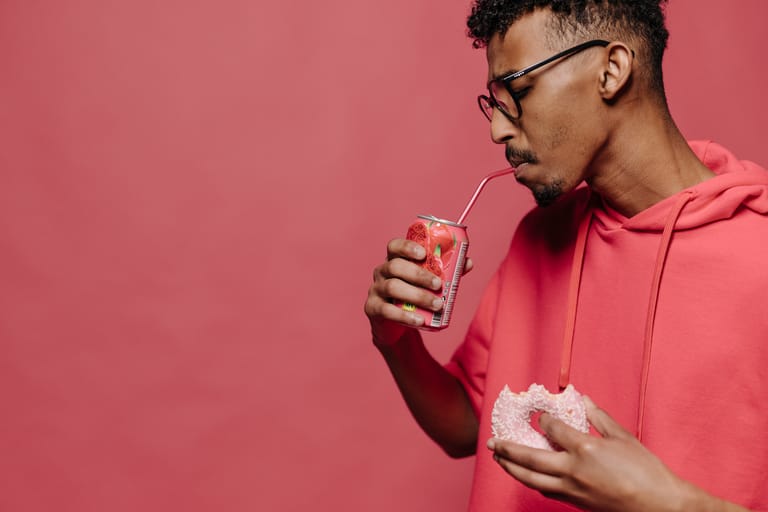
Sugary drinks are everywhere in American life. Soda, sports drinks, fruit punches, sweet teas, lemonades, flavored coffees, and fountain drinks often seem like normal parts of meals, errands, school events, and road trips.
The health problem builds quietly because liquid sugar does not make most people feel full for long. Frequent intake has been linked with poor diet quality and weight-related risks, which is why sugary drink intake deserves more attention than many shoppers give it.
Coffee Shop Drinks
Coffee itself is not the villain. The problem starts when coffee becomes a milkshake wearing a business suit. Syrups, whipped cream, sweet foam, flavored drizzles, creamers, and oversized cups can turn a morning drink into a dessert before 9 a.m.
That daily habit can make people feel like they are “just having coffee” while their body is handling a sugar bomb. The crash often arrives later as fatigue, hunger, irritability, or another craving. A smaller size, less syrup, plain milk, or unsweetened coffee can keep the ritual without turning breakfast into candy.
Energy Drinks
Energy drinks know exactly how tired Americans are. They promise focus, power, hustle, gaming stamina, gym energy, late-shift survival, and a second personality by 3 p.m.
The catch is that many are heavy on caffeine, sugar, or stimulant blends that can push the body too hard. Too much caffeine can cause anxiety, sleep problems, a fast heartbeat, and other issues, especially for younger people, which makes energy drink caffeine a real concern rather than a harmless boost.
Bottled Teas
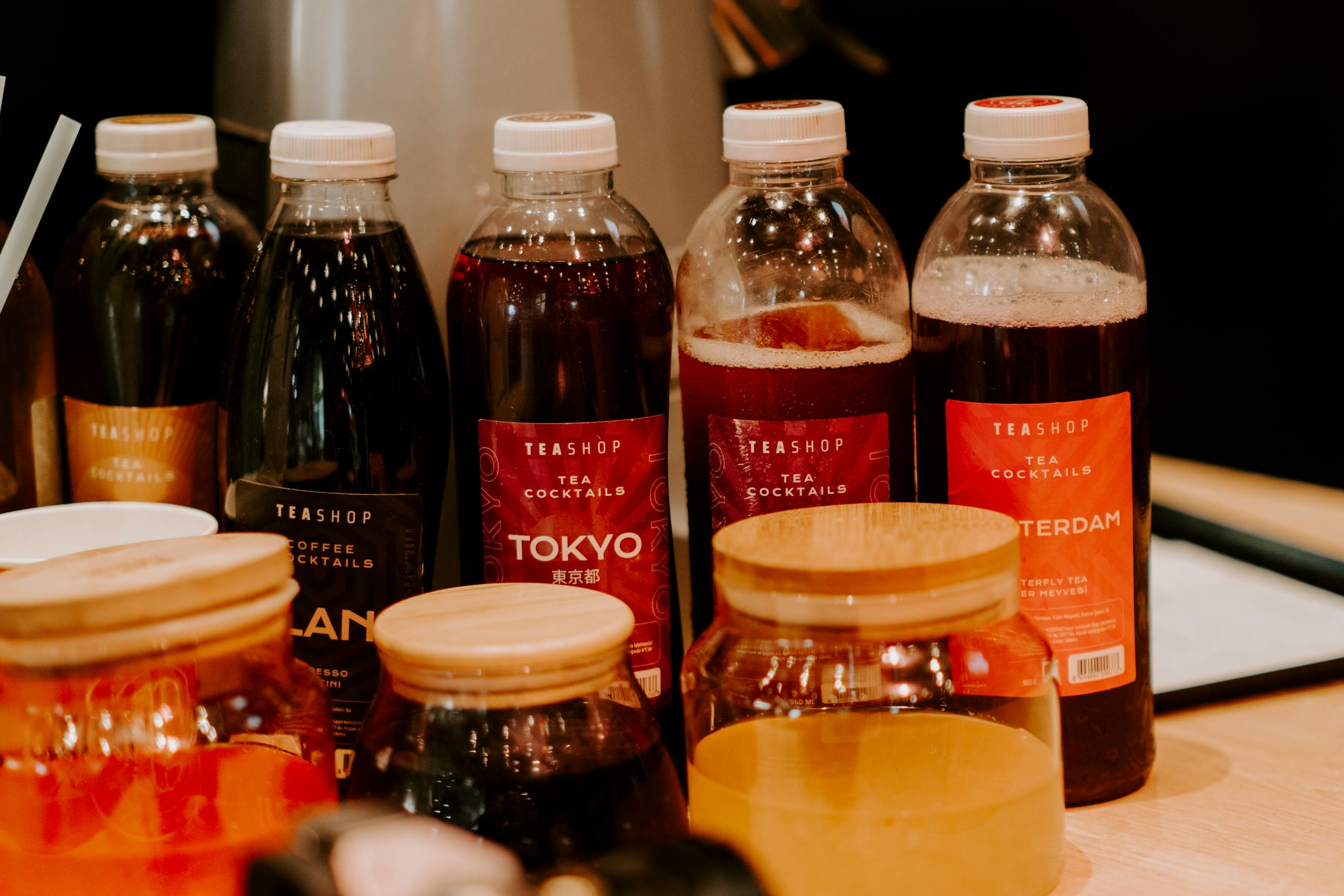
Tea sounds peaceful. It sounds like something a grandmother would approve of, something clean and calm beside a salad or sandwich. Bottled tea uses that reputation beautifully.
Many bottled teas are closer to soft drinks than to brewed tea because they can contain a heavy dose of added sugar. The label may show leaves, fruit, and sunshine, but the nutrition panel tells the real story. Unsweetened tea is a better bet when the goal is refreshment instead of a sugar crash in polite packaging.
Sports Drinks
Sports drinks make sense for intense exercise, long workouts, heavy sweating, or certain recovery needs. The issue is that many people drink them while sitting at desks, driving, gaming, watching TV, or walking through a grocery store.
For everyday thirst, these drinks can add sugar and sodium that the body may not need. The bright colors and athletic branding make them feel active, even when the drink serves the company’s marketing more than the person’s health. Water handles most ordinary thirst just fine.
Alcoholic Drinks
A glass of wine, beer, cocktail, hard seltzer, or nightcap can feel like the official closing ceremony of a hard day. Many adults use alcohol to soften work stress, family tension, money worries, or loneliness.
The danger is that relaxation can turn into routine before anyone calls it a problem. Drinking too much can affect the brain, liver, heart, immune system, sleep, and more, so alcohol health risks should not be ignored just because the drink looks classy in a glass.
Fruit Juices
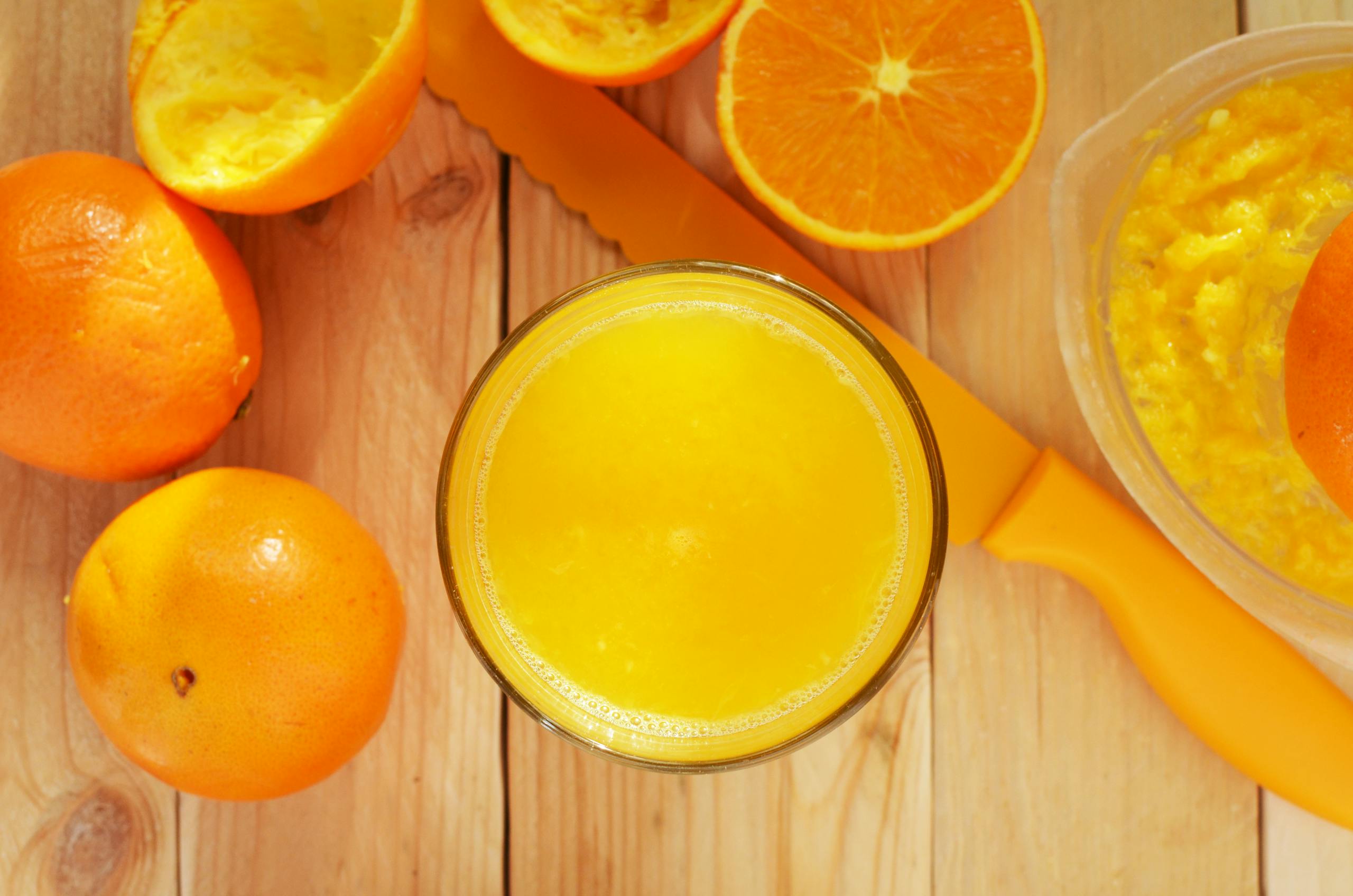
Fruit juice feels innocent because fruit is healthy. That logic makes many parents and adults feel comfortable pouring big glasses of juice with breakfast, lunch, or snacks.
The problem is that juice removes much of the chewing and fullness that whole fruit provides. It can also deliver sugar quickly, even when it is 100 percent juice. Pediatric guidance on fruit juice shows why portion size matters, especially for children.
Diet Drinks
Diet soda and zero-sugar drinks can help some people cut calories from regular soda. That can be useful. The issue is that many people treat them like a free pass to keep a sweet drink habit going all day.
For some, the constant sweetness keeps the taste buds trained to expect dessert-level flavor from every drink. That can make plain water feel boring and real food less satisfying. Even when calories are low, the habit may still keep cravings in charge.
Flavored Waters
Flavored water sounds like the adult answer to soda. It looks lighter, cooler, and more disciplined in the grocery cart. Some versions are genuinely simple and helpful for people trying to drink more water.
Others come with sweeteners, acids, colors, caffeine, or “wellness” claims that deserve a closer look. The bottle may say hydrate, balance, or boost, but the ingredient list is where the truth lives. A drink can be better than soda and still not be as clean as the front label suggests.
Smoothies
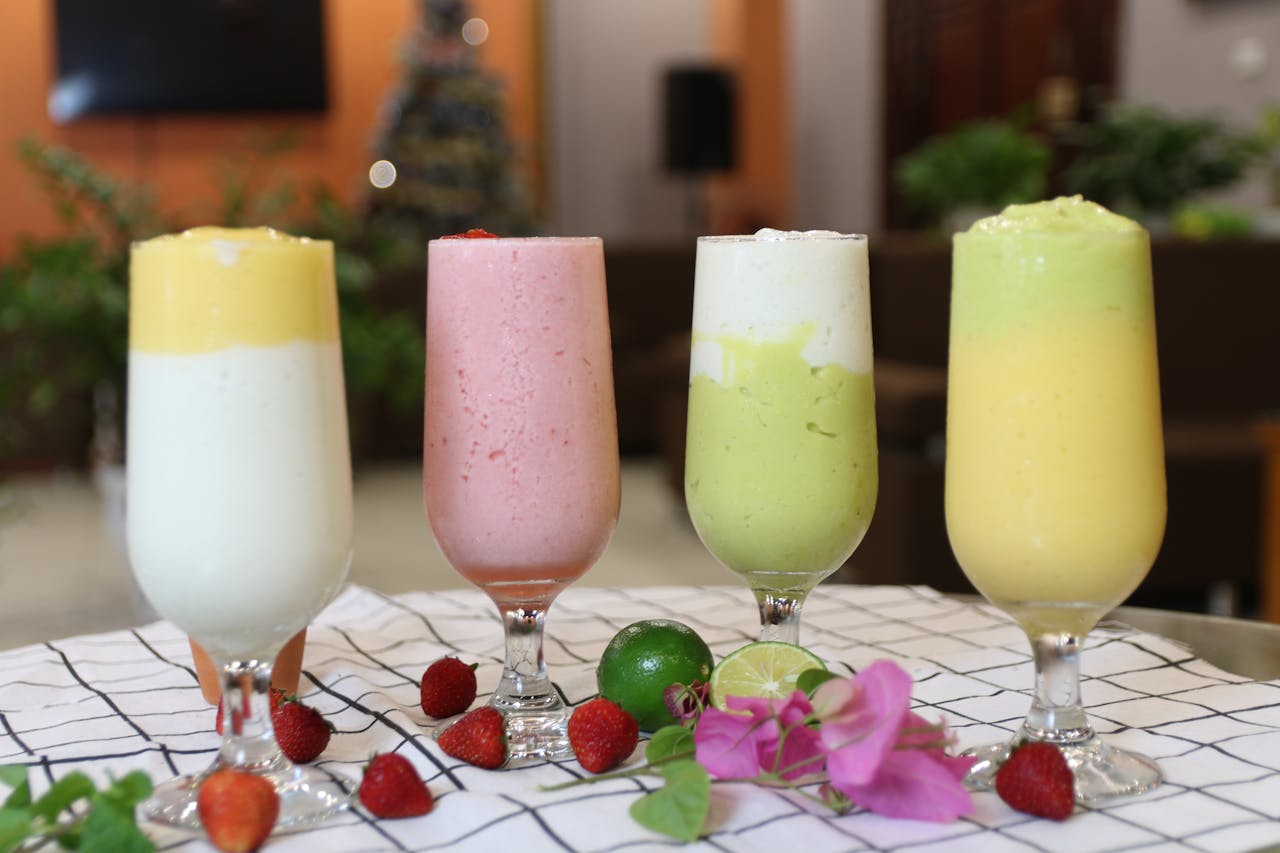
Smoothies can be nutritious when they include whole fruit, protein, fiber, and sensible portions. But many store-bought smoothies are oversized, juice-based, syrup-sweetened, and lacking enough protein to keep hunger at bay.
That means someone may drink a “healthy” smoothie and feel hungry again soon after. The body gets a rush of sweetness without the staying power of a balanced meal. A better smoothie has fiber, protein, and less juice, not just a pretty color and a wellness name.
Key Takeaway
The most dangerous popular drinks are not always the ones that look obviously reckless. Many wear health halos, fitness labels, coffee-shop charm, fruit pictures, clean branding, or zero-sugar promises.
Americans do not need to panic over every sip. They do need to stop pretending drinks do not count. Sugar counts. Caffeine counts. Alcohol counts. Portion size counts. Daily habits count most of all.
The smartest move is simple. Read the label, shrink the size, choose water more often, keep sweet drinks occasional, and stop letting a bottle or cup quietly do damage that food would get blamed for immediately.