Laundry looks harmless until your favorite black shirt fades, your white towels turn gray, and your soft sweater comes out looking like it survived a small household disaster. Most people do laundry on autopilot, tossing clothes into the washer, pouring in detergent, pressing the same button, and hoping for the best.
The trouble is that bad laundry habits rarely destroy clothes in one dramatic moment. They wear them down slowly, one load at a time. A little too much heat, too much detergent, too much crowding, or too much scrubbing can leave clothes faded, stretched, stiff, smelly, or permanently stained.
The good news is that better laundry does not require fancy products or a complicated routine. It simply takes smarter choices before, during, and after the wash. These common laundry mistakes may be costing you more money than you realize.
Ignoring the Care Label
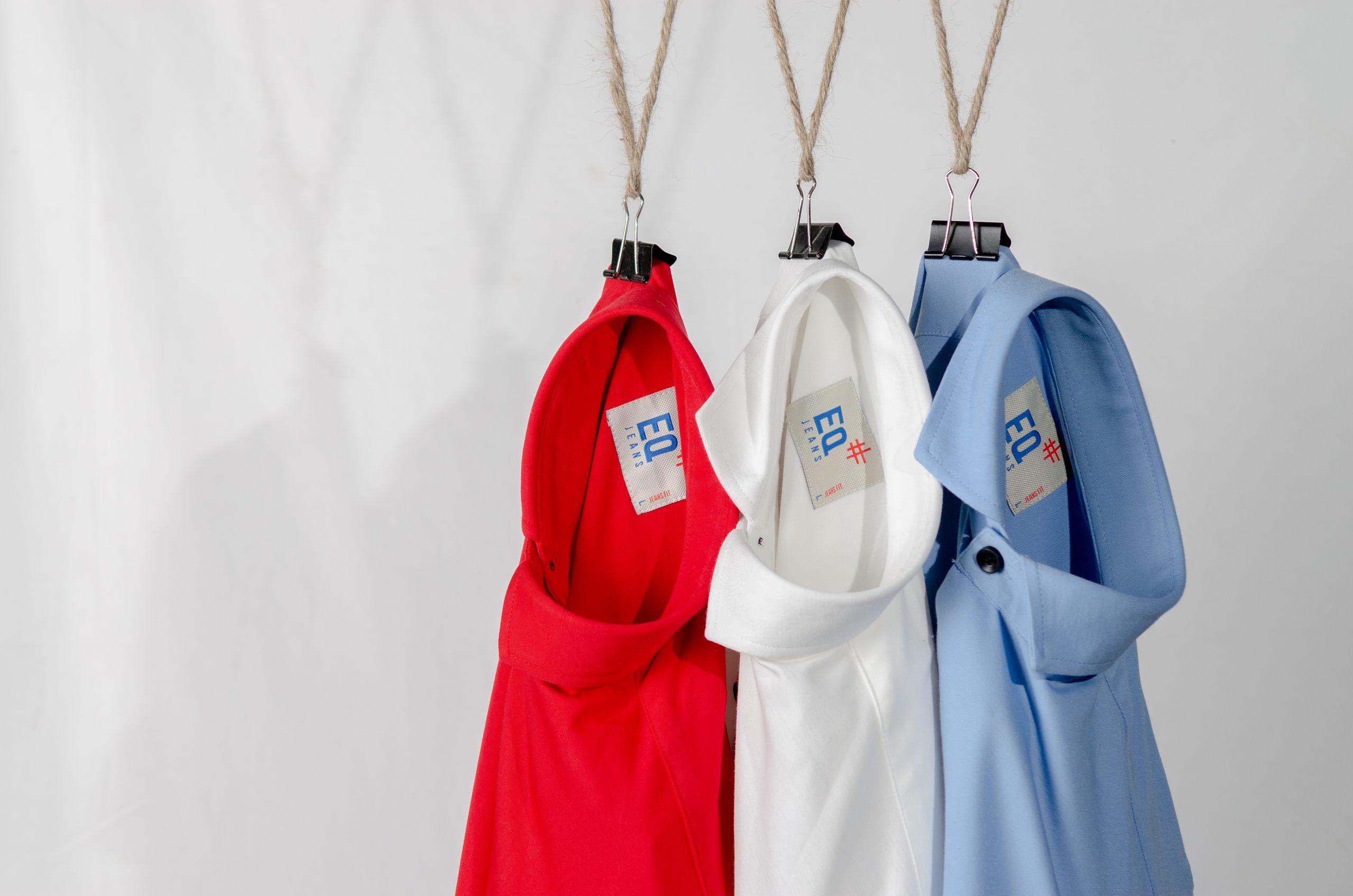
That tiny tag inside your shirt is easy to ignore, but it may be the only thing standing between a clean outfit and a ruined one. Care labels tell you how much heat, water, washing, drying, and ironing a fabric can handle. When you treat every item the same way, you risk shrinking cotton, stretching knits, fading dark colors, or damaging delicate fabrics.
A silk blouse, a wool sweater, a cotton T-shirt, a denim jacket, and an activewear set should not all be washed the same way. Some items need cold water, some need gentle cycles, and some should never be exposed to high dryer heat. Taking a few seconds to check the label can save a favorite piece from an early retirement.
Using the Same Washer Setting Every Time
Many washers have several settings, but plenty of people use the same one for everything. That habit can be rough on clothes. A heavy cycle may be useful for towels and work clothes, but it can be too aggressive for thin shirts, soft knits, or delicate fabrics.
The normal cycle works for many everyday loads, but delicate items need gentler movement. Heavy items need more cleaning power, while lightly worn clothes may need less. Matching the cycle to the fabric helps clothes get clean without taking a beating inside the drum.
Washing Everything in Hot Water
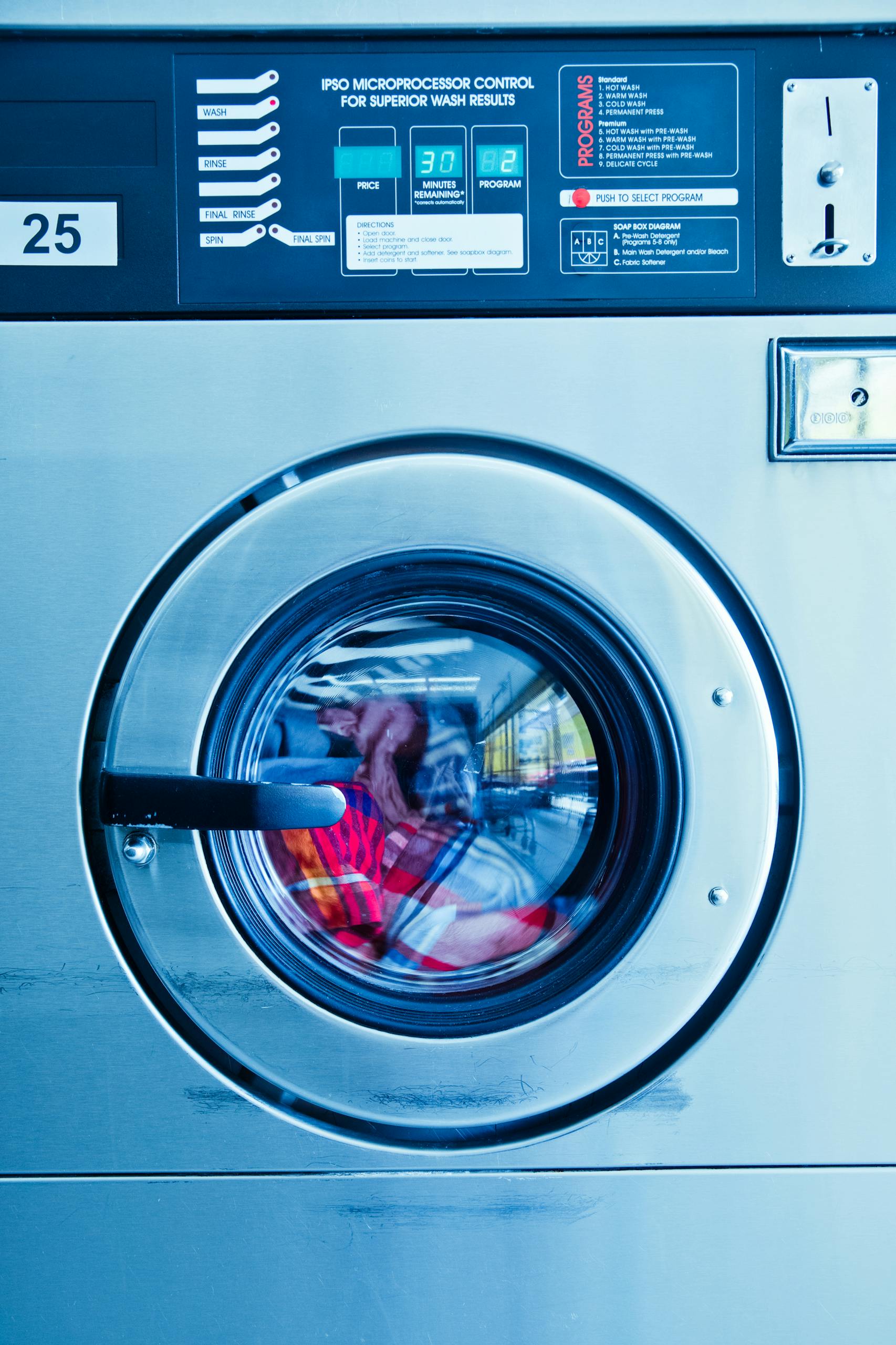
Hot water feels like it should clean better, but it can be brutal on clothes. It can fade colors, shrink cotton, weaken elastic, and make some fabrics lose their shape. It can also set certain stains, which makes them harder to remove later.
Cold water is often enough for everyday laundry, especially dark clothes, jeans, T-shirts, and lightly worn items. Warm water can help with towels, bedding, and more soiled loads. Hot water should be saved for items that truly need it and can safely handle it.
Using Too Much Detergent
More detergent does not mean cleaner clothes. That extra soap can cling to fabric, sit in collars and cuffs, trap dirt, and leave clothes feeling stiff or sticky. It can also make towels smell musty because the residue holds onto body oils and bacteria.
A high-efficiency washer needs even less detergent because it uses less water. Pouring freely from the bottle is one of the easiest ways to overdo it. Measuring the right amount helps clothes rinse better, feel softer, and smell fresher after washing.
Overloading the Washer
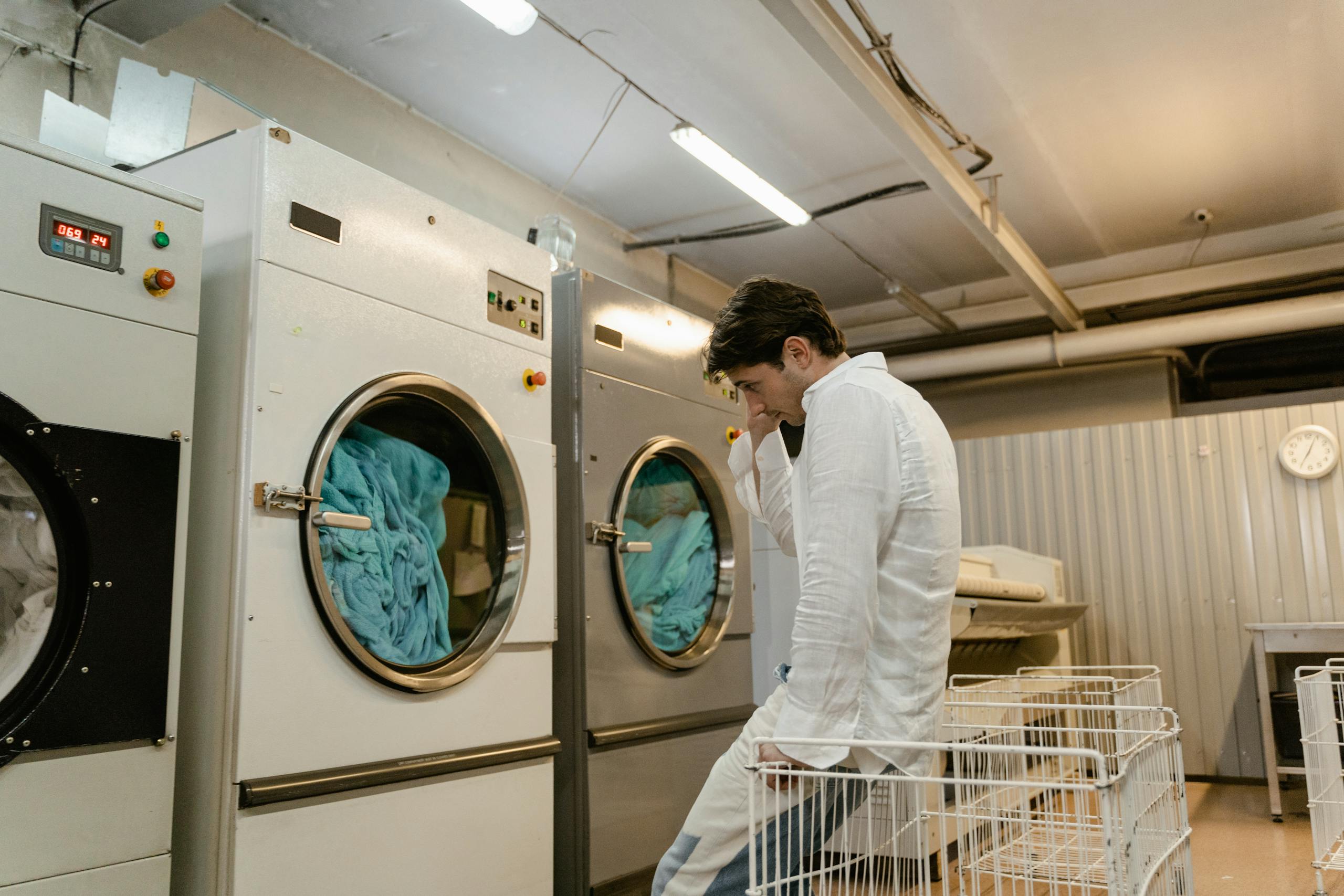
Stuffing the washer may feel like a time-saving trick, but it usually backfires. Clothes need space to move so water and detergent can reach every part of the fabric. When the drum is packed too tightly, dirt and sweat stay trapped.
Overloading also puts pressure on the machine. Clothes may come out twisted, wrinkled, poorly rinsed, or still smelling unclean. If you have to push clothes down hard to close the washer, the load is too full.
Mixing Whites, Darks, and Bright Colors
Sorting laundry may feel old-school, but it still matters. Dark denim, red shirts, bright towels, and new clothes can bleed dye during washing. Once that color lands on a white shirt or pale towel, it may never fully come out.
A simple sorting system is enough. Wash whites together, darks together, and bright colors together. New dark or red items should be washed with similar colors for the first few washes because they are more likely to bleed.
Letting Stains Sit Too Long
A fresh stain is annoying, but an old stain is a battle. Coffee, oil, blood, sweat, grass, makeup, and sauce all become harder to remove the longer they sit. Tossing stained clothes into the hamper and forgetting about them gives the stain time to settle deeper into the fibers.
The best move is to treat stains as soon as possible. Blot the stain gently, use the right treatment, and check it before drying. Once a stained item goes through high-heat drying, the mark can become much more stubborn.
Scrubbing Stains Too Hard
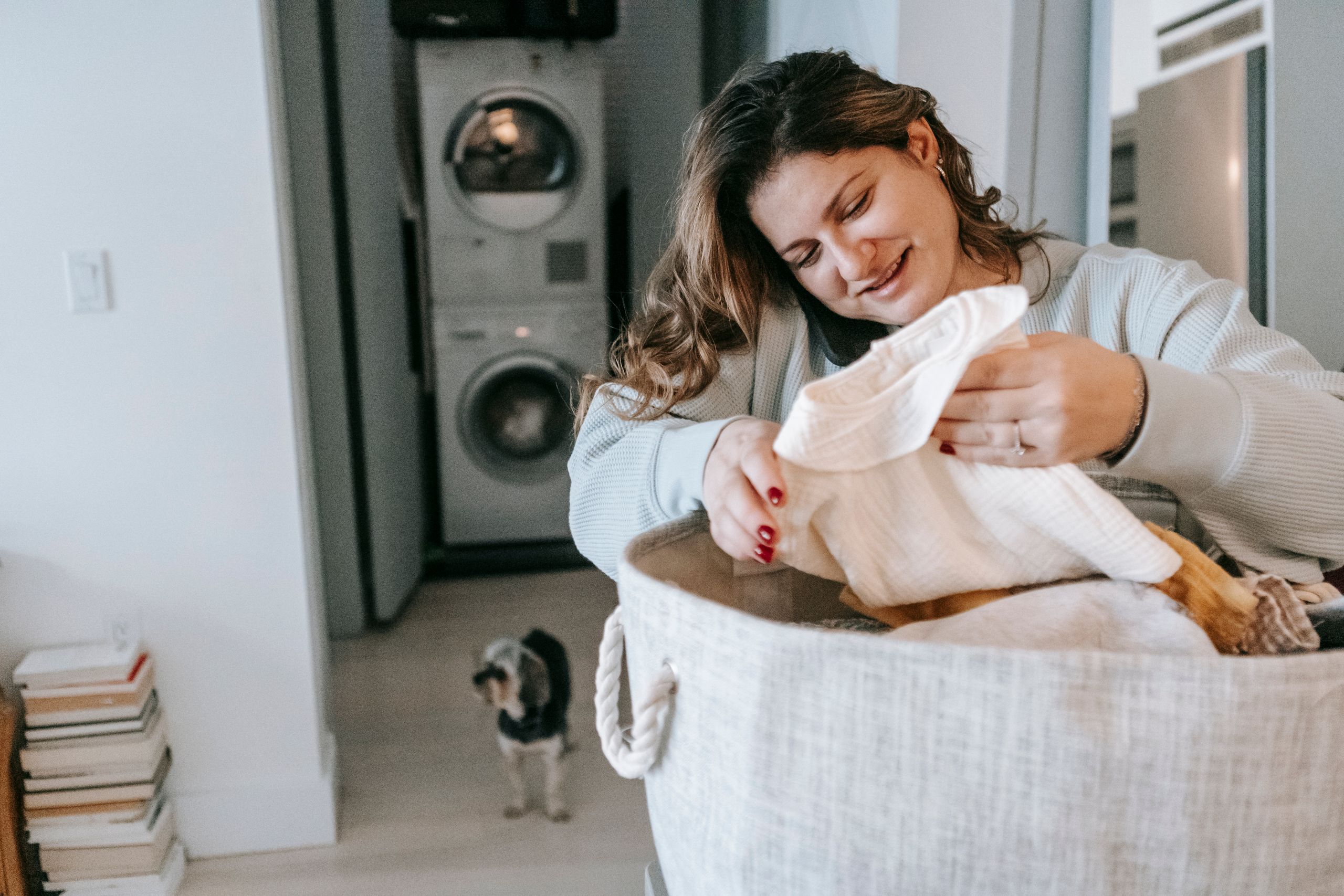
Scrubbing feels productive, but it can make things worse. Hard rubbing can stretch fabric, spread the stain, create fuzzy patches, or weaken the fibers. Delicate fabrics can become damaged before the stain even disappears.
Blotting is safer. Work from the outside of the stain toward the center to prevent it from spreading. Let the stain remover do the heavy lifting, rather than attacking the fabric with force.
Treating All Stains the Same Way
Not every stain should get the same treatment. Grease, blood, ink, mud, coffee, chocolate, and makeup all behave differently. The wrong treatment can push the stain deeper or set it permanently.
Grease often needs something that breaks down oil. Blood usually responds better to cold water. Mud should often dry first so excess dirt can be brushed away. Before using strong stain removers, test a hidden spot on the item to see if it is delicate or expensive.
Throwing Delicates Into Regular Loads

Delicates are called delicates for a reason. Lace, lingerie, silk, satin, soft knits, thin straps, and lightweight blouses can snag, twist, stretch, or tear in a regular wash. One open zipper or rough towel can do real damage.
Mesh laundry bags help protect fragile pieces. Cold water, mild detergent, and a gentle cycle are usually safer. Some items should be hand-washed and laid flat to dry, especially sweaters and fabrics that lose shape easily.
Drying Everything on High Heat
The dryer may be convenient, but high heat is one of the fastest ways to age clothes. It can shrink cotton, fade dark colors, damage elastic, crack printed designs, and make fabrics feel rough. Repeated heat can turn good clothes into tired clothes faster than expected.
Low heat is safer for many everyday items. Air drying is even better for jeans, sweaters, bras, activewear, and anything that tends to shrink. If you do use the dryer, remove the clothes when they are dry enough, rather than cooking them until they feel baked.
Forgetting to Clean the Dryer Lint Trap

The lint trap is not just a small housekeeping detail. A clogged lint screen slows drying, wastes energy, and makes the dryer work harder. Worse, lint can become a fire hazard when heat and blocked airflow build up.
Clean the lint trap after every load. If clothes start taking longer to dry, check the vent as well. A cleaner dryer works better, dries faster, and helps keep your laundry routine safer.
Conclusion
Laundry mistakes can be sneaky because the damage builds slowly. One hot wash, one crowded drum, or one heavy pour of detergent may not seem like much. Over time, those habits can fade colors, weaken fibers, shrink clothes, trap odors, and ruin pieces you actually liked wearing.
Better laundry starts with small changes. Read the care label, use the right cycle, measure detergent, treat stains early, avoid high heat when possible, and give clothes enough room to move. Your wardrobe will last longer, your towels will smell fresher, and your laundry day will feel a lot less like a gamble.