Fashion is more than just clothes; it’s a statement about who you are. Some choices convey confidence or creativity, while others instantly raise suspicion. Certain outfits make people pause and wonder about your judgment, taste, or priorities. What you wear communicates far more than words, and subtle signals often speak louder than style intent.
These ten choices stand out for sending the wrong message or creating instant doubts about the wearer. Understanding them can help you express yourself without triggering unintended judgment.
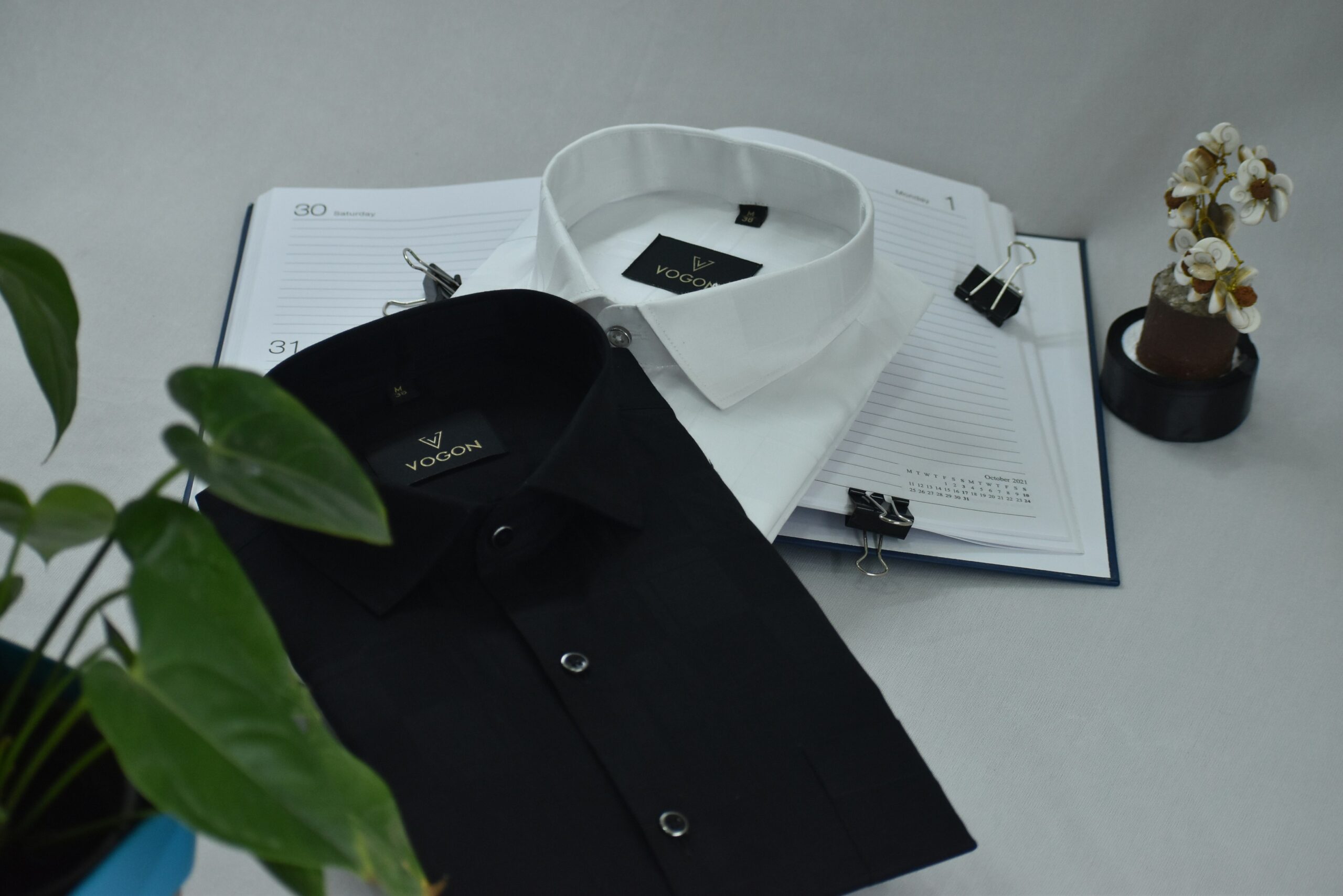
Multi-Popped Collars
Wearing double- or triple-popped collars no longer signals casual flair. It often looks forced, as if someone is trying too hard to stand out. Instead of confidence, the look can feel self-conscious and overcompensated. Observers notice immediately because it draws attention to effort rather than personality, making the wearer seem insecure about their style choices.
Five Fingers Shoes
Minimalist toe shoes are polarizing and can create unease. They stand out in ways that suggest eccentricity or a desire to be different at any cost. While functional for exercise, they rarely translate well to everyday fashion. People see them as odd or confrontational, making the wearer feel scrutinized, even if their intentions are practical or performance-driven.
Loud Graphic Logos
Clothing covered in flashy logos or exaggerated graphics often reads as desperate for attention. These choices can seem outdated or over-the-top. Bold designs may obscure personal style rather than express it. Observers tend to judge the wearer as prioritizing image over authenticity, creating an impression of style insecurity or self-promotion.
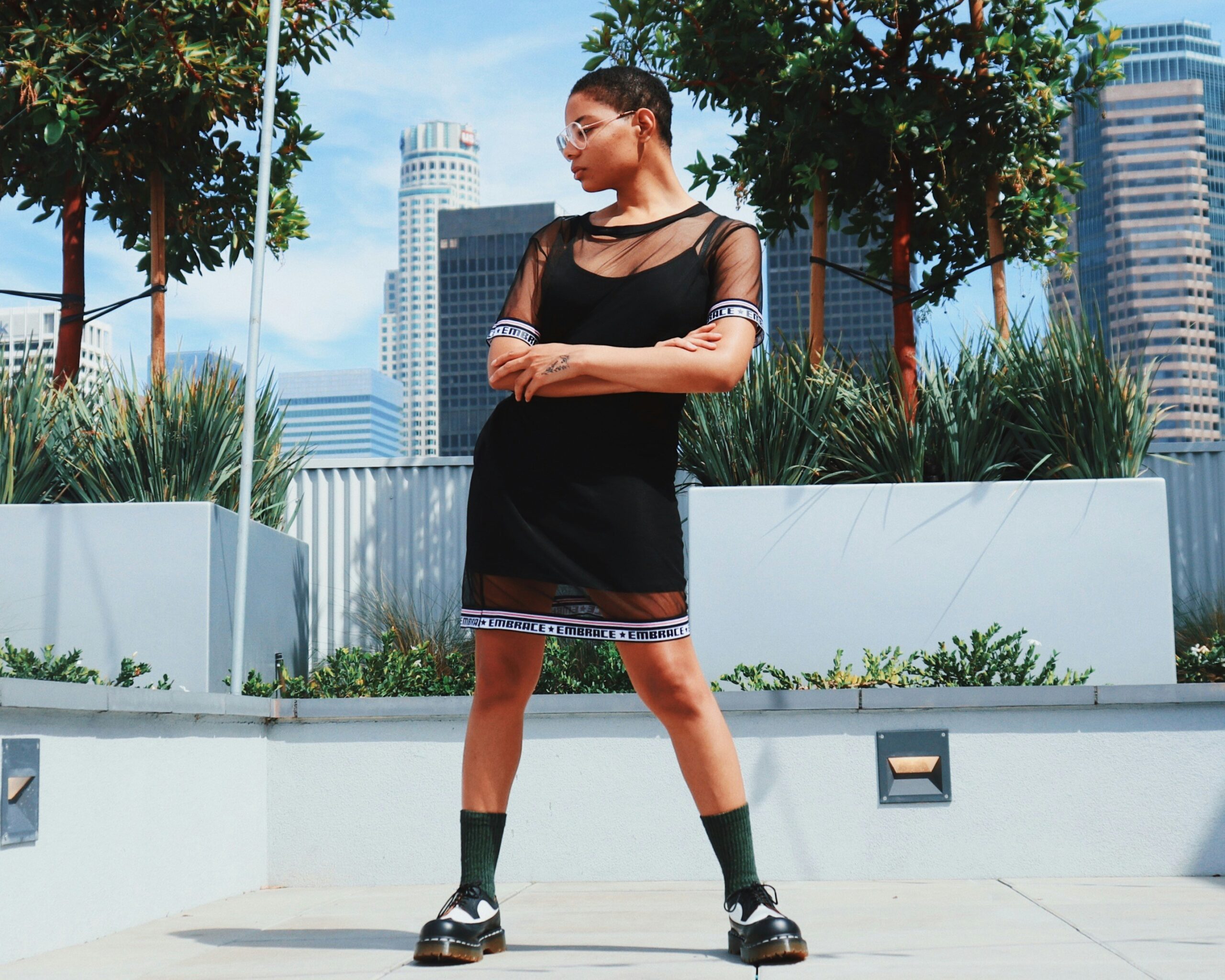
Mesh Outfits
Sheer tops or bottoms are designed to make a statement, but often confuse the observer. While intended to show confidence, they can come across as impractical or attention-seeking. Mesh clothing disrupts conventional expectations, making the wearer seem reckless with style and prone to standing out for the wrong reasons rather than showcasing personal taste.
Sandals With Socks
This combination immediately signals a disregard for conventional style norms. While comfortable, it creates visual tension that comes across as sloppy or tone-deaf. Observers interpret this choice as careless or intentionally eccentric. Mixing warm socks with open footwear disrupts natural proportions and undermines credibility in everyday fashion contexts.
Tube Socks With Shorts
Pairing high socks with shorts often looks mismatched unless carefully styled. It can give the impression of someone trying too hard to be playful or quirky. The visual imbalance draws attention for all the wrong reasons. Observers perceive it as a lack of coherence, making the wearer’s outfit look unfinished or poorly considered.
Pajama Pants in Public
Wearing sleepwear outside sends a clear message that comfort is valued over effort. Pajama pants can make someone appear lazy or indifferent to norms. While casual wear is fine, they cross a line in public perception. People immediately question whether the wearer respects social context or is oblivious to judgment.

Retro Visors
Visors once served practical purposes, but today they feel outdated in casual street style. Wearing one casually signals a disconnect between fashion function and current trends. Observers interpret it as clinging to old habits or as an attempt at a quirky statement that falls flat. The look draws attention for historical nostalgia rather than contemporary relevance.
Sheer Clothing
Translucent fabrics that reveal underlayers make a strong statement and often appear provocative. Unless intentionally fashion-forward, they risk being perceived as attention-seeking. Sheer clothing disrupts expectations of daily appropriateness, causing observers to question the wearer’s taste and intent. The result is heightened scrutiny and immediate judgment.

Shell Necklaces
Pukka-style shell necklaces are playful but can appear juvenile outside beach or festival contexts. Wearing them in everyday settings risks looking outdated or immature. Observers may question whether the wearer is in tune with modern trends or simply holding on to nostalgia. While casual and fun, they can unintentionally undermine perceived sophistication.
Conclusion
Fashion communicates more than words. From multi-popped collars to shell necklaces, these choices broadcast personality cues that are instantly interpreted. Subtle missteps can create skepticism or judgment, even if your intention is self-expression. Being aware of how style is perceived allows you to project confidence and authenticity while avoiding inadvertent suspicion. Choose with intention and let fashion support your image, not undermine it.