The past looks charming until we remember how much hard work was hiding behind those old family photos. Our great-grandparents did not live in a soft, cozy world filled only with rocking chairs, handwritten letters, and homemade bread.
They lived in a world where laundry could destroy your hands, bathing required planning, childhood ended early, and comfort often came after sweat, soreness, and sacrifice. Modern life has its own pressures, from bills and burnout to traffic, screens, rising prices, and passwords we forget every other day.
Still, many of the daily struggles of earlier generations have almost vanished from ordinary life. Some disappeared because technology improved, while others faded because laws, medicine, education, and social expectations changed.
These old routines show how far everyday life has moved, even when progress does not always feel obvious.
Washing Clothes by Hand Was an all-day battle.
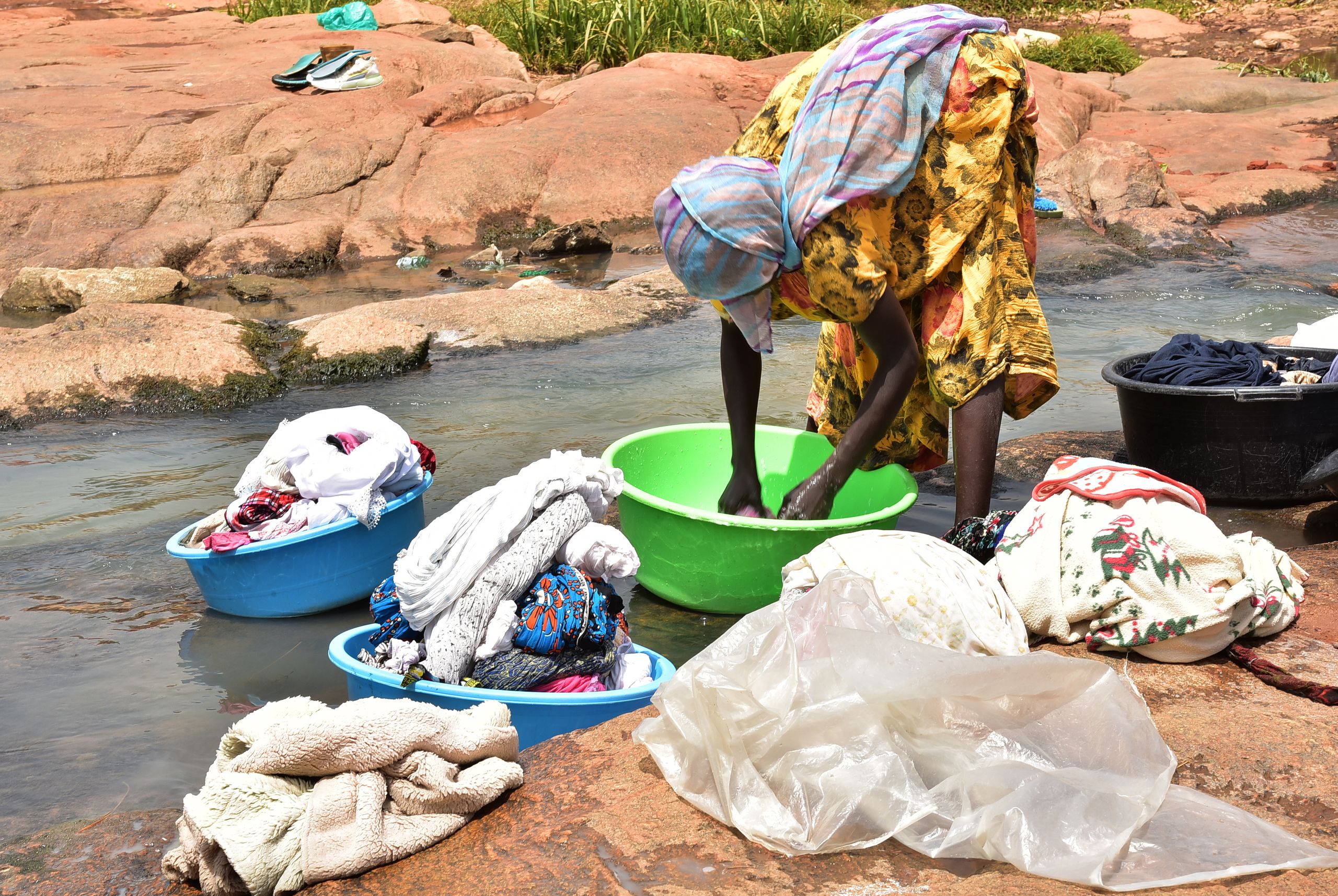
Laundry feels endless today, but at least the machine does most of the heavy lifting. For many great-grandparents, washing clothes meant hauling water, heating it, scrubbing fabric by hand, rinsing heavy garments, wringing them out, and hanging everything to dry.
There was no quick cycle, no gentle setting, no dryer sheet, and no button that turned a mountain of dirty clothes into a small household inconvenience. The work was rough on the body and even rougher on time. Hands cracked from soap and hot water, backs ached from bending, and arms burned from scrubbing thick fabric.
Since many families owned fewer clothes, people often wore the same garments longer between washes. Modern laundry may still be annoying, but compared with the old washboard routine, it is one of the quiet miracles of the modern home.
Sleeping on Straw Mattresses Was Not Cozy Farmhouse Living
The old farmhouse bed may sound romantic until the straw starts poking through the fabricept on sacks filled with straw, hay, and corn husks. Before modern mattresses became common, many ordinary people slept on feathers or whatever soft material the household could gather.
Straw was cheap and easy to find, but comfort was not guaranteed. The mattress could flatten unevenly, trap dust, smell musty, and scratch through thin fabric during the night. Bugs were another problem, especially in homes without modern pest control, sealed walls, or regular deep cleaning tools.
Fleas, lice, mites, and bedbugs could turn sleep into a nightly battle. Today, people complain about mattress firmness and pillow height, but earlier generations were often just trying to rest without being bitten or poked awake.
Bathing in Shared Water Was Normal for Many Families
A hot shower now feels so ordinary that many people step into one half asleep and barely think about it. Earlier generations did not always have that luxury. In homes without indoor plumbing, water had to be carried inside, heated over a stove or fire, poured into a tub, and used carefully.
That made bathing a chore before it became a comfort. Because heating water took time, fuel, and effort, many families reused the same bathwater. The order often followed household rank, with adults going first and younger children coming later.
It sounds unpleasant now, but it made sense in a world where clean water and heat were not always easy to access. Modern bathrooms changed hygiene, privacy, and dignity in ways many people now take for granted.
Children Were Sent to Work Instead of Staying in School
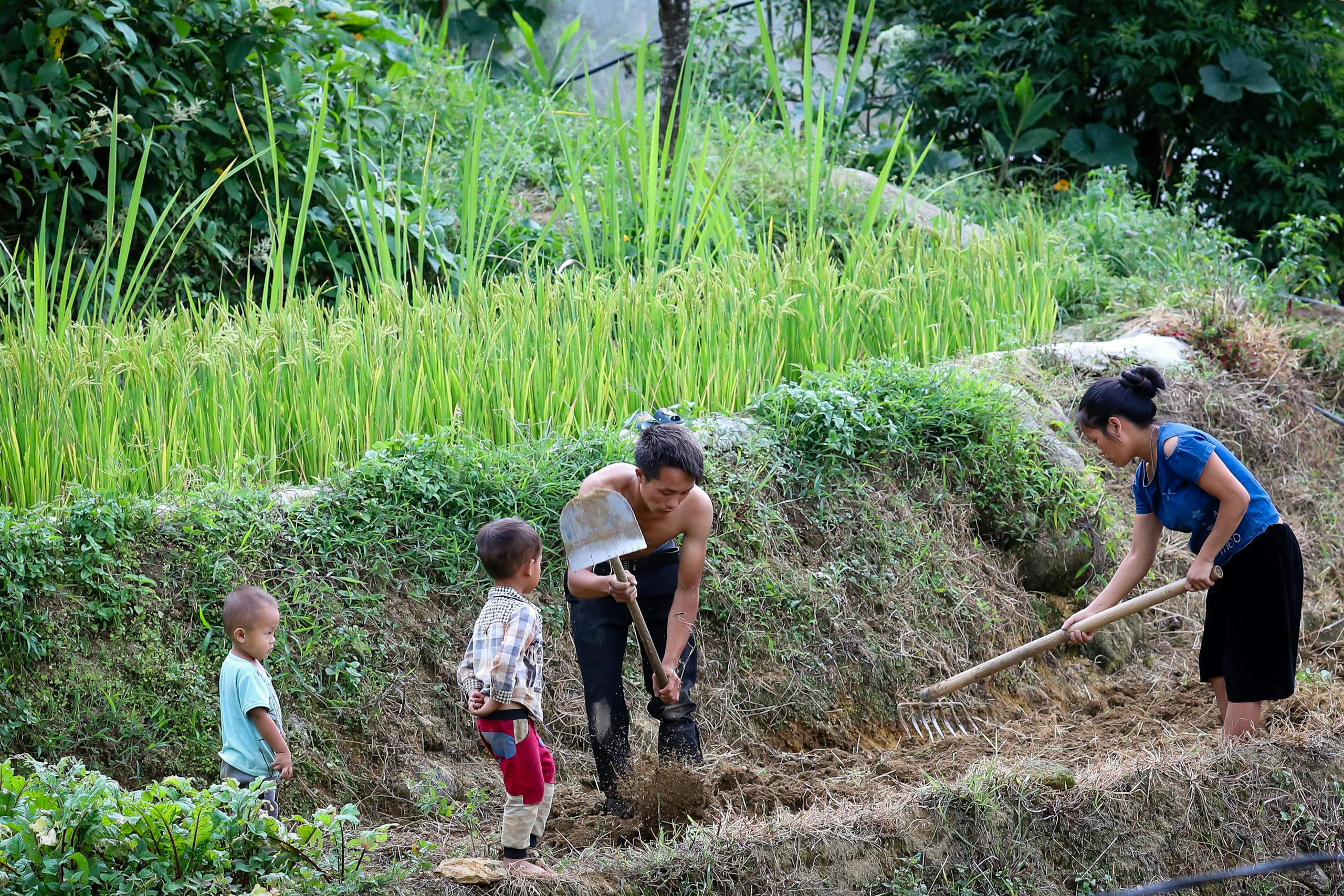
Today, childhood is usually seen as a protected stage of life. Children are expected to learn, play, grow, make mistakes, and slowly prepare for adulthood. For many families in the past, childhood ended much earlier.
Children worked because farms, factories, mines, shops, and struggling households needed extra hands and extra income. The jobs were often dangerous and exhausting. Small children could fit into tight factory spaces, crawl through mines, or handle repetitive work that adults wanted done cheaply.
That made them useful to employers, but it also exposed them to injuries, illness, long hours, and lost education. Modern child labor laws helped redefine childhood as a time for growth, not survival work.
Teenagers Were Not Always Treated Like Teenagers
The idea of the “teenager” feels permanent now. There are teen fashion trends, teen shows, teen music, teen slang, teen mental health conversations, and entire industries built around youth culture. Earlier generations did not always treat ages thirteen to nineteen as a special stage of life.
A young person was often seen as a child until they were useful enough to become an adult. That meant many young people moved quickly into work, marriage, farming, domestic service, apprenticeships, or full household responsibility.
The long pause between childhood and adulthood became more common as high school expanded and youth culture grew. Families slowly began giving older children more time to develop before adult life took over. Modern adolescence can be stressful, but it still gives many young people something earlier generations rarely had: time.
Becoming a Teacher Could Happen Shockingly Young
Teaching today usually requires formal education, certification, training, and professional standards. In the past, especially in small communities, a young woman could become a teacher not long after finishing her own schooling.
If she was educated enough by local standards, unmarried, respectable, and willing, she could be placed in front of a classroom. Some teachers were barely older than the students they were expected to guide. This happened partly because teaching was one of the few paid jobs considered socially acceptable for women.
Marriage often ended a woman’s teaching career, leaving many teachers young and single. A one-room schoolhouse might ask a teenage or very young adult teacher to manage lessons, discipline, moral instruction, and community expectations simultaneously. It was a serious job placed on very young shoulders.
Becoming a Doctor Did Not Always Require Medical School
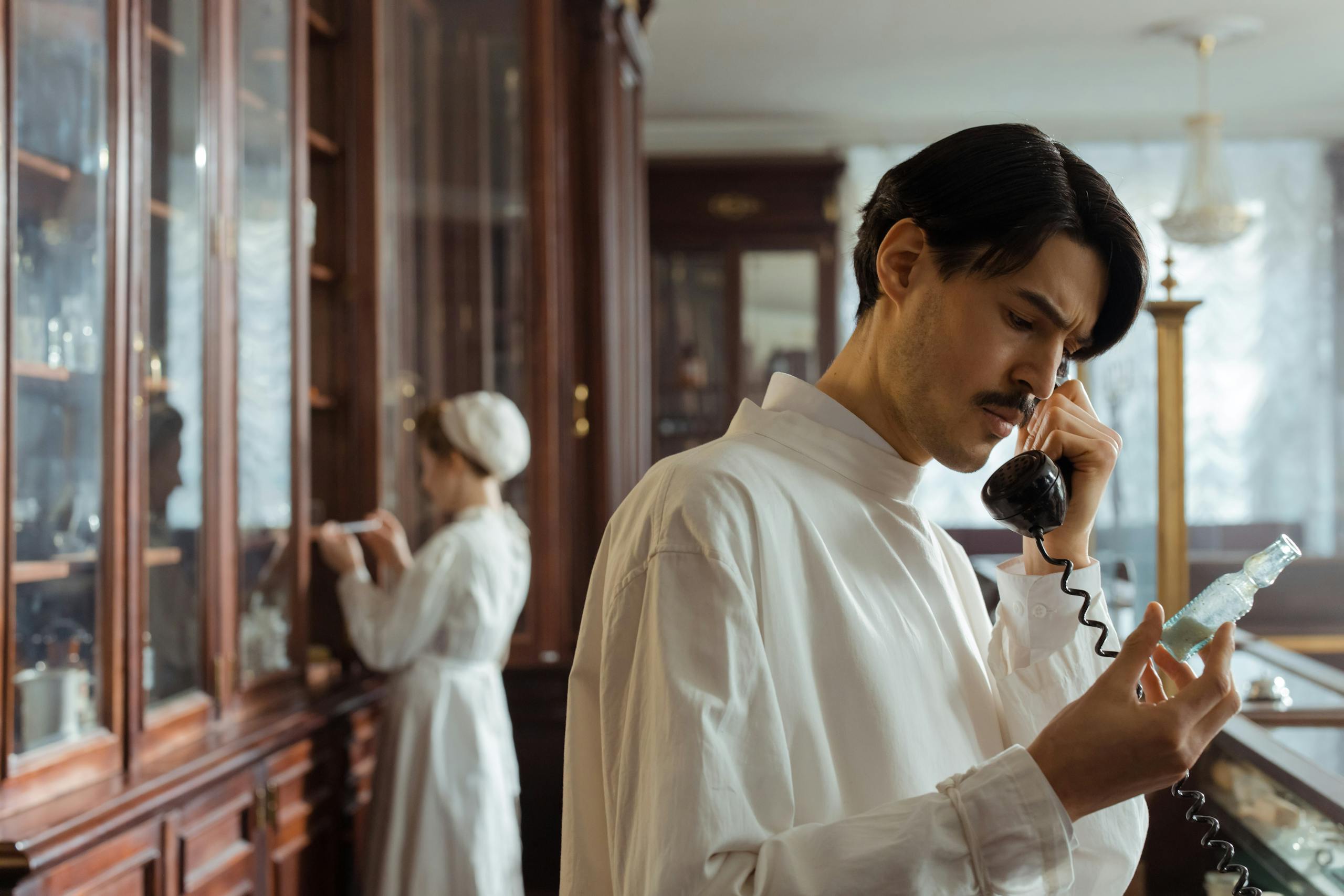
Modern medicine is built on years of study, licensing, clinical training, and strict standards. That was not always the case. In earlier generations, many doctors learned through apprenticeships rather than formal medical school.
A young person might work under an established physician, observe treatments, mix remedies, help with patients, and eventually begin practicing.
The results could vary wildly from one town to another. Some physicians were careful, experienced, and genuinely helpful, but others relied on outdated theories, questionable cures, and dangerous treatments.
Patients had fewer protections, fewer proven medicines, and far less scientific certainty. A cough, infection, childbirth complication, broken bone, or fever could become frightening very quickly.
Adoption Could Happen With Little or No Paperwork
Adoption today usually involves courts, records, consent, background checks, legal rights, and child welfare rules. The process can be slow and emotional, but paperwork exists for a reason. It protects children, birth families, and adoptive families from confusion, coercion, and disappearance.
Earlier generations often handled adoption in a much more informal way. A child might be taken in by relatives, neighbors, churches, orphanages, or family friends with little legal documentation. Sometimes this came from kindness during hard times, especially after death, illness, poverty, or a family crisis.
Other times, it created deep harm because children could lose their names, histories, inheritance rights, family connections, and cultural identity. Modern adoption records are not just red tape, because they help make sure children are not passed from one life to another without protection.
Driving Once Meant Facing Roads With Fewer Rules
Driving today can be irritating, but it is also highly organized. There are speed limits, stop signs, traffic lights, lane markings, licensing rules, insurance requirements, school zones, and police enforcement. Early drivers entered a much messier world.
Cars were new, roads were rough, and many places had not yet built the rules needed for motor traffic. Drivers shared streets with horses, wagons, bicycles, pedestrians, streetcars, and children playing nearby. Speed rules were inconsistent, signs were limited, and the public was still adjusting to machines moving faster than anything many communities had seen before.
Accidents, dust, noise, breakdowns, and confusion came with the arrival of the automobile. Today, speed limits may feel restrictive, but they helped turn driving from a wild experiment into a daily routine that millions of people could survive.
Drinking During Prohibition Turned Ordinary People Into Rule Breakers

From 1920 to 1933, Americans lived under national Prohibition, when the sale, production, and transportation of alcohol were banned. The goal was to reduce the damage caused by drinking, but the result became one of the strangest chapters in American social life.
People did not simply stop drinking. Many found ways to keep doing it in secret. Speakeasies, bootleggers, secret bars, smuggling routes, homemade liquor, and organized crime all grew in the shadows. A person who wanted a drink after work could become part of an illegal culture, even without any interest in crime.
Prohibition made alcohol feel forbidden, glamorous, risky, and rebellious. When the ban ended, it left behind a clear lesson about what happens when laws clash too strongly with everyday behavior.
Conclusion
The past was not as simple as nostalgia makes it look. Our great-grandparents lived through routines that required more physical effort, less privacy, fewer protections, and far less convenience than most people face today.
Their daily lives were shaped by hard work, strict social rules, limited technology, and a constant need to make do. That does not mean modern life is perfect. It means some comforts we barely notice are actually major achievements.
Clean laundry, fresh bathwater, safe schools, trained doctors, traffic laws, legal records, and comfortable beds are not small things. They are proof that ordinary life can become less brutal when society decides people deserve better.