Some meals fail loudly. The smoke alarm screams, the pasta turns into glue, or the chicken comes out looking like it survived a house fire. Other cooking disasters are sneakier. They happen in small moments, like tossing food into a cold pan, crowding the skillet, skipping salt, or flipping meat every few seconds because waiting feels suspicious.
The truth is that most people do not ruin dinner because they cannot cook. They ruin it because they repeat tiny kitchen habits that drain flavor, destroy texture, and make fresh ingredients taste tired. Once we spot those mistakes, cooking becomes much easier, calmer, and a lot more delicious. These are the common cooking errors that can turn a promising meal into something everyone politely pushes around the plate.
Using a Cold Pan and Hoping for a Golden Crust
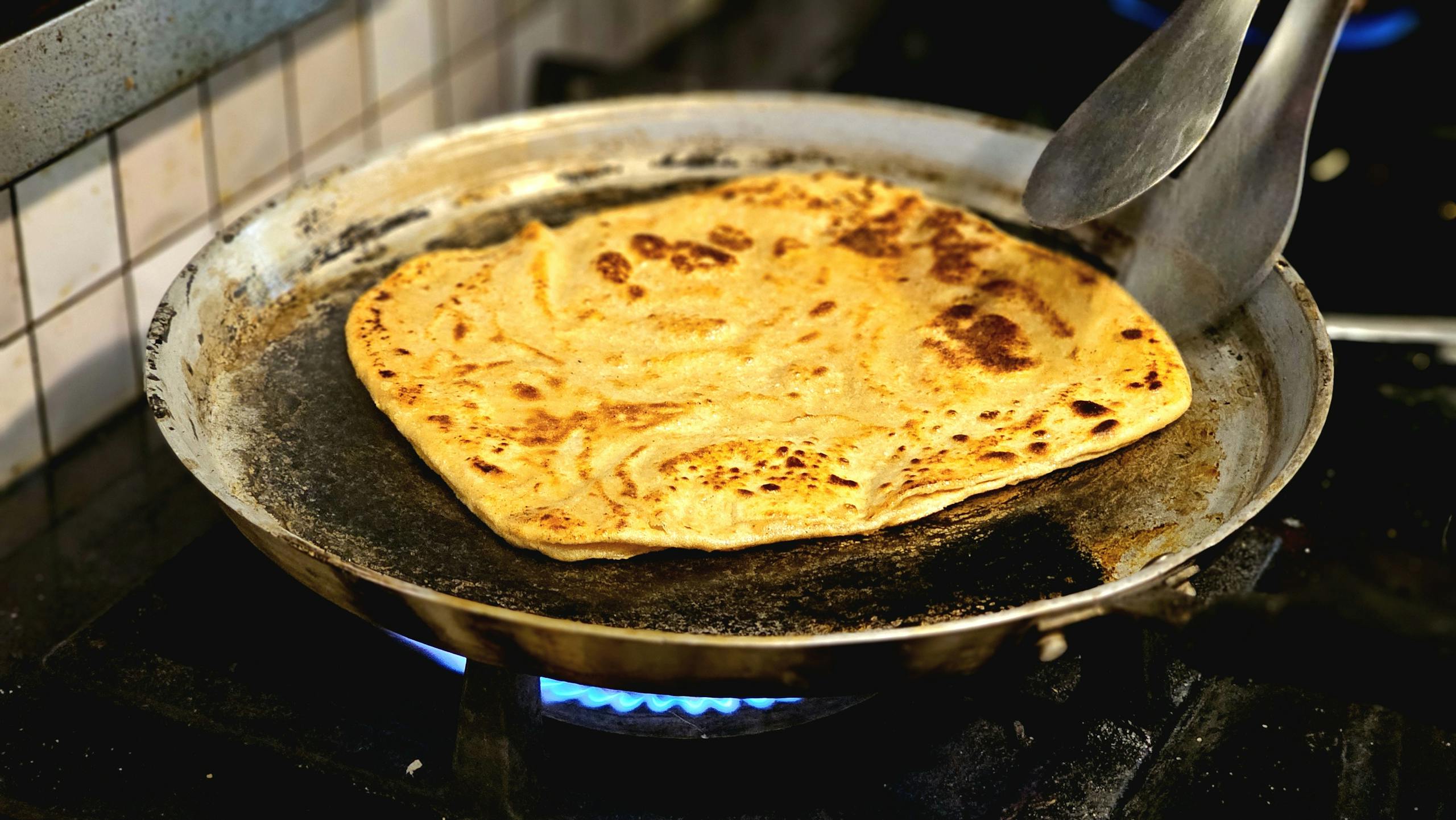
A cold pan is one of the fastest ways to sabotage dinner. When meat, fish, or vegetables hit a pan that is not hot enough, they do not sear properly. They sit there releasing moisture, so they steam rather than brown.
That is how steak turns gray, chicken skin stays soft, and mushrooms become watery little sponges. A hot pan helps food develop color, flavor, and that satisfying cooked edge people actually want. We should let the pan heat first, add oil, then listen for the sizzle that tells us the food is cooking with confidence.
Moving Meat Around Like It Needs Supervision
Meat does not need to be pushed, poked, flipped, and chased around the pan. One of the biggest cooking mistakes is touching it too much before it has had time to brown. Every time we move it too early, we interrupt the crust and leave flavor behind.
A good sear needs patience. Once the meat goes into the pan, it should stay there until the surface browns and releases naturally. If it sticks badly, that often means it is not ready to turn. The best thing we can do is resist the urge to fuss and let the heat do its job.
Crowding the Pan Until Everything Turns Soggy
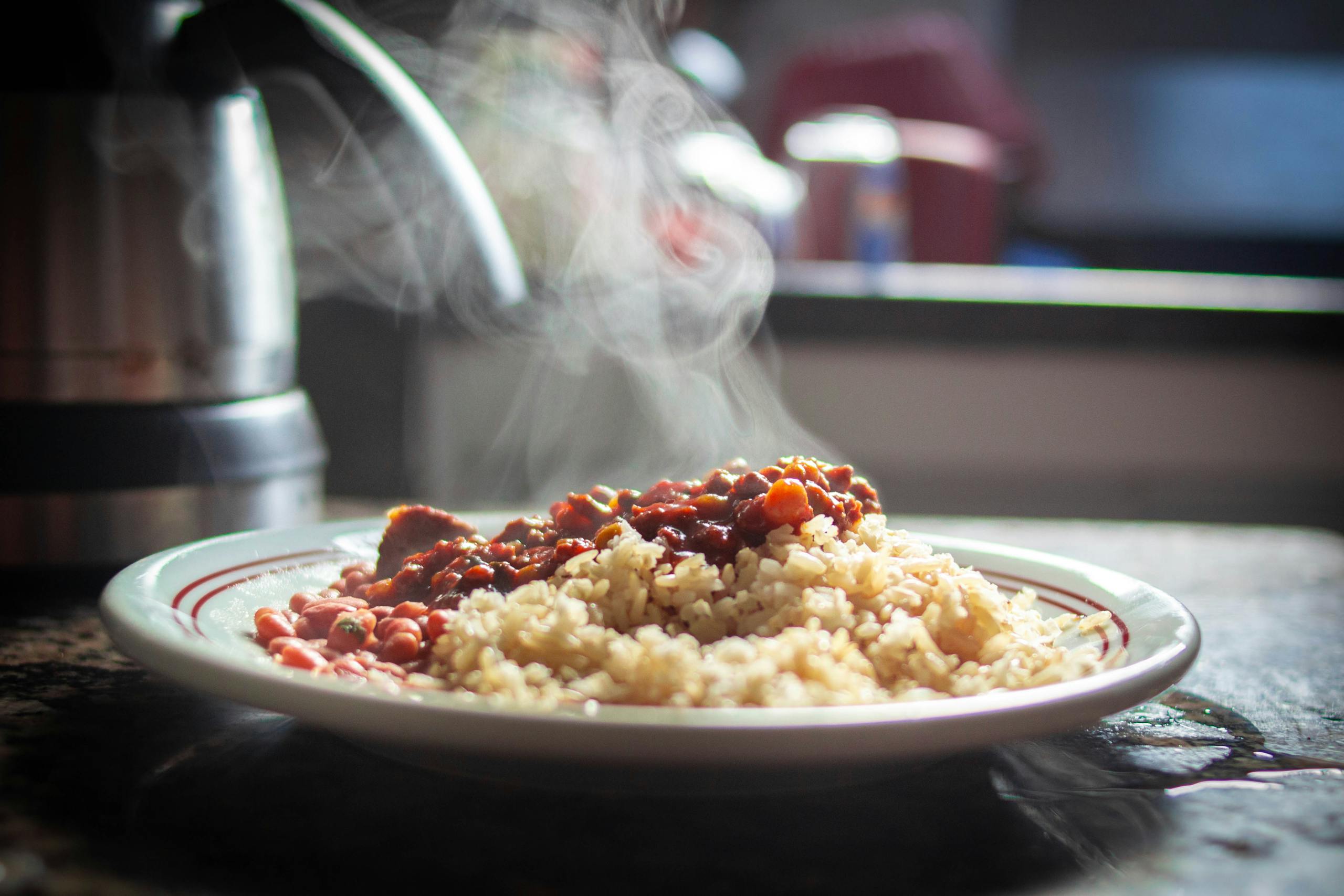
A skillet is not a storage container. When we pack too much food into it, the temperature drops and steam gets trapped. Instead of frying or searing, the food starts sweating.
This mistake ruins sausages, sliced beef, mushrooms, chicken pieces, and vegetables. The fix is simple, even if it feels slower. We should cook in batches and give each piece enough space to brown. A crowded pan gives us pale food. A spacious pan gives us flavor.
Cooking Fish Until It Tastes Like Punishment
Fish is delicate, which means it does not forgive neglect. A few extra minutes can turn it from tender and silky into dry, chalky, and unpleasant. Overcooked fish also develops a stronger smell and flavor, which makes people think they dislike fish when they may only dislike badly cooked fish.
The best fish should look moist, slightly glossy, and tender enough to flake without falling apart into dry scraps. We should cook it gently and remember that it continues cooking after it leaves the pan. Freshness also matters. Good fish should smell clean and mild, not aggressively fishy.
Roasting Meat Too Hot and Watching the Juices Disappear
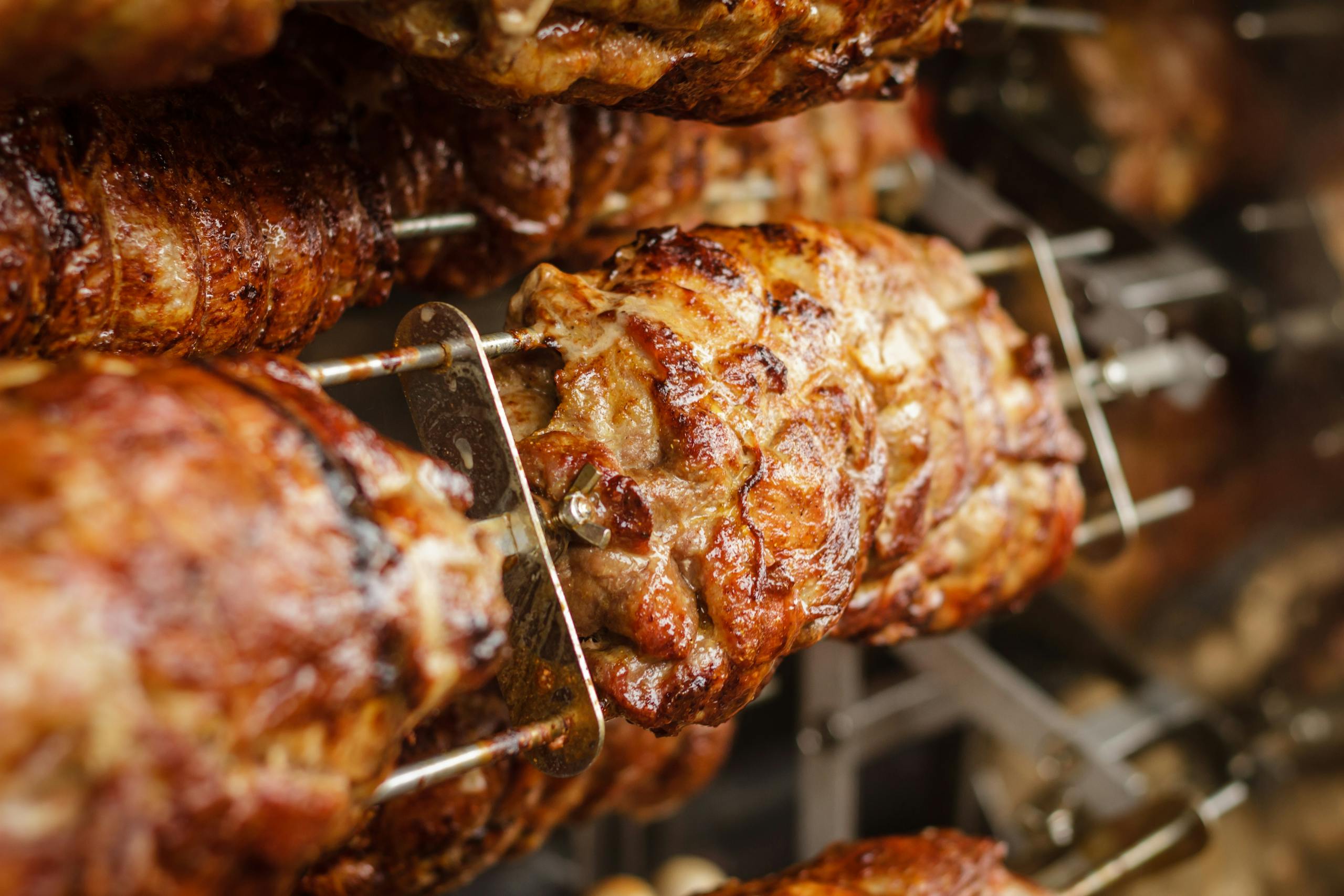
Large cuts of meat need time, not panic. When we blast them with too much heat, the outside tightens quickly and the inside struggles to cook evenly. The result is often a dry roast with a tough outer layer and a disappointing center.
Lower, slower cooking usually yields better results with larger cuts. It allows heat to move through the meat more evenly and helps preserve moisture. Resting the meat after cooking is just as important. If we slice immediately, the juices run out onto the board instead of staying where they belong.
Treating Salt Like an Afterthought
Food without enough salt often tastes flat, no matter how expensive the ingredients are. Salt does more than make food salty. It wakes up flavor, balances bitterness, sharpens sweetness, and helps ingredients taste like themselves.
The mistake is waiting until the end and hoping a quick sprinkle will fix everything. We should season in stages. Meat benefits from salt before cooking, pasta needs salted water, and vegetables often taste better when seasoned as they cook. Good seasoning should feel built into the food, not dusted on as an apology.
Using Dull Knives That Make Prep Harder and Riskier

A dull knife is not safer because it feels less sharp. It is more dangerous because it requires extra force. That pressure makes the blade more likely to slip, especially when cutting onions, tomatoes, herbs, or tough vegetables.
Sharp knives also improve the food itself. They cut cleanly instead of crushing, tearing, or bruising ingredients. Herbs stay fresher, vegetables cook more evenly, and meat is easier to trim. We do not need a luxury knife collection, but we do need blades that are sharpened and cared for.
Expecting Stale Dried Herbs to Taste Fresh
Dried herbs are not always useless, but old dried herbs can make food taste dusty and dull. Many people keep jars for years, then wonder why their sauces and soups lack life. If the herb has no smell when rubbed between the fingers, it will probably bring very little flavor to the dish.
Fresh herbs make a major difference when brightness matters. Basil, parsley, cilantro, dill, mint, and chives can lift a dish in seconds. Dried herbs work better in slow-cooked sauces, stews, and braises, where they have time to soften and release their flavors. The real problem is treating every herb as interchangeable.
Cooking With Cheap, Flimsy Pans That Cannot Hold Heat
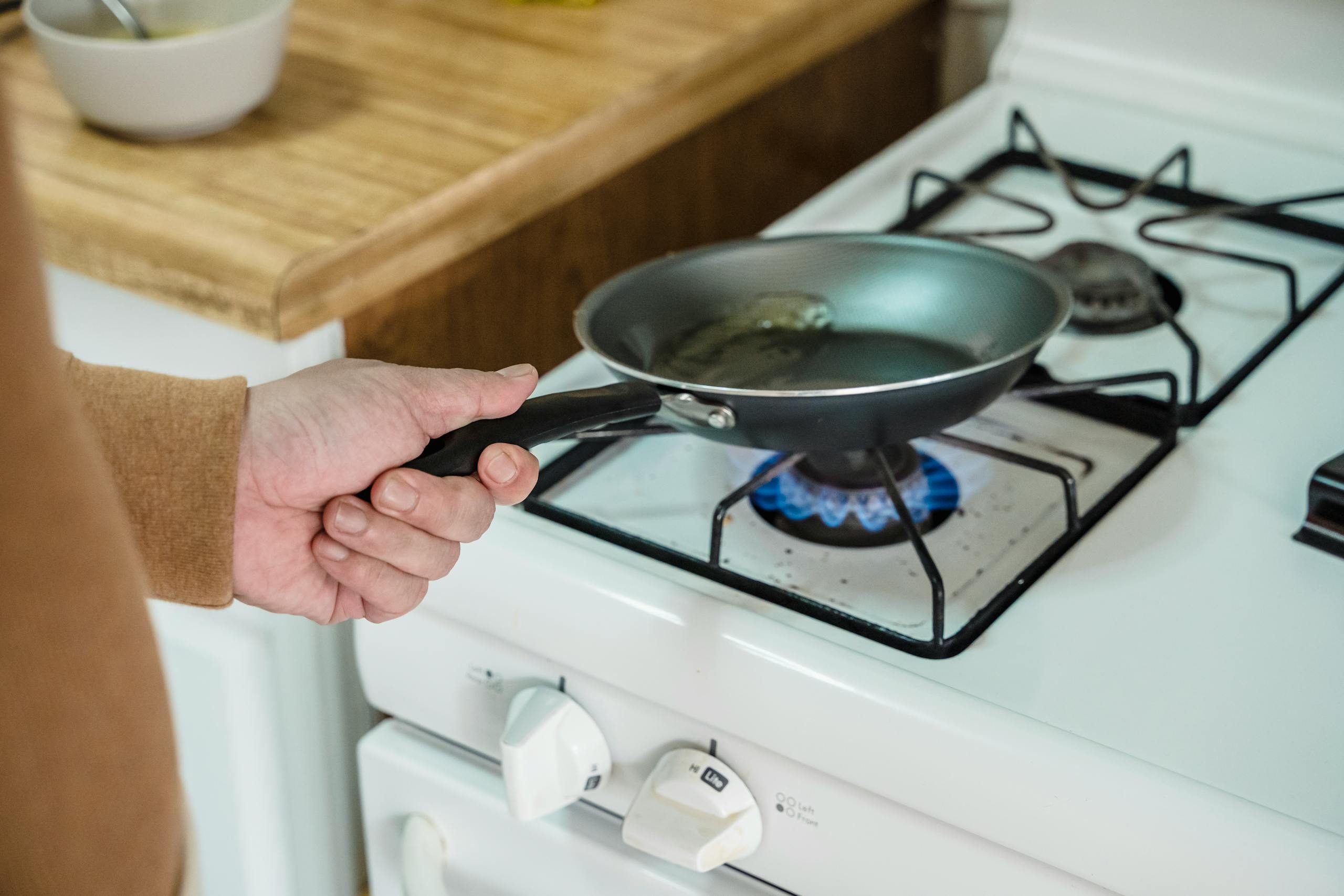
Bad cookware makes good cooking harder than it needs to be. Thin pans heat unevenly, cool down quickly, and create hot spots that burn one area while leaving another undercooked. They also make browning difficult because they lose heat as soon as food touches the surface.
A sturdy pan gives us control. Stainless steel, cast iron, carbon steel, and heavy-bottomed pots all help food cook more evenly. We do not need the most expensive cookware in the store, but we do need tools that hold heat properly. A good pan can be the difference between a rich sear and a sad, pale dinner.
Using Bad Wine and Calling It Cooking Wine
Cooking wine is one of those kitchen shortcuts that often makes food worse. If wine tastes harsh, sour, or unpleasant in a glass, it will not become magical in a sauce. Cooking concentrates flavor, so bad wine usually becomes even more obvious.
We should cook with wine that is good enough to drink, even if it is affordable. A dry white wine can brighten chicken, seafood, and risotto. A red wine can deepen stews, braises, and pan sauces. The goal is not to make the dish taste like wine. The goal is to add depth, acidity, and richness without letting one bad ingredient take over.
Skipping Prep and Cooking in Full Panic Mode
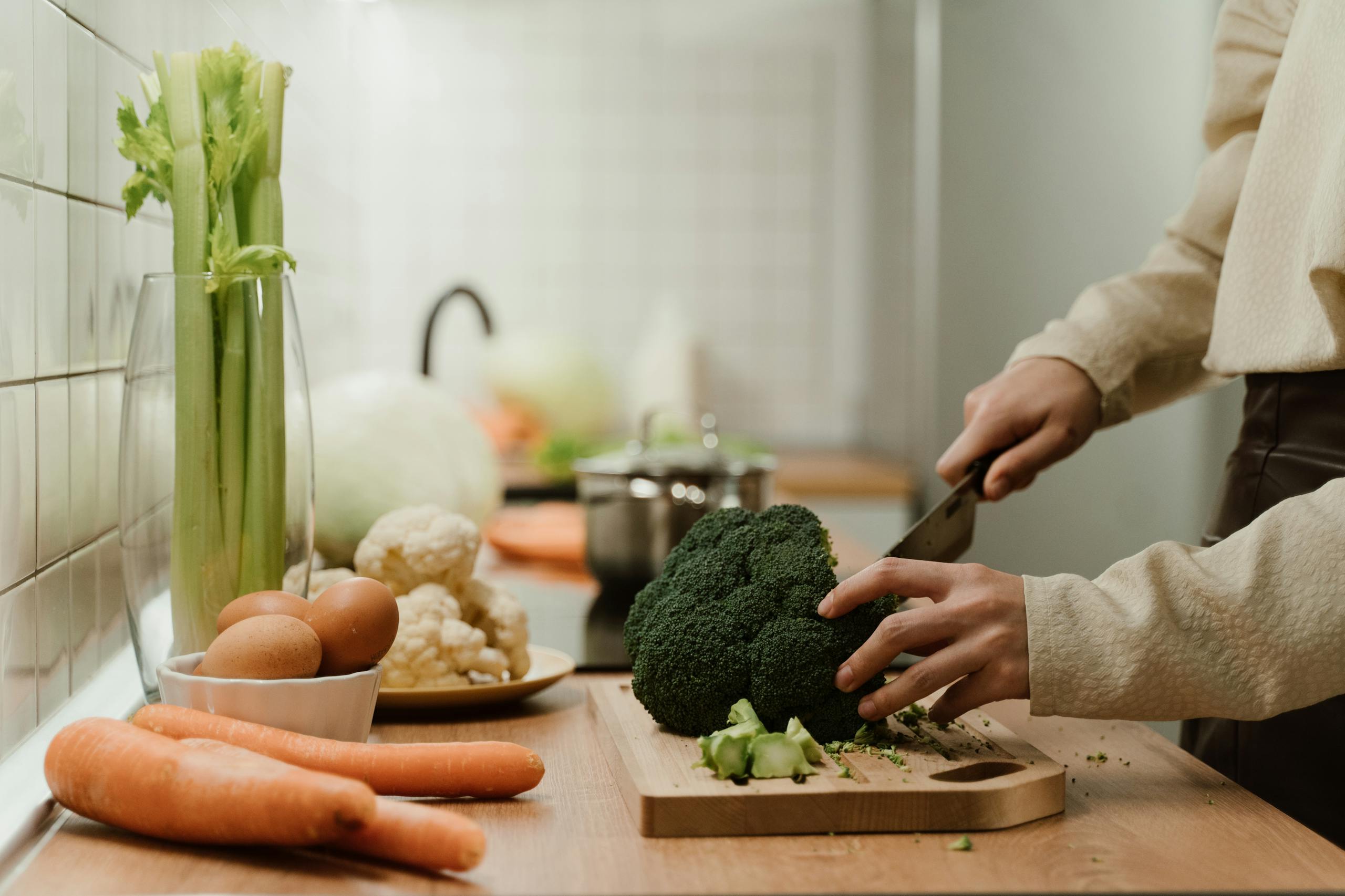
Many kitchen disasters begin before the stove even turns on. Garlic burns while we are still chopping onions. Pasta overcooks while we hunt for the strainer. The chicken sits too long because the vegetables were never washed.
Good cooking needs rhythm. We should read the recipe, gather ingredients, prepare the tools, chop what needs chopping, and measure anything that needs to be ready quickly. This simple habit keeps the kitchen calm. Once heat enters the story, timing matters, and panic is a terrible sous chef.
Conclusion
Most cooking mistakes are not dramatic. They are ordinary habits that quietly steal flavor from food. A cold pan, a crowded skillet, a dull knife, weak seasoning, old herbs, and rushed timing can make even good ingredients taste disappointing.
The good news is that these mistakes are easy to fix once we notice them. Heat the pan properly. Give food space. Let the meat brown without interference. Season early and taste often. Use sharp knives, fresh ingredients, and cookware that works with you, not against you. Better cooking is not about acting like a professional chef. It is about refusing to let small mistakes ruin a meal that could have been great.