Fat bias is one of the few forms of discrimination that still gets disguised as honesty, comedy, advice, or concern. People in larger bodies can be mocked in public, judged in private, ignored in hospitals, overlooked at work, and then told they are being too sensitive when they point it out.
That is what makes this kind of bias so slippery. It does not always arrive with an insult. Sometimes it comes as a doctor’s rushed assumption, a hiring manager’s raised eyebrow, a cruel comment online, or a chair that was never designed for a body outside a narrow standard.
This matters because body size affects a huge part of American life. Recent federal health data places U.S. adult obesity prevalence at just over 40 percent, which means millions of people live in bodies that society often treats as public property.
Their health, discipline, diet, clothing, personality, and worth are judged before they speak. Here are the ugly ways fat bias still shows up in everyday life, often with consequences far more serious than a rude comment.
Doctors Can Blame Everything On Weight
A person in a larger body can walk into a clinic with pain, fatigue, breathing trouble, irregular periods, headaches, swelling, or chest discomfort and still hear the same tired advice before proper testing begins. Lose weight.
That lazy shortcut can turn a medical visit into a moral lecture. It can also delay real answers, because not every symptom in a larger body is caused by weight.
This is one of the most dangerous forms of fat bias because it can push people away from care. Patients who expect shame in the exam room may delay checkups, avoid screenings, or stop trusting medical advice altogether.
Healthcare should be the one place where people are treated with patience, curiosity, and evidence. Instead, many larger patients learn to prepare for judgment before they prepare to describe their symptoms.

Job Applicants Can Be Judged Before The Interview
Fat bias can begin before a person even sits down for a job interview. A résumé may be strong, the experience may match the role, and the candidate may still be quietly judged because of appearance.
Some employers still attach body size to false ideas about discipline, energy, confidence, leadership, and professionalism. That kind of thinking turns weight into an invisible job requirement.
The harm is especially sharp in customer-facing industries, media, hospitality, sales, and leadership roles, where appearance is often treated like part of the brand.
A larger applicant may be seen as less polished before they answer a single question. That is not a fair hiring process. It is an image bias wearing a blazer and pretending to be businesslike.
Bigger Workers Can Pay A Hidden Wage Penalty
Fat bias does not stop once someone gets hired. It can follow workers into salary negotiations, promotion decisions, performance reviews, and leadership opportunities.
Research has linked obesity, especially among women, with wage penalties and weaker workplace evaluations. The cruel part is that this penalty can be hidden in ordinary office decisions.
A manager may not openly say that weight affected their judgment. They may simply offer less mentorship, give fewer visible assignments, question confidence more quickly, or choose a thinner colleague for a public-facing opportunity.
Over time, those small decisions add up to lost income and stalled careers. The worker is left wondering why the effort is not producing the same reward.
The Law Still Leaves Many People Exposed
Many people assume discrimination law covers weight in the same way it covers other personal traits. In most places, it does not. New York City added height and weight protections to its human rights law in 2023, covering employment, housing, and public accommodations.
Michigan has also long had protections related to weight. Still, broad federal protection remains limited.
That gap matters. A person may face cruel treatment from an employer, landlord, business, gym, restaurant, or service provider and still have few clear legal options depending on where they live.
Bias becomes easier to ignore when the law treats it as a local issue rather than a serious civil rights problem. People should not need a specific ZIP code to be protected from body-size discrimination.

Schools Can Turn Larger Children Into Targets
Children in larger bodies often learn about fat bias before they fully understand the concept of discrimination. It can happen in the hallway, during gym class, at lunch, on the bus, or through group chats after school.
The jokes may sound childish to adults, but the emotional damage can last. A child who is constantly mocked may begin to see their body as a problem before they see it as their own.
The damage can spill into academics, friendships, sports, confidence, and mental health. Some children avoid physical activity because they fear being laughed at, only to be blamed for not being active enough.
Others stop joining clubs, stop raising their hands, or shrink socially to avoid attention. That is the cruel loop of weight bullying. It hurts a child, then it blames the child for the scars.
Classrooms Can Reward Thinness Without Saying It
Fat bias in school is not always loud. Sometimes it shows up in expectations. Larger students may be treated as less disciplined, less athletic, less capable, or less socially desirable.
They may be left out of leadership roles, school performances, sports, or peer groups because adults and classmates quietly attach value to body size.
That kind of bias can shape a child’s future in subtle ways. A student who receives less encouragement may start to expect less of themselves. A student who is always treated as the joke may stop trying to be seen.
Schools are supposed to help children grow into themselves. They fail when they allow size-based assumptions to decide which children get confidence and which ones get shame.
Public Spaces Can Humiliate Larger Bodies
Fat bias is built into many public spaces. Airplane seats, theater chairs, restaurant booths, medical gowns, ride restraints, turnstiles, uniforms, and waiting-room furniture often send one cold message.
Fit here or feel embarrassed. For people in larger bodies, even simple outings can require careful planning around possible humiliation.
This is not just about comfort. It is about access. Nobody should have to worry that a chair will break, a seatbelt will not fit, or a stranger will stare because basic design ignored real human bodies.
Society finds room for luxury lounges, oversized vehicles, premium seats, and giant entertainment spaces. It can also find room for dignity.
Social Media Turns Body Shame Into Entertainment
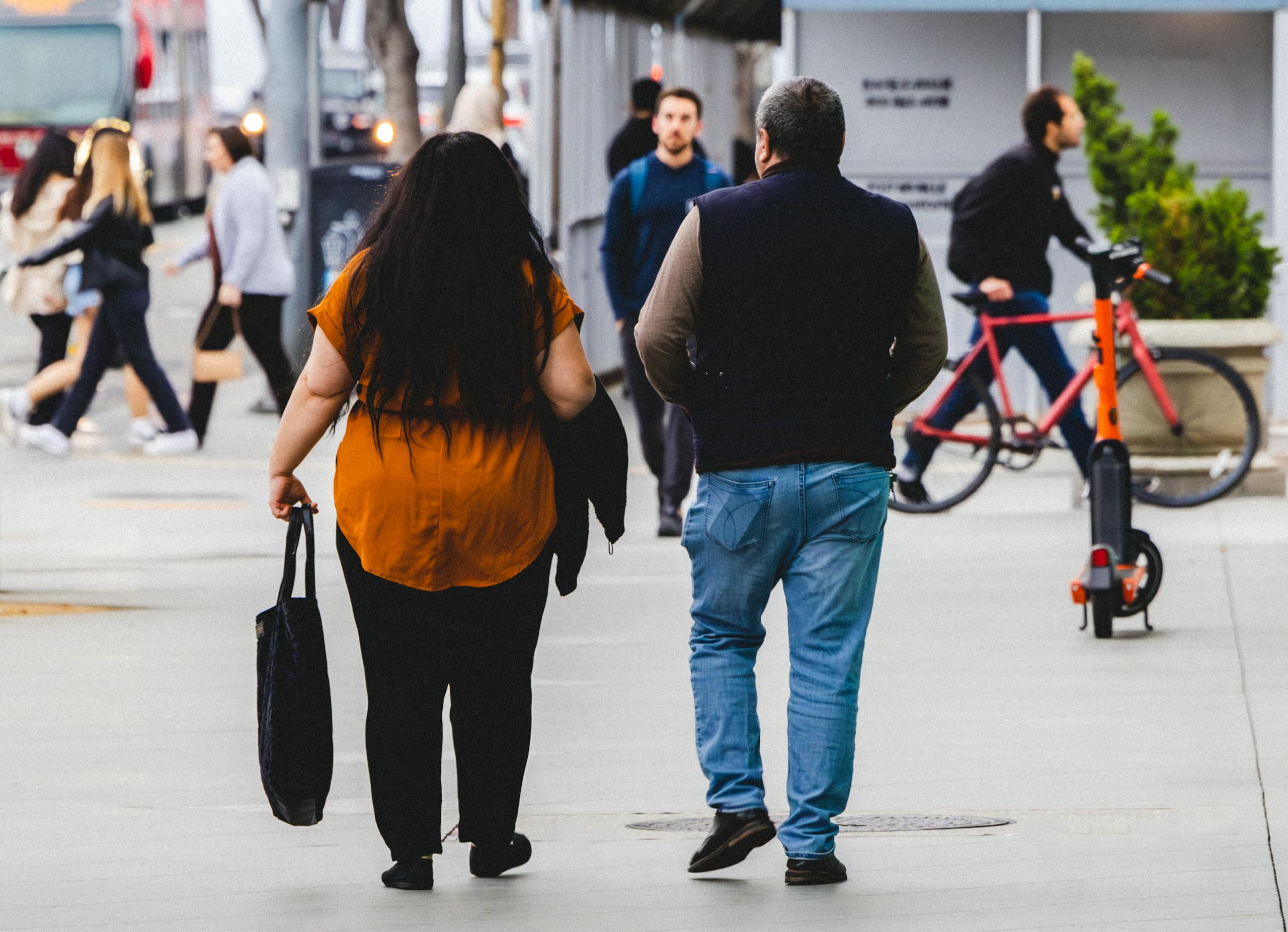
Social media has made fat bias faster, louder, and more profitable. Larger people can be filmed without permission at gyms, beaches, airports, grocery stores, restaurants, or theme parks.
Their bodies become content for strangers who confuse cruelty with comedy. A normal day can turn into viral humiliation when someone wants likes.
This changes how people move through the world. A person may hesitate before exercising in public, eating in a restaurant, swimming, dancing, or wearing an outfit they love because they fear becoming someone else’s joke online.
That is a heavy way to live. No one should have to perform with confidence under the threat of being recorded by a stranger with a mean streak and a phone.
Courtrooms Can Carry Hidden Body Bias
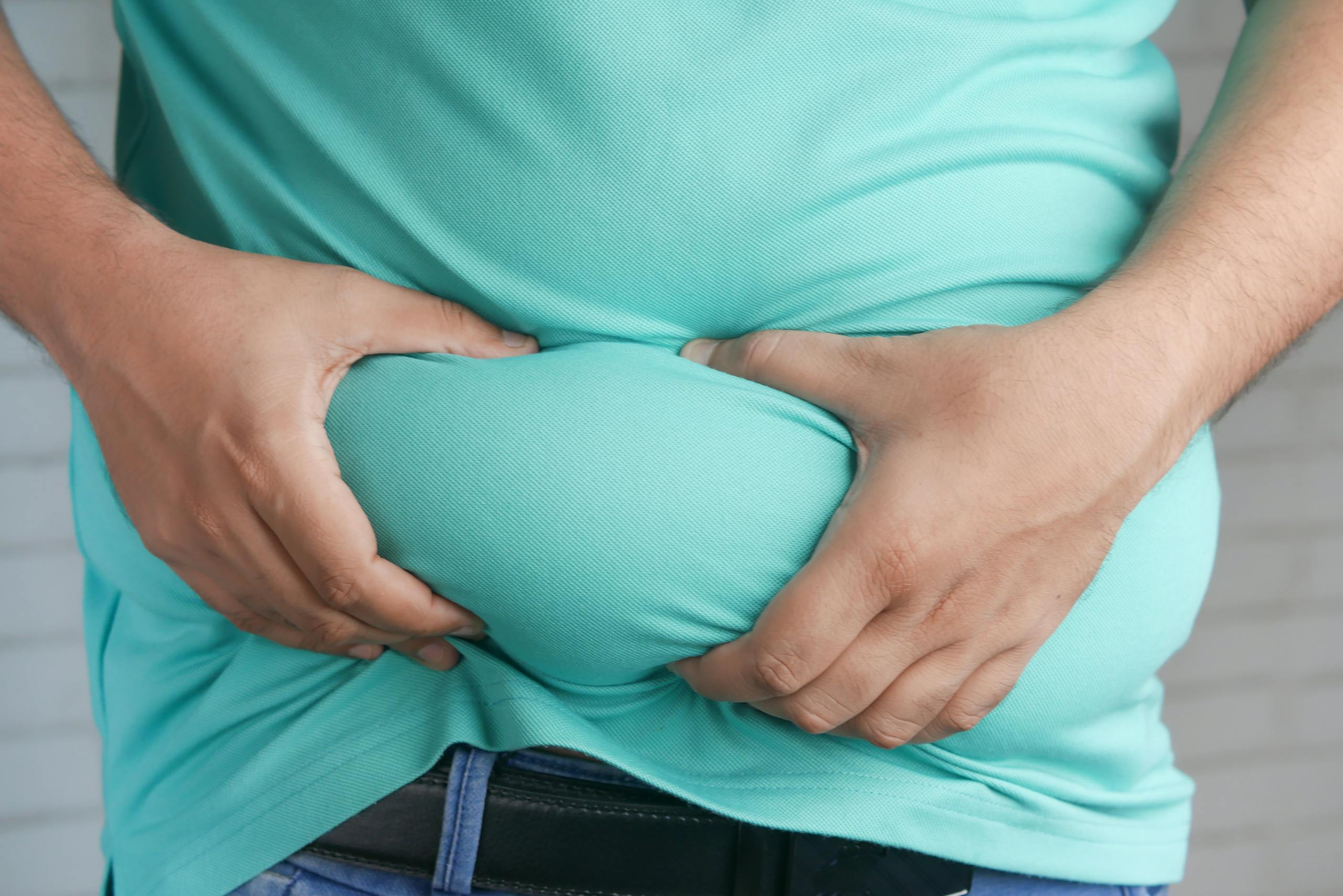
Fat bias can even follow people into legal spaces where fairness is supposed to matter most. Studies on appearance and judgment have raised concerns that body size can influence how people perceive guilt, character, responsibility, and credibility.
This becomes especially disturbing when those judgments affect real outcomes.
A jury, judge, officer, or authority figure may not consciously decide to treat a larger person more harshly. Bias often works quietly. It turns a neutral expression into arrogance, a mistake into irresponsibility, or a defendant into someone who looks less sympathetic.
When appearance begins shaping judgment, justice becomes less about facts and more about stereotypes.
Health Talk Can Turn Into Moral Punishment
Many people defend fat bias by claiming they are only concerned about health. The problem is that real concern does not sound like disgust. It does not mock people, shame them, ignore their pain, or reduce their entire life to a number on a scale.
Health is influenced by genetics, income, medication, stress, sleep, disability, food access, trauma, neighborhood design, work schedules, and medical care. Pretending it is only about willpower is simple, but it is not honest.
Shame also does not make people healthier. It often leads people to hide, delay care, avoid public movement, distrust doctors, and carry stress that can worsen health over time.
A better health conversation would focus on access, support, prevention, treatment, and dignity. It would stop treating larger bodies as public warnings and start treating people as human beings.
Families Can Disguise Cruelty As Tough Love
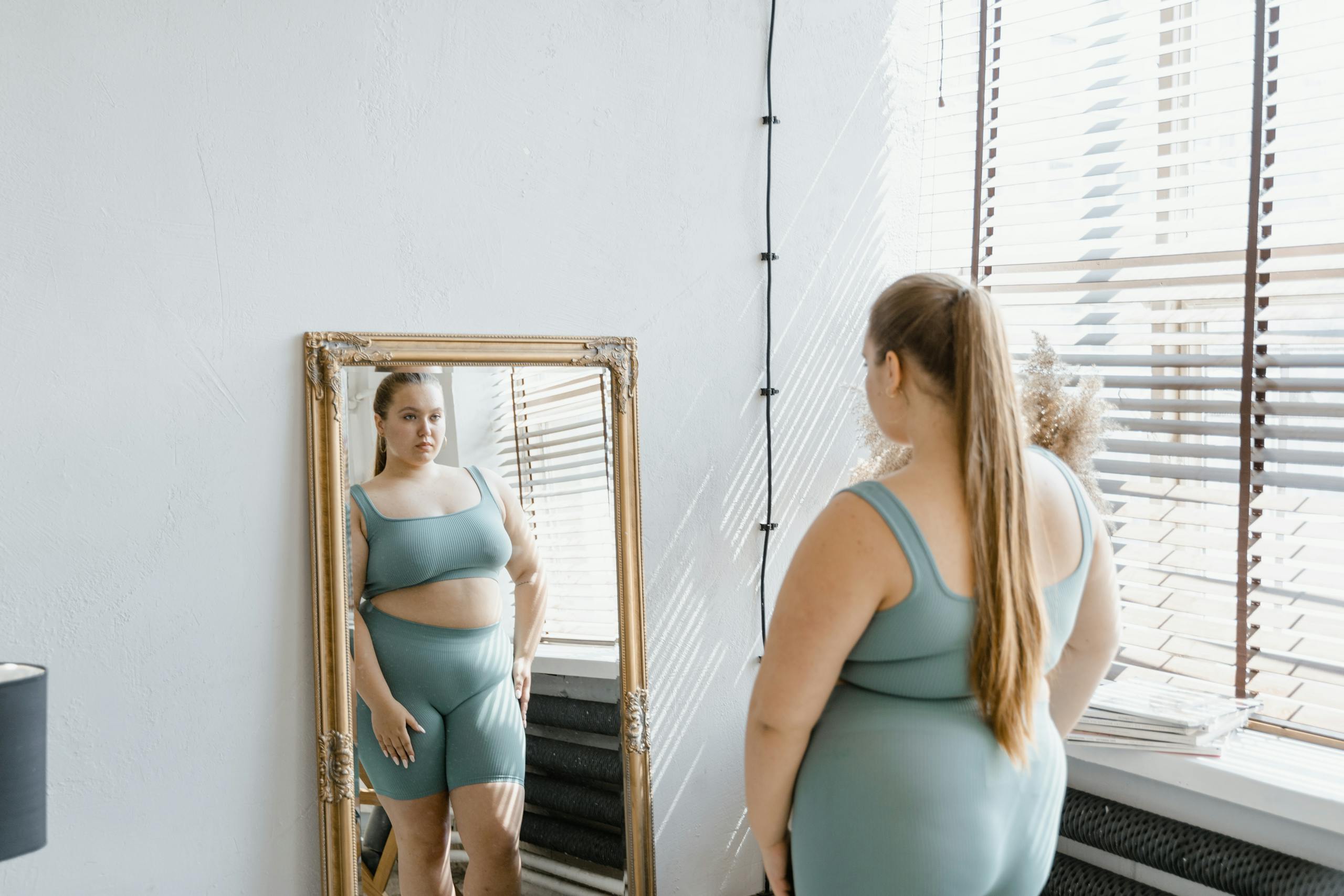
Some of the deepest wounds happen at home. A parent, sibling, aunt, uncle, partner, or friend may claim they are “just trying to help” while making comments about food, clothing, dating, movement, or appearance.
Those remarks can sound small to the person saying them, but they can sit in someone’s memory for years.
Tough love becomes cruel when it turns affection into a performance review. A child should not feel less loved because of body size. A partner should not feel like they must earn tenderness by shrinking.
Families can support health without making someone feel watched at every meal. Love should be a safe place, not another room where the body gets judged.
Fashion Still Treats Larger Bodies Like An Afterthought
Clothing is one of the most ordinary ways people express identity, but fat bias makes it harder than it should be. Larger shoppers often face limited sizing, dull designs, higher prices, poor fits, and stores that push plus-size sections into hidden corners or online-only categories.
The message is painfully clear. Style is for some bodies first, and others later.
That exclusion affects more than appearance. Clothing shapes confidence, professionalism, dating, comfort, and self-expression. A person should not have to choose between looking good and finding something that fits. Fashion has no shortage of creativity when it wants to sell fantasy. It should be creative enough to serve real people.

Dating Culture Can Make Body Size Feel Like A Public Verdict
Fat bias in dating is often brutal because it mixes rejection with public judgment. Larger people may be fetishized, ignored, insulted, hidden, or treated as if they should be grateful for any attention.
Dating apps can make this worse by turning people into quick swipes and shallow judgments. A person’s warmth, humor, loyalty, ambition, and emotional depth can be dismissed in a matter of seconds.
The cruelty is not ordinary rejection. Everyone gets rejected. The problem is when body size becomes a reason to dehumanize someone.
People in larger bodies deserve romance without shame, desire without secrecy, and respect without conditions. Attraction is personal, but cruelty is a choice.
How Fat Bias Keeps Repeating
Fat bias survives because it feeds itself. Society labels larger bodies as lazy, careless, unhealthy, or undisciplined. Those stereotypes shape treatment in hospitals, workplaces, schools, public spaces, families, and online communities.
The person experiencing the bias may then face stress, avoidance, isolation, lower confidence, and fewer opportunities.
Then society points at those outcomes and calls them proof. That is the trap. Bias causes harm, then blames the person for being harmed. Breaking that cycle means refusing to treat body size as a shortcut for character, intelligence, health, or worth.
A Fairer Society Would Stop Confusing Shame With Health
A fairer society would not pretend that cruelty is a wellness strategy. Doctors would investigate symptoms rather than rush to weight. Employers would judge skills rather than body shape.
Schools would protect larger children instead of letting classmates turn them into punchlines. Designers would build public spaces for real human bodies. Families would offer support without humiliation.
This does not require ignoring health. It requires discussing health with maturity. People can talk about nutrition, movement, disease prevention, and medical treatment without treating larger bodies as moral failures. Respect does not make healthcare weaker.
It makes care more effective because people are more likely to seek help when they know they will be treated like human beings.
Conclusion
The cruel reality of fat bias is that it follows people almost everywhere. It can shape medical care, hiring, income, education, travel, dating, fashion, family life, and public safety. It can hide behind jokes, policies, concern, tradition, and personal preference. That is why it remains so powerful.
People in larger bodies do not need society’s permission to deserve dignity. They already deserve it. The real question is whether workplaces, hospitals, schools, families, courts, businesses, and online spaces are willing to stop rewarding cruelty when it is aimed at weight.
A healthier culture will not be built on shame. It will be built on fairness, evidence, access, and the simple decision to treat people as more than bodies to be judged.