At the parade, everyone claps. At the airport, strangers nod with respect. On Veterans Day, social media fills with flags, family photos, old uniforms, and polished words about sacrifice.
Then the noise fades.
The veteran still has to find a job, sleep through the night, explain military experience to a civilian boss, sit in a crowded grocery store, fight through benefits paperwork, and figure out who they are without the uniform.
That is the quiet truth behind the struggles veterans face after service. America is good at calling them heroes, but many veterans say the harder work begins when the applause stops, and ordinary life expects them to blend back in.
Civilian Life Can Feel Shockingly Unstructured

The military gives people a schedule, a rank, a mission, and a clear place in the group. Civilian life can feel loose by comparison. No one tells you where to be, what comes next, or how to measure whether you are doing well.
That freedom can feel good at first, then strange. Nearly half of post-9/11 veterans have described a difficult return to civilian life, which shows why leaving the military is not just a career change. It can feel like losing a whole operating system.
Job Hunting Can Feel Like Translating a Foreign Language
A veteran may know how to lead under pressure, manage people, handle equipment, follow complex instructions, and make decisions when the stakes are high. Still, those skills can look confusing on a civilian resume if employers do not understand military roles.
That mismatch can feel humiliating. Someone who carries serious responsibility may suddenly be treated like a risky hire or an entry-level applicant. The challenge is evident in recent employment numbers, especially when outcomes vary by age, gender, service era, and disability status.
The Body Keeps Remembering What Service Cost
Some veterans come home with visible injuries. Others carry pain that does not show up in a handshake. Back problems, bad knees, hearing loss, migraines, old injuries, sleep trouble, and exposure concerns can follow them for years.
The emotional toll can be just as heavy. A person who once felt strong and mission-ready may struggle to ask for help, slow down, or admit that the body has changed. For many veterans, pain is not a single medical issue. It becomes part of daily life.
Mental Health Struggles Can Hide Behind Discipline
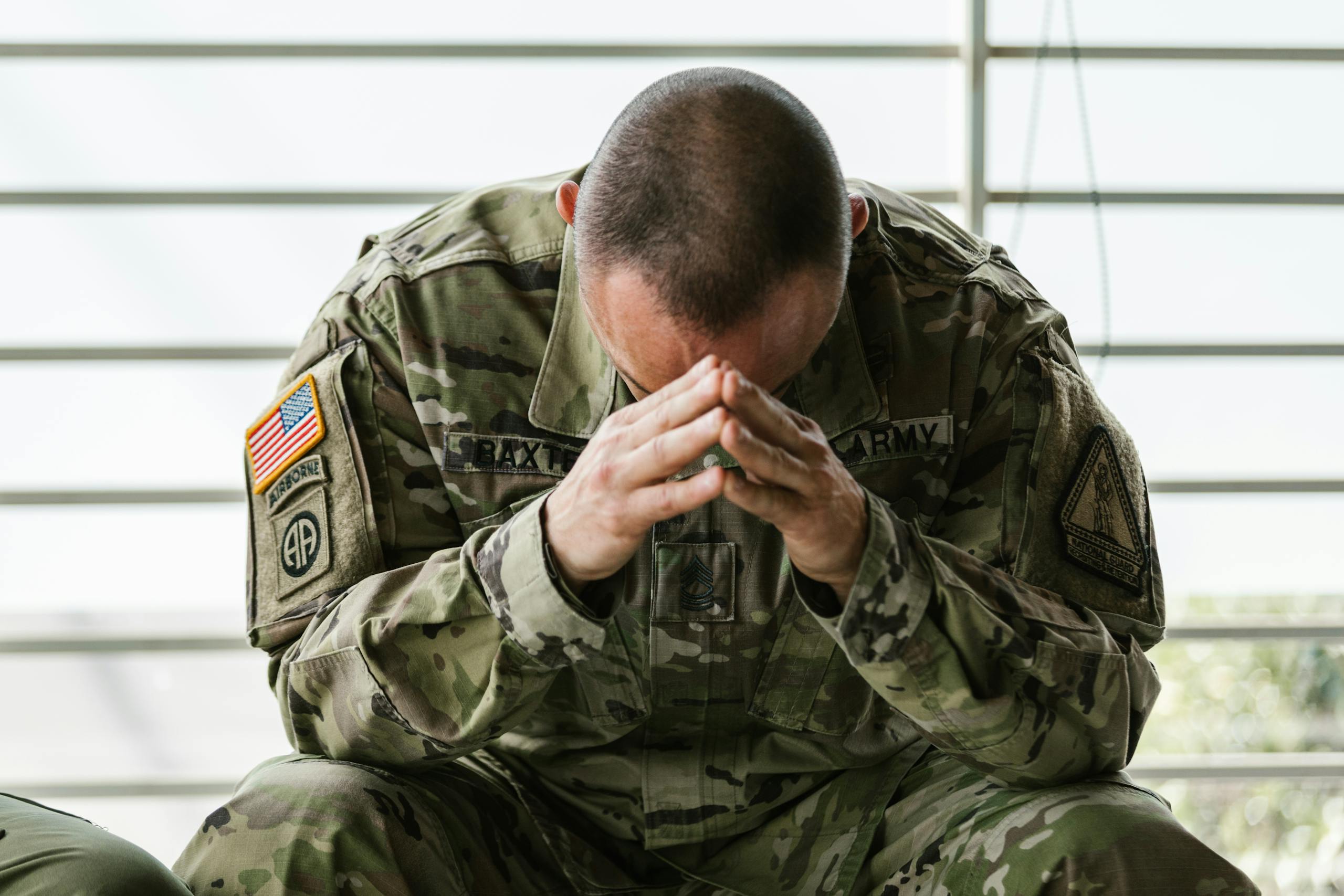
Veterans are often trained to stay composed. That strength can help them survive hard situations, but it can also hide serious pain. Anxiety, depression, guilt, anger, nightmares, and emotional numbness may stay buried behind a calm face.
This is one of the most serious things veterans struggle with after service. The weight behind veteran suicide findings shows why mental health support cannot be treated like a side issue. Some veterans do not need another speech about bravery. They need timely care, steady support, and people who notice when silence gets dangerous.
Family Life Does Not Simply Snap Back Into Place
Homecoming can be beautiful, but it is rarely simple. A spouse may have learned to manage the household on their own. Children may be older, cautious, or unsure how to reconnect. Parents may expect the same person who left, then feel confused by the person who came back.
Veterans can also feel like visitors in their own homes. They may have missed birthdays, routines, jokes, and quiet family rhythms that continued without them. Love may still be there, but trust and closeness often need to be rebuilt slowly.
Being Called a Hero Can Feel Complicated
Many Americans use the word “hero” with respect. Some veterans accept it warmly. Others feel uncomfortable with it because the word can sound too simple for everything they have lived through.
The label can also make honesty harder. If everyone keeps praising someone, that person may feel less able to say they are angry, tired, grieving, guilty, or lost. A veteran can be proud of service and still wounded by it. Both truths can live in the same person.
Isolation Can Grow After the Uniform Comes Off
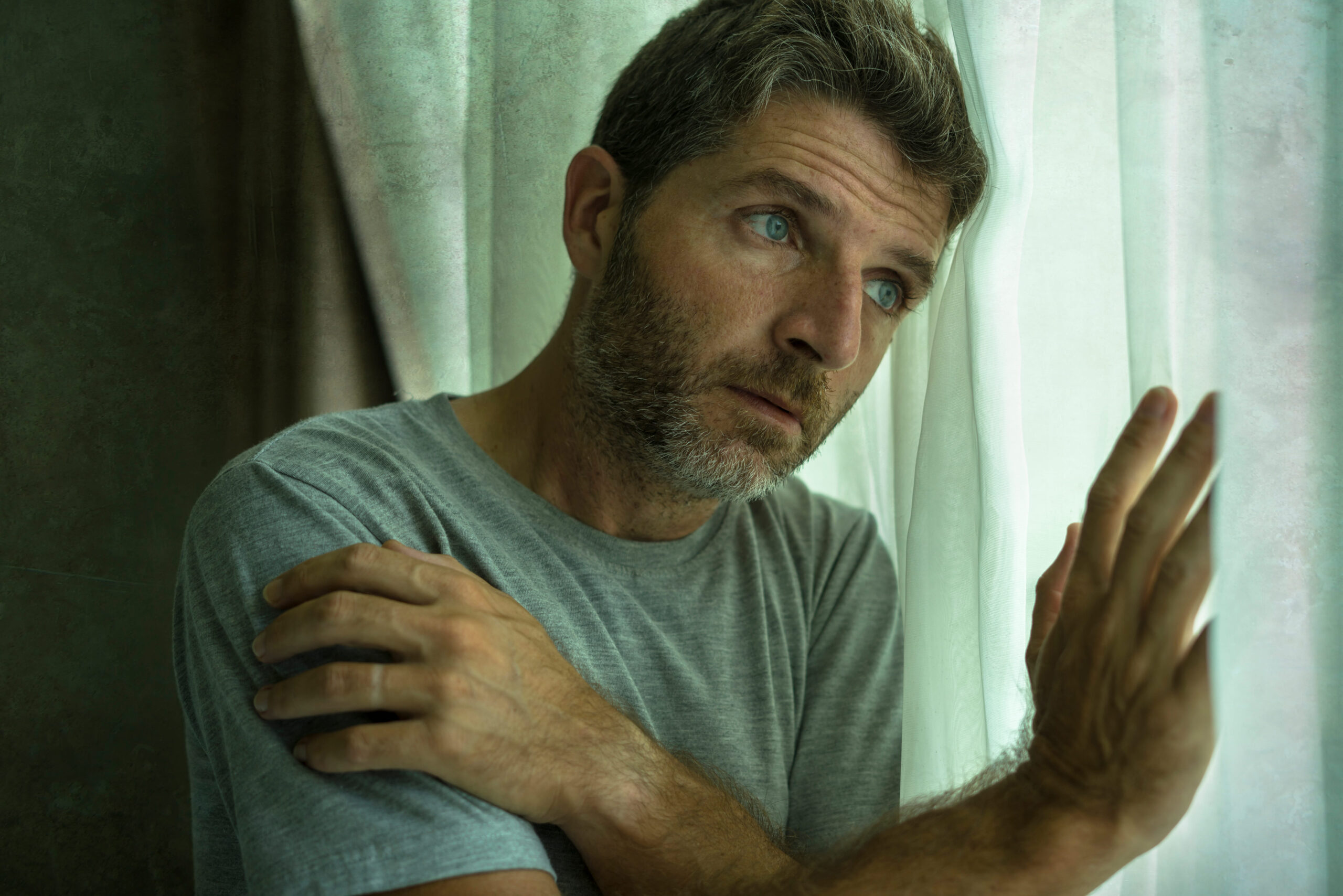
Military life can create intense bonds. People train, work, deploy, struggle, joke, and endure pressure together. After service, those bonds can scatter across different states, jobs, families, and time zones.
That sudden quiet can be painful. Civilian friendships can be meaningful, but they may not offer the same shorthand understanding. Some veterans miss being around people who do not need the whole story explained before they grasp its weight.
Housing Trouble Can Hit Harder Than People Imagine
Many people assume veterans automatically have a safety net waiting for them. Some do. Others return to high rent, unstable work, family tension, medical problems, or mental health struggles that make housing harder to keep.
The issue remains serious because public gratitude does not always become a safe place to sleep. Ongoing homelessness count data still tracks veterans among people without stable housing, a reminder that a salute cannot replace rent, treatment, employment, and support.
Paperwork Can Feel Like a Second Battle
Benefits, medical records, disability claims, appointments, appeals, education programs, housing help, and job training can all involve paperwork. For a veteran already dealing with pain, stress, or family pressure, the system can feel cold and exhausting.
The frustration is not just the form itself. It is proving the injury, waiting for answers, repeating painful details, and learning how to describe what changed in the service. Millions of Americans have served, as shown by the size of the veteran population, making clear and humane support systems more than a courtesy. They are a national responsibility.
Conclusion

The struggles veterans face after service are often hidden behind patriotic language. America knows how to clap, salute, post flags, and say thank you. Those gestures can matter, but they cannot carry the full weight of life after the uniform.
Veterans need more than admiration. They need employers who understand their skills, health care that moves quickly, families with room for honest adjustment, communities that notice isolation, and systems that do not make help feel like another obstacle course.
Calling someone a hero is easy. Helping them build a stable, peaceful, dignified life after service takes more effort. That is where gratitude becomes real.