Marriage is often sold as the grand prize of adulthood. The white dress, the shared last name, the anniversary posts, the matching mugs, and the promise of forever all come wrapped in a very convincing package. But behind the romance, marriage is not a universal dream, and it should never be treated like proof that someone has succeeded at love.
Some people thrive in marriage. Others feel boxed in by it. That does not make them broken, selfish, or afraid of commitment. It simply means they understand themselves well enough to know that love can exist in different forms. Marriage may be beautiful for many, but it is not the only path to happiness, stability, or deep connection.
Some People Value Independence Too Deeply

Marriage often requires shared decisions, shared routines, and constant emotional negotiation. For people who love independence, that level of togetherness can feel more suffocating than comforting. They may enjoy love, loyalty, and companionship, but still need wide personal space to feel fully alive.
This does not mean they are incapable of caring for someone. It means they do not want their identity swallowed by a relationship structure. Some people function best when they can make choices freely, protect their solitude, and build a life that does not require constant compromise.
Marriage Can Feel Too Restrictive
For some, marriage feels less like romance and more like a contract with emotional expectations attached. The idea of legal ties, shared assets, family obligations, and lifelong promises can feel overwhelming. What others see as security, they may experience as pressure.
Love should not feel like a cage with flowers on the door. Some people want a connection without feeling locked into a social script. They may prefer relationships that grow naturally without the weight of legal and cultural expectations pressing down on them.
Not Everyone Wants Traditional Roles

Marriage still carries old expectations, even in modern relationships. Some people are expected to cook, provide, sacrifice, clean, parent, submit, lead, or behave according to roles they never chose. These expectations can quietly turn love into performance.
People who reject traditional roles may struggle with marriage because they do not want their relationship shaped by outdated rules. They want a partnership, not a prewritten script. If marriage comes with assumptions that limit freedom, ambition, or personality, it may not feel like the right fit.
Some People Have Seen Too Many Unhappy Marriages
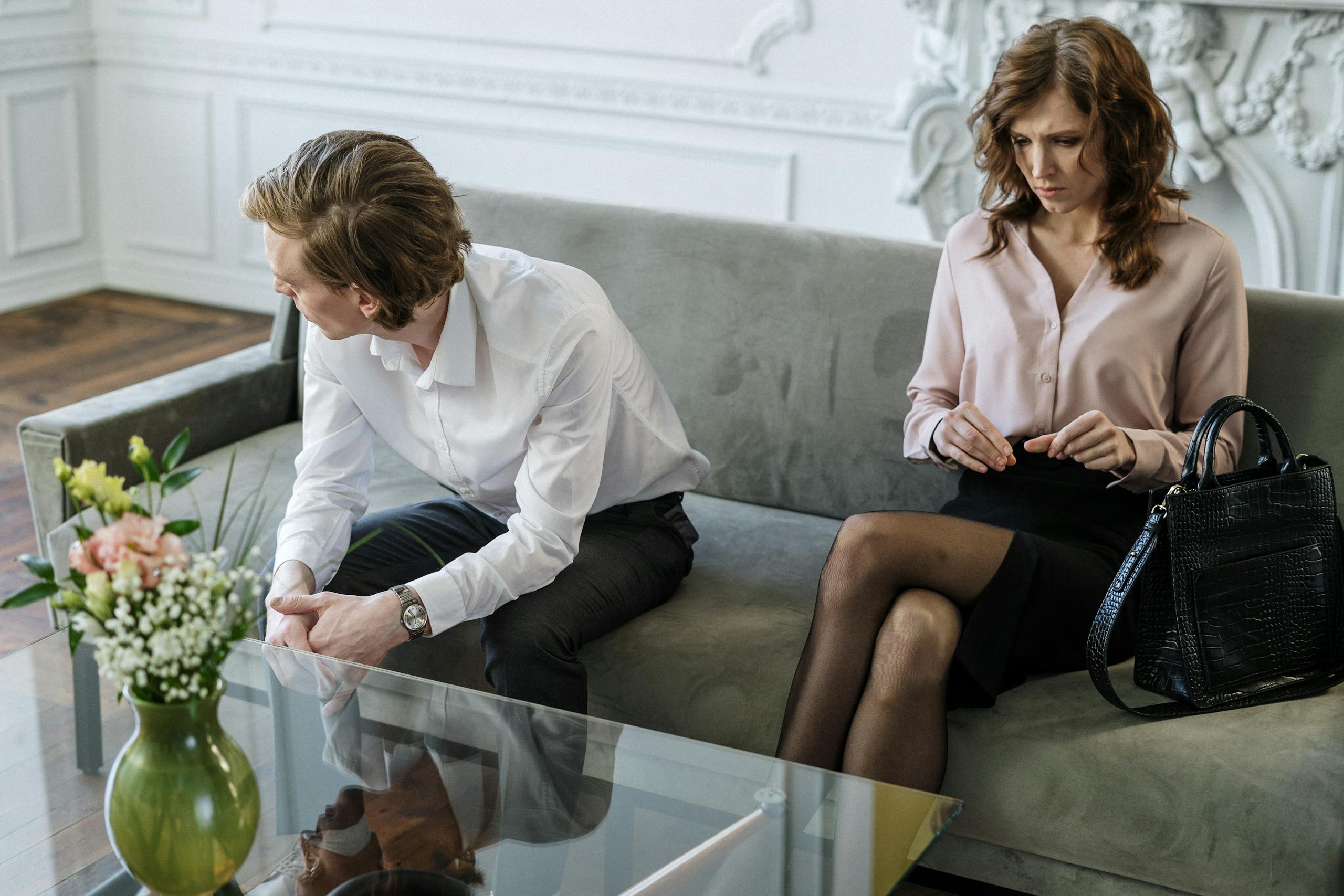
Watching unhealthy marriages can change how a person views commitment. People who grew up around constant arguments, betrayal, emotional distance, or silent resentment may not see marriage as a safe dream. They may see it as something that can trap people in pain.
This does not mean they hate love. It means they have learned that marriage alone does not guarantee happiness. A ring cannot fix incompatibility, dishonesty, disrespect, or emotional neglect. For some, staying unmarried feels safer than repeating patterns they have already witnessed too closely.
Personal Growth May Matter More Than Partnership
Some people are in a season where their growth demands focus. They may want to build a career, travel, heal, study, create, serve, or simply understand themselves better before attaching their life to someone else’s. Marriage can feel like an interruption when a person is still becoming who they want to be.
This kind of choice is not selfish. It can be deeply responsible. Entering marriage before knowing yourself can lead to resentment later. Some people would rather grow honestly alone than commit prematurely and expect another person to carry their confusion.
Marriage Does Not Always Match Their Idea of Love
Not everyone believes love needs a legal label to be real. Some people can love deeply without needing vows, paperwork, ceremonies, or public approval. To them, commitment is shown through daily behavior, not official status.
They may believe that two people can be loyal, supportive, and emotionally connected without getting married. For them, love is not measured by a certificate. It is measured by honesty, consistency, care, and the freedom to choose each other without feeling forced by tradition.
Some People Fear Losing Themselves
A common fear around marriage is the possibility of disappearing inside another person’s life. Some people have seen partners give up dreams, friendships, hobbies, beliefs, and personal style just to keep a marriage alive. That loss can feel terrifying.
People who treasure their identity may avoid marriage because they fear becoming someone’s spouse before they remain fully themselves. They do not want their name, choices, and personality reduced to a role. They want love that expands them, not one that slowly edits them down.
Financial and Legal Risks Feel Too Heavy

Marriage is emotional, but it is also financial and legal. It can affect property, debt, taxes, inheritance, retirement plans, and future obligations. For some people, those risks are too serious to ignore, especially if they have worked hard to build independence.
Romance can fade, but legal consequences can remain. People who have seen messy divorces, financial control issues, or expensive separations may hesitate to enter a system that can be painful to leave. Their caution is not cold. It is practical.
Some People Are Happier Alone
This may be the truth that many people struggle to accept. Some people are simply happier alone. They enjoy their routines, their quiet, their freedom, their friendships, and their ability to shape life without romantic compromise. They are not waiting to be rescued from loneliness. They are at peace with themselves.
Being alone does not always mean being lonely. For some, solitude is where they feel strongest, calmest, and most authentic. Marriage would not complete them because they do not feel incomplete. Their life already has meaning, purpose, and joy.
The Truth About Marriage and Happiness
Marriage can be beautiful when it is built on respect, honesty, emotional maturity, and shared vision. But it becomes harmful when people enter it just to satisfy family pressure, social expectations, fear of loneliness, or the belief that adulthood requires a spouse.
No one should be shamed for wanting marriage, and no one should be shamed for choosing a different path. Love is not one-size-fits-all. Some people bloom in marriage, and some bloom outside it.
The real goal is not to get married just because society expects it. The goal is to build a life that feels honest, peaceful, and deeply your own. For some, that life includes a spouse. For others, it does not, and that can be just as valid.