Ballroom funding has become the latest flashpoint in American politics, sparking outrage and confusion across communities. What once seemed like a niche cultural investment now exposes uncomfortable truths about how money, influence, and priorities collide in public life.
These ten disturbing realities show how funding choices can reveal far more than the events they are meant to support. Understanding these patterns is crucial to seeing why the issue matters beyond glittering dance floors.
Misaligned Priorities Show Where Power Really Lies

Ballroom funding often exposes a disconnect between government spending and community needs. Taxpayer dollars intended to support essential services are sometimes redirected toward projects that prioritize spectacle over substance.
This allocation reveals who holds influence and whose interests are being protected. When decision-making favors high-visibility projects over urgent public needs, citizens may feel neglected and powerless.
The problem extends beyond money. It reflects priorities shaped by networks of influence, lobbying, and social capital. Communities that lack connections can see resources bypassed in favor of symbolic gestures for those already in positions of power. This leaves citizens questioning whether their voices matter in decisions about local funding.
The Cost of Image Over Impact

Investing in ballroom spaces and events often carries the allure of prestige, media coverage, and viral attention. Decision-makers may be more focused on appearances than on measurable benefits to the population. Dollars spent on ornate halls or high-profile performances can overshadow investments in education, housing, or public safety.
The result is a public perception that spectacle has been prioritized over substance. This focus on image can undermine trust in leadership. Constituents begin to perceive public dollars as a tool for social signaling rather than civic improvement.
The consequences are long-term, shaping voter sentiment and increasing skepticism toward government initiatives. A society that prizes image over impact risks widening existing inequality gaps.
Lack of Transparency Fuels Public Suspicion
Ballroom funding often lacks clear reporting, making it difficult to track exactly how money is spent. This opacity feeds suspicion and invites allegations of mismanagement, favoritism, or corruption. Without accountability, citizens are left wondering whether their taxes serve the public or private interests.
Transparency is essential to prevent the misuse of public funds and to ensure that resources reach the communities that need them most. The absence of clarity also encourages misinformation. Social media amplifies incomplete or misleading narratives, increasing public frustration.
When people cannot verify spending, assumptions fill the gaps, often painting funding decisions as scandalous even when intentions are benign. This cycle erodes confidence in governance and civic institutions.
Cultural Investments Can Be Weaponized
Ballroom funding highlights how cultural initiatives are sometimes leveraged to project influence or curry favor with specific communities. Support can be framed as inclusive or celebratory, but often it comes with political strings attached.
Funding becomes a tool to reinforce loyalty, secure votes, or promote agendas under the guise of cultural enrichment. The consequences are subtle but profound, shifting the purpose of culture from community engagement to political leverage. This manipulation can create tension within communities.
Individuals may feel pressured to align with certain leaders or organizations to access resources. Over time, cultural expression risks being compromised by politics, reducing authenticity and the genuine benefit for participants. Observing these patterns reveals how funding decisions intersect with power dynamics beyond the ballroom.
Inflation and Rising Costs Exacerbate Public Outrage

The public reaction to ballroom funding intensifies when basic living costs and public service pressures are high. Citizens weigh discretionary spending on entertainment spaces against rising healthcare, housing, and utility expenses.
The perception of misaligned priorities becomes more acute during times of economic strain. When money for glittering events contrasts with unmet needs, anger and resentment grow.
This is not purely financial. It reflects values and expectations about fairness. People expect public dollars to alleviate hardship before financing spectacle. The tension between discretionary cultural spending and essential services underscores a broader debate about responsibility and justice.
Inequality Becomes Visible in Resource Allocation
Ballroom funding often magnifies disparities between well-connected and underrepresented communities. Grants, sponsorships, and access to high-profile venues typically favor areas with existing influence.
Neighborhoods without established networks may struggle to secure similar support, widening gaps in cultural and social opportunities. This visibility makes inequality tangible and emotionally charged.
The imbalance is more than symbolic. It affects social mobility, community cohesion, and access to cultural capital. Observing which neighborhoods gain funding and which do not reveals the uneven distribution of opportunity. Public reaction to this inequity often fuels activism, debate, and criticism.
Short-term Gains Often Overshadow Long-term Planning

Khwanchai Phanthong via Pexels
Funding decisions frequently prioritize immediate impact or spectacle rather than sustainable infrastructure. Resources may be directed to events designed for publicity rather than to long-lasting facilities or programs.
While short-term attention can generate excitement, it often leaves communities with incomplete or poorly maintained spaces. This approach sacrifices durability for visibility. Leaders face pressure to produce results quickly, which can conflict with strategic planning.
Investments intended to demonstrate responsiveness or innovation may inadvertently undermine long-term benefits. Citizens become frustrated when promises of cultural enrichment fade after the initial performance or ribbon-cutting. Sustainable planning is crucial to balance excitement with practical community improvement.
Conflicts of Interest Complicate Funding Decisions
The dance of dollars and influence in ballroom funding reveals conflicts of interest that are difficult to untangle. Decision makers, organizers, and sponsors may share overlapping relationships that cloud objectivity.
When approvals or allocations favor connected individuals, trust in fairness diminishes. Conflict of interest is rarely blatant but is often suspected by observers and participants alike. This perception can be more damaging than the reality.
Even small overlaps of influence can be interpreted as favoritism, eroding faith in institutions. Ensuring impartiality requires independent oversight, transparent criteria, and public reporting. Without these measures, funding risks being viewed as a tool for private advantage rather than public benefit.
Media Sensationalism Turns Funding Into Scandal
Ballroom funding can become viral news almost instantly, with coverage emphasizing extravagance, controversy, or misuse. Headlines focus on spectacle, outrage, and conflict, often ignoring nuanced community impact or positive outcomes.
This sensationalism magnifies negative perceptions and fuels partisan narratives. Media framing transforms a cultural investment into a public relations battlefield. The effect on relationships between leaders and constituents is immediate.
Communities feel pressure, embarrassment, or distrust as events are portrayed as wasteful or frivolous. Decision makers respond defensively, perpetuating cycles of criticism and miscommunication. Understanding media dynamics is essential for navigating public perception around funding.
Political Fallout Can Undermine Civic Engagement
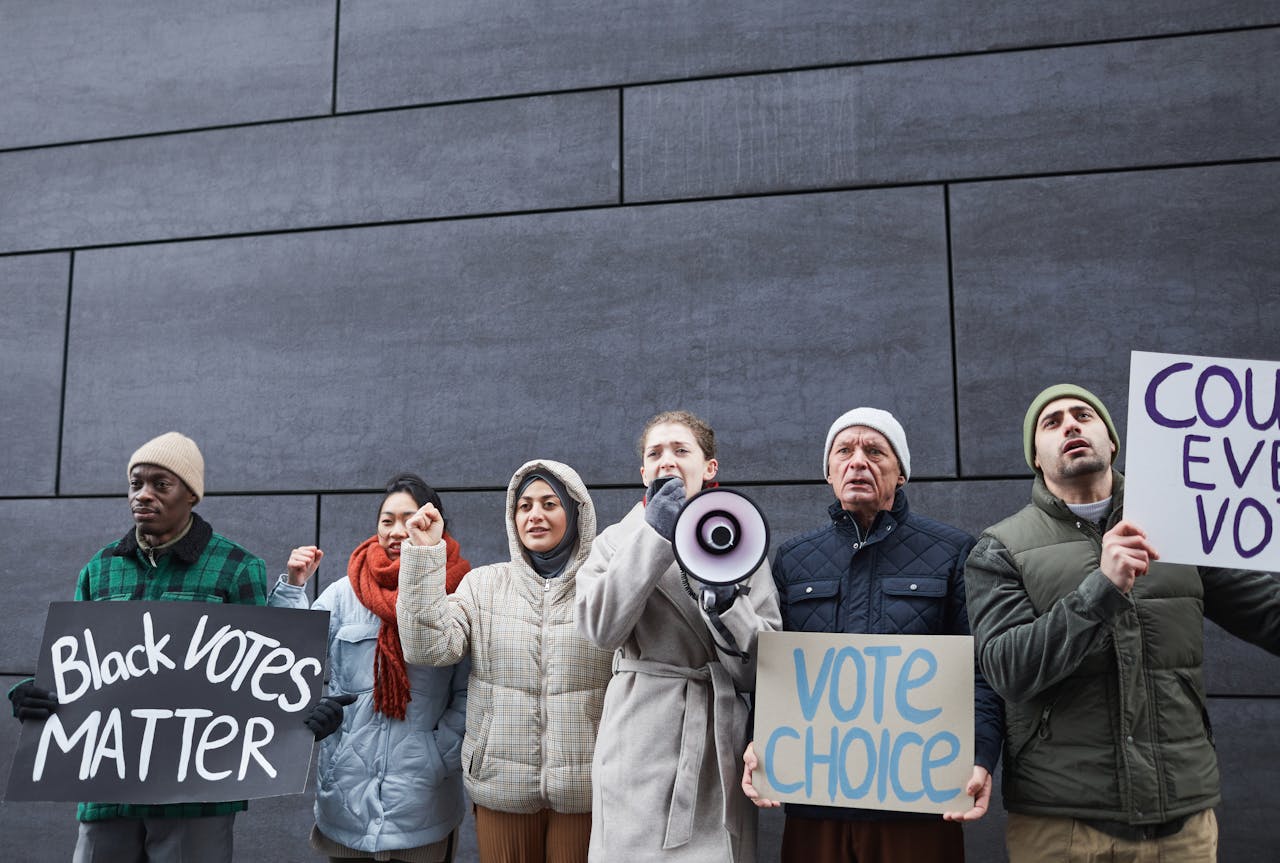
Ballroom funding controversies can discourage citizens from participating in governance or cultural planning. When projects are perceived as politicized, mismanaged, or inequitable, trust in institutions erodes. Civic engagement declines, reducing input from those who could advocate for improvement or oversight.
The negative cycle makes future funding decisions more contentious and less collaborative. When people disengage, decisions become concentrated among insiders or well-connected groups. This concentration increases the risk of repeating mistakes, favoritism, or misallocation.
Transparency, accountability, and genuine community participation are crucial to preventing long-term damage. Without public confidence, even culturally valuable projects are vulnerable to backlash.
Conclusion
Ballroom funding is more than a line item in a budget or a flashy cultural project. It reflects deeper truths about power, priorities, inequality, and influence in the United States. From transparency issues and political manipulation to economic strain and social inequities, funding decisions reveal systemic challenges that affect communities and civic trust alike.
The ten disturbing realities outlined here demonstrate how seemingly glamorous investments can generate controversy, resentment, and disengagement. Communities that succeed demand accountability, thoughtful planning, and equitable access to resources.
Awareness of these dynamics allows citizens to advocate for funding that serves both cultural enrichment and public responsibility. Understanding the hidden impact of ballroom funding is critical to creating spaces that inspire rather than divide.