America does not always destroy its health with one dramatic decision. Sometimes it happens in the drive-thru line, at the office desk, on the couch after work, in the frozen-food aisle, or at midnight when someone says, “Just one more episode.”
The damage can feel invisible at first because the habits are so normal. Everybody is tired. Everybody snacks. Everybody sits too long. Everybody says they will start walking next week.
That is the scary part. Many of the routines that are slowly wearing down American bodies look ordinary, convenient, and even deserved after a long day. Yet during August 2021 through August 2023, 40.3% of adults in the United States had obesity, which shows how deeply everyday routines around food, movement, sleep, stress, and convenience are shaping the country’s health.
Sitting for Most of the Day

Sitting has become America’s default position. People sit in cars, at desks, in waiting rooms, at dinner tables, and on couches while telling themselves they are too tired to move because they spent the whole day working. The problem is that many jobs now exhaust the mind while barely moving the body.
Long hours of sitting can leave muscles stiff, posture weak, circulation sluggish, and energy lower than people expect. It also makes exercise feel harder because the body gets used to stillness. A person does not need to become a gym warrior overnight. But getting up every hour, walking after meals, stretching during TV breaks, and taking the stairs when possible can help the body move again.
Eating Ultra-Processed Food Like It Is Normal Food
Many American meals are designed for speed, not nourishment. Breakfast comes from a wrapper. Lunch comes from a drive-thru. Dinner comes from a box, a delivery app, or a freezer tray that promises comfort in six minutes. It may be convenient, but the body knows the difference between real fuel and food engineered to be salty, sweet, soft, and impossible to stop eating.
Adults ages 19 to 39 got 54.4% of calories from ultra-processed foods during August 2021 through August 2023, while adults ages 40 to 59 got 52.6%, and adults 60 and older got 51.7%. That means many Americans are not just “snacking sometimes.” They are building half their diet around products that can crowd out fiber, protein, fruits, vegetables, and whole foods.
Sleeping Like Rest Is Optional
Too many Americans treat sleep like a weak person’s hobby. They stay up answering emails, scrolling TikTok, watching sports highlights, worrying about bills, or trying to squeeze in one quiet hour amid a day that took everything from them. Then morning arrives, and they call exhaustion “adulting.”
Poor sleep does more than create dark circles and bad moods. It can affect hunger, focus, blood pressure, immune function, reaction time, and emotional control. In 2022, the share of adults not getting enough sleep ranged from 30% to 46% across states, underscoring the continued prevalence of short sleep nationwide.
Drinking Calories Without Counting Them
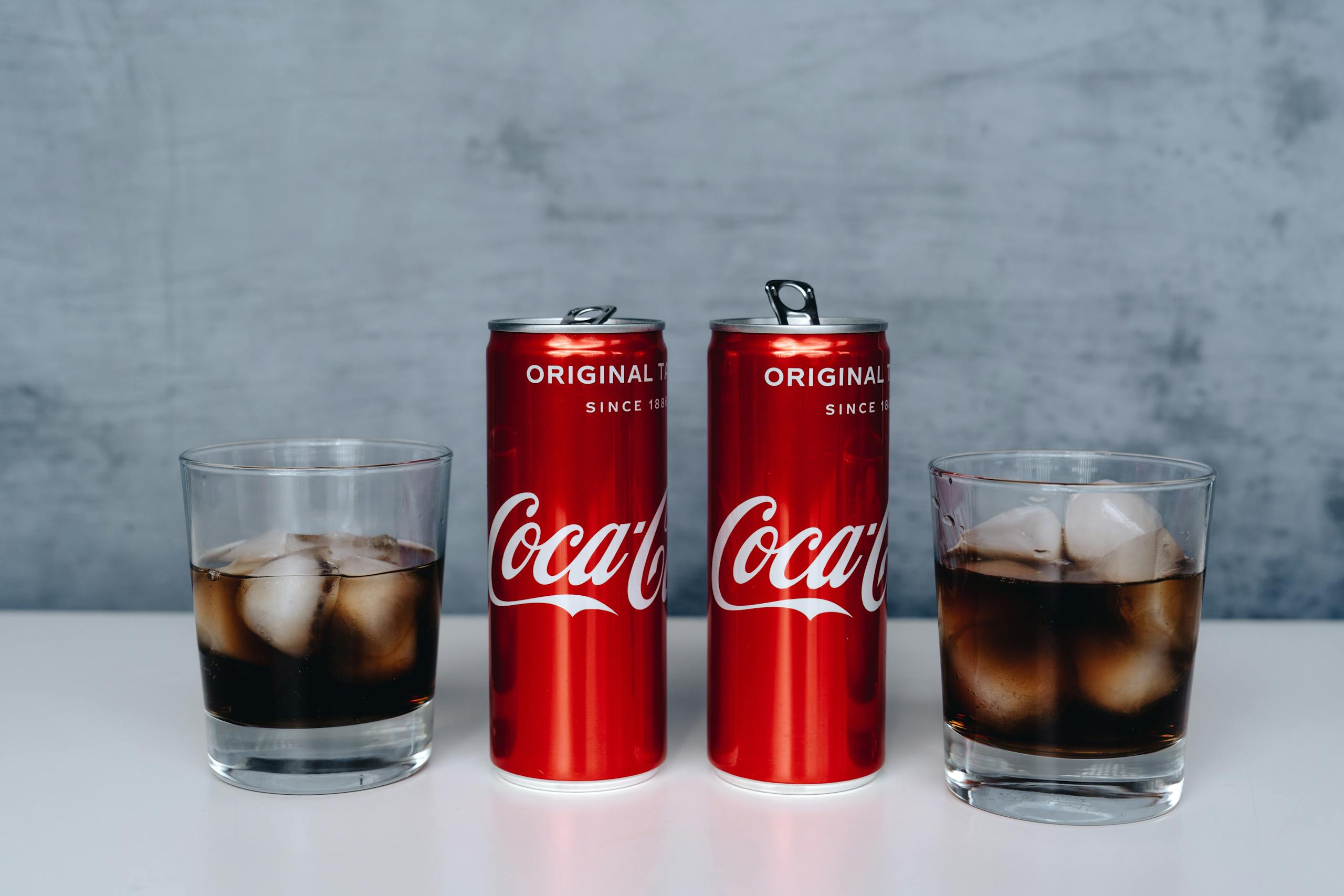
Soda, sweet tea, energy drinks, flavored coffees, sports drinks, cocktails, and oversized juices can sneak into the day like they do not count. A person may eat a reasonable meal, then drink enough sugar to turn the whole day into a metabolic roller coaster. The body still has to process those calories, even when they arrive through a straw.
The problem is not one sweet drink at a party or one iced coffee on a rough morning. The problem is the routine. Sugar-filled drinks do not usually satisfy hunger the way food does, so people can drink extra calories and still feel hungry later. Cutting back on sweet drinks may not sound exciting, but it is one of the simplest ways to reduce added sugar without changing everything at once.
Eating Too Much Salt Without Touching the Salt Shaker
Many Americans think salt is only a problem when they shake it onto fries. The bigger issue is that sodium is already hiding in restaurant food, frozen meals, deli meats, canned soups, pizza, sauces, chips, bread, and packaged snacks. The salt shaker gets blamed, but the food industry already did most of the work.
Americans consume an average of more than 3,300 milligrams daily, well above the federal recommendation of less than 2,300 milligrams for teens and adults. Too much sodium can quietly strain blood pressure and heart health over time, especially when it becomes part of every meal.
Living on Stress and Calling It Ambition
America often rewards people for running themselves into the ground. Busy becomes impressive. Exhaustion becomes proof of discipline. People brag about being booked, overwhelmed, and unable to rest, as if burnout is a personality upgrade. The body, however, does not clap for chronic stress.
Stress can show up as tight shoulders, headaches, stomach trouble, poor sleep, emotional eating, irritability, and a racing mind that refuses to shut down. The danger is that people normalize it because everyone around them is also stressed. Real strength is not ignoring the warning signs. It is learning to pause before the body forces the pause through sickness, breakdown, or exhaustion.
Skipping Strength Work Until the Body Feels Fragile

Many people think fitness means cardio, weight loss, or looking good in summer clothes. They forget about strength. Muscle supports balance, metabolism, joint health, daily movement, and aging with independence. Without regular strength training, the body can slowly become weaker, even if the scale doesn’t move much.
Adults need at least 150 minutes of moderate-intensity physical activity per week, plus muscle-strengthening activity on 2 or more days each week. That matters because carrying groceries, climbing stairs, standing from a chair, lifting luggage, and preventing falls all depend on strength.
Americans do not need complicated routines to begin. Bodyweight squats, light dumbbells, resistance bands, push-ups against a wall, and basic core work can help rebuild what years of sitting and inactivity have quietly taken away.
Snacking Through Emotions Instead of Eating With Intention
Food is a source of comfort in many American homes. Bad day? Order pizza. Long week? Grab ice cream. Stressful meeting? Hit the vending machine. Lonely night? Open chips while watching TV. None of that makes someone weak. It makes them human. But when food becomes the main coping tool, the body pays for emotions the mind has not processed.
Emotional snacking is sneaky because it rarely looks dramatic. It looks like grazing after dinner, eating straight from the bag, finishing kids’ leftovers, or “treating yourself” every night because the day was hard. A better approach is not shame. It is awareness. Ask what the body actually needs: food, rest, water, movement, connection, or a break from stress.
Avoiding Checkups Until Something Feels Wrong
A lot of Americans treat healthcare like a fire extinguisher: useful only when something is already burning. They skip annual exams, avoid dental visits, delay blood pressure checks, avoid lab work, and hope that strange symptoms will go away on their own. Sometimes they are busy. Sometimes they are scared. Sometimes the cost feels impossible.
The problem is that many health issues build quietly before they become loud. High blood pressure, diabetes risk, cholesterol problems, dental disease, and some cancers can develop with few early symptoms. Checkups are not about being dramatic. They are about catching problems while they are still easier to manage. Waiting until the body screams often makes everything harder.
Conclusion

The habits slowly damaging American bodies are not always shocking. They are familiar. Sitting too long. Sleeping too little. Eating too much processed food. Drinking sugar. Living under stress. Skipping movement. Avoiding checkups. None of these habits feels like a crisis on a random Tuesday, but the body keeps score.
The good news is that small changes still matter. Walk more. Sleep earlier. Drink more water. Cook one real meal. Read labels. Stretch during TV. Add strength work twice a week. Schedule the appointment you keep postponing. Health does not always improve through a single major transformation.
Sometimes the body starts healing when a person stops treating neglect as normal. America’s routines may be busy, rushed, and convenient, but the human body was never built to survive on stress, screens, salt, sugar, and hours of sitting.