Many Americans grew up knowing exactly what Sunday morning meant. Somebody was ironing a shirt at the last minute. Somebody was yelling that the family was already late. Somebody was being told their outfit was “not appropriate for the house of God” before they even made it to the car.
Church was prayer, music, potluck casseroles, hugs in the lobby, and at least one elder who knew everybody’s business before the closing hymn. For many people, faith still brings comfort, discipline, hope, and community. But some church traditions now feel less like spiritual guidance and more like emotional surveillance.
That tension matters because American religious life is already changing. Today, 61% of U.S. adults say religion is losing influence in American life. That does not mean people hate faith. It means many are paying closer attention to the difference between spiritual care and spiritual control.
Dress Codes That Judge People Before They Sit Down

A dress code can start with good intentions. People want reverence, respect, and a sense that church is not just another stop after Target. But the moment clothing becomes a spiritual scoreboard, the whole thing starts to feel less holy.
Some churches still treat women’s hemlines, teenagers’ jeans, tattoos, hair color, piercings, or casual shoes like moral emergencies. That can make visitors feel judged before they hear one sermon. If someone walks into church carrying grief, addiction, divorce, depression, or shame, the last thing they need is a lobby inspection disguised as holiness.
Public Shaming Disguised as Accountability
Accountability can be healthy when it is private, loving, and honest. Public shaming is different. It turns someone’s struggle into a group lesson, and that can leave wounds long after the prayer circle ends.
Some people have watched church discipline become a stage. A pregnant teenager gets whispered about. A divorced woman becomes a cautionary tale. A young man who made a mistake gets treated like a sermon illustration. That does not feel like restoration. It feels like reputation control with Bible verses attached.
Pressure to Give Money Even When Families Are Struggling
Giving can be meaningful when it comes from gratitude and generosity. But in some churches, money talk can start to feel like spiritual pressure. A family may be behind on rent, drowning in medical bills, or choosing between groceries and gas, yet still feel guilty for not giving enough.
That pressure lands hard in modern America. Many households already feel squeezed by food prices, housing costs, child care, debt, and health care bills. When giving is taught without compassion for real financial strain, it can make faith feel like just another bill rather than a place of peace.
Treating Questions Like Rebellion

A healthy faith should be able to handle honest questions. People wonder about suffering, science, politics, sexuality, money, hypocrisy, trauma, and why bad things happen to good people. That does not automatically mean they are rebellious. It often means they are thinking deeply.
Some church cultures make questions feel dangerous. A teenager asks something hard and gets labeled disrespectful. A woman challenges a teacher and gets called divisive. A young adult wants nuance, but is told to “just have faith.” That may keep people quiet for a while, but silence is not the same as belief.
Gender Roles That Feel More Like Control Than Calling
Many churches teach different roles for men and women, and many believers sincerely embrace those views. The problem starts when those roles become a cage. A woman’s gifts get ignored. A man’s tenderness gets mocked. Marriage becomes a hierarchy instead of a partnership.
This is where many Americans feel the tension most sharply. Women are educated, working, leading businesses, raising families, paying bills, and carrying enormous responsibilities. If church culture still talks to them as if their highest spiritual achievement were being quiet, available, and endlessly agreeable, many will hear control before they hear calling.
Purity Culture That Leaves Shame Instead of Wisdom
Teaching sexual responsibility is one thing. Turning sexuality into a lifelong shame machine is another. Many Americans who grew up in strict purity culture remember the rings, pledges, youth-group warnings, and metaphors that made them feel like one mistake could permanently damage their worth.
The lasting issue is not simply that churches taught boundaries. It is that some taught fear better than maturity. Research and clinical discussion show that purity culture affects mental health, self-perception, sexual health, and shame for many people raised under those messages.
Young people need wisdom, dignity, consent, self-respect, and honest conversations. If the only message is shame, many adults later spend years trying to untangle their faith from their fear.
Forcing Forgiveness Before Real Healing Happens

Forgiveness can be powerful. It can free people from bitterness, soften hearts, and open the door to healing. But forced forgiveness can become cruel when it rushes victims, protects abusers, or treats pain like an inconvenience that the church wants cleaned up quickly.
Some people are told to forgive before anyone has told the truth. They are pushed to reconcile before there is accountability. They are asked to “move on” because the situation makes others uncomfortable. That does not feel spiritual. It feels like protecting the institution from the victim’s pain.
Making Church Attendance Feel Like a Loyalty Test
Regular worship can build community, discipline, and connection. But when attendance becomes a loyalty test, people start to feel watched rather than welcomed. Miss a few Sundays, and suddenly someone wants to know where you were, what you were doing, and whether you are “slipping.”
That pressure can hit people who work weekends, care for sick relatives, struggle with depression, travel for jobs, or simply need rest. Around one-quarter of Americans now identify as religiously unaffiliated adults, showing that institutional connection has weakened for many people. If churches want people to return, guilt may not be the best invitation.
Policing Dating and Marriage Choices Too Aggressively
Church communities often care deeply about marriage, family, and shared values. That care can become controlling when leaders or members act like they own people’s romantic decisions. Who someone dates, when they marry, whether they remain single, or why they divorce can become everybody’s business.
This can be especially exhausting for single adults, divorced people, widows, people in interfaith relationships, and couples who do not fit the expected timeline. Marriage advice can be helpful, but constant pressure can make people feel managed instead of mentored. Love should not feel like a committee decision.
Protecting Appearances Over Telling the Truth
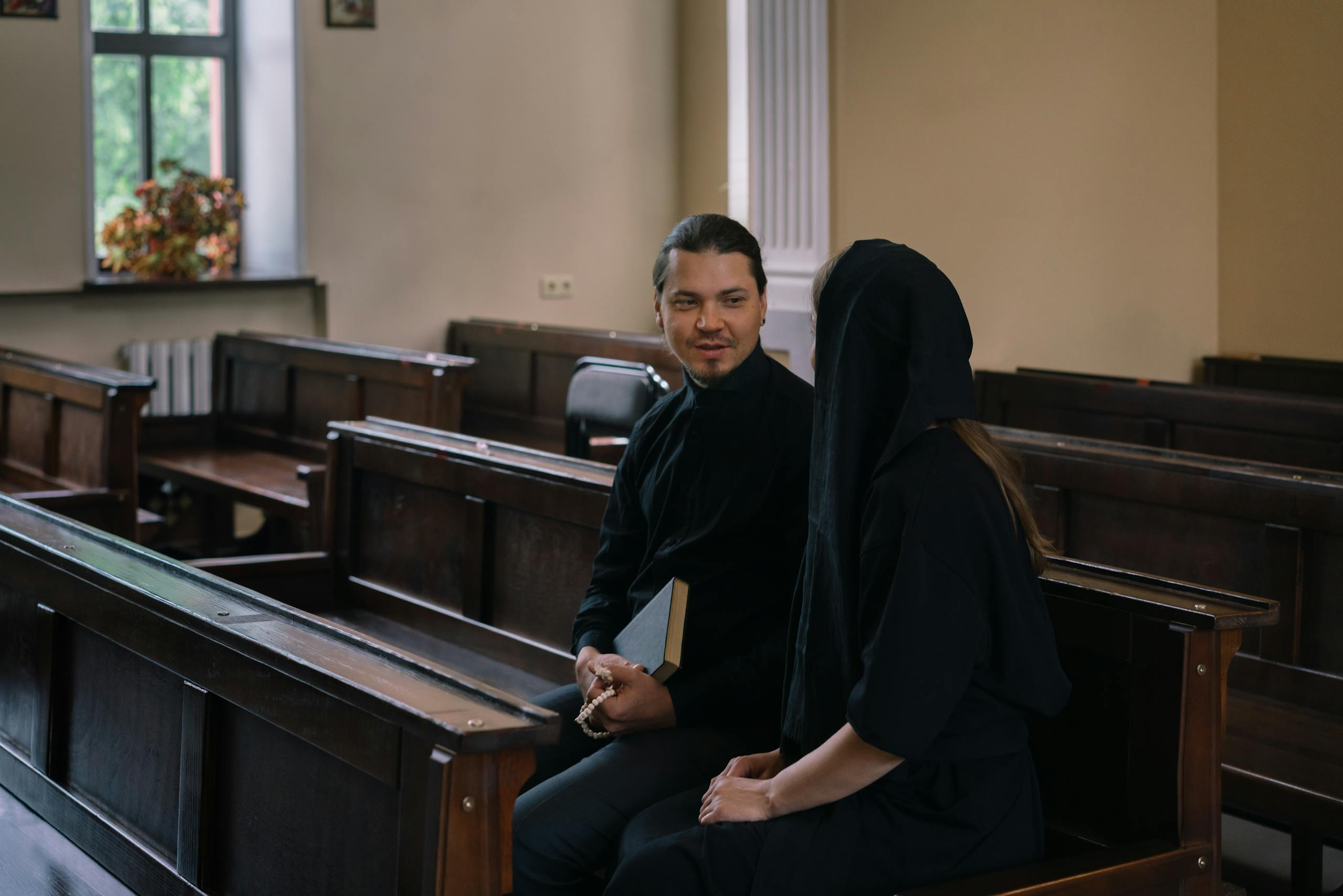
One of the most damaging traditions in any church is the pressure to keep everything looking fine. Smile in the hallway. Do not talk about the pastor’s behavior. Do not mention the family problem. Do not ask why someone left. Do not bring up money questions. Do not make the church “look bad.”
That kind of silence can rot a community from the inside. Fewer than half of U.S. adults now say religion is an important part of their daily lives, following a major decline over the past decade. When churches protect image over honesty, they may keep the building calm, but they lose trust in the pews.
Conclusion
Church traditions are not automatically bad. Many traditions give people rhythm, memory, a sense of belonging, and a sense of sacredness in a noisy world. The problem comes when tradition stops serving people and starts controlling them.
Americans are not simply walking away from faith because they hate God, hate the church, or hate discipline. Many are walking away because they are tired of judgment without compassion, rules without relationship, and appearances without honesty.
Past surveys of young adults who stopped attending church found reasons such as church members seeming judgmental or hypocritical, which should make any faith community pause.
At the same time, the story is not only declining; it is also declining. Some younger Christians are showing renewed attendance patterns, with young adults attending more often than before in recent tracking. That means the opportunity is still there.
The churches that survive this moment will not be the ones that tighten control every time people ask hard questions. They will be the ones who can tell the difference between holiness and fear, guidance and pressure, accountability and shame.