We’ve all been there. You’re sitting at a restaurant, and someone orders a dish that everyone at the table seems excited about. You take a bite, smile politely, and pretend to enjoy it, even though you’re already wondering how to avoid another serving.
Some foods have reputations that make them difficult to criticize. Whether they’re considered fancy, fashionable, or part of a beloved food tradition, admitting you dislike them can feel surprisingly awkward.
While many people genuinely love these ingredients, others struggle with their strong flavors, unusual textures, or distinctive smells. Here are eight popular foods that tend to divide opinions.
Oysters
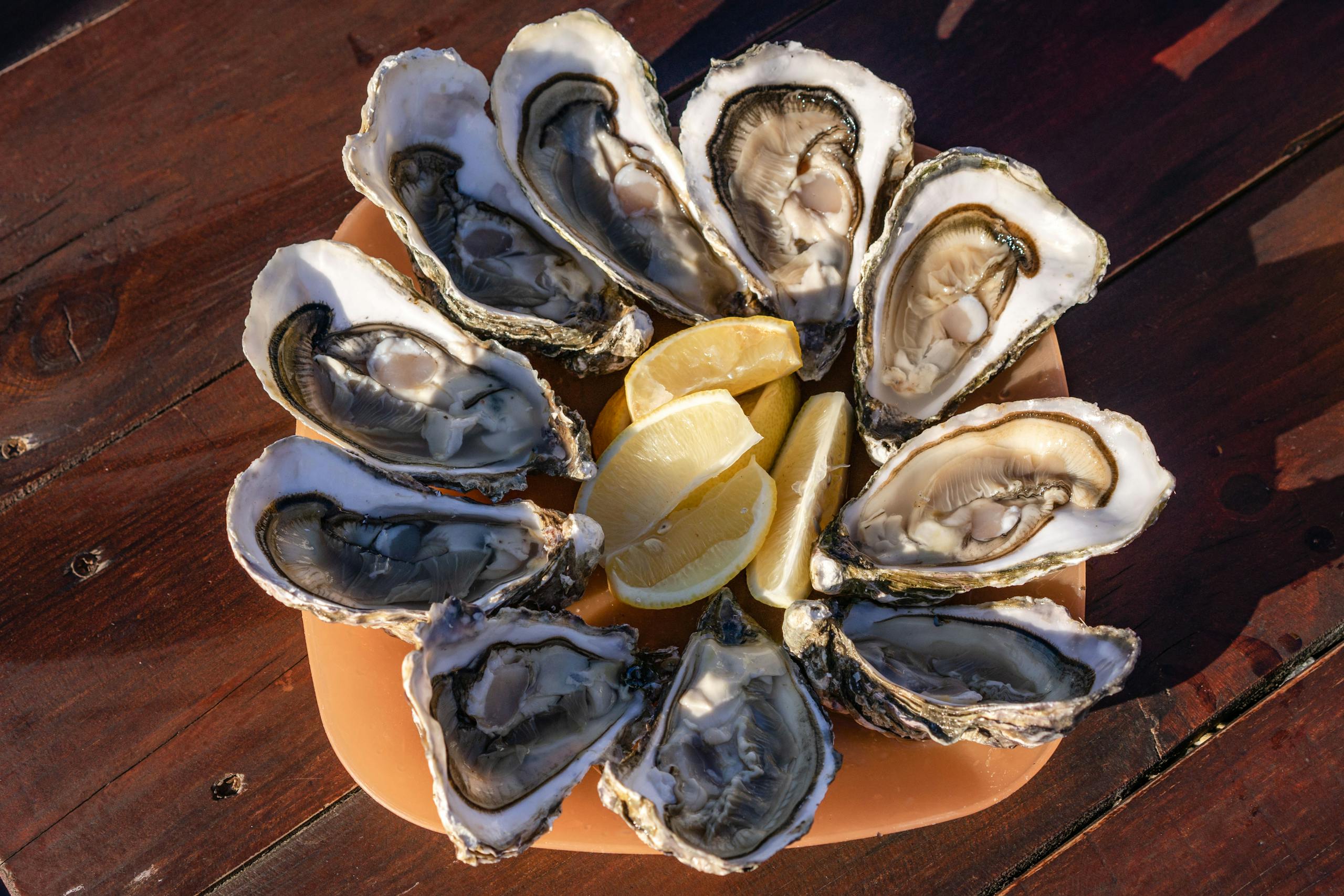
Raw oysters often appear on restaurant menus as a luxurious appetizer, especially at raw bars and steakhouses. They’re typically served chilled on the half shell, often with lemon, mignonette, or hot sauce. Their flavor can range from salty and briny to surprisingly sweet or mineral-like.
For many diners, the difficulty isn’t necessarily the flavor. It’s the slippery, cold texture that makes eating a raw oyster such a distinctive experience.
According to YouGov findings cited in the brief, 42% of Americans disliked or hated oysters. Yet their reputation as a sophisticated restaurant choice can make admitting that preference feel awkward, particularly when everyone else at the table is enjoying them.
Black Licorice
Black licorice is one of those candies people either adore or avoid completely. Its intense herbal flavor, often associated with licorice root or anise, sets it apart from the fruity sweets many people grew up enjoying. For longtime fans, that distinctive taste is exactly what makes it special.
But not everyone shares the enthusiasm. An Instacart and Harris Poll analysis found that 45% of Americans disliked black licorice, making it one of the country’s more controversial foods.
Still, nostalgia can make it difficult to refuse a piece when someone offers it. You might politely accept one, especially when it’s presented as an old-fashioned favorite, even though you’d much rather choose something else from the candy selection.
Anchovies
Anchovies are known for adding bold flavor to foods like pizza, Caesar dressing, and antipasto platters. These small fish are commonly preserved in salt or oil, giving them an intensely salty, savory taste that’s hard to ignore.
For some diners, ordering anchovies feels like a sophisticated culinary choice. But the experience can be very different when you’re faced with whole fillets rather than a small amount blended into a dressing or sauce.
An Instacart survey found anchovies particularly divisive, with 50% of respondents saying they disliked them. If you’ve ever quietly removed an anchovy from your pizza while everyone else praised the topping, you’re certainly not alone in finding the flavor challenging.
Kale
Kale spent years becoming a familiar feature of fashionable restaurant menus, appearing in everything from raw salads to crispy kale chips. Its sturdy leaves and distinctive flavor helped establish it as an ingredient associated with modern food trends.
However, raw kale can be bitter, fibrous, and surprisingly chewy, especially when it hasn’t been prepared with enough attention to texture. That experience differs from eating kale that has been cooked, dressed, or massaged to soften the leaves.
YouGov findings cited in the brief showed that 31% of Americans disliked or hated kale. So if you’ve ever ordered a kale salad because it seemed fashionable, only to wish you’d chosen something else, you’re not the only one.
Related: 8 Disgusting Foods Many Americans Secretly Hate But Still Eat
Beets
Beets are hard to overlook, especially when they’re roasted and arranged in a colorful restaurant salad. They often appear alongside goat cheese, walnuts, or citrus, making them look right at home on an upscale menu.
But their earthy flavor can be a sticking point. Some diners appreciate that distinctive taste, while others find it overwhelming, regardless of how attractively the dish is presented.
The earthy character is partly linked to geosmin, a naturally occurring compound that people perceive differently.
A survey cited in the brief found that 35% of Americans disliked or hated beets. Their beautiful color may earn them a place on the plate, but appearance alone won’t make everyone enjoy the flavor.
Blue Cheese
Blue cheese is often presented as a sophisticated choice, whether you’re ordering a cheese board, a wedge salad, or a steak topped with a rich sauce. Varieties such as Roquefort, Gorgonzola, and Stilton are known for their distinctive blue-green veins and strong aromas.
For enthusiasts, the salty, tangy flavor is the entire attraction. For everyone else, that same pungency can make even a small serving difficult to enjoy.
YouGov findings cited in the brief showed that 39% of Americans disliked or hated blue cheese. Of course, not every variety tastes alike. A milder Gorgonzola dolce can differ greatly from an intense Roquefort, but neither is guaranteed to win over someone who dislikes the category.
Cilantro
Cilantro appears in countless restaurant dishes, particularly in Mexican, Indian, Southeast Asian, and Chinese cooking. Its fresh leaves are often used to finish dishes with a bright, citrus-like flavor that many people absolutely love.
However, some diners experience cilantro very differently. Instead of tasting something fresh and herbal, they perceive an unpleasant soapy flavor that can dominate the entire dish.
Estimates cited in the brief suggest that roughly 3% to 21% of people experience this reaction, which is often linked to genetics. Unfortunately, asking for cilantro to be left out can sometimes feel like an overly complicated request. But when one ingredient completely changes how your meal tastes, it’s not unreasonable to speak up.
Okra
Okra holds an important place in Southern cooking, appearing in dishes such as gumbo, fried okra, and pickled vegetables. Its mild, grassy flavor makes it adaptable to different preparations, but people often divide on its texture.
When cooked, okra can develop a slippery consistency because of its natural mucilage. Some people enjoy that characteristic, especially in traditional dishes, while others struggle to get past it.
Preparation makes a noticeable difference. High-heat frying, quick cooking, or using acidic ingredients can reduce the slippery texture, while boiling may emphasize it.
If you’ve only tried one preparation and disliked it, another version might appeal more. Still, there’s no requirement to enjoy okra simply because it’s a beloved regional favorite.
You Don’t Have to Love Every Popular Food
Food preferences are personal, and even the most celebrated ingredients won’t appeal to everyone. Whether it’s the smell of blue cheese, the texture of oysters, or the unmistakable flavor of black licorice, there’s nothing wrong with admitting that a popular food just isn’t for you.