A restaurant meal can look spectacular before the first bite. A burger stacked several layers high, a milkshake topped with an entire slice of cake, or a kebab suspended above a plate can turn an ordinary dinner into something worth photographing.
But once the camera goes away, a practical question remains: how easy is the food to eat? Some presentations require diners to dismantle their meals, move toppings onto separate plates, or figure out how to reach the best parts without making a mess.
That doesn’t mean creative presentation is a bad idea.
Restaurant theatre can be fun, and plenty of diners enjoy the experience. Still, these seven serving styles show how the way food arrives at the table can sometimes complicate an otherwise enjoyable meal.
Towering Burgers That Need Dismantling
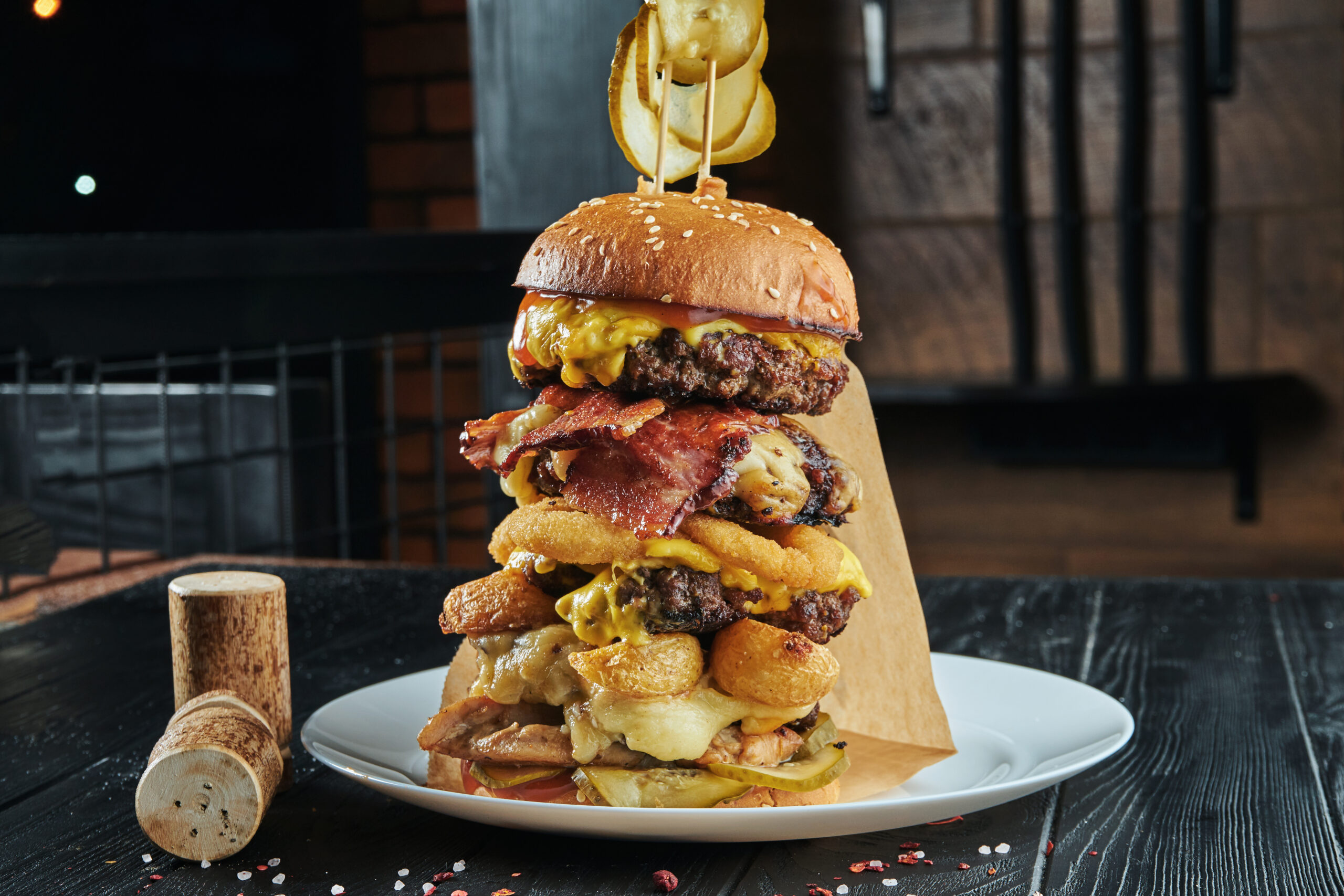
Multilayer burgers can make an impressive first impression, especially when several patties, cheese, and fresh toppings are stacked together. Red Robin’s Monster burger is one example, featuring two beef patties alongside cheese, pickles, lettuce, tomato, onion, relish, and mayonnaise.
The challenge is getting a balanced bite without squeezing the fillings out the other side. Depending on how the burger is assembled, diners may compress it, cut it into sections, or remove ingredients before they can eat it comfortably.
A double burger isn’t automatically hard to handle, and no verified height measurement shows it’s unusually tall. The practical lesson is simply that a burger should be enjoyable to eat, not just impressive to photograph.
Milkshakes With an Entire Dessert on Top
Dessert-loaded milkshakes combine a drink with an additional treat balanced on top, creating a presentation that can be as entertaining as the dessert itself. Black Tap’s CakeShake, for example, features a cake-batter shake with a frosted, sprinkle-covered rim, a Funfetti cake slice, whipped cream, more sprinkles, and a cherry.
The arrangement gives diners two different things to enjoy, but it also creates a small logistical puzzle. Should diners eat the cake first, lift it off and move it elsewhere, or tackle it while the shake is still within reach?
Presentation can be part of the fun, especially for special occasions. However, a dessert that requires rearranging the table before the first sip may be less convenient than a straightforward milkshake and a separate slice of cake.
Related: For another look at how presentation can shape the restaurant experience, read Modern Restaurant Trends Boomers Say Have Ruined the Dining Experience.
Hanging Kebabs That Require an Extra Step
Hanging kebabs bring a little drama to the table by suspending skewered food above the plate. The Botanist offers several versions, including Original Chicken, Harissa Lamb Kofta, and Turmeric-Spiced Tofu, with sides like fries or pomegranate couscous salad.
The inconvenience is easy to understand: diners must remove the food from its skewer and arrange it to eat while the stand takes up part of the table.
That extra step may be perfectly manageable, but it changes the experience compared with receiving the same food already arranged on a plate.
The format isn’t inherently impractical, and the theatrical presentation may be exactly why someone orders it. Still, diners looking for a quick, straightforward meal might prefer the convenience of a ready-to-eat kebab.
Soup Served Inside a Bread Bowl
Bread-bowl soup combines the container and part of the meal in one edible package. Panera’s Broccoli Cheddar Soup in a Bread Bowl is a familiar example, pairing the soup with a sourdough-style bread vessel.
The arrangement sounds convenient because you don’t have to leave a separate bowl behind, but eating the soup and bread together takes a little planning.
Diners must work around the remaining bread walls while scooping the soup, then decide when to start eating the softened interior.
A properly prepared bread bowl can be enjoyable, and it isn’t automatically messy or difficult.
The drawback is that the bread serves two purposes, so anyone who prefers a clean bowl of soup with bread on the side may find the traditional arrangement easier.
Oversized Sushi Burritos
Sushi burritos take the ingredients associated with sushi rolls and arrange them in a larger, handheld format. Sushirrito’s Sumo Crunch Sushi Burrito, for example, combines rice, nori, ginger guacamole, shrimp tempura, surimi crab, cucumber, red tempura flakes, and sriracha aioli.
With so many ingredients packed together, the challenge is keeping each bite manageable. A large roll can require careful handling, especially if the fillings shift or sauce starts to escape the wrapper.
That doesn’t mean the format is poorly designed. Sushi burritos are intended to be handheld, and their generous combination of ingredients is part of their appeal.
The issue arises when the size and construction make it harder to enjoy the different flavors without constantly adjusting your grip.
Giant Sharing Sundaes With Layers of Toppings
Oversized sharing sundaes turn dessert into a group activity, sometimes with so many toppings that reaching the ice cream becomes an undertaking in itself.
Sugar Factory’s King Kong Sundae is described as containing 20 scoops of ice cream, three sauces, and additions such as a doughnut, cupcake, cookie chunks, candies, waffle cones, whipped cream, and gummy cherries.
The abundance creates plenty of variety, but it can also complicate sharing. Diners have to coordinate portions, reach around the toppings, and figure out how to serve the ice cream beneath the upper layers without moving everything.
For a birthday or group celebration, that spectacle may be exactly what everyone wants. For people who just want a scoop of ice cream with their favorite topping, a smaller sundae is likely easier to serve and enjoy.
Saucy Food Served on Flat Boards or Slates
Flat boards and rimless slate tiles can give restaurant dishes a distinctive appearance, particularly when presentation is part of the dining experience. The problem is that a flat surface lacks the raised edge of a conventional plate, making loose ingredients and sauces harder to contain.
Food that would normally gather against a plate’s rim may instead slide toward the board’s edge. Diners can also find it harder to collect the last bits of sauce or smaller ingredients with a fork.
This doesn’t mean every wooden board or slate serving surface is a poor choice. Boards can work beautifully for dry foods, sandwiches, and shareable dishes.
The design becomes less practical when the meal contains loose components or generous amounts of sauce that need somewhere to stay.
When Presentation Gets in the Way of Enjoyment
Creative food presentation can make dining memorable, but the best designs balance appearance with practicality. A towering burger, a dramatic milkshake, or a giant sundae can be worth the extra effort when the occasion calls for something playful.
The trouble starts when the presentation makes the food harder to handle than it needs to be.
Sometimes, the most satisfying meal arrives looking appetizing, stays together, and lets diners focus on enjoying every bite.