Buying groceries is only one part of keeping a kitchen well stocked. How food is stored after shopping can determine how long it stays fresh and whether it is still enjoyable to cook with days or weeks later.
Many households lose money because vegetables soften too quickly, potatoes begin sprouting, onions become moldy, or fresh herbs lose their leaves before they can be used. Sometimes, the problem isn’t the quality of the groceries but how they are stored.
A few simple changes to everyday kitchen habits can help reduce unnecessary food waste. Here are five common food storage mistakes worth correcting.
Storing Potatoes and Onions in the Same Basket
Potatoes and onions are common kitchen staples, so many people understandably keep them together in one basket or cupboard. However, storing them side by side can shorten their storage life.
Onions release ethylene gas, a natural plant hormone that can encourage nearby produce to age or sprout faster. Potatoes also contain a lot of moisture, which can make onions go soft and spoil.
Food Network explains that keeping these two ingredients together can cause them to deteriorate sooner than when they are stored separately.
A better approach is to store each ingredient separately. Keep potatoes in a cool, dark, well-ventilated place, and storand store whole dry onions somewhere cool, dry, and airy.
Breathable baskets, mesh bags, and open containers can help provide ventilation. Avoid packing either ingredient into tightly sealed plastic bags when storing them for an extended period.
Separating these two everyday ingredients is a small adjustment that can help households get more from their groceries.
Keeping Onions and Garlic in Sealed Plastic Bags
Another common mistake is leaving whole onions and garlic inside sealed plastic packaging after bringing them home.
Although plastic bags may appear convenient, they can trap moisture and restrict airflow. This creates conditions that encourage mould, sprouting, and faster deterioration.
According to the European Food Information Council, onions and garlic are sensitive to humidity and temperature changes. They generally keep better in cool, dry and well-ventilated spaces.
Instead of keeping them in tightly closed plastic bags, use mesh bags, vegetable nets, or open baskets. These allow air to circulate the bulbs.
It is also helpful to inspect stored onions and garlic regularly. Remove any bulbs showing signs of mould or decay so they don’t affect the remaining produce.
Keeping these ingredients dry and well-ventilated can make a difference, especially when buying quantities meant to last several weeks.
Washing All Vegetables Before Putting Them Away
Washing vegetables before cooking is an important kitchen habit, but washing everything immediately after shopping is not always the best storage practice.
Some fresh produce deteriorates faster when excess moisture remains on its surface during storage. Wet leaves and vegetables kept in poorly ventilated containers may become slimy or develop mould sooner.
For produce that is normally stored dry, it may be better to remove visible dirt and wash it closer to when it will be prepared. If vegetables have already been washed, dry them properly before storage.
Tender leafy vegetables also need appropriate storage conditions. A clean container and a dry paper towel can help absorb excess moisture, although the best method depends on the particular vegetable.
The University of Arkansas Cooperative Extension advises consumers to handle and store fresh produce properly to reduce waste and maintain quality.
Instead of treating every vegetable the same way, consider its individual storage needs. Some produce needs refrigeration, while other varieties are better kept in a cool, dry location.
Leaving Fresh Herbs Exposed in the Refrigerator
Fresh herbs can add flavor and aroma to soups, stews, sauces and other meals. Unfortunately, they can also lose their freshness quickly when stored carelessly.
Leaving herbs loose in the refrigerator or placing them in a wet, tightly sealed bag may cause their leaves to become limp, discolored,d, or slimy.
Different herbs require different storage methods. The University of Arkansas Cooperative Extension explains that tender herbs such as parsley, cilantro, mint, and dill can last longer when you place their stem ends in a small amount of clean water, like cut flowers, while keeping the leaves dry.
Basil is different because it is sensitive to cold temperatures. Storing it in the refrigerator can cause its leaves to turn black, so keeping it in a container of clean water at room temperature is often a better option.
Woody herbs such as rosemary, thyme, and oregano can be wrapped in a slightly damp paper towel and refrigerated.
Understanding these differences can help keep herbs usable until the next cooking session.
Keeping Groceries in Warm or Poorly Ventilated Cupboards
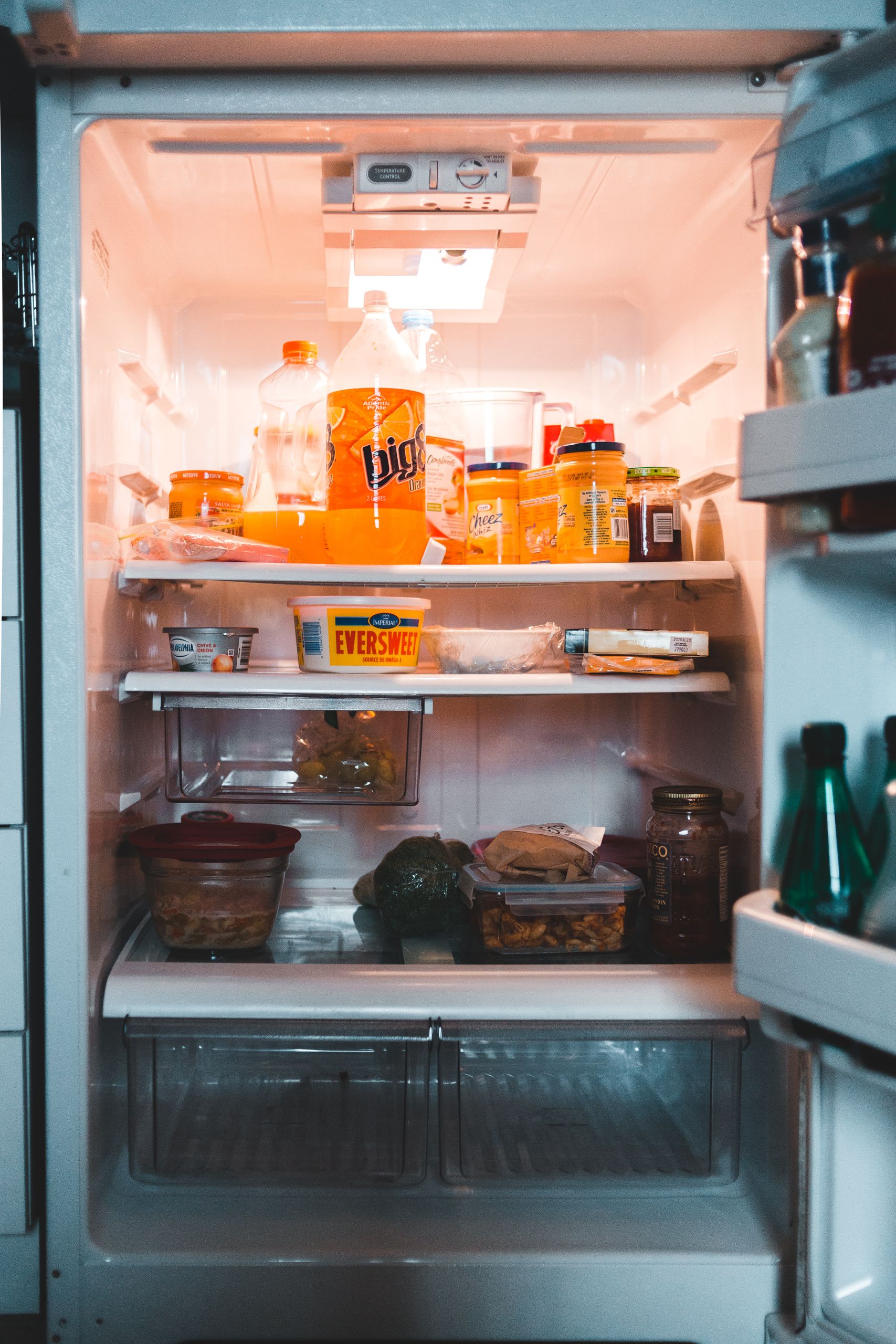
The location of a food storage area matters as much as the container used.
A cupboard directly beside an oven, cooker, dishwasher or other heat-producing appliance may expose groceries to higher temperatures than necessary. Heat can speed up deterioration, particularly for pantry staples and produce that require cooler storage conditions.
Texas A&M AgriLife Extension recommends keeping pantry storage areas cool, dry, and dark. It also advises storing food away from appliances and other heat sources.
Good ventilation is equally important. Overcrowding a cupboard or pantry can make it hard to inspect groceries and can let moisture or pests go unnoticed.
A simple way to improve storage is to arrange groceries so that older items are used first. Place products approaching their recommended storage dates where they are easy to see, and keep newly purchased items behind them.
This first-in, first-out approach helps households use what they already have before opening newer packages.
Final Thoughts
Keeping groceries fresh doesn’t always require special storage equipment or a full kitchen overhaul. Sometimes, small adjustments are enough to reduce unnecessary spoilage.
Separating potatoes from onions, avoiding trapped moisture, storing herbs according to their needs, and keeping pantry items away from heat are practical habits worth adopting.
The goal is to make better use of the food already purchased. With a little attention to storage, households can reduce waste, save money, and have more ingredients available when it is time to prepare a meal.