It’s 6 p.m., everyone is hungry, and the refrigerator offers half an onion, a bottle of mustard, and very little inspiration. Ordering takeout feels tempting, but a well-stocked freezer offers another option.
The trick is choosing foods that work across several meals. A bag of vegetables should help with soup, pasta, and a quick side dish. Fruit should earn its place at breakfast and dessert. Stock ingredients you already enjoy, and your freezer becomes a useful extension of your pantry.
These five frozen foods deserve consideration on your next grocery run.
Mixed Vegetables
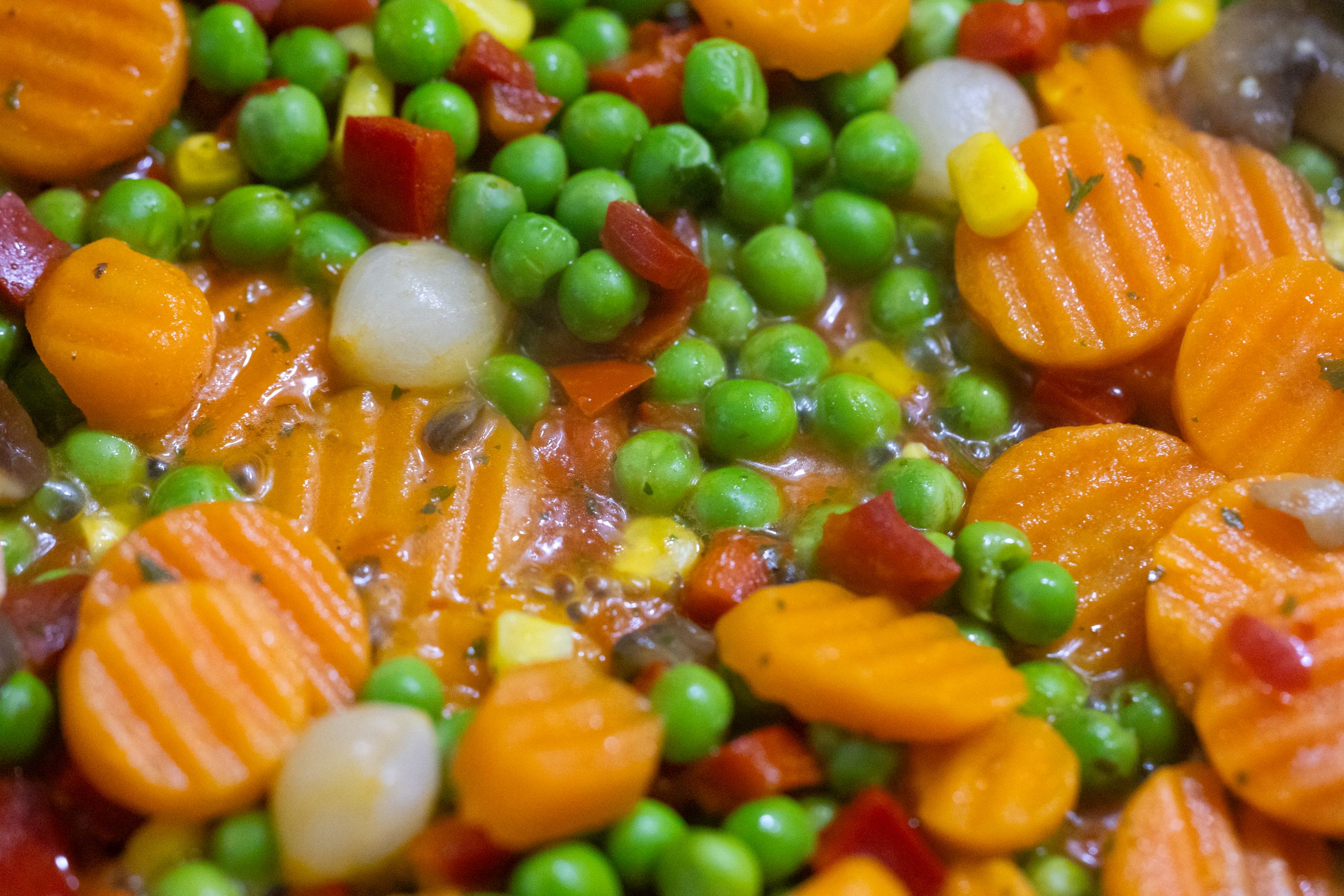
A bag of frozen mixed vegetables is an easy starting point because it gives you several ingredients in one package. Choose a familiar combination, such as carrots, peas, corn, and green beans, that fits the meals your household actually eats.
Stir them into chicken soup, fold them into a pot pie filling, or serve them alongside baked potatoes. For a simple rice bowl, cook the vegetables according to their package directions, then add rice, an egg, and your favorite seasoning.
Plain vegetables offer more flexibility than varieties already covered in sauce. You can decide whether dinner needs garlic, lemon, butter, or something spicy.
Check the label before cooking. The FDA advises following package instructions for commercially frozen foods to help ensure safe preparation.
Related: 12 Frozen Foods You Should Never Touch in the Freezer Aisle
Frozen Berries
Frozen strawberries, blueberries, raspberries, or a mixed berry blend can make an ordinary breakfast feel more inviting. Choose unsweetened varieties so you can adjust the sweetness yourself.
Warm berries in a small saucepan and spoon them over oatmeal, pancakes, or French toast. The juices become part of the topping, so don’t expect the firm texture of fresh fruit.
They also offer a practical way to keep fruit available between shopping trips. The American Heart Association recognizes fresh, frozen, and canned produce as useful choices, while recommending attention to added sugars and sodium.
Keep the bag sealed and use a clean scoop to take out what you need. Before adding berries to uncooked dishes, check whether the package requires cooking.
Plain Fish Fillets
Individually portioned frozen fish fillets give you a clear starting point for dinner. Choose a type you enjoy, whether that’s salmon, cod, or another familiar fish, and look for plain options you can season yourself.
Pair a fillet with vegetables and rice, or flake cooked fish into tacos with cabbage and lime. Buying portions that match your household’s needs also makes meal planning more straightforward.
Plan for thawing. The FDA recommends thawing frozen seafood gradually in the refrigerator overnight and cooking most seafood to an internal temperature of 145°F.
Follow any additional package instructions, including directions about removing packaging before thawing. Keep raw fish separate from ready-to-eat foods.
Related: 8 Frozen Foods That Can Save You Time on Busy Weeknights
Frozen Cooked Rice
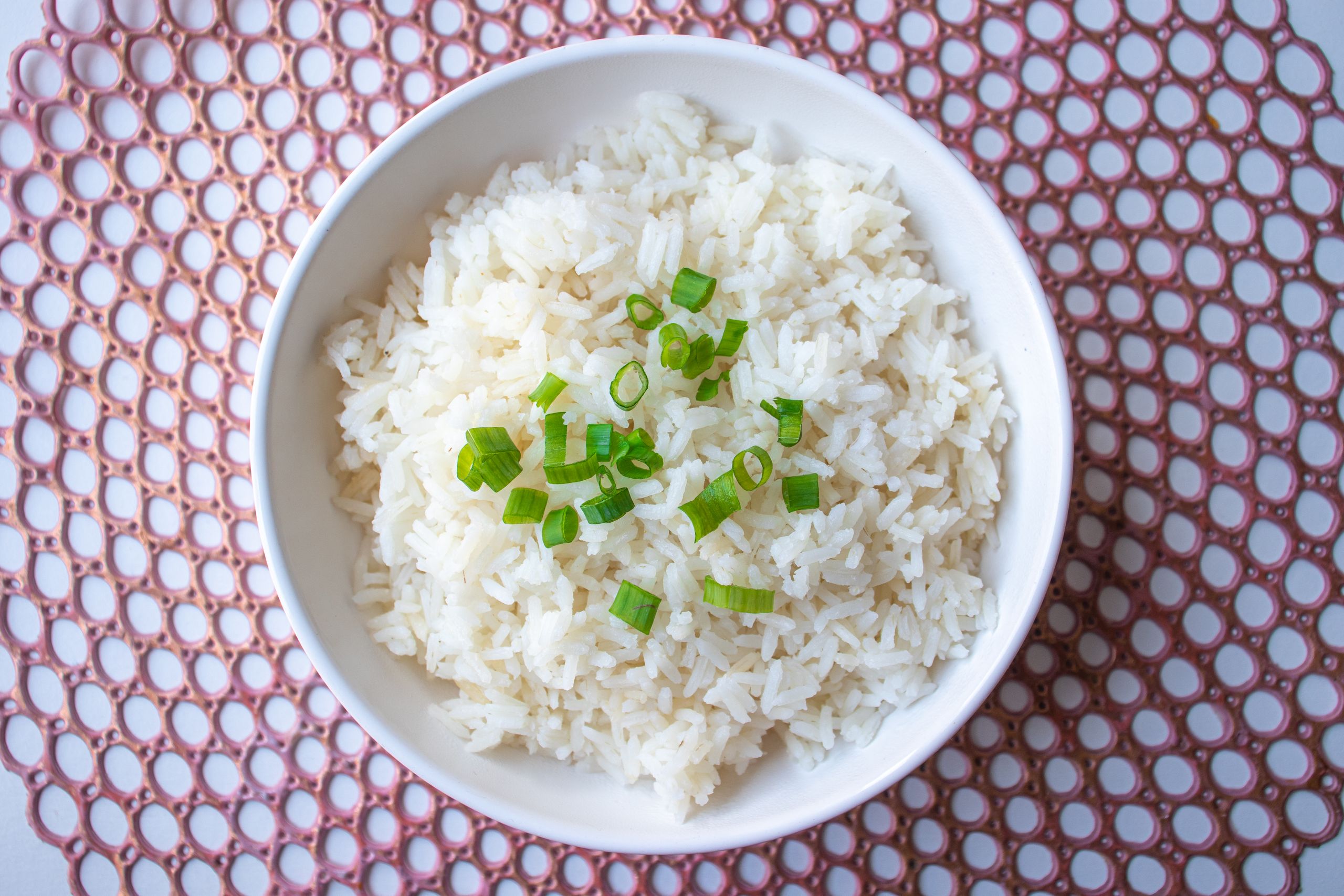
Frozen cooked rice is worth considering when making a fresh pot feels like one task too many. Look for plain rice with preparation directions that suit your kitchen, whether you prefer the microwave or stovetop.
Use it as the base for bean bowls, serve it with curry, or add it to soup. Brown rice, white rice, and blends can each have a place, depending on your preferences.
Compare package sizes before buying. A large bag is useful only if you can portion it conveniently; smaller packs may fit a one-person lunch better.
Prepare it exactly as directed, then add flavor with salsa, herbs, or a squeeze of lime.
Frozen Chopped Spinach
Frozen chopped spinach earns its space through versatility. Add cooked spinach to scrambled eggs, stir it into pasta sauce, or mix it into a savory pie filling.
For dishes where extra moisture isn’t welcome, cook it as directed, let it cool enough to handle, and squeeze out excess liquid. That step is especially helpful for dips and fillings.
Choose bags with loose portions if you usually cook small amounts. A solid block may suit a larger recipe better.
Keep your freezer at 0°F, label opened packages, and build meals around what’s already inside.
A useful freezer starts with foods you’ll happily cook.