Junk food rarely looks like a serious health problem at first. It looks like a small packet of chips after school, a fizzy drink with lunch, a burger on a busy evening, or a sweet snack that keeps a child quiet for a few minutes. The danger is not always loud, immediate, or dramatic.
The real problem starts when junk food becomes part of a child’s daily routine. Children need food that supports growth, strong bones, clear thinking, digestion, immunity, and steady energy. Yet CDC data show that U.S. youth got 61.9% of their daily calories from ultra-processed foods from August 2021 to August 2023, underscoring how deeply these foods have entered childhood diets.
Junk Food Can Train Your Child’s Body to Crave More Sugar and Salt
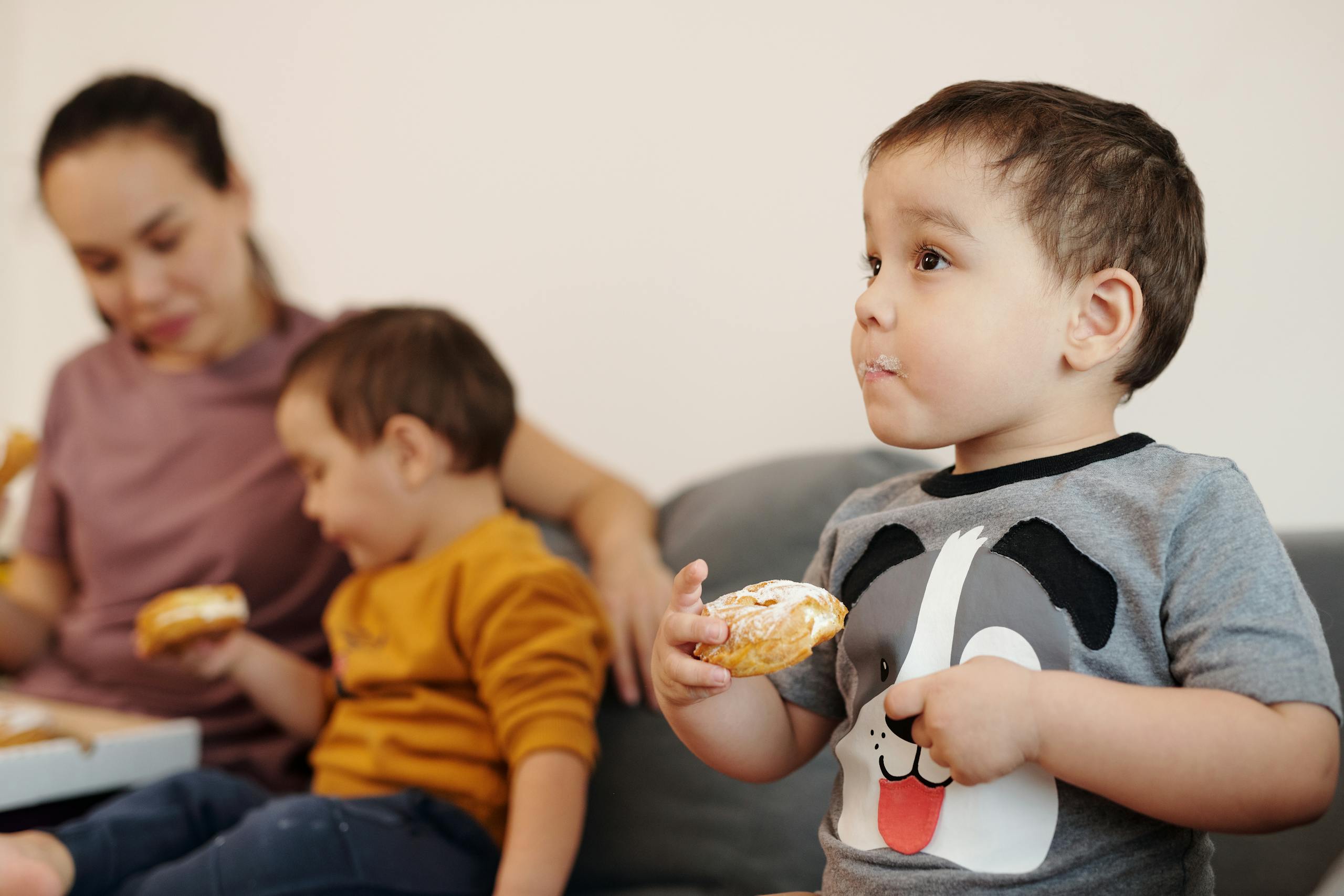
Junk food is designed to be exciting. It is usually salty, sweet, crunchy, creamy, greasy, or brightly packaged in a way that grabs a child’s attention before the first bite. Once children get used to that intense flavor, simple foods like vegetables, beans, rice, eggs, fish, fruits, or homemade meals may start to feel boring.
That shift can slowly change how a child eats. A child who always wants chips, candy, soda, instant noodles, or fried snacks may begin rejecting balanced meals because they do not deliver the same quick flavor rush. This is how junk food quietly takes control of appetite, not by force, but by making healthier food seem less exciting.
It Can Lead to Unhealthy Weight Gain Before Parents Notice
Many junk foods are high in calories but low in fullness. A child can eat fries, cookies, soda, and packaged snacks and still feel hungry again soon after. These foods often lack sufficient fiber and protein, two nutrients that help children feel full and energized longer.
Over time, this can lead to excess weight gain. Recent CDC data reported that 21.1% of U.S. children and adolescents ages 2 to 19 had obesity during August 2021 to August 2023, with another 15.1% classified as overweight. Extra weight in childhood can affect confidence, movement, sleep, joints, blood pressure, and future health risks.
It Can Weaken Your Child’s Energy and Focus at School

A sugary snack may make a child look energetic for a short time, but the crash often follows quickly. Sweet drinks, candy, pastries, and refined snacks can cause sharp rises and falls in energy. That can leave a child restless one moment and tired, moody, or distracted the next.
This matters in school because children need steady fuel to listen, read, write, solve problems, and sit through lessons. A child who starts the day with sugary cereal, soda, or packaged cakes may struggle to concentrate before lunchtime. Real meals with protein, fiber, and healthy fats give the brain a steadier supply of energy than sugar-heavy snacks.
It Can Hurt Gut Health and Cause Stomach Problems
Children’s stomach problems are often blamed on “something they ate,” and many times that guess is not far from the truth. Junk foods are usually low in fiber and heavy in refined flour, oil, sugar, and additives. That combination can slow digestion and make it less comfortable.
A junk-heavy diet may contribute to constipation, bloating, gas, stomach pain, and irregular bathroom habits. Fiber-rich foods like fruits, vegetables, oats, beans, lentils, and whole grains help food move through the digestive system more smoothly. When those foods are replaced with chips, fries, biscuits, candy, and fast food, the gut loses some of the support it needs.
It Can Crowd Out the Nutrients Needed for Growth
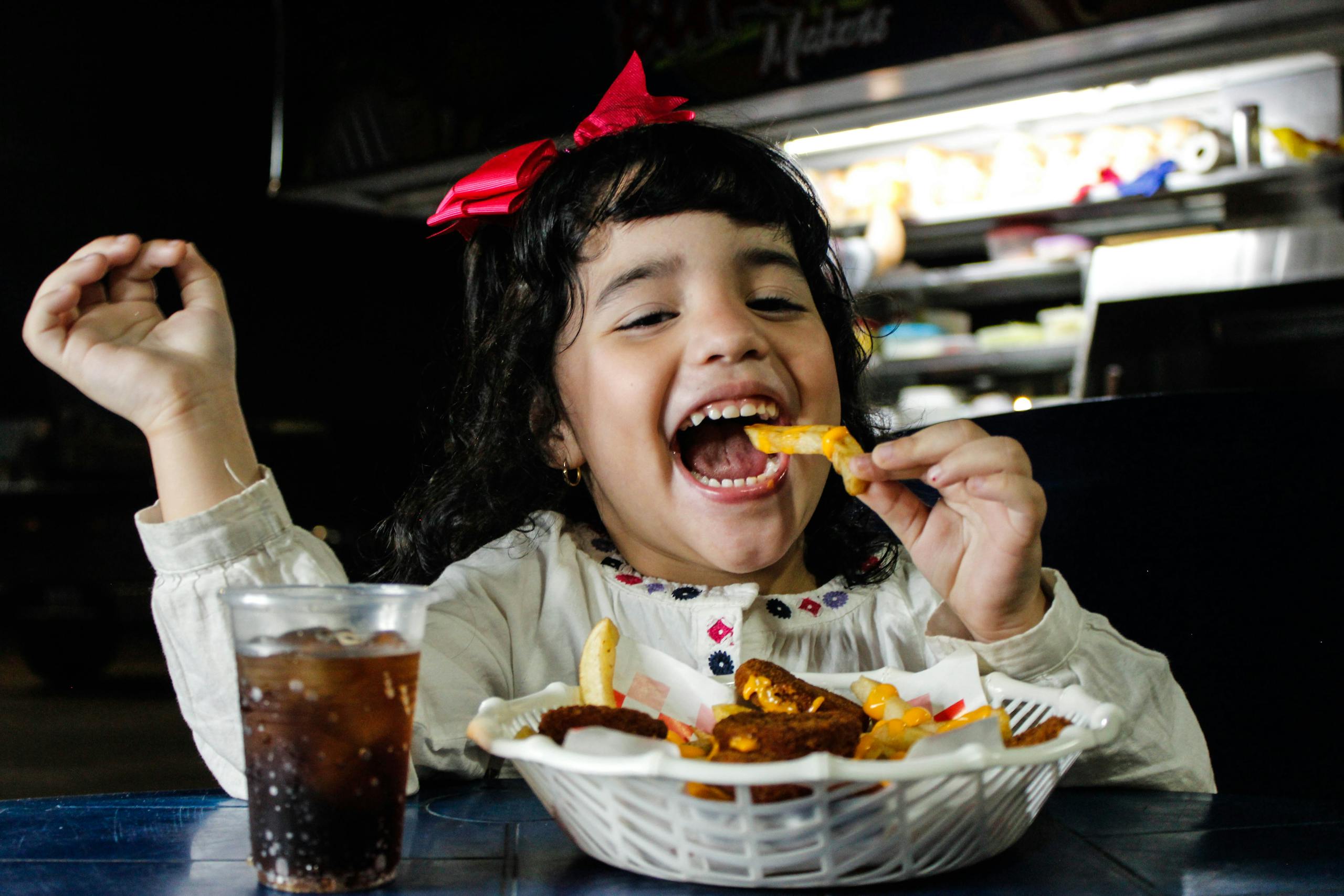
A child can feel full and still be undernourished. This is one of the quietest dangers of junk food. A packet of snacks may temporarily satisfy hunger, but it cannot provide enough iron, calcium, zinc, vitamin D, vitamin A, protein, and fiber for healthy development.
Children need these nutrients for bone health, blood health, muscle function, immune function, brain development, and daily energy. When junk food fills the plate too often, nutritious foods get pushed aside. The child may still be eating plenty, but the body may not be getting enough of what it truly needs.
It Can Damage Teeth Faster Than Parents Expect
Sugary drinks, candies, sweet biscuits, chocolates, and sticky snacks can quietly attack a child’s teeth. Bacteria in the mouth feed on sugar and produce acids that weaken tooth enamel. Over time, this can lead to cavities, tooth pain, gum problems, and expensive dental visits.
WHO-backed sugar guidance links free sugar intake with dental caries and recommends keeping free sugars below 10% of total energy intake, with further reduction below 5% offering extra protection. This is why daily soda, sweet juice, and candy habits matter. Tooth decay does not always begin with pain. It often begins with repeated exposure to sugar.
It Can Affect Mood, Behavior, and Emotional Balance

Food does not explain every mood swing, tantrum, or attention problem, but it can influence how children feel and behave. Junk food can create quick energy bursts followed by crashes. Some children may become more irritable, restless, tired, or emotionally reactive after too much sugar and processed food.
A 2026 JAMA Network Open cohort study linked higher ultra-processed food intake at age 3 with more adverse behavioral and emotional symptoms at age 5. This does not mean every snack causes behavior problems. It suggests that early eating patterns may shape more than just weight and digestion.
It Can Increase Long-Term Health Risks Later in Life
Junk food habits formed in childhood can persist into teenage years and adulthood. Regular intake of sugary drinks, fried foods, processed meats, refined snacks, and salty packaged foods may raise the risk of obesity, type 2 diabetes, high blood pressure, heart problems, and poor metabolic health over time.
The American Heart Association recommends that children over age 2 limit added sugar to 25 grams or less per day. Many common snacks and drinks can push children near that limit quickly. A single daily habit can become a long-term pattern, and long-term patterns shape health.
How Parents Can Start Reducing Junk Food Without a Fight
The goal is not to scare children or make food feel like punishment. The goal is to make healthier choices easier, more normal, and more available. Start by reducing sugary drinks, because soda, sweet juice, and flavored drinks can add a lot of sugar without making children feel full.
Next, improve snacks instead of removing them completely. Offer fruit, yogurt, boiled eggs, popcorn, roasted nuts for older children, homemade sandwiches, peanut butter toast, corn, smoothies without added sugar, or baked potatoes. Children are more likely to accept better food when it is visible, tasty, and easy to grab.
Conclusion
Junk food damages children quietly because the effects often build slowly. A little more sugar, a little less fiber, one more soda, one more fast-food dinner, and one more skipped home-cooked meal may not seem serious in the moment. Over time, those choices can affect weight, focus, teeth, digestion, mood, energy, and long-term health.
Parents do not need a perfect kitchen to make a real difference. Small changes matter when they happen often. Replace one sugary drink, improve one snack, add one fruit, cook one more meal at home, and help your child see healthy food as normal rather than boring. That is how the quiet damage begins to lose its power.