Some things seem so ordinary that most people would never imagine they could cause a legal problem. Taking a pretty feather home, picking up a rock during a national park visit, or putting a promotional flyer in a neighbor’s mailbox might seem harmless. However, certain everyday activities come with federal restrictions that are easy to overlook.
The surprising part is that these rules can affect ordinary homeowners, people selling used belongings, small business owners, and families organizing community events.
That does not mean everything on this list is automatically illegal. The circumstances matter, including where an activity happens, what someone knows, and whether the law provides an exception.
Here are seven everyday activities worth understanding before an innocent-looking decision becomes an expensive mistake.
Putting Unstamped Advertising Inside a Mailbox
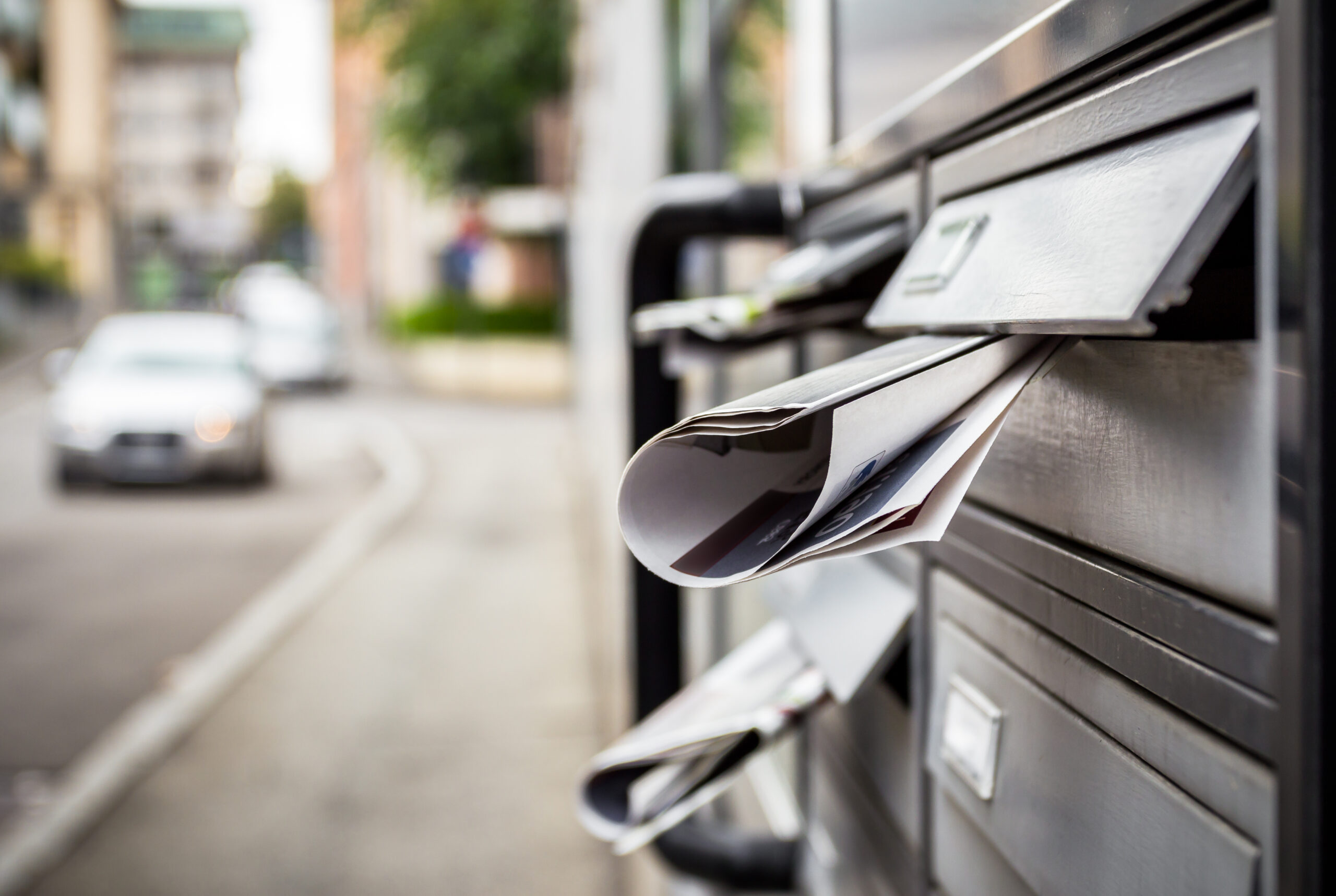
That neighborhood garage-sale flyer belongs somewhere other than your neighbor’s mailbox unless it carries the required postage.
Under 18 U.S.C. § 1725, knowingly and willfully placing unpaid advertising material inside a USPS-approved mailbox to avoid postage is prohibited. This includes items such as promotional circulars and sale announcements.
Imagine preparing flyers for a weekend garage sale or a small home business. Putting them inside nearby mailboxes might seem like an easy way to reach potential customers, but delivering them directly to people’s doors is different from using the postal system.
The law specifically concerns qualifying mailboxes and requires knowledge, willfulness, and an intention to avoid postage. It does not mean that touching somebody else’s mailbox automatically constitutes a federal offense.
Anyone planning a neighborhood promotion should understand the difference between postal delivery and other permitted ways of distributing advertisements. The specific restriction is explained in 18 U.S.C. § 1725, which addresses unpaid materials placed in approved mailboxes.
Reusing a Postage Stamp That Has Already Been Used
A stamp that looks perfectly clean is not necessarily available for another mailing.
Federal law under 18 U.S.C. § 1720 prohibits knowingly reusing postage stamps, postal cards, and stamped envelopes that have already paid for postage. The provision also addresses removing cancellation marks to make previously used stamps appear reusable.
Keep this in mind when handling household mail. A stamp that arrives without an obvious cancellation mark does not automatically qualify for another trip through the postal system.
There is an important distinction between collecting old stamps and attempting to use previously paid postage again. Ordinary stamp collecting is not what the law prohibits.
The statute provides for a fine, imprisonment of up to one year, or both, with a higher maximum imprisonment period for certain Postal Service employees.
The sensible approach is to use valid postage rather than trying to get another mailing out of an old stamp. The requirements are set out in 18 U.S.C. § 1720, the federal provision covering previously used postage.
Keeping Feathers From Certain Wild Birds
Finding an attractive feather during a walk does not automatically give you permission to take it home.
The Migratory Bird Treaty Act protects numerous wild bird species, and the U.S. Fish and Wildlife Service explains that possessing feathers from protected birds generally requires authorization.
Interestingly, the restriction can apply even when a feather has fallen naturally. Finding one beneath a tree or discovering it after a bird has been killed by a window or vehicle does not automatically create an exemption.
This matters to anyone who enjoys nature-inspired decorations, craft projects, or collecting interesting objects during outdoor trips. Before turning a found feather into a decorative display, remember that its appearance does not tell you whether keeping it is permitted.
Exceptions include legally hunted migratory game birds and certain Native American uses. Educational and research activities may also require permits. Not every bird species is covered, so it would be inaccurate to claim that owning any feather is illegal.
The U.S. Fish and Wildlife Service explains which protected bird feathers generally cannot be possessed without authorization.
Taking Rocks Home From Most National Parks
That little stone beside a beautiful hiking trail might be better left exactly where you found it.
The National Park Service generally prohibits collecting or disturbing rocks and other mineral resources within National Park System units under 36 C.F.R. § 2.1.
A visitor might see a particularly interesting stone and imagine it looking perfect on a garden shelf or as a travel souvenir. Unfortunately, wanting it for personal decoration does not automatically make collecting it permissible.
The restrictions also matter to visitors collecting objects for educational purposes. The National Park Service explains that classroom use does not automatically provide permission to remove rocks and minerals.
Specific exceptions include limited gold panning at Whiskeytown and certain surface collection opportunities in some Alaska parks. Another identified exception is authorized American Indian collection of catlinite at Pipestone National Monument.
It is also important to distinguish national parks from national forests and Bureau of Land Management properties because their collection rules differ.
Instead of bringing the landscape home, take a photograph and leave the natural feature where it belongs. The National Park Service’s explanation of recreational rock collection rules and their exceptions provides more detail.
Selling a Household Product That Has Been Recalled
Before listing that old appliance online or putting it on a garage-sale table, check its recall status.
The Consumer Product Safety Commission explains that offering certain recalled consumer products for sale violates Section 19 of the Consumer Product Safety Act, 15 U.S.C. § 2068.
This applies to ordinary people selling used belongings, not just major retailers. For example, someone clearing out a garage might decide to sell an old blender, toaster, or another household product through an online marketplace.
The important detail is whether the specific product is subject to a recall and whether the required remedy has been completed.
The CPSC explains that a recalled product may be eligible for resale after the remedy specified in its public recall notice has been applied, provided the listing clearly identifies that the remedy was completed. Other applicable restrictions may still apply.
This is particularly worth remembering when organizing a household clear-out. Before deciding what belongs in the sale pile, homeowners can also explore which belongings deserve a closer look before being sold at a garage sale.
Checking the manufacturer, model number, and relevant product identification details before listing an item is a sensible first step.
The CPSC provides further information about when selling a recalled product is prohibited and what sellers must check.
Buying Fake Reviews for a Business
Paying someone to make a business look more popular can create a federal regulatory problem.
The Federal Trade Commission’s Consumer Reviews and Testimonials Rule, which took effect October 21, 2024, prohibits specified practices involving fake or misleading reviews.
Businesses cannot create or sell materially fake reviews, knowingly purchase reviews they should recognize as false, or offer incentives conditioned on customers expressing a particular positive or negative opinion.
This is particularly relevant to small businesses, online shops, craft sellers, and independent food businesses trying to build their reputations.
There is a difference between asking genuine customers to share their experiences and purchasing invented praise. A business can encourage honest feedback, but offering someone a discount specifically in exchange for a five-star review is a different matter.
The rule targets specified business conduct. Ordinary consumers are not liable under this particular rule simply because of what they write or leave out of their reviews. Knowing violations can also result in civil penalties, so this should not be confused with an automatic criminal offense.
For anyone running a small business, the distinction between genuine customer feedback and manufactured praise matters. The FTC explains the prohibited review practices and the responsibilities businesses must follow.
Showing a Copyrighted Movie at a Public Event Without Permission
Owning a movie does not automatically mean you can screen it for an entire audience.
Copyright law gives rights holders control over certain public performances of their work. This becomes important when schools, community groups, and other organizations arrange entertainment events.
For example, a school planning a movie night cannot automatically assume that purchasing a DVD or subscribing to a streaming service provides permission for a public screening.
The Copyright Office explains that entertainment screenings at schools generally require appropriate clearance or a performance license.
There are exceptions, including qualifying face-to-face teaching activities at nonprofit educational institutions when specific legal conditions are satisfied. Public-domain movies and existing licenses can also change the situation.
This does not mean ordinary family movie nights at home are prohibited. Private home viewing is different from organizing an unauthorized public performance.
If you are planning an event for a neighborhood group or school, it is worth checking the permissions before advertising the screening. Families looking for inspiration for their own private entertainment can also explore ways to make family movie nights more enjoyable at home.
The Details Matter More Than You Think
These examples show that federal rules can reach activities people rarely associate with legal restrictions. However, they are not blanket bans on using mailboxes, collecting every type of feather, selling secondhand belongings, or watching movies with friends.
Some restrictions depend on a person’s intentions, others apply to particular locations, and several have specific exceptions or permission requirements.
The next time you organize a garage sale, clear out household belongings, visit a national park, or arrange a community event, remember to check the rules before making assumptions.
Sometimes, the smallest overlooked detail makes the biggest legal difference.