The gas pump has become one of the most unforgiving places in American life. It does not care about speeches, campaign slogans, or cable news arguments. It only asks drivers one brutal question every week. How much more can your budget take?
That is why the latest Trump Iran gas prices debate feels bigger than another political fight. Fuel analysts are warning that tensions with Iran could keep oil markets nervous, push gasoline higher, and leave ordinary Americans paying for foreign policy one tank at a time.
For drivers already juggling groceries, rent, insurance, and summer travel, this is the kind of headline that shows up fast in real life.
Gas Prices Could Become a Daily Reminder of the Iran Conflict

Most Americans do not follow crude oil futures before breakfast, but they know the number on the gas station sign. When prices rise quickly, the pump turns into a daily scoreboard for national frustration. A tense Iran standoff can feel distant on television, yet it becomes painfully local when a routine costs more than expected.
That is what makes this story politically dangerous for Trump. GasBuddy analyst Patrick De Haan warned that a dismissive attitude toward Iran negotiations could increase the odds of new gas price records. Once voters connect foreign policy with higher pump prices, the issue becomes harder to explain away.
Families Could Lose More Money One Fill Up at a Time

Higher gas prices rarely hit all at once, like a single dramatic bill. They work slowly, quietly, and repeatedly. A few extra dollars at every fill up can become a serious monthly strain for parents, commuters, delivery workers, and anyone living far from work.
That pressure grows when households already feel squeezed by food prices, housing costs, car insurance, and credit card balances. Gas is one of those expenses people cannot always avoid. If work, school, medical appointments, or family obligations require driving, Americans keep paying even when they hate the price.
Summer Travel Could Get More Expensive Fast

Summer is when fuel prices can become especially painful. Families plan road trips, airports get busier, rental cars hit the road, and demand for gasoline often rises. If oil markets remain nervous over Iran, vacation plans could start feeling like luxuries rather than normal family breaks.
A higher fuel bill can change the whole mood of a trip. Some families may shorten routes, cancel hotel nights, skip attractions, or stay closer to home. The price of gas affects more than just the drive. It can quietly reshape the memories people hope to make.
Diesel Costs Could Push Up Prices Beyond the Pump
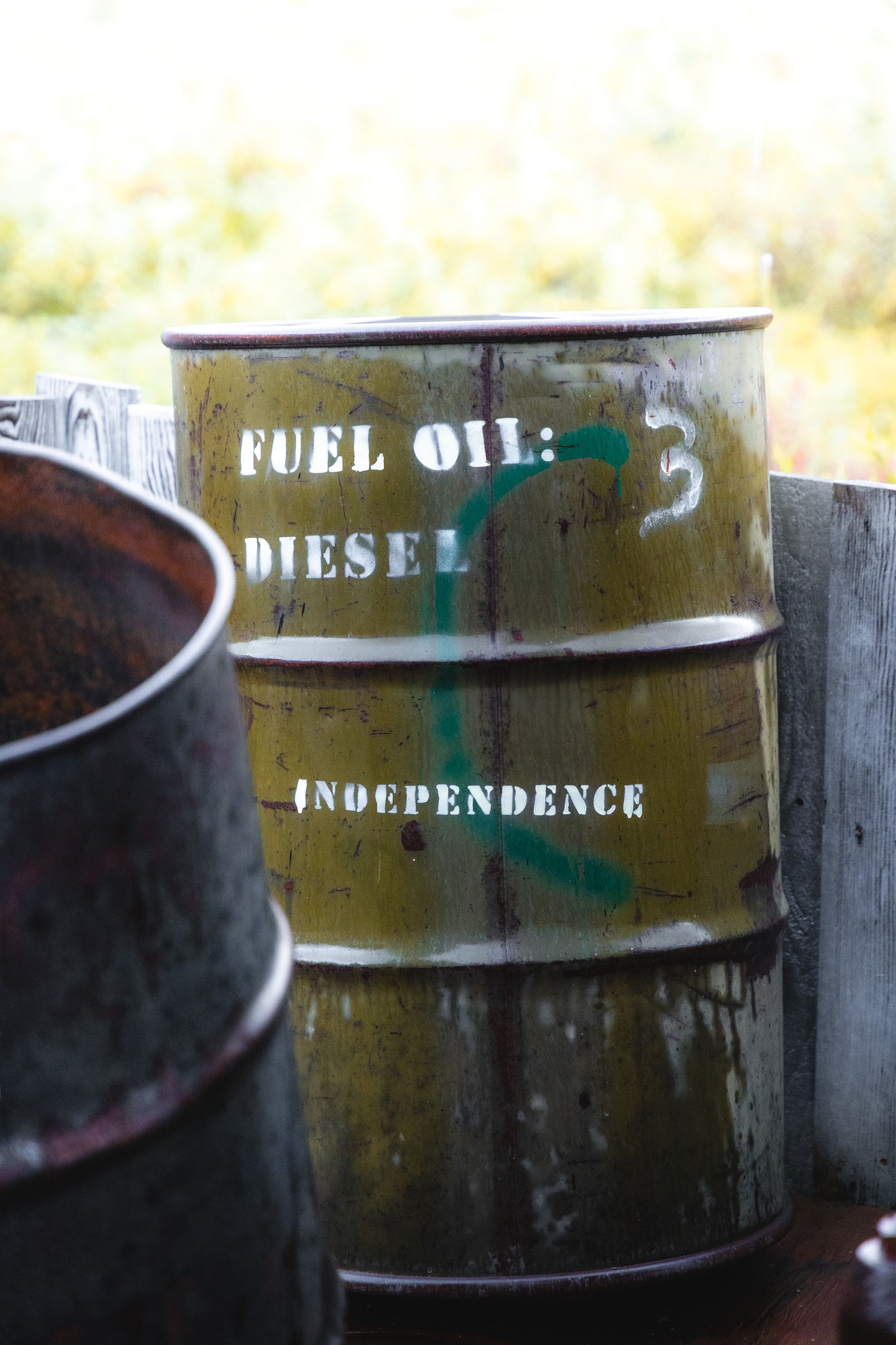
Gasoline gets the public’s attention, but diesel may pose a broader economic risk. Diesel powers trucks, delivery fleets, farm equipment, buses, construction vehicles, and many supply chains Americans depend on every day. When diesel stays expensive, the cost often gets passed through to products and services.
That means Trump’s Iran gas prices could appear in places that don’t look like fuel bills. Groceries, furniture, packages, restaurant meals, home repairs, and local services can all become more expensive when transportation costs rise. The pump may be the first place people notice the pain, but it may not be the last.
Oil Traders Could Keep Pricing in Fear
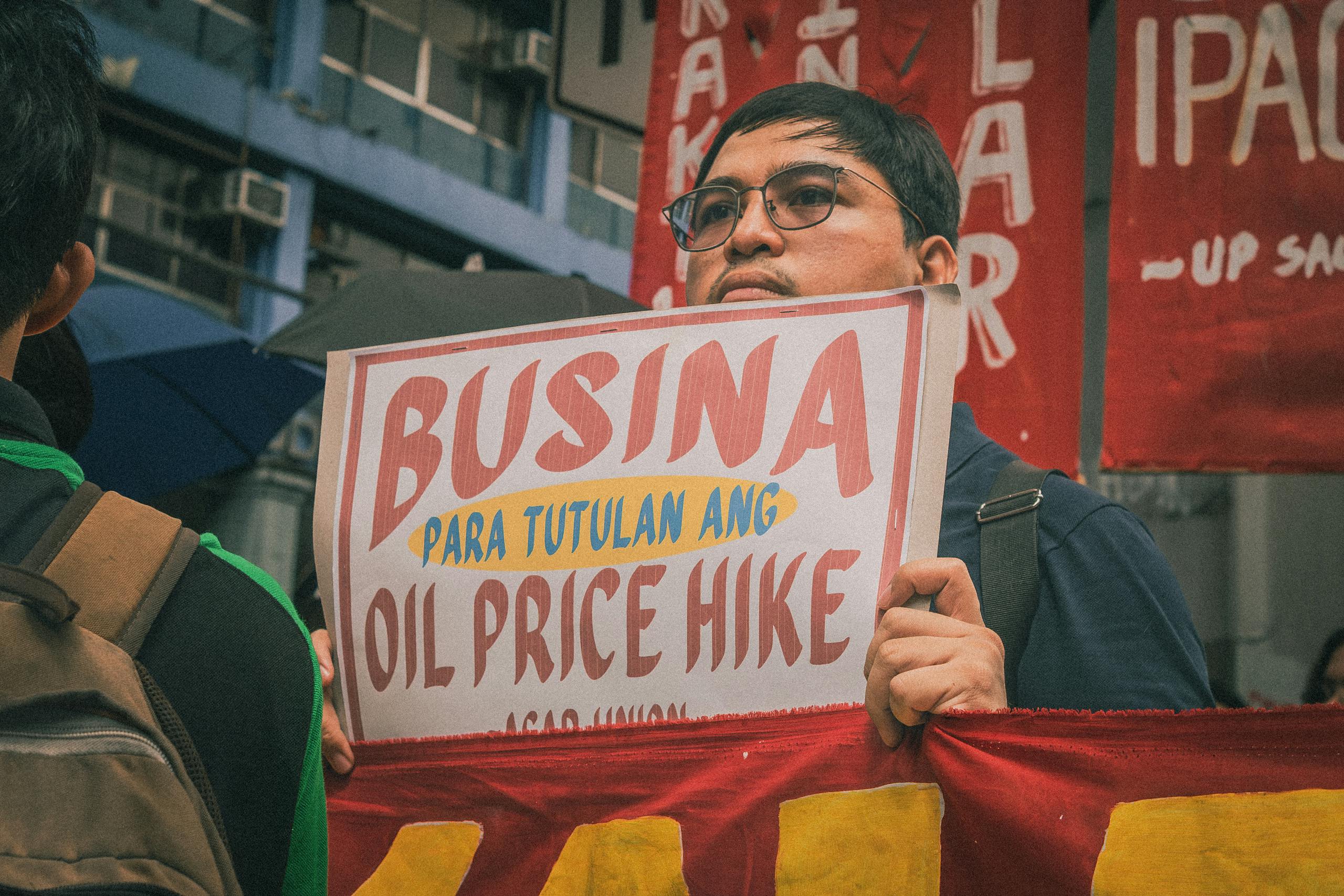
Oil prices do not move only after something happens. Markets often react to what trader’s fear might happen next. If Iran negotiations look fragile, or if leaders sound unconcerned about economic fallout, traders may price in more risk before drivers see any relief.
That fear can keep crude prices elevated even when there is no fresh military escalation. Investors watch supply routes, shipping insurance, tanker movement, refinery demand, and political language. In a tense market, one careless signal can carry more weight than a carefully written policy statement.
The Strait of Hormuz Could Keep Drivers Exposed
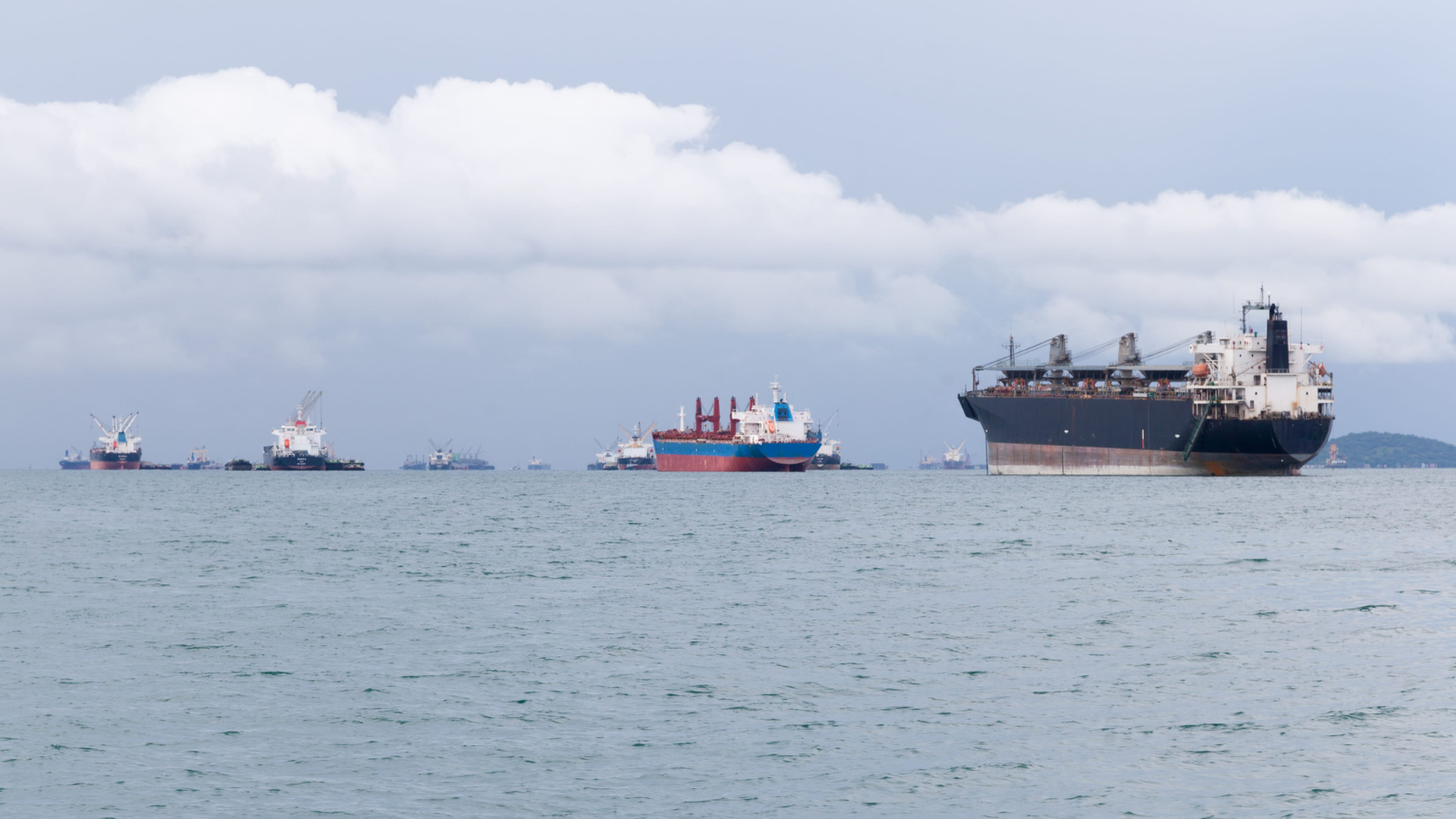
The Strait of Hormuz may sound like a faraway shipping lane, but it matters deeply to fuel prices. It is one of the world’s most important energy routes, and a major disruption can shake oil and gas markets worldwide. Even American drivers in states far from the coast can feel the effect.
The United States produces a lot of oil, but it does not live outside the global energy system. Crude prices respond to worldwide supply and demand. If the Iran conflict threatens a key shipping route, American gasoline can rise even when domestic production remains strong.
Small Businesses Could Get Squeezed from Every Direction
Small businesses often feel fuel price shocks more quickly than big corporations. Landscapers, contractors, caterers, cleaners, mobile repair crews, delivery drivers, and independent truckers depend on vehicles to earn money. When fuel costs jump, their profit margins can shrink almost overnight.
Some businesses may raise prices, add delivery fees, reduce service areas, or delay hiring. Others may absorb the cost and take home less income. Either way, higher fuel prices can become a business problem long before they become an official economic crisis.
Inflation Fears Could Return Through the Side Door
Gas prices do not need to be the only inflation driver to make people feel poorer. They simply need to touch enough parts of daily life. Fuel affects transportation, food distribution, manufacturing, commuting, tourism, and shipping. That reach gives oil shocks a way to sneak into household budgets from many directions.
This is why the Iran gas price story matters beyond politics. If fuel prices remain high long enough, Americans may start seeing price pressure in more categories. The economy can look stable on paper while families feel their paychecks are disappearing faster each week.
Political Backlash Could Grow as Drivers Blame Washington
Fuel prices are especially brutal in politics because voters see them everywhere. They sit on huge roadside signs, stare back from pump screens, and land inside bank statements. A president can talk about strategy, strength, and diplomacy, but drivers often judge results by the cost of filling the tank.
That gives Trump’s critics a powerful opening. If voters believe the Iran conflict made gasoline more expensive, the argument becomes simple and emotional. Washington made the mess, and drivers paid the bill.
Relief May Not Come as Quickly as Drivers Hope
Even if negotiations improve, prices may not fall overnight. Gasoline and diesel markets need time to adjust after a shock. Refineries, distributors, retailers, inventories, shipping costs, and wholesale contracts can all slow the path from lower crude prices to cheaper pump prices.
That delay can make drivers feel trapped. They hear that oil is down, but their local station still charges more than they expected. In a tense market shaped by Iran fears, relief may come slowly, unevenly, and too late for families already cutting back.
Conclusion
The Trump Iran gas prices story is not just about politics, oil charts, or one analyst’s warning. It is about the uncomfortable way global conflict can reach into American wallets with almost no warning. A tense negotiation overseas can become a higher commute cost in Ohio, a pricier grocery run in Texas, or a canceled road trip in California.
Drivers do not need complicated market language to understand what is happening. They feel it when the pump clicks past the number they hope to spend. If the Iran conflict continues to rattle oil markets, the cost may keep showing up in the most ordinary place possible, one gallon at a time.