Parenting advice has always carried the mood of its time. What sounded sensible in one century can sound cold, risky, or almost unbelievable in another. That is why old child-rearing manuals are so fascinating. They show us a world where parents were told to raise children with discipline first, affection second, and scientific confidence, even when the “science” was thin.
We can read these strange parenting tips from the past as a window into history, not as a simple parade of mistakes. Many of these rules grew from real fears about disease, poverty, weak sanitation, infant mortality, overcrowded cities, and moral decline.
Parents Were Told Not to Hug or Kiss Their Children Too Much

One of the most unsettling pieces of early 20th-century parenting advice held that too much affection could weaken a child. Under this view, hugs, kisses, lap-sitting, and constant cuddling were not signs of healthy love. They were treated as indulgences that could produce clingy, spoiled, emotionally dependent children. The advice reflected a wider cultural desire to make children orderly, self-controlled, and tough from the earliest age.
This idea became especially famous through behaviorist thinking. Behaviorism focused heavily on training, habits, rewards, and responses, leading some experts to believe that parents could shape children almost mechanically. The warm, messy, emotional side of family life looked suspicious to them. A parent who kissed a child too freely could be accused of building weakness into the child’s personality.
A Morning Handshake Was Considered Better Than Cuddling

Some old parenting guidance did not merely warn against affection. It tried to replace affection with formal manners. Instead of a morning hug, a child might be greeted with a handshake. Instead of cuddling after a fright, a parent might be encouraged to stay composed and distant. The goal was to treat the child almost like a polite young adult in training.
This advice makes more sense when we place it inside the etiquette culture of the period. Respectability mattered. Self-command mattered. Children were often expected to learn manners early because manners were linked to class, morality, and future success. A child who acted too freely could be seen as badly raised, not merely energetic.
Rocking a Baby Was Called a Bad Habit
Modern parents often rock babies because it feels natural. A crying infant is picked up, held close, and gently moved until the body relaxes. In older parenting manuals, however, rocking could be described as a habit that was easy to create and hard to break. Instead of seeing it as comfort, some experts framed it as a parental mistake.
Babies Were Sometimes Left to Cry for Long Periods
Old parenting advice often treated crying as a useful exercise, a lung-strengthening activity, or a habit that needed to be defeated. Some manuals suggested that babies could cry for a surprisingly long time if the parent believed the child was crying from habit rather than pain, hunger, or illness. The advice was wrapped in confidence, but it placed a heavy burden on parents to correctly interpret a baby’s cry.
Strict Feeding Schedules Were Treated Like Moral Discipline
Many parents in the 19th and early 20th centuries were told to keep tight control over meals. Children were expected to eat at set times, avoid random treats, and accept the food placed before them. Snacking could be framed as weakness, disorder, or parental softness. Food was not just nourishment. It was a tool for teaching obedience.
This attitude came partly from practical concerns. Households had fewer convenience foods, less refrigeration, and more rigid meal routines. Parents also worried about digestion because stomach trouble was a common subject in child-care manuals. A predictable schedule seemed safer, cleaner, and more respectable than letting children graze throughout the day.
Dry Bread Was Recommended Instead of Snacks
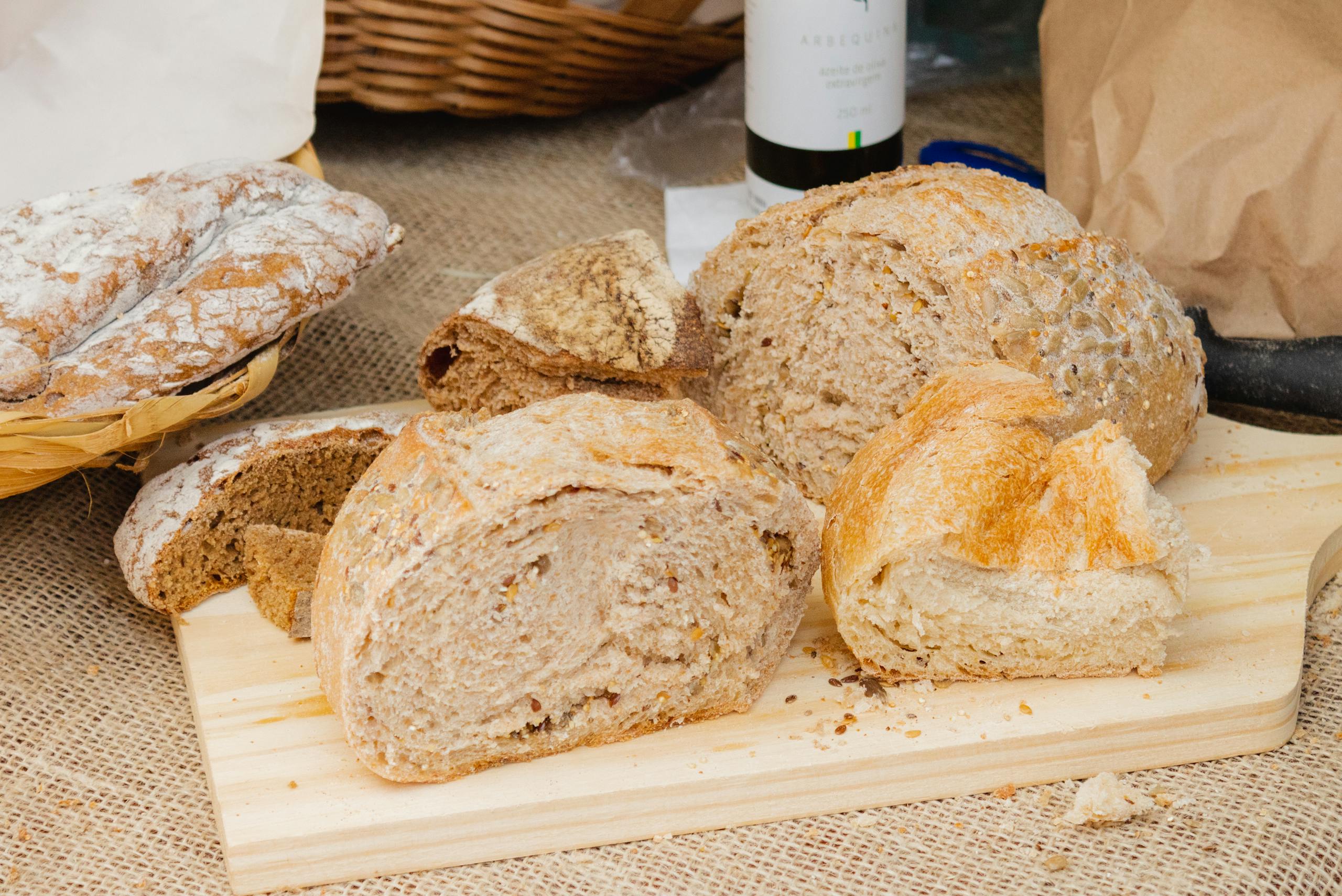
The dry-bread rule is one of those old parenting tips that sounds almost like satire. A child who wanted more food could be offered a plain piece of bread. If the child were truly hungry, the bread would be eaten. If the child wanted pleasure, the bread would expose the desire as mere greed. It was a simple test, but it carried a stern philosophy.
Behind the advice was a suspicion of appetite. Sweet foods, rich foods, and between-meal treats were thought to invite poor digestion and poor character. A child asking for more might be seen as testing the authority. The parents’ job was to resist. Even hunger became part of a moral lesson.
Some Remedies for Crying Babies Contained Alcohol or Opiates

Few old parenting practices feel more alarming than the use of soothing syrups and medicinal mixtures that contain substances we would never casually give to infants today. In the 19th century, some remedies marketed for crying, teething, pain, or sleeplessness included alcohol, opium-derived ingredients, or morphine. These products were sold in a world with weaker regulation and less public understanding of dosage risks.
Parents were not necessarily careless. Many were desperate. A baby in pain, a parent without sleep, and a bottle promising calm could look like rescue. Medical authority also looked different then. Patent medicines were widely advertised, and the line between household remedy and dangerous drug was often dangerously blurry.
The tragedy is that some products did calm babies because they sedated them. That calm could be mistaken for healing.
Newborns Could Be Rubbed With Lard, Butter, or Oil
Some Victorian-era child-care advice recommended rubbing a newborn’s skin with substances such as lard, butter, or sweet oil. The aim was often to clean the baby and remove the waxy coating now known as vernix. At the time, that coating could look unpleasant or unclean to adults who valued visible cleanliness. Removing it seemed like proper care.
To modern readers, the idea of rubbing a newborn with lard sounds bizarre. Yet it came from a world where household fats had many uses. They softened, loosened, protected, polished, and treated a wide range of surfaces. In that context, using fat on a baby’s skin did not sound as strange as it does now.
Infant Bowel Training Could Begin Shockingly Early
Some old manuals advised parents and nurses to train an infant’s bowel habits very early, even within the first months of life. The method often involved placing the baby in a small chamber at regular times and encouraging a predictable routine. The goal was order, cleanliness, and less labor for the caregiver.
This advice reflects a household world without disposable diapers, washing machines, or modern sanitation conveniences. Every soiled cloth meant work. Laundry was harder, drying was slower, and hygiene carried real stakes. A regular infant was not just a medical ideal. It was a practical victory for the household.
Children Were Expected to Build Character Through Discomfort
A common theme in old parenting advice was the belief that comfort could spoil character. A hungry child could wait. A crying baby could be left alone. A child who wants affection could be redirected toward manners. The discomfort was not always seen as harm. It was often seen as training.
This thinking reflected a wider social value. Life was expected to be difficult, and children had to be prepared for it. Parents feared weakness because weakness could have real consequences in a world with fewer safety nets. Raising a child to endure discomfort seemed responsible, not cruel, to many adults of the time.
The problem is that endurance became an easy excuse for emotional distance. There is a difference between helping a child develop resilience and denying ordinary needs.
Obedience Was Often Valued Over Emotional Understanding
In many older child-rearing guides, the parents’ authority sat at the center of the household. A good child obeyed promptly, ate properly, slept on schedule, spoke respectfully, and did not make unnecessary demands. Emotional explanation mattered far less than compliance. The child’s inner world was often treated as secondary.
That approach reflected the social order of the time. Families were hierarchical. Schools were hierarchical. Workplaces, churches, and public life were hierarchical. A child who learned obedience at home was being prepared for the wider world. Questioning adults could be seen as poor manners or moral failure.
Conclusion
Strange parenting tips from the past are more than odd historical trivia. They show how deeply family life is shaped by fear, science, class, medicine, housing, and social expectations. A baby cage was not just a weird invention. It was a response to crowded apartments and to health campaigns promoting fresh air. A dry-bread snack was not just about stinginess. It reflected a stern belief that appetite needed discipline. A no-hug rule was not just coldness. It came from a theory that treated affection as a habit-forming risk.