Some food habits look harmless until they start draining energy, health, money, and peace at home. Brutal food habits quietly hurting American families often hide in busy mornings, rushed dinners, and weekend treats that slowly become daily routines. So, what are these quiet troublemakers sitting right on the family table?
Skipping Real Breakfast
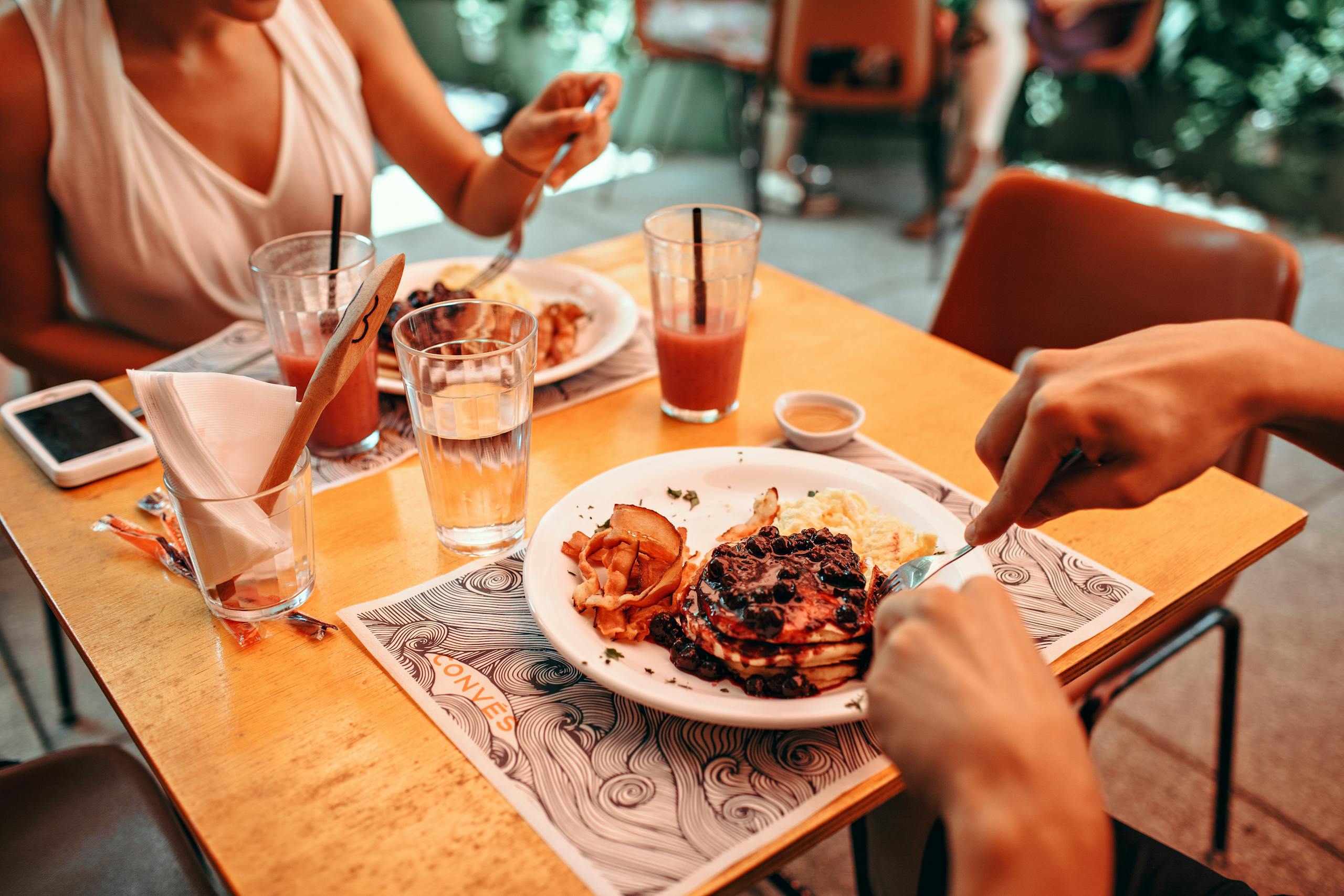
Many families start the day with coffee, a bowl of sweet cereal, or nothing at all. That may feel normal during a rushed morning, but it leaves the body begging for better fuel. By midday, everyone feels cranky, foggy, and ready to snack like a raccoon in a pantry.
A weak breakfast can prompt people to reach for sugary foods later. Kids may struggle to focus, and adults may reach for quick bites that offer little lasting energy. FYI, breakfast does not need to be fancy to be useful.
A better morning plate can include eggs, oats, fruit, yogurt, or whole-grain toast. The goal is simple food that holds the family steady. Why start the day running on empty when the kitchen can help?
Drinking Sugar Like Water
Sugary drinks sneak into family life through soda, sweet tea, sports drinks, and flavored coffees. They feel refreshing, but they often bring more sugar than the body needs. The American Heart Association warns that added sugar can add up fast in daily drinks.
Families often forget that drinks count as food choices too. A child may eat a decent meal, then wash it down with a sugar bomb. Adults do the same with fancy coffees and call it self-care, because apparently, whipped cream now has a public relations team.
Water, plain milk, or unsweetened drinks are better daily habits. Fruit slices can make water feel less boring. Small swaps can protect energy, teeth, and long-term health.
Letting Processed Snacks Rule The House
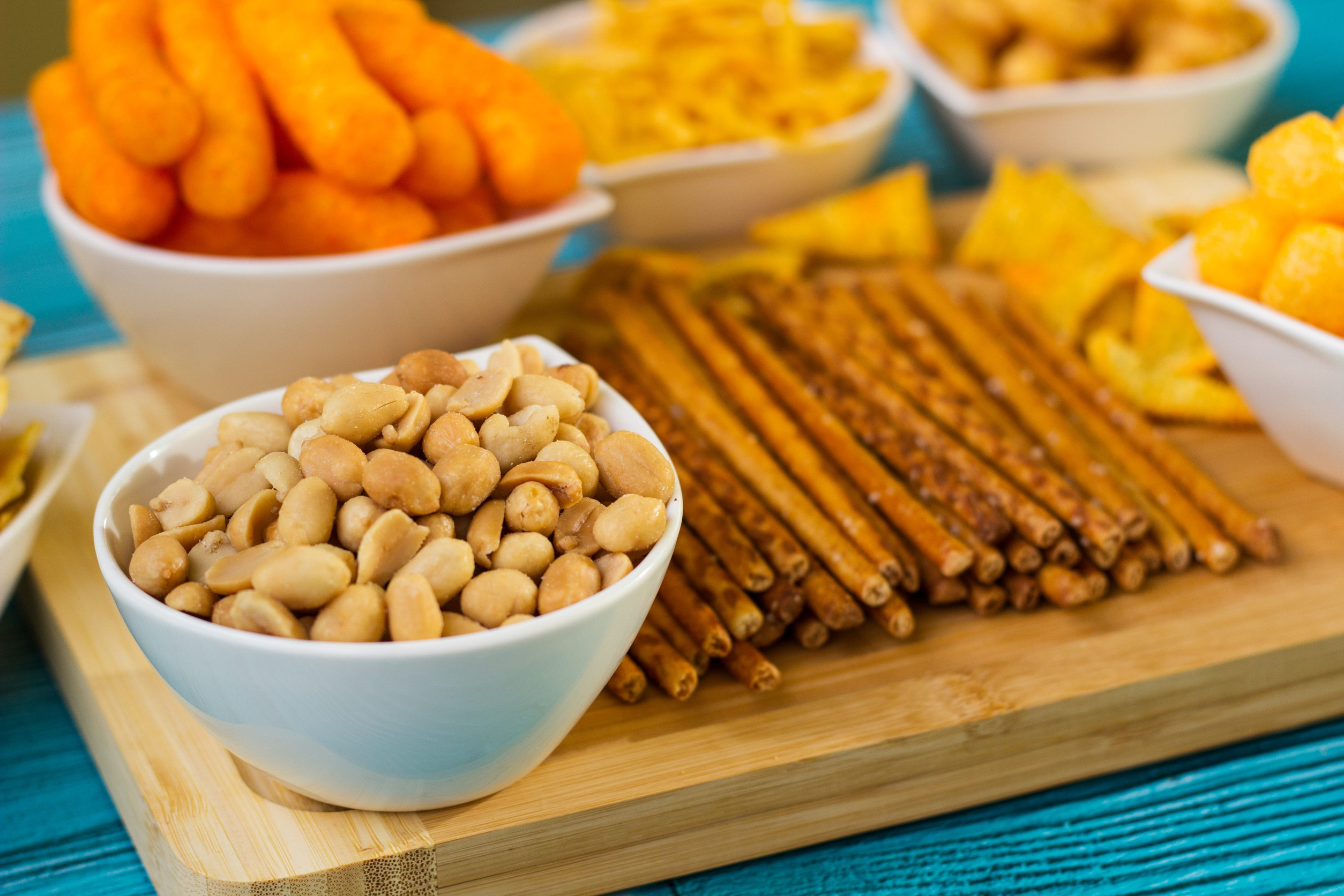
Processed snacks are everywhere because they are cheap, easy, and loud with flavor. Chips, cookies, frozen bites, and packaged pastries can take over the pantry before anyone notices. They promise comfort, but they often crowd out real food.
When snacks replace meals, families miss fiber, protein, and other important nutrients. Kids learn to crave strong flavors instead of simple foods. Adults also get pulled into the same cycle after stressful days.
Keeping better options at home changes the game. Nuts, fruit, boiled eggs, popcorn, and yogurt can still feel easy. The pantry should help the family, not quietly sabotage it.
Eating Dinner In Front Of Screens
Dinner used to bring people together, but screens now steal the table. Families eat beside phones, tablets, televisions, and endless scrolling. The food disappears, yet nobody really feels present.
Screen meals can make people eat too fast. They also weaken family conversation, which matters more than many people admit. A quiet table can feel awkward at first, but that awkwardness can turn into a connection.
A screen-free meal does not need to happen every night. Even a few calm dinners each week can reset the mood at home. Isn’t it wild that the hardest guest to remove from dinner is sometimes a phone?
Ordering Takeout Too Often
Takeout saves the day when everyone feels tired. The problem starts when emergency food becomes the family’s routine. Restaurant meals often contain extra salt, fat, and sugar, and are served in larger portions.
Families also feel the financial side of this habit. A few casual orders can quietly eat into the weekly budget. IMO, delivery apps are convenient, but they also know how to flirt with tired people.
Home meals can stay simple and still win. Soup, rice bowls, sandwiches, baked potatoes, or sheet pan dinners can beat another expensive order. The goal is not perfection, but control.
Treating Vegetables Like Decoration
Vegetables often sit on plates like little green apologies. Families know they matter, but they still push them aside. This habit hurts because vegetables provide fiber, minerals, and a sense of fullness.
Kids copy what they see at the table. If adults avoid vegetables, children learn that greens are a punishment rather than normal food. That lesson can follow them for years.
The fix starts with making vegetables taste good. Roast them, season them, add them to pasta, soups, eggs, and wraps. Nobody said broccoli must suffer in silence.
Eating Too Fast
Fast eating feels normal in busy homes. Parents rush between work, errands, and chores, so meals become another task to add to the list. Kids also learn to eat quickly when family life always feels hurried.
The body needs time to notice fullness. When people eat too fast, they often end up eating more than they planned. Then comes the heavy, sleepy feeling that nobody invited.
Slower meals help the body and the mood. Put the fork down between bites, drink water, and actually taste the food. Food should not feel like a timed contest.
Keeping Junk Food As The Main Reward
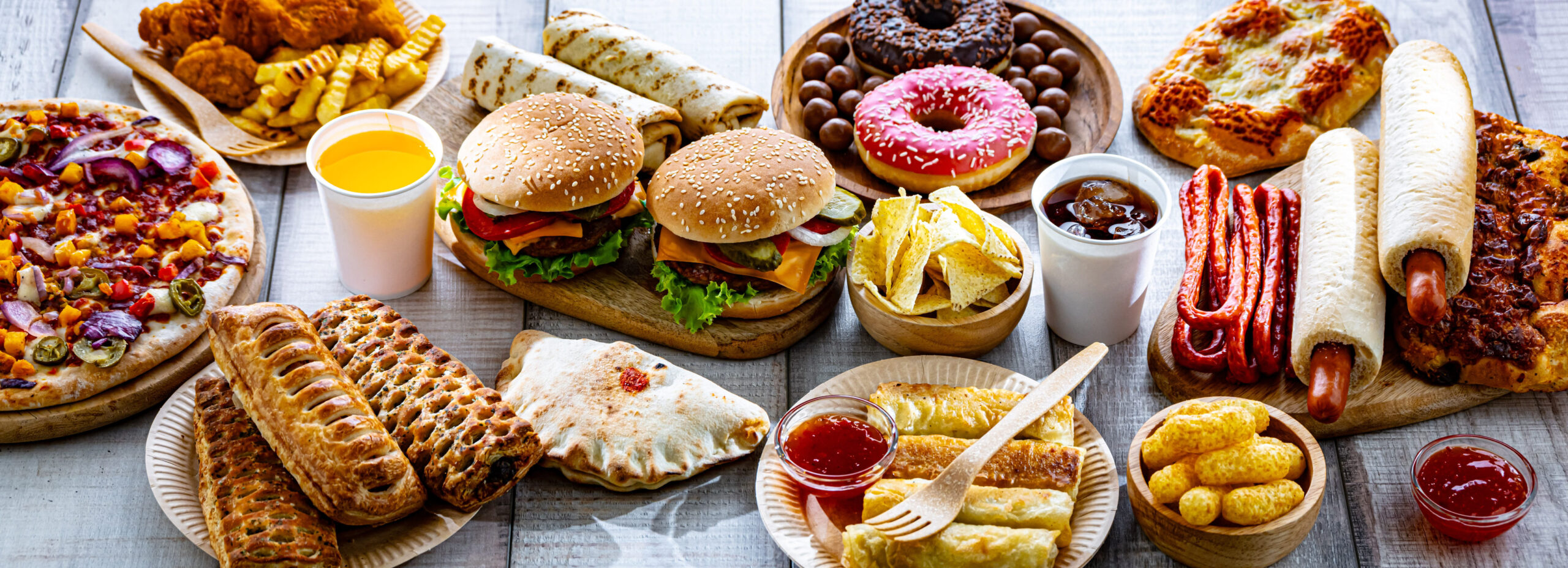
Many families use sweets, fries, and fast food as rewards. It feels loving in the moment, especially after a hard day or a school win. Yet this teaches kids to connect comfort and celebration only with junk food.
Food rewards can create lasting emotional patterns. Adults may later treat stress with snacks because that was the family’s language of comfort. That is not failure, but it is a habit worth noticing.
Families can celebrate with walks, games, movie nights, music, or homemade meals. Treats can still exist without becoming the main love language. Joy should have more than one flavor.
Ignoring Food Labels
Food labels look boring, so many shoppers ignore them. Packages use pretty words that make products sound healthier than they are. The front of the box often acts like a tiny salesperson with excellent lighting.
The real story usually lives on the nutrition label and ingredient list. Added sugar, sodium, and saturated fat can hide in foods that look innocent. That includes sauces, cereals, breads, frozen meals, and snacks.
Families do not need to study labels like they would for a final exam. They can simply compare products and choose the better one most of the time. Small reading habits can prevent big health surprises.
Making Healthy Food Feel Like Punishment
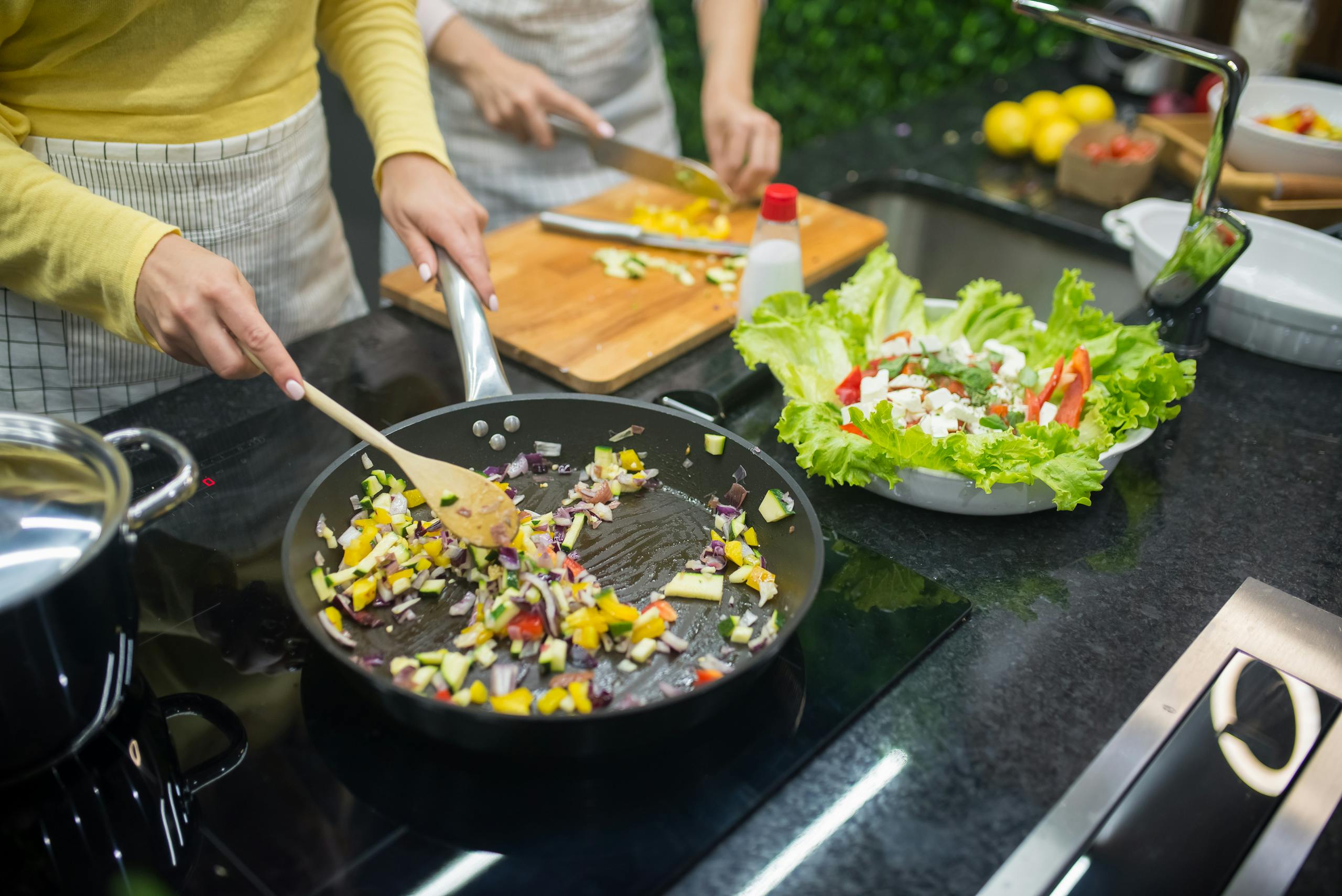
Some homes talk about healthy food as if it were a prison sentence. Salad becomes suffering, water becomes sadness, and grilled food becomes the enemy of happiness. No wonder people run back to pizza with emotional loyalty.
Healthy meals need flavor, color, and personality. Herbs, spices, sauces, garlic, lemon, and smart cooking methods can make simple food feel exciting. A family will not stick with meals that taste like cardboard wearing perfume.
The better approach is balance. Keep favorite foods, but build stronger everyday habits around them. That is how brutal food habits are quietly hurting American families, and they are losing their power.
Conclusion
Food habits shape family life more than many people realize. They affect energy, mood, spending, confidence, and long-term health. The scary part is that the worst habits often look normal because everyone around us does them too.
Families do not need a dramatic kitchen makeover to improve. They need small, repeatable changes that fit real life. Better breakfasts, fewer sugary drinks, calmer meals, more vegetables, and smarter snacks can create a powerful shift.
The goal is not to shame anyone. Life gets busy, money gets tight, and food choices can feel complicated. Still, every family deserves habits that protect health rather than quietly wear it down.