Hosting guests should feel like opening the door to warmth, laughter, and easy conversation. It should not feel like handing everyone a plate full of stains, bones, pits, shells, spice pain, and silent panic. The best dinner party food does more than taste good. It behaves well at the table, respects different diets, holds up safely, and lets people enjoy each other without fighting over their meal.
That is where many hosts stumble. They plan the menu around flavor alone and forget the quiet rules of hospitality. A dish can be delicious and still be a terrible guest food. Some meals demand too much work, some create a mess, some raise allergy concerns, and others trap the host in the kitchen while the real party is happening in the dining room.
Spaghetti With Red Sauce Can Turn Dinner Into a Stain Test
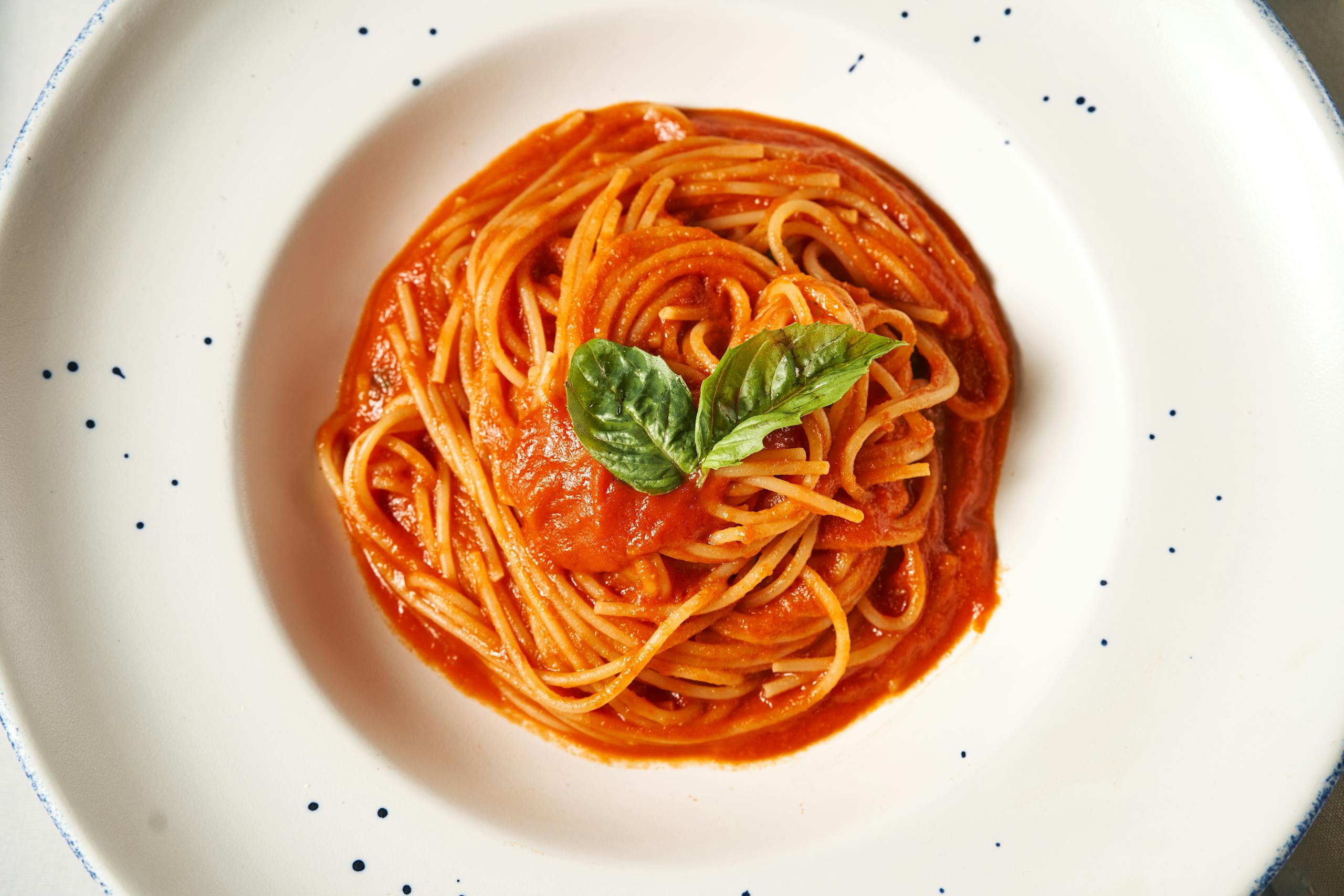
Spaghetti with red sauce sounds classic, familiar, and harmless until the first guest tries to twirl it neatly in nice clothes. Long noodles slip, splash, whip sauce, and create the kind of table tension nobody wants during a social meal. Red sauce has a special talent for finding pale shirts, linen napkins, upholstery, and the one guest who dressed carefully for the evening.
Unshelled Shellfish Makes Guests Work Too Hard for Dinner
Crab legs, crawfish, whole shrimp, mussels, and shell-on prawns can be wonderful in the right setting. They are less wonderful when guests are dressed nicely, seated close together, and trying to hold a conversation without smelling like seafood. Shellfish that require cracking, peeling, tugging, or digging shift the mood from dinner party to manual labor.
The better approach is simple. Do the work before the guests sit down. Serve peeled shrimp, crab cakes, lobster rolls, seafood salad, baked fish portions, or a clean shrimp cocktail with tails removed when possible. Guests still get the luxury of seafood, but they do not have to build a small battlefield of shells on the side of their plate. Good hosting removes friction before anyone notices it.
Extremely Spicy Food Can Divide the Whole Table
A fiery curry, ghost pepper chili, or blazing hot wings may thrill spice lovers, but hosting is not a heat-tolerance contest. Spice is deeply personal. One guest may call jalapeño mild, while another may start sweating after one spoonful of medium salsa. Once a dish is too spicy, there is no graceful fix at the table.
We should build heat in layers rather than forcing it into the main dish. A mild or medium base gives everyone a fair starting point, then hot sauce, chili oil, pepper flakes, harissa, or sliced chilies can sit on the side for guests who want more fire. This keeps the meal generous instead of risky. A good host gives people options without making anyone feel weak for reaching for water.
Bone-In Fish Creates Anxiety Instead of Appetite
Fish can be elegant, light, and beautiful for guests, but bone-in fish is a dangerous kind of elegance. Tiny bones can hide in soft flesh, turning every bite into a cautious inspection. Nobody wants to pause mid-conversation to discreetly remove a fish bone from their mouth. It feels awkward, and it can become a real choking concern.
Boneless fillets are the better choice for entertaining. Salmon, cod, halibut, snapper, trout fillets, or sea bass portions can feel refined without making guests nervous. If whole fish is part of a cultural or family tradition, it should be served in a setting where guests expect it and know how to handle it. For a mixed dinner crowd, clean portions win every time.
Corn on the Cob Is Too Messy for a Polished Dinner
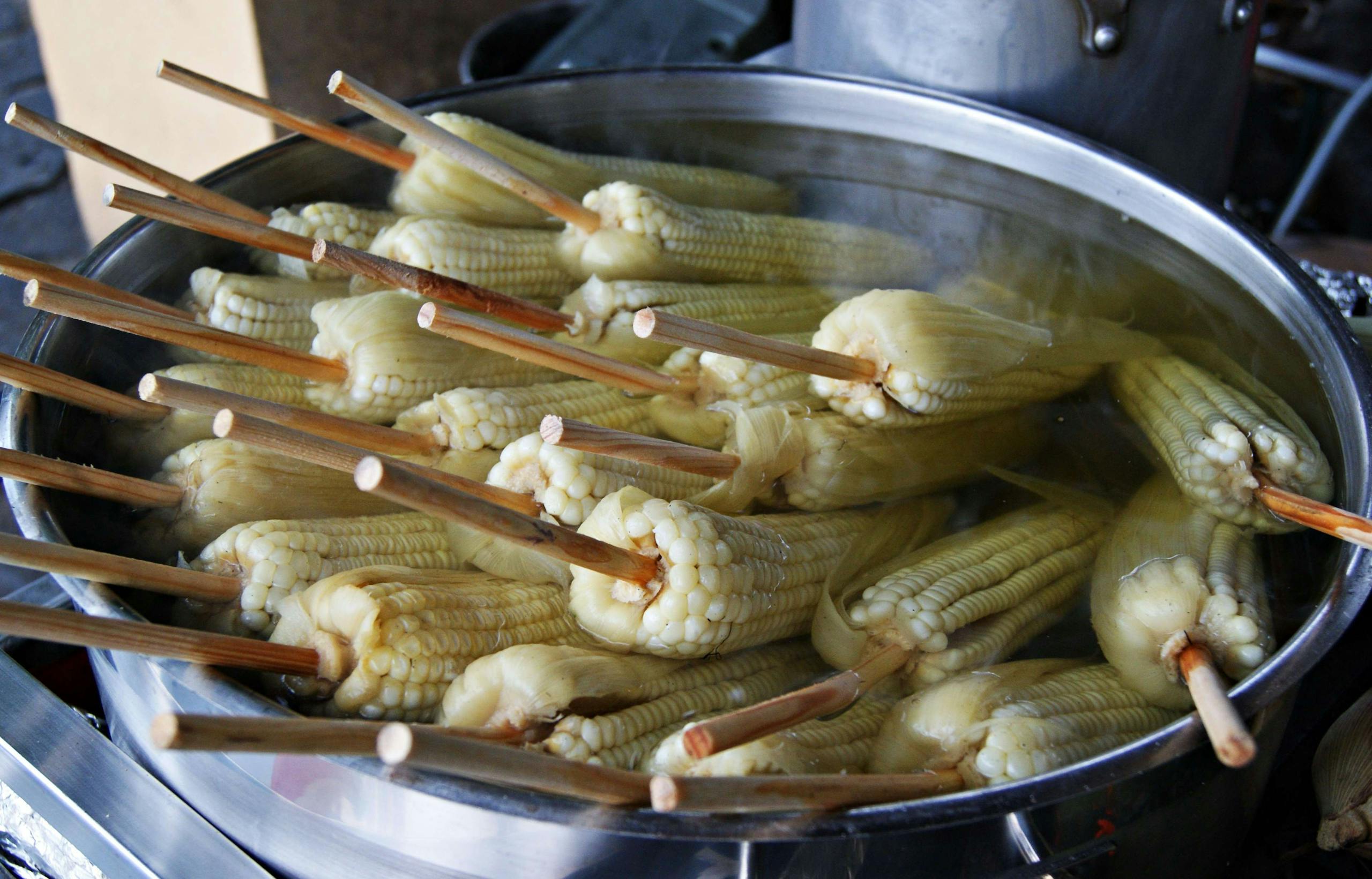
Corn on the cob belongs at barbecues, picnics, beach cookouts, and backyard meals where sticky fingers are part of the fun. It rarely belongs at a seated indoor dinner. Butter drips, kernels wedge between teeth, and guests spend the rest of the evening wondering if their smile has betrayed them.
Cut the corn off the cob before serving. We can turn it into charred corn salad, creamy skillet corn, corn pudding, succotash, elote-style cups, or a bright corn-and-tomato side dish. The flavor stays sweet and summery, but the embarrassment disappears. Hosting often comes down to small acts of mercy, and removing corn from the cob is one of them.
Heavy Raw Onion or Garlic Dishes Can Linger Too Long
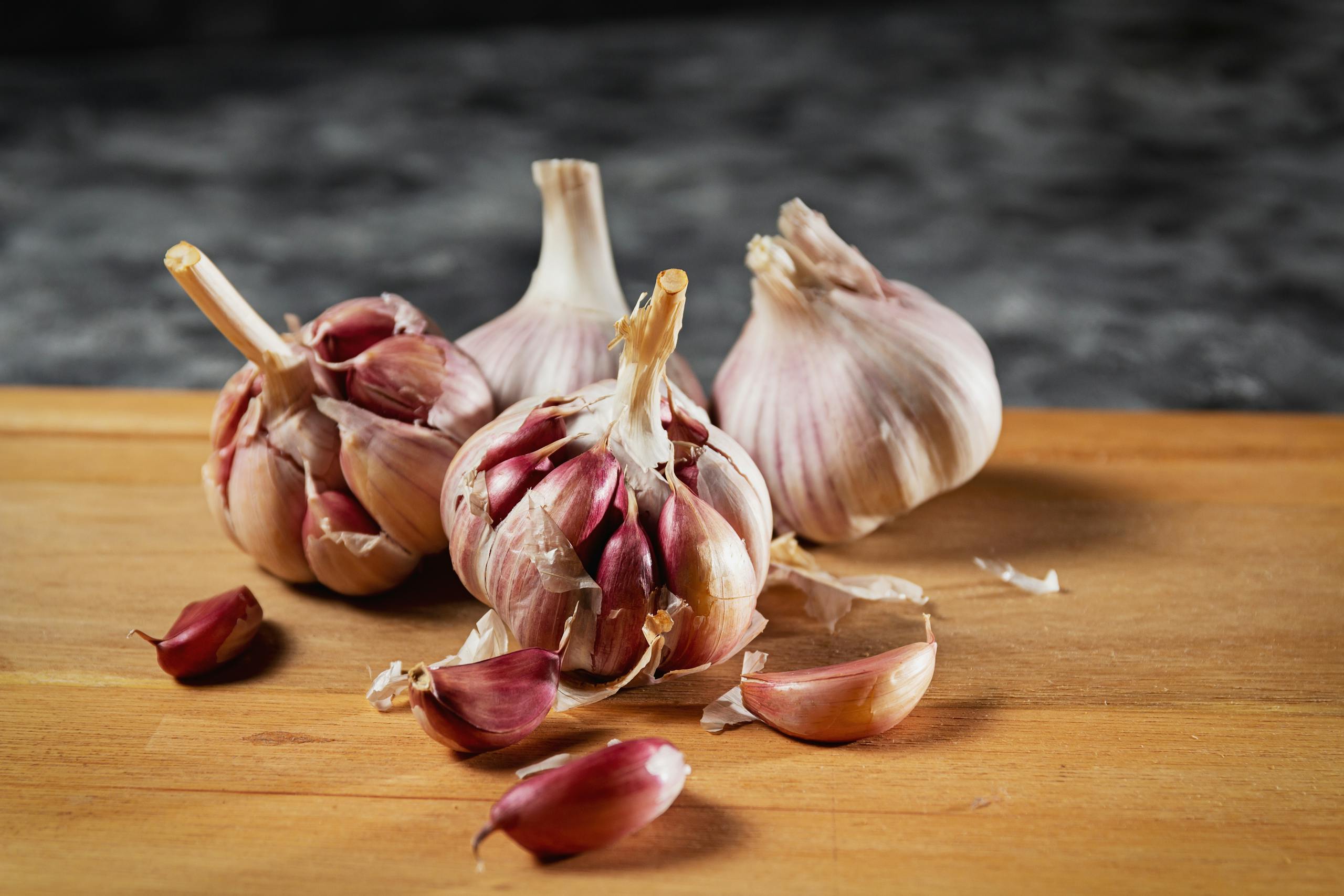
Garlic and onion are the backbone of countless great dishes, but they can become a problem when they dominate the plate. Raw onion in salads, intense garlic dips, and aggressively seasoned sauces can leave a strong aftertaste that follows guests into every conversation. The meal may be delicious, yet the social comfort quietly fades.
We should use aromatics with intention. Roasted garlic, caramelized onions, sautéed shallots, chives, scallions, and mellow herb sauces offer depth without overwhelming the room. If a bold garlic dip or onion-heavy relish belongs on the table, serve it as an optional condiment rather than the centerpiece. Guests should remember the meal, not fear speaking too closely afterward.
Raw Meat Dishes Are Too Risky for a Mixed Guest List
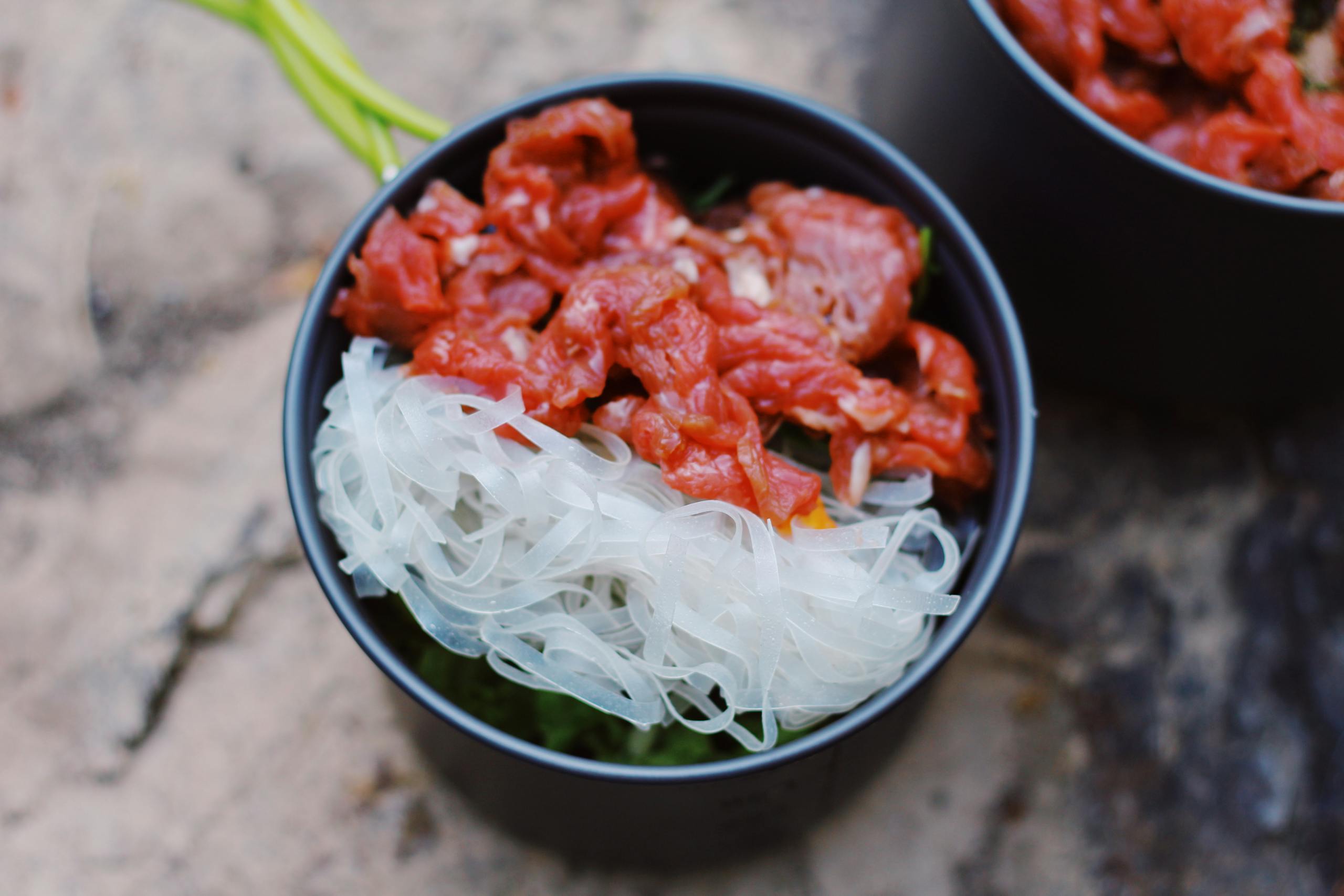
Steak tartare, carpaccio, kibbeh nayyeh, and other raw meat dishes can be prized delicacies in the right hands. Still, they are poor choices for most general hosting situations. Some guests avoid raw meat for health reasons, pregnancy, age, immune concerns, texture preferences, religious practices, or simple discomfort. Even when carefully prepared, raw meat raises more questions than it provides comfort.
Cooked proteins are more inclusive and less stressful. We can serve tender roast beef, grilled chicken, slow-braised lamb, seared steak slices, meatballs, skewers, or a well-seasoned roast. These dishes feel hearty and polished without asking guests to take a leap of faith. A dinner party is not the place to discover who is comfortable with raw beef.
Soup as the Main Course Can Feel Too Light and Too Fussy
Soup can be a beautiful starter, especially when served in small bowls, mugs, or elegant cups. As the main course, it often struggles. It cools quickly, splashes easily, and can leave guests wondering if a real meal is still coming. Thin soups are especially risky because they feel more like a prelude than a centerpiece.
If soup must lead the menu, it needs support. Pair it with crusty bread, a substantial salad, roasted vegetables, cheese toast, savory pastries, or a protein-rich side. Better yet, serve soup as a warm opening act and let a more satisfying dish carry the evening. Guests should leave full, not politely hungry.
Unpitted Olives and Cherries Create an Etiquette Problem
Unpitted olives and cherries look innocent until guests have to figure out where the pits go. Into the hand? Onto the side of the plate? Wrapped in a napkin? Hidden like evidence? Nobody wants to make that decision in front of people they may not know well.
Pitted options are worth the small extra cost. Serve pitted olives in a bowl with herbs, citrus zest, and olive oil. Use pitted cherries in desserts, salads, sauces, or cheese boards. The goal is not to remove charm from the table. The goal is to eliminate minor discomforts that interrupt the flow of the meal.
Allergy-Heavy Surprise Dishes Can Make Guests Feel Unsafe
Some foods commonly trigger allergies include shellfish, peanuts, tree nuts, milk, eggs, wheat, soy, fish, and sesame. These ingredients are common in party foods, sauces, baked goods, dips, marinades, and dressings. The problem is not serving them at all. The problem is hiding them or failing to mention them.
We should label dishes clearly or mention key ingredients before guests serve themselves. A sesame dressing, peanut sauce, almond crust, shrimp stock, or dairy-heavy sauce should not be a surprise. If we know guests have allergies, the safest move is to plan around them with care. Hospitality means nobody has to interrogate the host before taking a bite.
Conclusion
A great host does not need a complicated menu to impress people. We need thoughtful choices, good pacing, and food that lets the room breathe. Serve dishes that invite people to relax, talk, laugh, and reach for seconds without hesitation. That is the kind of meal people remember long after the plates are cleared.