Politics in America no longer stays in Washington. It shows up at Thanksgiving dinner, in church parking lots, on cable news, inside school board meetings, and in family group chats that used to be about birthday plans.
Mention Donald Trump, and the room shifts.
To his supporters, the sitting president is a fighter who breaks polished political rules. To his critics, he is proof that division, grievance, and chaos can sit at the center of American power and still call itself leadership.
This is an opinion, not a settled national verdict, but critics point to a long record of documented controversies that make the argument hard to dismiss.
The Debate Feels Urgent Because Trump Still Holds Power
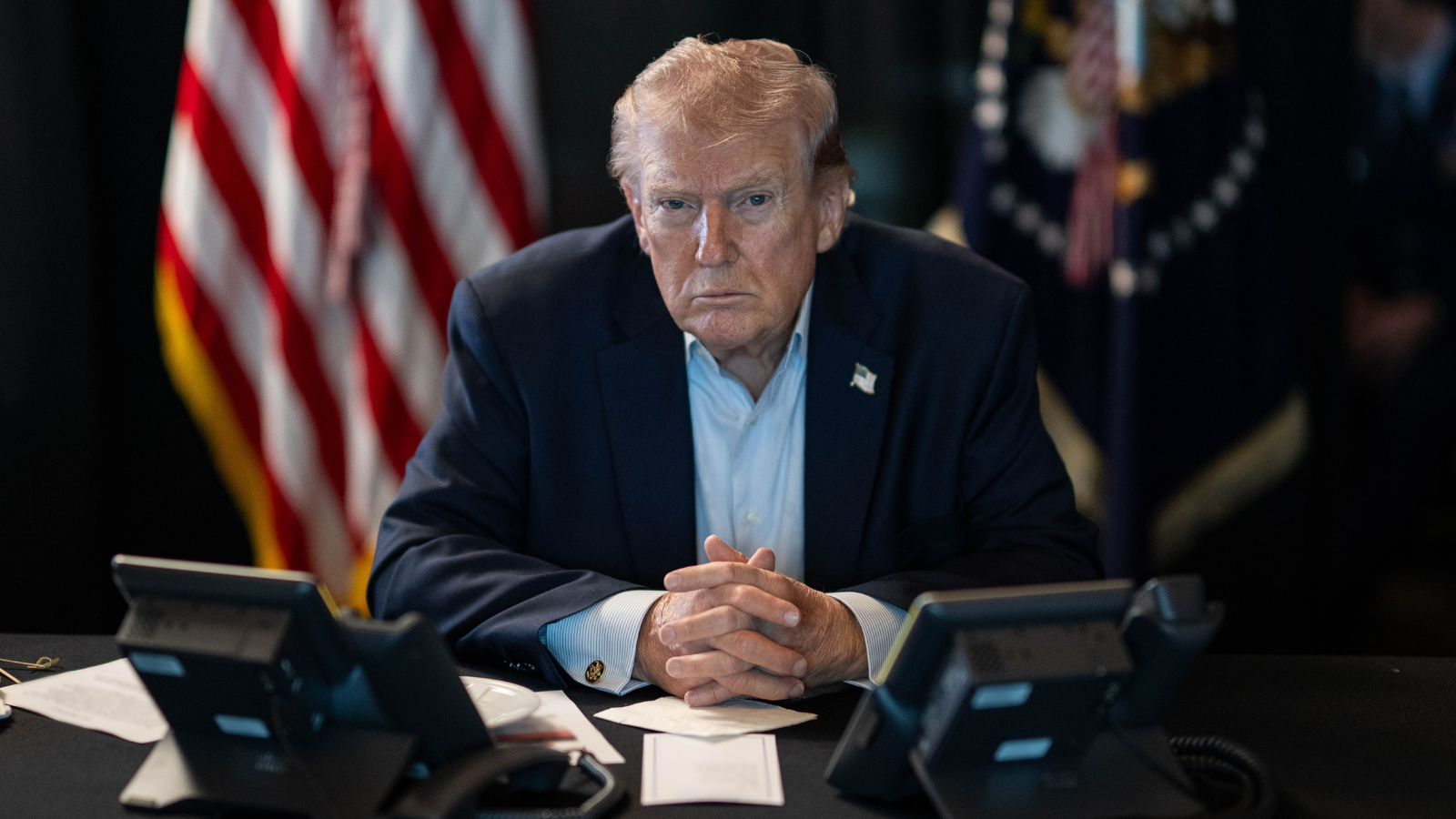
Trump is not being judged from a quiet retirement. He is serving as president again, which makes the debate over his record feel immediate rather than historical. Every old controversy now sits beside new decisions from the Oval Office.
That changes the emotional weight of the conversation. Americans are not only asking what his first term did to the country. They are asking whether the same habits, enemies, language, and governing style are shaping the country all over again.
His Impeachment Record Still Shadows the Office
Trump is the only American president to be impeached twice by the House. The first case involved pressure related to Ukraine, and the second came after the events surrounding January 6.
He was acquitted by the Senate both times, which matters for accuracy. Still, being impeached two times remains one of the clearest reasons critics say his presidency carries a stain no political comeback can fully erase.
January 6 became the Image Critics Cannot forget.
For many Americans, January 6 was the moment Trump’s political style became something darker. A mob entered the Capitol while Congress was certifying the 2020 election, forcing lawmakers, staff, and police into danger.
Critics argue that his false claims about the election helped create the conditions for that crisis. The public record of that day unfolded into one of the strongest reasons many Americans still see his conduct as uniquely damaging.
Election Denial Turned Defeat Into Permanent Warfare
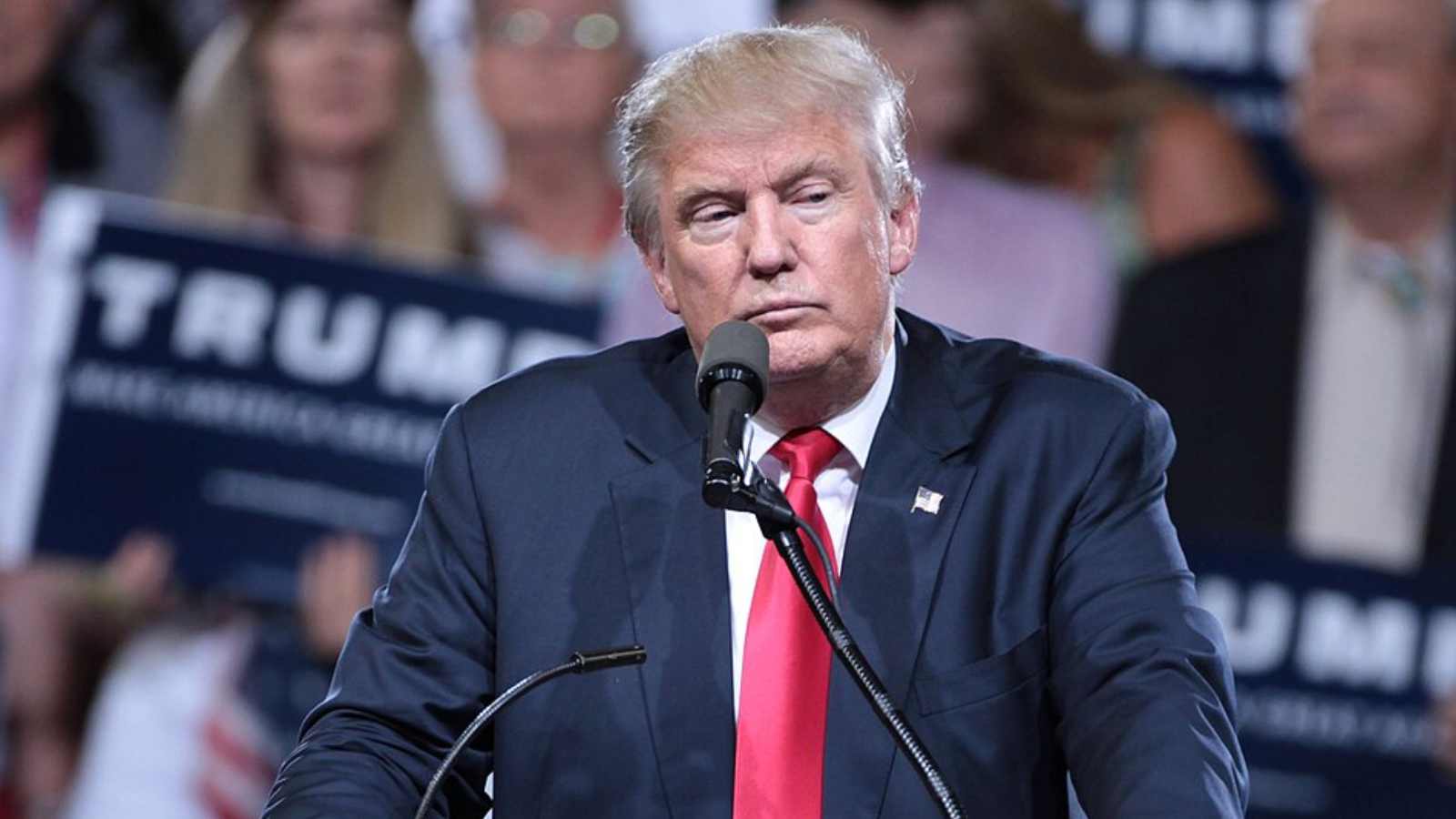
Trump had the right to challenge the election results through the courts and lawful processes. The deeper problem, critics argue, is that he kept telling supporters the 2020 election was stolen even after those efforts failed to prove fraud that changed the result.
That kind of message does not simply question one contest. It teaches voters to treat defeat as theft. When millions begin seeing every loss as proof of corruption, democracy stops feeling like a shared civic system and becomes a never-ending street fight.
Political Tribalism Became One of His Strongest Weapons
Trump did not invent political tribalism in America. The country was already split by cable news, social media, race, religion, class, education, immigration, and distrust of institutions. But critics say he learned how to turn those divisions into a governing language.
His style often rewards loyalty and punishes dissent. Supporters hear toughness. Critics hear a warning siren. The result is an America where many people no longer disagree with the other side. They treat the other side as corrupt, dangerous, stupid, or unworthy of basic respect.
He made Americans feel like they lived in Different Countries.
One of the harshest criticisms of Trump is that he deepened the emotional divide between Americans. Families split over him. Friendships cooled. Workplaces avoided politics like the plague. Neighborhoods became tense over yard signs, flags, masks, protests, and elections.
Presidents cannot erase division by force of personality, but they can choose whether to calm or inflame it. Critics argue that Trump often picked fights, named the enemy, and fed outrage. That may be thrilling politics, but it can be brutal for a country that still has to live together after the rally ends.
His Stance on ICE Keeps Immigration at a Boiling Point
actionsports/ 123rf
Trump’s immigration policies sit at the heart of his appeal and his criticism. His second-term posture has emphasized stricter enforcement, removals, border control, and a harder line against unauthorized migration. Supporters see that as law and order.
Critics see a more troubling message. The official language of invasion around immigration reflects the kind of framing opponents say turns migrants into threats before their individual cases are heard. That is why ICE remains one of the clearest dividing lines in the Trump era.
His Foreign Policy Often Looks Transactional and Unsettling
Trump’s foreign policy is built around an “America First” instinct. Supporters like that because they believe past presidents gave too much away to allies, global institutions, and foreign governments. Critics argue that the approach can make America look unpredictable.
The concern is not only that Trump challenges allies. It is that he often treats diplomacy as a personal negotiation, in which tariffs, pressure, praise, public threats, and private loyalty tests become tools of statecraft. For critics, that style weakens trust with partners who need to know whether America’s word will hold for more than one news cycle.
His Views on Africa Still Follow Him
Trump’s past comments about African nations remain one of the ugliest parts of his public record. He denied using the most offensive language attributed to him, but the controversy still damaged how many people across Africa and the African diaspora viewed his respect for the continent.
The anger was not vague or imaginary. The backlash to remarks about Africa reflected a wider fear that Trump viewed some nations through a lens of contempt rather than partnership. Critics say the episode still matters because a president’s words do not vanish just because the news cycle moves on.
His Criminal Conviction Broke a Presidential Barrier
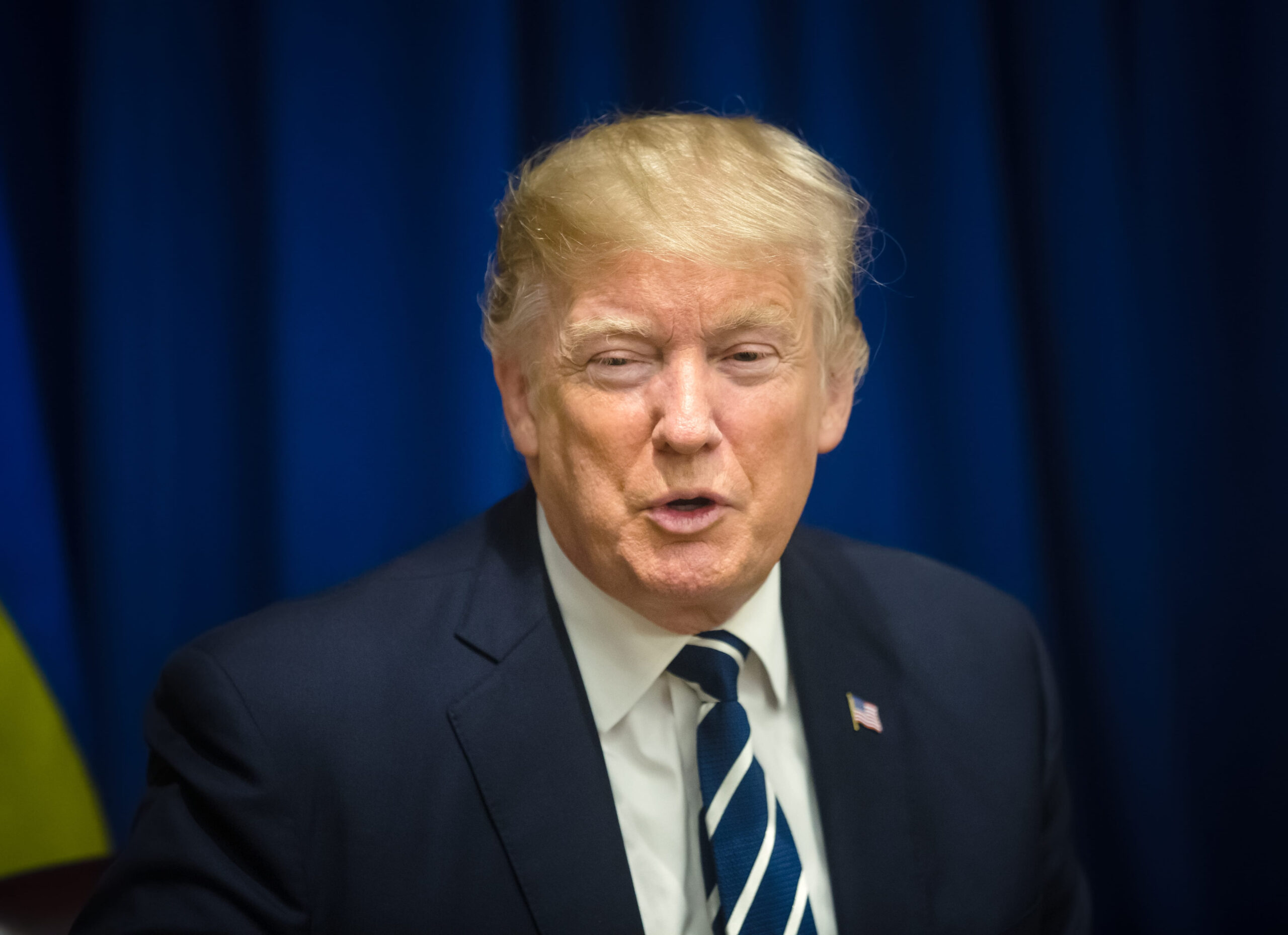
Trump’s legal trouble became more than an accusation. In 2024, a New York jury found him guilty on 34 felony counts tied to falsified business records, creating a historic first for someone who had held the presidency.
Supporters call the case unfair and politically motivated. Critics call it a disgrace for the office. Either way, the 34 felony counts are now part of the factual record, and they make the worst-president argument harder to wave away as ordinary partisan anger.
Conclusion
The Trump-worst-president debate is not built on a single scandal, a single speech, or a single unpopular policy. It comes from a pileup: two impeachments, January 6, election denial, political tribalism, American division, hardline ICE politics, unsettling foreign policy, ugly remarks about Africa, and a criminal conviction.
Supporters see Trump as a disruptive leader who fights for Americans they believe were ignored. Critics see a president who strains democratic norms, turns institutions into enemies, deepens national suspicion, and makes America feel angrier with every fight.
That is why the argument keeps returning. Trump does not simply make Americans disagree. He raises many questions about whether the country still shares the same facts, rules, and basic idea of what a president should be.