Home decor mistakes rarely announce themselves loudly. They hide in awkward furniture layouts, cold lighting, crowded shelves, tiny rugs, bare windows, and rooms that feel unfinished even after money has been spent. We may buy beautiful pieces, follow trends, and still end up with a home that feels visually noisy, flat, cramped, or disconnected.
The real problem is that most decorating mistakes are not about bad taste. They usually come from poor balance, weak planning, and small choices that quietly fight each other. Once we understand what makes a room feel polished, intentional, and comfortable, we can fix the space without replacing everything we own.
Poor Lighting Makes Every Room Feel Flat
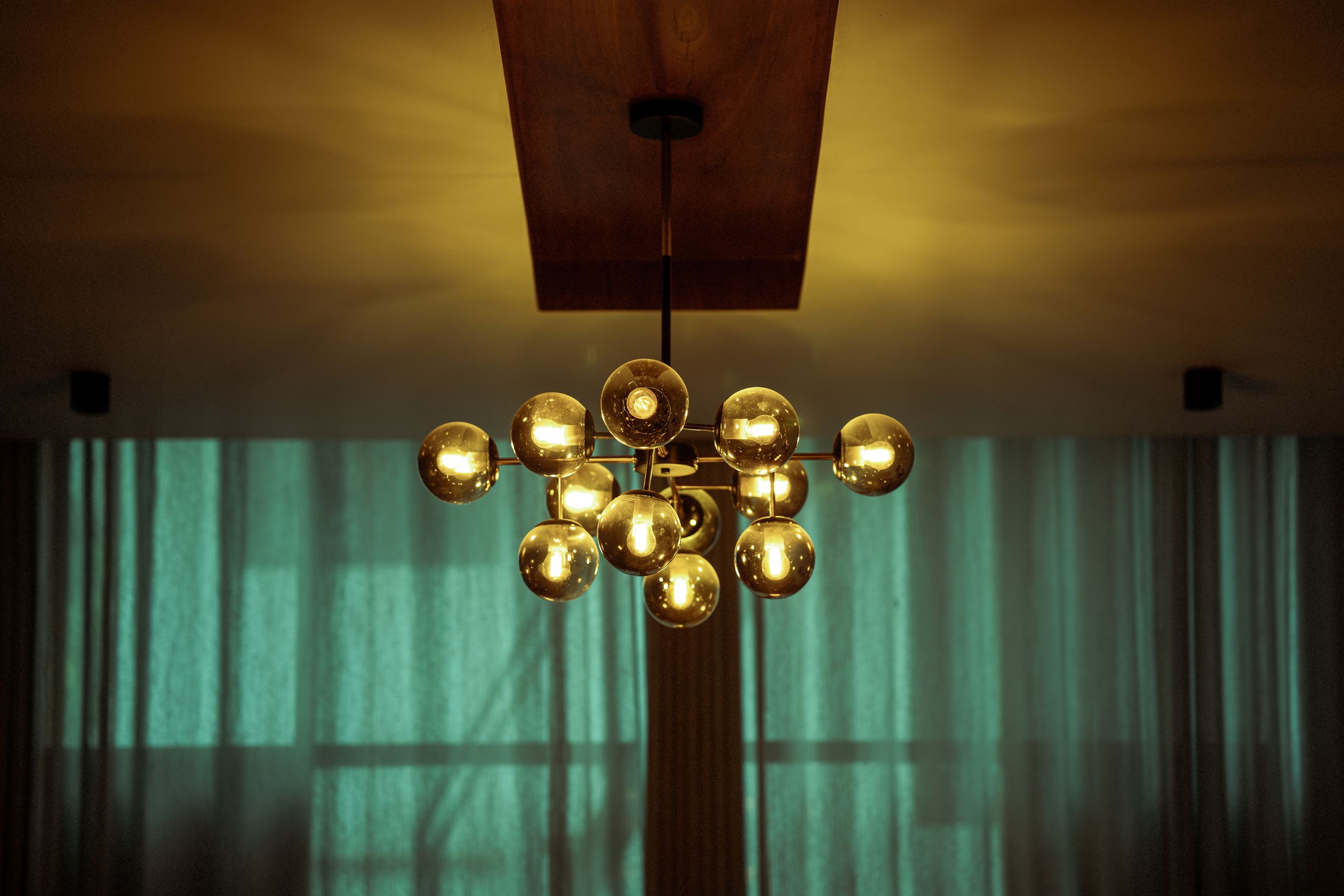
Lighting can make an expensive room look dull faster than almost anything else. A single ceiling light often casts harsh shadows, creates dark corners, and produces a flat, washed-out effect that hides the best parts of the room. Even beautiful furniture can lose its charm when the lighting feels cold, uneven, or too bright in the wrong places.
A better room usually has layers of light. We need general lighting for visibility, task lighting for reading or working, and accent lighting to highlight art, shelves, plants, or architectural features. Floor lamps, table lamps, wall sconces, warm bulbs, and dimmers can make the same room feel softer, deeper, and more expensive without changing the furniture.
Furniture Pushed Against Every Wall Creates a Waiting Room Effect
Many people push sofas, chairs, and tables against the walls to create more open floor space. The problem is that this often leaves the center of the room empty and makes the seating feel disconnected. Instead of looking spacious, the room can feel stiff, cold, and oddly formal.
We can create a more inviting layout by pulling furniture inward, even by a few inches. A sofa facing two chairs, a coffee table placed within easy reach, and a rug that anchors the seating area can instantly make the room feel more designed. The goal is not to fill every gap, but to create conversation zones that feel warm and natural.
Tiny Rugs Make Rooms Look Unfinished

A rug that is too small can make a room feel cheap, even when the rug itself is beautiful. In a living room, a small rug placed only under the coffee table can make the furniture look scattered. In a bedroom, a rug that barely extends beyond the bed can make the space feel awkward and underplanned.
A rug should visually connect the main furniture pieces. In a living room, at least the front legs of the sofa and chairs should usually sit on the rug. In a bedroom, the rug should extend far enough beyond the bed so the room feels soft, balanced, and complete.
Choosing Paint Before Furniture Can Ruin the Whole Palette
Paint color feels like the obvious starting point, but it can become one of the most expensive home decor mistakes. A wall color may look perfect in a store or online, then clash with the sofa, flooring, curtains, or rug once everything comes together. Paint reacts to lighting, room size, undertones, and nearby materials, so it should never be chosen in isolation.
A smarter approach is to build the palette around the largest pieces first. We should look at the sofa, rug, flooring, cabinets, and curtains before choosing the final wall color. Paint is easier to adjust than furniture, so the wall color should support the room rather than force everything else to obey it.
Too Many Patterns Create Visual Noise
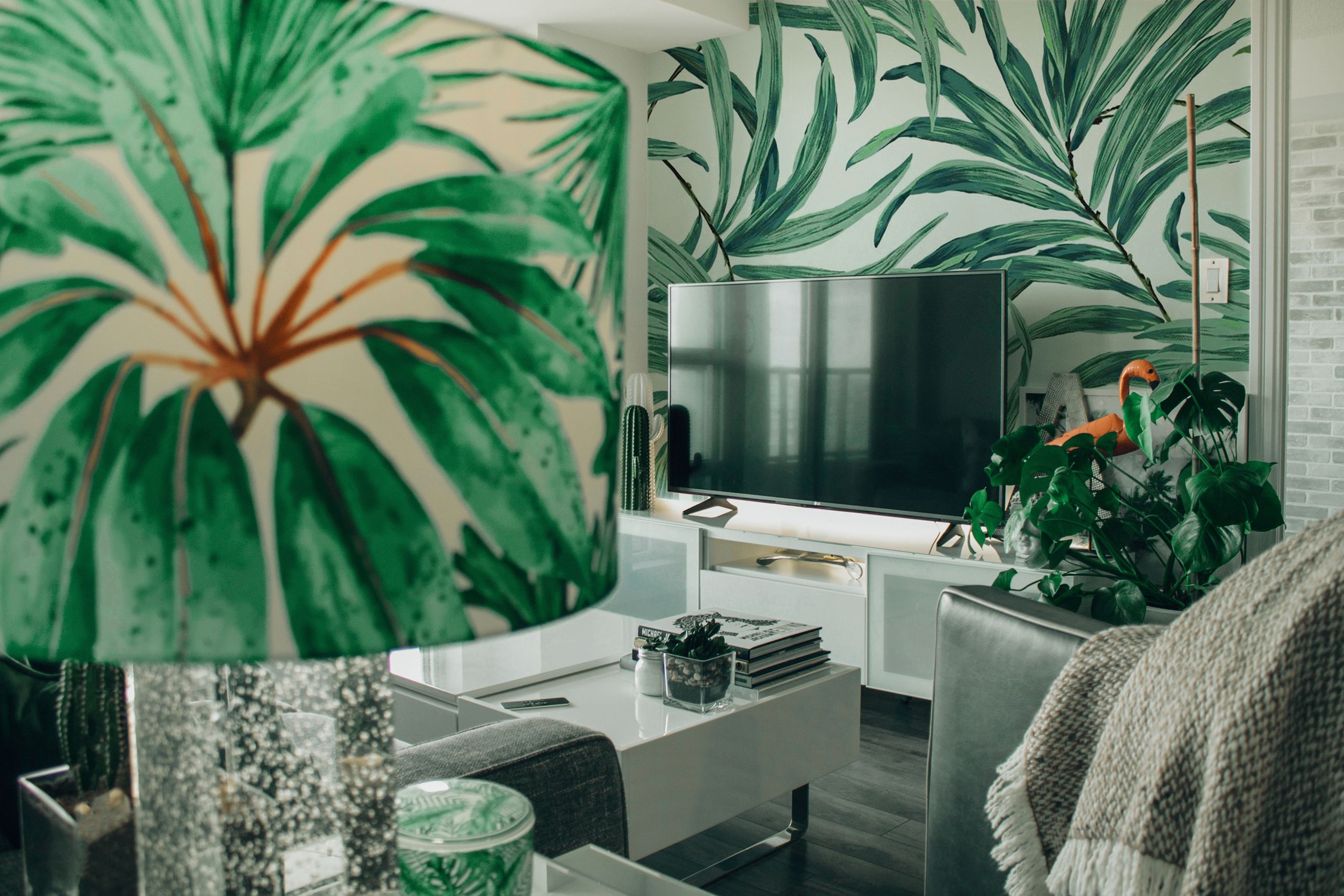
Patterns can bring life into a home, but too many competing prints can quickly overwhelm a room. Floral curtains, striped pillows, geometric rugs, busy wallpaper, and patterned upholstery can all fight for attention at once. Instead of feeling stylish, the space becomes restless and cluttered.
A polished room usually gives patterns a clear hierarchy. We can use one dominant pattern, one smaller supporting pattern, and a few solid colors to calm everything down. If the room already has a bold rug or wallpaper, the pillows, curtains, and accessories should give the eye somewhere to rest.
Cluttered Surfaces Make the Whole Home Feel Messy
Coffee tables, counters, nightstands, consoles, and shelves can quietly decide how clean a home feels. When every surface is covered with candles, books, remotes, mail, chargers, vases, trays, and random decor, the room still looks busy even after being cleaned. Surface clutter makes the eye work too hard.
The fix is not empty minimalism. We can style surfaces with fewer, better choices. A coffee table may need one tray, one stack of books, one candle, and one small natural element, while a console table may need only a lamp, a bowl, and a framed piece of art.
Art Hung Too High Breaks the Room’s Balance
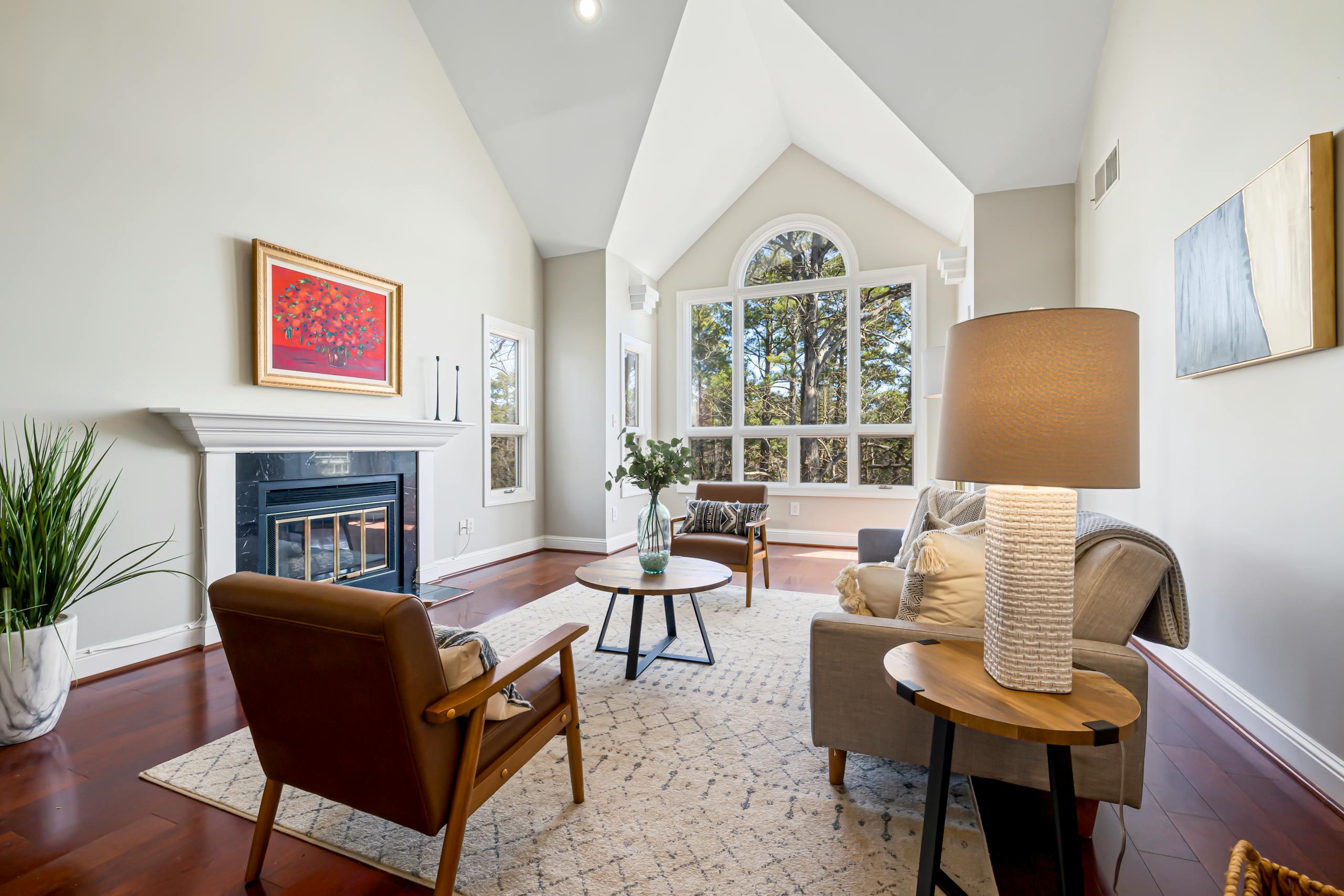
Artwork can make a home feel personal, elegant, and finished, but poor placement can ruin the effect. Art hung too high floats away from the furniture, making the room feel disconnected. It can also make ceilings feel lower because the eye is forced upward in an uncomfortable way.
Most artwork looks best when its center sits around eye level. Above a sofa, bed, or console, the art should feel connected to the furniture beneath it rather than hovering near the ceiling. A large piece, a pair of frames, or a gallery wall should be positioned as part of the room’s structure, not as an afterthought.
Bare or Heavy Windows Make Rooms Feel Incomplete
Windows have a huge effect on how finished a room looks. Bare windows can feel cold and temporary, especially in living rooms, bedrooms, and dining spaces. Heavy, outdated curtains can create the opposite problem by making the room feel dark, dusty, or visually weighed down.
The right window treatment should soften the room, manage privacy, and improve the natural light. Linen panels, Roman shades, woven shades, or simple curtains hung high and wide can make windows look larger and more elegant. When curtains reach close to the floor, the room often feels taller and more polished.
Neglecting the Entryway Weakens the First Impression
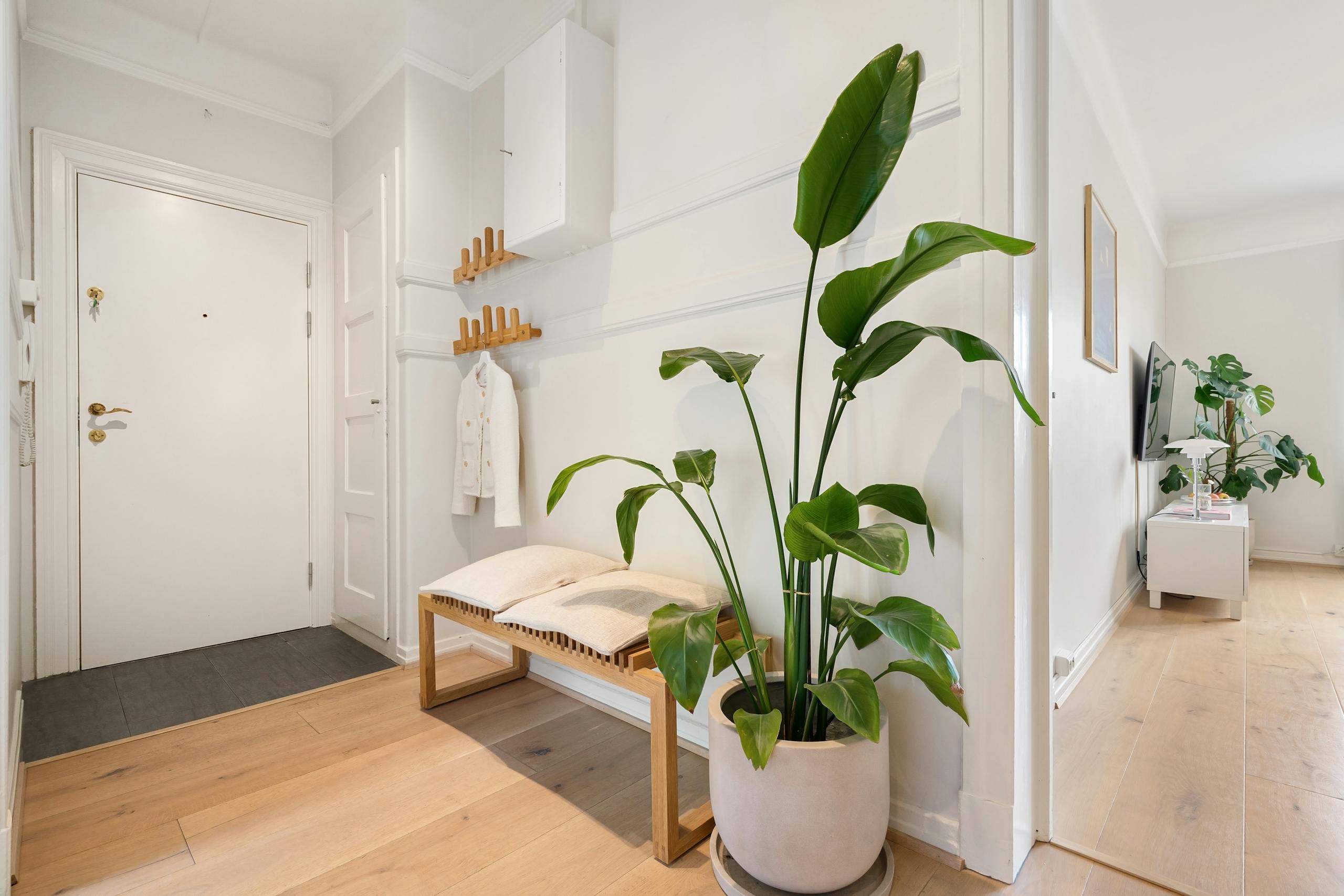
The entryway sets the emotional tone for the entire home. A cluttered doorway filled with shoes, bags, loose keys, and random packages can make the house feel chaotic before anyone reaches the living room. A completely bare entryway can also feel cold, as though the home has no clear welcome.
A strong entryway does not need to be large. A slim console, mirror, small lamp, tray, hooks, bench, basket, or piece of art can make the space feel organized and intentional. We should treat the entry as the home’s opening scene because it tells guests what kind of space they are stepping into.
Overdecorating With Trends Makes the Home Age Faster
Trends can be fun, but leaning too hard into them can make a home look dated quickly. A room filled with the same viral colors, shapes, furniture styles, and accessories seen everywhere online may feel exciting for a few months, then feel tired soon after. The home starts to look less personal because it reflects a moment more than the people living in it.
A stronger approach is to use trends in smaller, easier-to-change details. Pillows, throws, lampshades, art prints, and decorative objects can bring freshness without taking over the entire room. Larger investments should be timeless, comfortable, and flexible so the home can evolve without needing a full redesign every year.
Final Thoughts
A home does not look good because every piece is expensive. It looks good when the room feels balanced, edited, warm, and intentional. The most common home decor mistakes stem from overcrowding, poor lighting, weak scale, careless color choices, and surfaces that accumulate too much visual noise.
Once we fix those details, the entire home begins to breathe. Rooms feel larger, furniture looks better, lighting feels warmer, and the space finally reflects the people who live there. Good decorating is not about chasing perfection, but about making every choice feel like it belongs.