Some childhood memories come wrapped in chocolate, caramel, and brightly colored paper. For anyone who grew up during the 1970s, the candy aisle was more than a place to spend pocket change. It was a little kingdom of familiar favorites, unusual inventions, and treats that could turn an ordinary afternoon into something worth remembering.
The decade delivered some memorable newcomers. Marathon arrived in 1973, while Reggie! and Whatchamacallit debuted in 1978. Other favorites had been around for decades, but their familiar flavors and advertising helped make them part of the candy landscape.
From an eight-inch caramel bar to a baseball-inspired treat that briefly interrupted a Yankees game, these 10 candy bars carry a sweet slice of American nostalgia. Some disappeared, others evolved, and several still sit on the candy aisle today.
Marathon: The Eight-Inch Candy Bar
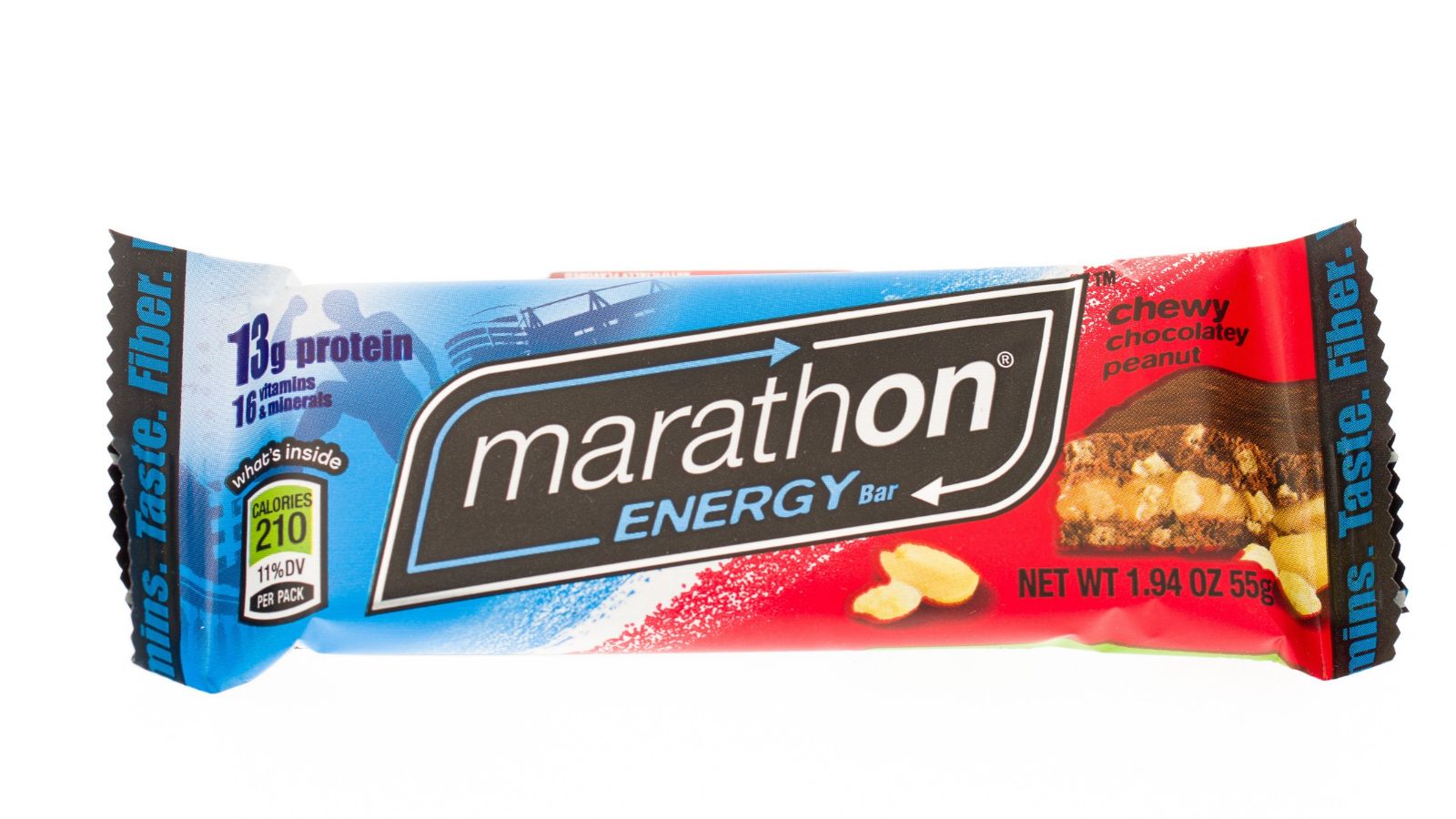
Long before oversized candy bars became a familiar sight, Marathon was stretching the possibilities of a chocolate-and-caramel treat. Mars introduced the American Marathon in 1973; it featured braided caramel covered in chocolate and measured an impressive eight inches long.
According to a 1999 report by The Christian Science Monitor, the bright red wrapper even featured inch markings to emphasize its unusual length. Interestingly, the impressive size didn’t mean the bar weighed more than an ordinary candy bar, and Mars eventually withdrew it in 1981.
For those who remember unwrapping that long, braided confection, Marathon remains an unmistakable symbol of 1970s candy creativity.
Reggie!: The Candy Bar That Interrupted a Baseball Game
Few candy bars can claim a connection to one of baseball’s most unusual celebrations. Reggie!, introduced in 1978 and named after Yankees superstar Reggie Jackson, combined peanuts, caramel, and a chocolate coating.
According to the National Baseball Hall of Fame, the original candy cost just 25 cents, but it got its biggest moment on April 13, 1978. When Jackson hit a home run during the Yankees’ home opener, excited fans showered the field with promotional Reggie! bars, briefly stopping play.
The original candy lasted approximately three years before returning for a short revival in 1993. Jackson later claimed the product generated more than $11 million in first-year New York-area revenue, although that figure comes from his recollection rather than independently audited records.
Whatchamacallit: The Candy With the Unforgettable Name
Some candy bars become memorable because of their flavor, while others make their mark with a name that sounds like someone forgot what they were trying to say. Whatchamacallit did both when Hershey introduced it in 1978.
According to Hershey’s brand history, the original version contained peanut-butter crisp beneath a thin chocolate coating. The familiar caramel-filled formulation didn’t arrive until 1987, when Hershey modified the recipe to include caramel and peanut-flavored crisp.
Even the name has a curious history, with Hershey saying it was selected from nearly 100 possibilities considered by the company and its advertising agencies.
Related: Candy Sales Are Falling, and the Surprising Reason Americans Are Rethinking Their Favorite Treats
Kit Kat: A British Classic Finds Its American Place
The crisp snap of a Kit Kat wafer is one of those small pleasures that can bring back an old candy memory. Although Kit Kat wasn’t invented in the 1970s, the decade marked an important chapter in its American history.
Hershey’s official timeline traces the candy’s beginnings to Britain in 1935, when it was introduced as Rowntree’s Chocolate Crisp. The name changed to Kit Kat Chocolate Crisp in 1937, and Hershey began selling Kit Kat bars in the United States in 1970.
That American milestone connected an already-established British chocolate wafer to another generation of U.S. candy shoppers.
Zagnut: The Candy Bar That Skipped the Chocolate
Not every great candy memory begins with a chocolate coating. Zagnut took a different route, pairing a crunchy peanut-butter center with toasted coconut for a combination that set it apart from many familiar candy bars.
According to Hershey, Zagnut originated in 1930, making it more than 40 years old by the 1970s. Its distinctive coconut-covered exterior gave shoppers something different from the usual chocolate-and-caramel combinations.
Although Hershey eventually acquired the brand in 1996, Zagnut’s history reaches back to an earlier generation of American candy-making.
5th Avenue: The Crunchy Classic With a Changing Recipe
For candy lovers who appreciate a little crunch beneath their chocolate, 5th Avenue has a story worth remembering. Luden’s introduced the bar in 1936, long before it became another familiar choice in the 1970s candy aisle.
Hershey’s history of 5th Avenue describes the original recipe as a crunchy peanut-butter center topped with toasted almonds and covered in chocolate. The formula eventually changed, although the company doesn’t specify exactly when the almonds disappeared.
Hershey bought Luden’s in 1986, adding the decades-old candy to its portfolio while keeping the familiar 5th Avenue name.
ZERO: The Candy Bar With a Snow-White Exterior
While many candy bars wore brown chocolate coatings, ZERO stood out with an almost snowy appearance. Beneath its white-fudge exterior sat caramel, peanuts, and almond nougat, giving the candy several contrasting textures.
According to Hershey’s official history, ZERO was created in 1920 by the F.A. Martoccio Macaroni Company. That means the candy had already been around for approximately half a century when Americans entered the 1970s.
Hershey acquired the brand in 1996, but the white-fudge coating remains its defining characteristic. It’s an old-fashioned candy with a look that refuses to blend into the crowd.
Mounds: The Coconut Candy That Came First
Long before its famous almond-studded relative arrived, Mounds already offered a blend of sweet coconut and dark chocolate. Introduced in 1920, the bar became one of the older candy classics still associated with the 1970s.
According to Hershey’s history of Mounds and Almond Joy, Mounds preceded Almond Joy by 26 years. Unlike its younger relative, Mounds has no almonds, letting its coconut center and dark chocolate coating take center stage.
The two brands joined Hershey’s lineup in 1988, but their shared advertising history and contrasting recipes had already given candy shoppers two familiar choices.
Almond Joy: The Candy With a Jingle That Stuck
Some candy memories come with a melody attached, and Almond Joy is one of the most recognizable. Introduced in 1946, the coconut-filled bar added whole almonds beneath a chocolate coating, distinguishing it from Mounds.
Its connection to the 1970s grew through the advertising line “Sometimes You Feel Like a Nut,” which paired the two candies in a memorable musical campaign. Hershey’s brand history dates the jingle’s creation to 1970 and says the television commercial first aired in January 1977.
Although Hershey didn’t begin making the brands under license until 1988, that familiar advertising helped give Almond Joy a distinctly 1970s connection.
PayDay: The Peanut-and-Caramel Favorite
PayDay offered something wonderfully straightforward: peanuts, caramel, and a sweet-and-salty combination that needed little explanation. Its familiar peanut-covered look set it apart from the chocolate-coated bars sharing candy-store shelves.
According to Hershey’s PayDay history, the candy originated in 1932 and joined the company’s portfolio in 1996. One memorable promotion came much later, in 1989, when PayDay bars included separately wrapped nickels, a detail that belongs to the following decade rather than the 1970s.
By the time disco music filled the air, PayDay was already a decades-old candy, proving that a familiar combination didn’t need reinventing to remain memorable.
These ten bars tell a story bigger than candy: a story of changing recipes, clever advertising, familiar flavors, and the little pleasures that make yesterday feel close enough to taste.