A parent sending a misbehaving child abroad can make the move sound decisive. A grandparent’s home, familiar food, and stricter rules may be sold as a reset. When the trigger is disrespect, poor grades, or defiance, a harder question follows: is the parent teaching responsibility, or moving the problem out of sight?
A child may receive a simpler message: the adults who are supposed to guide me are sending me away because they no longer want to deal with me. That is a harsh message to attach to punishment, especially when a young person has little say in where they live or who becomes responsible for them.
Some Parents Disguised an Unexpected Separation as a Summer Vacation
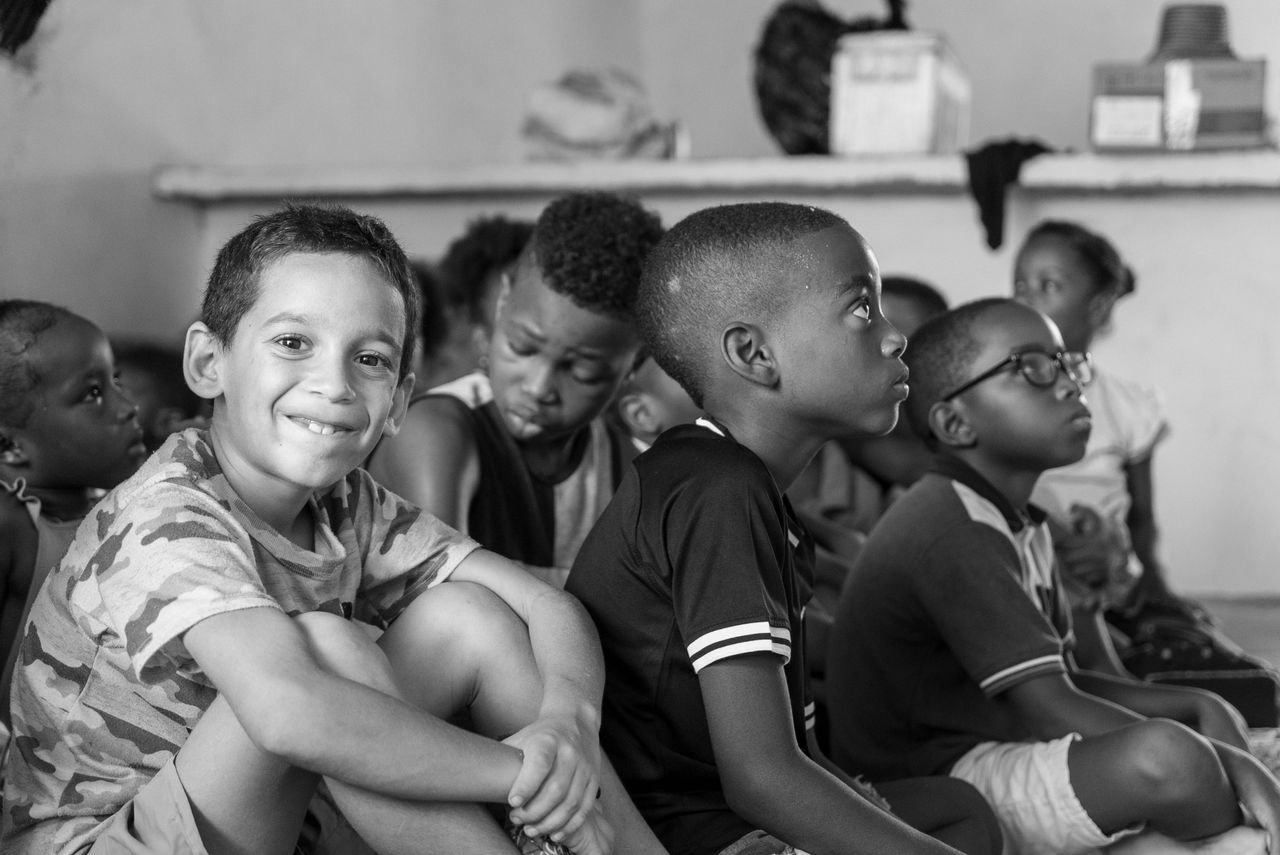
This captures the recurring theme in the comments: children being taken to their parents’ home countries under the impression that they are visiting for the holidays, only to discover that they are expected to stay with grandparents or other relatives.
The strongest element is deception. A child who packs for a summer holiday and arrives to find their parent’s belongings gone may experience the arrangement as abandonment, regardless of the parent’s intent.
The child may be more American than the label suggests
A parent’s immigrant background does not tell the whole story of a child’s identity. The Urban Institute’s analysis of 2022–23 Census Bureau data found that 26% of U.S. children lived with at least one immigrant parent. Nearly nine in 10 children in those families were U.S. citizens: 64.2% had at least one U.S.-citizen parent, while another 25.5% were citizens whose parents were all noncitizens.
Those figures complicate the idea that sending a child to a parent’s country of origin is simply sending them home. Some children were born in the United States, attended American schools, built friendships there, and spent most of their lives in a community their parents once entered as newcomers. Their parents may feel a deep connection to another country. The child’s lived experience can be different.
A move abroad can mean adapting to another school system, household, social environment, and possibly a language the child does not use comfortably. Relatives may be loving caregivers, but they still need a plan, resources, and authority to take on the responsibility. A child’s behavior does not make those practical questions disappear.
The U.S. State Department says citizenship is personal: parents may not renounce U.S. citizenship on behalf of their minor children. Sending a child abroad does not itself erase their citizenship.
A plane ticket does not teach accountability
Parents are entitled to set boundaries. Teenagers can be disrespectful, reckless, dishonest, or persistently disruptive, and families can reach breaking points. The uncomfortable issue is what a parent expects the punishment to accomplish. Distance can change a child’s surroundings. Honesty, self-control, respect, and responsibility still have to be taught through daily guidance.
It can transfer the hardest work to someone else. Grandparents, aunts, uncles, or other relatives may suddenly be expected to manage school attendance, household rules, and daily conflict. The parent gets distance from the argument; the relative inherits the supervision. Without parental involvement and practical support, the arrangement can become an unpaid parenting handoff.
A planned stay with relatives differs meaningfully from an impulsive exile. A child who is prepared, has a safe caregiver, understands the reason for the move, stays in contact with their parents, and has a clear schooling and care arrangement may benefit from an extended-family environment. Sending a child away in anger, without a reliable plan or sustained parental involvement, raises more serious questions.
Discipline still requires the parent to do the work
The American Academy of Pediatrics offers a useful standard for thinking about discipline. Its policy statement, reaffirmed in June 2024, says corporal punishment, yelling, and shaming are minimally effective in the short term and ineffective in the long term. It recommends positive reinforcement, setting limits, redirecting behavior, and establishing future expectations. The academy does not specifically assess sending children abroad as punishment, but its guidance favors methods that teach behavior rather than rely on fear or humiliation.
That approach demands consistency. Parents have to explain rules, follow through on consequences, communicate with schools, monitor behavior, and keep showing up after arguments. Some children need more help than a household can provide alone, and parents may need support from educators, pediatricians, or qualified family professionals. Those steps are repetitive and exhausting. They remain part of raising a child.
Sending a child abroad can be a legitimate family decision in some circumstances. Using another country as a threat, or treating relatives as a place to deposit a child who has become difficult, is a different matter. A parent choosing that route should be able to explain who will care for the child, how education and safety will be protected, how the parent will stay involved, and what happens if the arrangement fails.
A difficult child can test a parent’s patience without cancelling the parent’s responsibility. The child did not choose the family’s migration history, the country their parents left, or the expectations placed on them. If the only plan for misbehavior is to send the child somewhere else, the immediate argument may end, leaving the parent with the same responsibility to guide, supervise, and support the child.