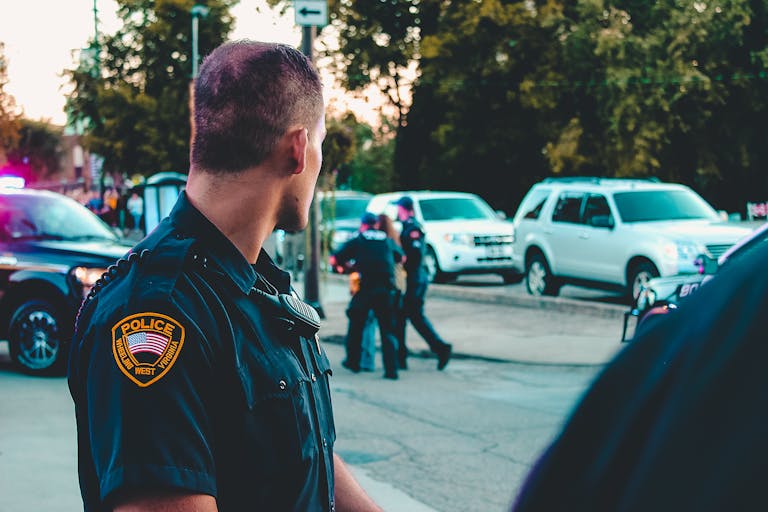
Imagine waking up to find that the electricity is out, your phone has no signal, ATMs are unavailable, and even getting clean water has become difficult. This is the kind of situation emergency planners describe as a “Black Sky Event,” a large-scale disaster that could leave millions of people without electricity and disrupt essential services for an extended period.
The idea is getting more attention as governments and emergency preparedness organizations encourage households to think beyond ordinary power cuts. It does not mean a nationwide blackout is expected. Rather, it highlights how dependent modern life has become on electricity and how difficult things could get if the power grid suffered major damage.
What Exactly Is a Black Sky Event?
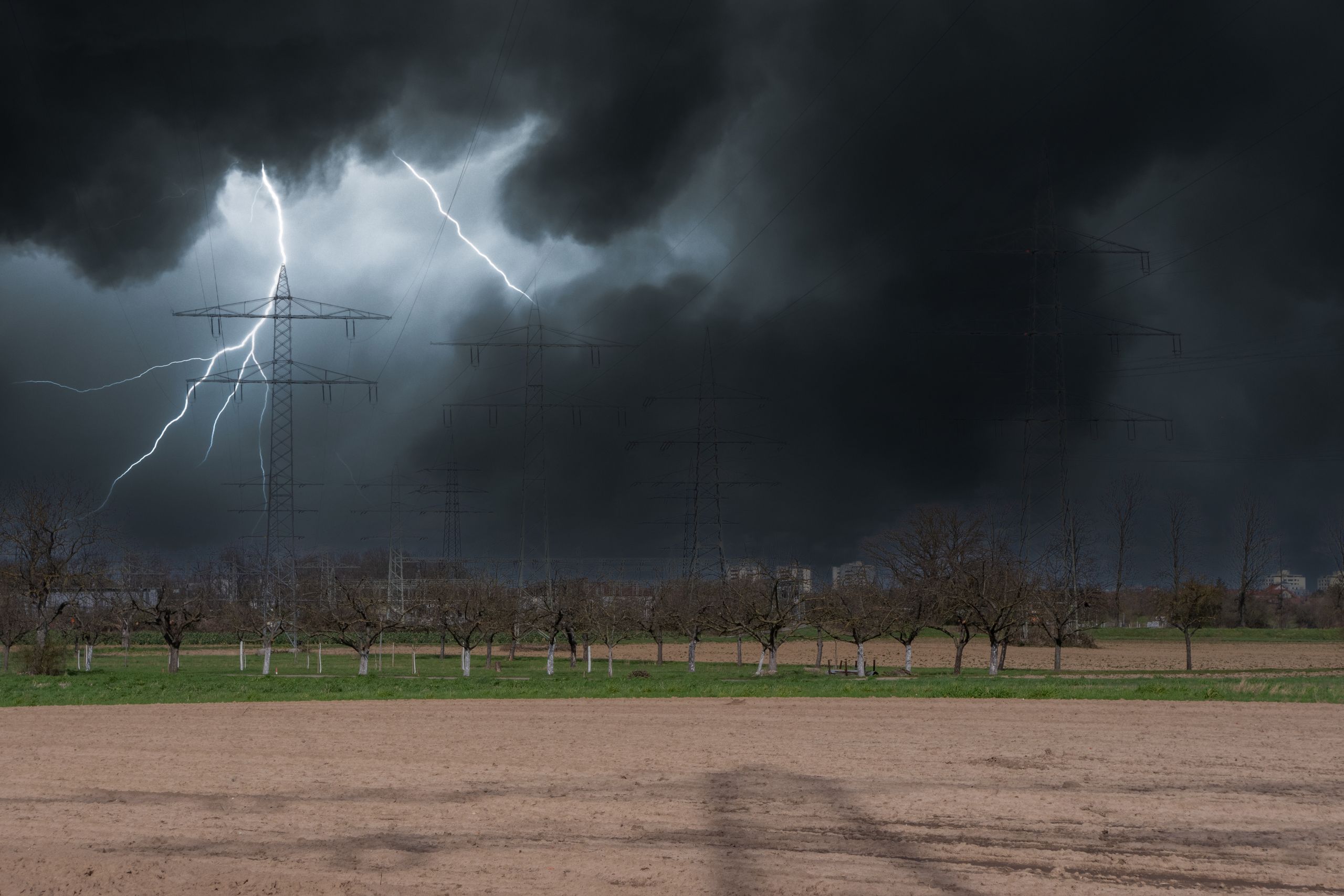
A Black Sky Event refers to a catastrophic disruption that causes widespread, long-lasting power outages across multiple regions. Unlike an ordinary blackout that may affect a neighborhood for a few hours, this type of event could interfere with electricity, transportation, communications, water supplies, and healthcare services for weeks or longer.
The National Infrastructure Advisory Council has examined the risks associated with catastrophic power outages and their effects on essential services. Its research describes scenarios in which millions of Americans could lose access to electricity while backup systems and emergency response resources become overwhelmed. The consequences could reach far beyond dark homes and closed businesses.
What Could Cause a Black Sky Event?
There is no single cause associated with this type of disaster. Severe storms, major earthquakes, cyberattacks against critical infrastructure, and powerful geomagnetic disturbances are among the potential threats discussed by emergency planners. Each could damage different parts of the electrical system or make it difficult to restore normal operations.
A powerful solar storm is another concern because geomagnetic disturbances can affect electrical power transmission systems. The 1859 Carrington Event, one of the strongest recorded geomagnetic storms, disrupted telegraph systems around the world. Modern society depends on far more interconnected electrical and digital infrastructure, making preparedness an important consideration.
Why a Prolonged Blackout Could Affect Everyday Life
Electricity does much more than keep household lights on. Water treatment facilities, hospitals, grocery stores, fuel stations, and communication networks all depend on reliable power to operate normally. If electricity remains unavailable for an extended period, problems in one service could quickly affect several others.
For example, fuel stations may struggle to pump gasoline, while grocery stores could lose refrigeration and payment systems. Families that depend on electrically powered medical equipment may face additional challenges. Even people who rarely think about emergency preparedness could find ordinary activities such as buying food or contacting relatives unexpectedly difficult.
Keep Enough Food and Drinking Water at Home
One practical preparation is keeping a supply of drinking water and food that does not require refrigeration or complicated cooking. Canned vegetables, beans, fruit, peanut butter, crackers, and ready-to-eat meals are useful options. Remember to include a manual can opener because an electric one will not be much help during a blackout.
Ready.gov recommends storing at least one gallon of water per person per day for several days. Households should also consider the needs of young children, older relatives, and pets when planning their supplies. Rotate stored food and water periodically so they remain usable when needed.
Prepare for Losing Phone Service and Electricity
A fully charged phone is useful, but it may not help much if the battery runs out and there is nowhere to recharge it. Keep a portable power bank charged, along with spare batteries for flashlights and other essential devices. A battery-powered or hand-crank radio can also help households receive emergency information if internet connections become unavailable.
It is equally useful to keep important telephone numbers written on paper rather than relying entirely on a phone’s contact list. Store copies of identification documents and essential household information somewhere safe and accessible. These small preparations can make communication and organization easier during an extended disruption.
Make a Plan for Medicine and First Aid
Households should consider what would happen if pharmacies, clinics, or hospitals became difficult to reach. Keep a basic first aid kit with bandages, antiseptic supplies, gloves, and other household essentials. Anyone who takes prescription medication should speak with their healthcare provider or pharmacist about maintaining an appropriate emergency supply.
People who depend on oxygen equipment, refrigerated medication, or other electricity-dependent medical devices need additional planning. Ask healthcare providers about backup power options and what to do if regular services become unavailable. These arrangements are particularly important for households caring for older adults or people with ongoing medical needs.
Know How to Stay Safe During a Power Outage
Alternative cooking and heating equipment can become dangerous when used incorrectly. Never operate a generator, charcoal grill, or camping stove inside a home, garage, or enclosed space because these devices can produce deadly carbon monoxide. Generators should remain outdoors, at least 20 feet away from doors, windows, and other openings.
Keep flashlights handy instead of relying on candles, which can cause accidental fires. Refrigerator doors should remain closed during an outage to preserve cold temperatures, and perishable food should be discarded when it has been exposed to unsafe temperatures for too long. The CDC and Ready.gov provide additional guidance on handling power outages safely.
Start Preparing Without Panic Buying
Preparing for a Black Sky Event does not mean filling an entire basement with supplies or spending thousands of dollars on emergency equipment. A sensible starting point is having enough basic necessities to manage for at least three days without normal access to electricity, water or nearby shops. Households can gradually build their supplies as their budgets allow.
The British Red Cross also encourages households to prepare for up to 72 hours of disruption, including severe weather, flooding and power cuts. Its guidance emphasizes practical preparations rather than panic buying or expecting a disaster to happen. Ultimately, having food, water, essential medication and a communication plan ready can make an ordinary emergency much easier to manage.