Walking into a restaurant seems simple, but to a trained waiter, the moment you sit down reveals a surprisingly detailed story. Waiters are experts at reading body language, tone, and behavior within seconds. From your energy to your interactions with staff, these cues guide how they manage your table and anticipate your needs. Understanding what they notice can transform how you dine and even enhance your service experience.
Your mood is the first signal waiters pick up. A smile or relaxed posture invites a friendly, attentive approach, while a tense or rushed demeanor signals caution. Waiters calibrate their tone and pace to match your energy, aiming for seamless service. A cheerful presence can earn extra attention, while impatience might prompt quicker table checks. These emotional cues form the invisible foundation of your dining interaction.
Your Interaction With Staff Sets the Tone

How you treat hosts and servers reveals more than politeness it signals your overall approach to the meal. Courteous greetings, eye contact, and calm communication indicate respect and cooperation. Conversely, impatience or dismissiveness hints at potential friction. Waiters adjust their demeanor, either mirroring kindness or preparing for more careful handling. Your initial engagement directly affects how smoothly the service unfolds.
Every table has a decision-maker, and waiters identify them immediately. The person who orders first or speaks for the group becomes the primary point of contact. Recognizing this figure allows servers to streamline communication, avoid errors, and prioritize requests efficiently. This quick assessment ensures that the dining experience aligns with the group’s preferences and expectations.
Familiarity Changes the Approach
Repeat guests carry a distinct presence. They often bypass menus, greet staff by name, and display confident ordering habits. New diners tend to ask more questions and take time exploring options. Waiters use these signs to adjust their guidance providing recommendations to newcomers and offering familiar courtesies to loyal patrons. The first impression informs how personalized the service will be.
Time sensitivity is immediately noticeable. Glances at watches, phrases like “we’re in a hurry,” or brisk movement signal a need for expedited service. Waiters modify the pace of food delivery, check-ins, and drink refills accordingly. Recognizing urgency ensures the meal meets expectations without compromising quality. Fast lunch breaks or time-constrained dinners benefit from this early assessment.
Tipping Tendencies and Spending Clues

Subtle cues can indicate how much a guest may tip. Clothing, demeanor, and snippets of conversation contribute to a server’s impression. While not definitive, these observations help waiters manage expectations and effort. Similarly, your ordering patterns reveal your comfort with spending ;whether you scan specials, choose premium items, or opt for modest selections. Servers align recommendations and attentiveness with these financial signals, balancing generosity with practicality.
Special occasions are easy to spot. Celebrations like birthdays, anniversaries, or achievements radiate through excitement, gifts, or festive energy. Waiters respond with personalized touches, such as complimentary desserts or small gestures of acknowledgment. Recognizing these moments early allows staff to enhance the experience and make events memorable. The subtle cues of a celebration influence both pace and presentation.
Personal Space and Engagement Preferences
Your body language communicates the desired level of interaction. Some diners welcome conversation and check-ins, while others prefer quiet, unobtrusive service. Posture, eye contact, and phone placement all contribute to these signals. Waiters adapt instantly, engaging where appropriate and stepping back when needed. Respecting these boundaries ensures comfort and satisfaction, shaping the overall dining atmosphere.
Alcohol orders provide insight into the meal’s tempo. Cocktails or wine suggest a relaxed, leisurely dining experience, prompting servers to pace service more slowly and suggest pairings. Conversely, skipping drinks can indicate a faster meal, affecting how staff coordinate courses. These early choices influence how waiters structure timing, table attention, and meal flow.
Dietary Needs Influence Service Strategy
Guests who mention allergies, dietary restrictions, or preferences signal a requirement for precision and care. Gluten-free, vegan, or low-sodium requests are quickly noted to prevent mistakes. Waiters adjust suggestions and monitor preparation to ensure safety and satisfaction. Addressing these needs from the start demonstrates professionalism and reduces potential disruptions during the meal.
Modern diners frequently document experiences, hinting at potential reviews. Phones out for photos, attentive notes, or casual commentary about the setting indicate someone likely to share feedback. Waiters respond with meticulous service, understanding that impressions may extend online. Anticipating digital scrutiny encourages extra care and attention, enhancing both satisfaction and reputation.
Every second at the table communicates something to a skilled waiter. From mood and interaction to spending habits and dietary needs, your presence shapes the experience almost instantly. Observing these details helps staff tailor service, and being mindful of your own cues can enhance your dining enjoyment. Awareness of these subtle signals can transform ordinary meals into effortless, memorable experiences.
Phone etiquette
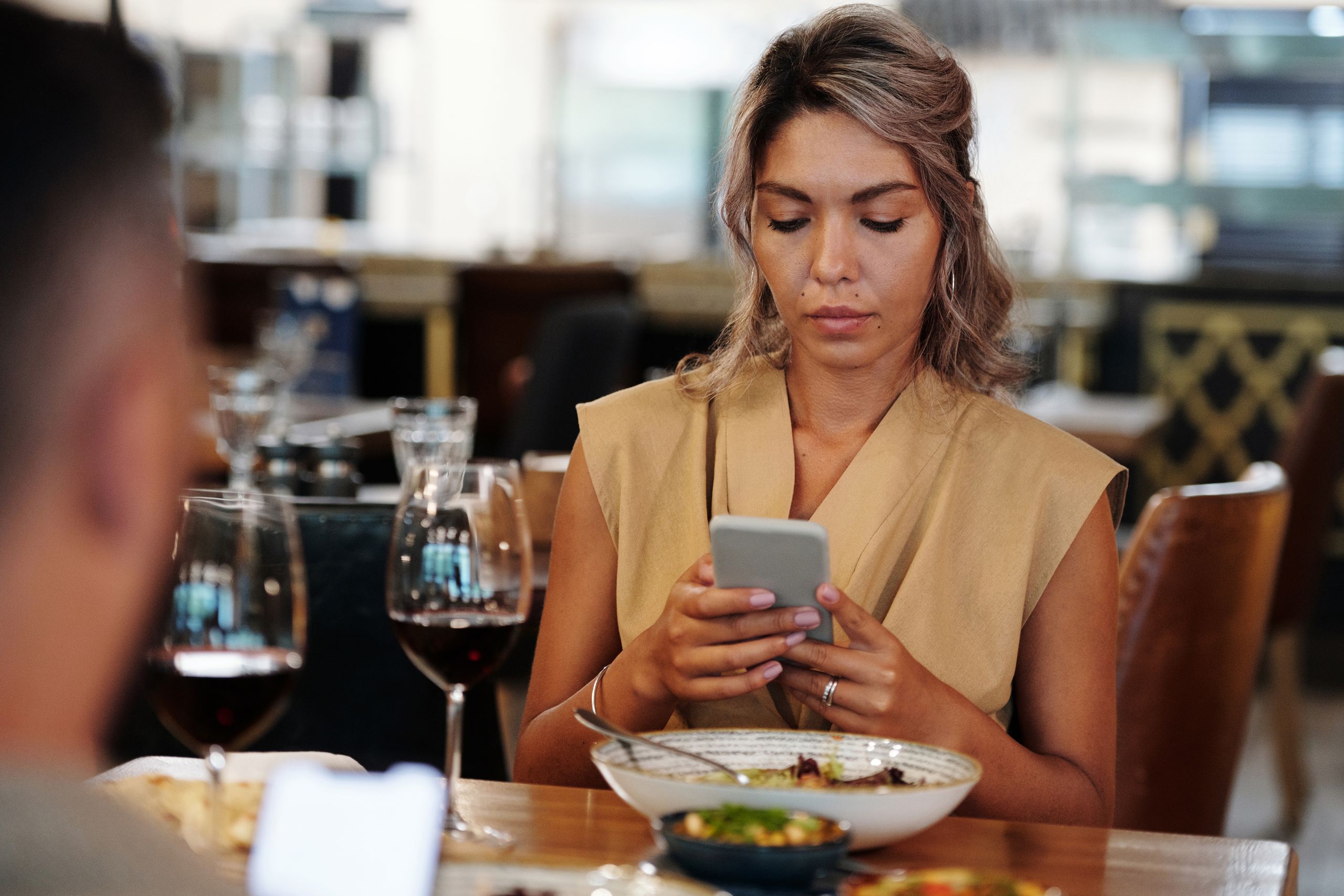
Phones have changed restaurant behavior in a big way. Servers notice when customers are fully absorbed in their screens, especially when they are trying to take orders or explain specials. It can slow service and create awkward back-and-forth moments.
They also notice customers who use their phones politely, take a quick call outside, or put their devices down when speaking to staff. A little attention makes the service smoother and helps prevent order mistakes.