A small Chicago suburb has become the center of one of America’s most heated legal fights over race, housing, and public money. The Trump administration’s Justice Department has moved to intervene in a lawsuit challenging Evanston, Illinois’s reparations program. What began as a local repair effort is now a national test of how far cities can go when trying to address historic discrimination.
At the center of the case is Evanston’s Local Reparations Restorative Housing Program. The city says the program was created to respond to decades of housing discrimination against Black residents. The Justice Department says the program unlawfully distributes public benefits based on race and ancestry.
A Reparations Program Built Around Housing History
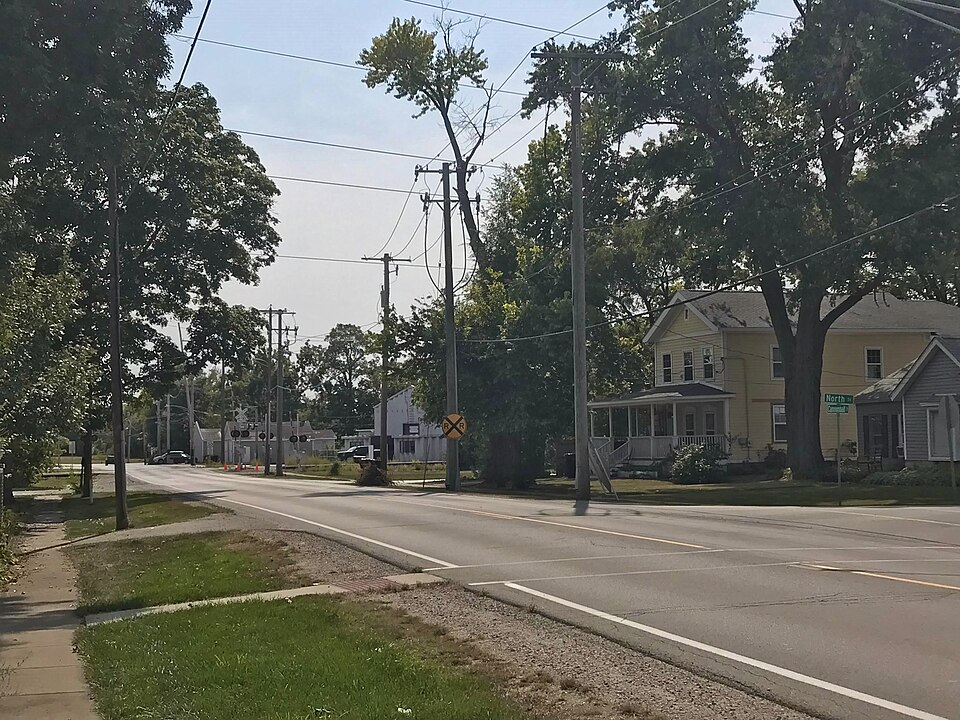
Montgomery Mom, CC BY 4.0, via Wikimedia Commons
Evanston approved its local reparations framework in 2019 and launched the housing program in 2021. The city focused on housing because officials said that was where the strongest local evidence of discrimination existed. Officials point to the years 1919 to 1969, when Black residents faced discriminatory housing policies, zoning barriers, redlining, and limits on where they could live.
Eligible recipients can receive $25,000 through the program. The money can be used for home repairs, mortgage support, down payments, closing costs, or other housing related needs. The city later expanded the program to allow more direct payment flexibility.
The main eligibility path is for Black residents who lived in Evanston as adults during the 1919 to 1969 period, or their direct descendants. A lesser known route may also apply to people who can show they experienced housing discrimination because of Evanston city policies after 1969. That detail makes the program more complex than a simple cash giveaway, but it does not remove the legal fight over race based eligibility.
Why Cannabis Tax Money Is Part of the Fight
One of the most unusual parts of Evanston’s reparations program is how the city chose to help fund it. Evanston committed money from a local tax on legal recreational cannabis sales to support reparations. The city’s original plan directed the first $10 million from its municipal cannabis retailers’ occupation tax toward local reparations work.
Supporters saw symbolism in that choice. For decades, Black communities were disproportionately affected by drug enforcement and unequal policing. In Evanston, legal cannabis revenue became part of a city backed attempt to repair another form of racial harm: housing discrimination.
Critics see the same money trail differently. To them, once cannabis tax revenue becomes public money, it must be distributed under constitutional rules that apply to all government benefits. That is why the funding source matters, because this is not private charity but government money with legal limits.
DOJ Says the Program Crosses a Constitutional Line
The Justice Department’s argument is direct: Evanston’s reparations program discriminates by race. Federal officials say the program violates the Equal Protection Clause of the Fourteenth Amendment and the Fair Housing Act. Assistant Attorney General Harmeet K. Dhillon has described the case as “race discrimination, pure and simple.”
The legal argument turns on strict scrutiny, the toughest standard courts use when government policies classify people by race. To survive that test, Evanston must show that its program serves a compelling government interest and is narrowly tailored. The DOJ says the program is not narrow enough because recipients do not have to prove a specific individual injury directly traceable to city action.
Evanston’s defenders see that argument as too narrow. They say housing discrimination harmed families across generations, not just isolated individuals. That disagreement is the heart of the case and the reason the lawsuit now carries national weight.
Evanston Says This Is Repair, Not Favoritism
Evanston has defended the legality of its reparations program and says it is responding to documented local discrimination. Supporters argue that the program was built through years of public meetings, community advocacy, research, and local debate. They say the payments are connected to a record of housing practices that limited Black residents’ ability to buy homes, repair homes, build equity, and pass wealth to future generations.
That generational point is important. A family blocked from fair housing opportunities does not only lose one house or one loan. It may lose decades of property value growth, neighborhood stability, school access, borrowing power, and inherited wealth.
That is why housing remains one of the strongest arguments in the reparations debate. Homeownership is one of America’s biggest wealth builders, and exclusion from that system can leave financial damage long after the original policy ends. Evanston’s supporters say the city is trying to repair harm it can document locally, while critics say the remedy still crosses a constitutional line.
Other Cities Are Watching Closely

DiscoA340, CC BY-SA 4.0, via Wikimedia Commons
The lawsuit was first filed by Judicial Watch on behalf of non Black descendants of Evanston residents. The plaintiffs argue that they were excluded because they are not Black, even though their families also had historical ties to the city. A federal judge allowed the lawsuit to move forward, and the Justice Department’s decision to intervene gives the case national weight.
Many communities have studied reparations, created commissions, or debated payment plans. Evanston went further by actually distributing money. Reports show the city has already distributed millions of dollars through the program, making this case active rather than theoretical.
If Evanston wins, other cities may see the program as a legal blueprint. If Evanston loses, local governments may rethink how they design reparations plans. Future programs may move away from race based eligibility and focus instead on neighborhoods, property records, income, documented family loss, or direct proof of discrimination.
The Bigger Question: How Does Government Repair the Past?
The Evanston fight hits a nerve because both sides are speaking to powerful American ideas. Supporters talk about accountability, housing justice, and the long shadow of discriminatory government policy. Opponents talk about equal treatment, taxpayer fairness, constitutional limits, and the danger of sorting citizens by race.
That is what makes the case so difficult. It is not just about whether reparations are popular or unpopular. It is about whether a city can use a race conscious remedy to address race conscious harm without violating the Constitution.
The court will not decide every moral question about reparations in America. But it may decide whether Evanston’s specific model can continue. A ruling against the city could freeze similar plans before they begin, while a ruling for the city could give reparations advocates a stronger path forward.
What began as a local housing program has become a national legal test. Evanston wanted to repair the damage of the past, while the Justice Department says the city’s solution creates a new constitutional problem. Now, a federal court may decide where repair ends and unlawful discrimination begins.