A television set in a wooden cabinet. A coffee table with a magazine folded open. A wall clock that looked like a small sun. The American living room of the 1980s could be practical and playful at the same time. Some families went for sleek furniture and bold shapes, while others kept the traditional pieces they already owned. An old armchair could sit a few feet from a brand-new television, and the room made sense just as it was. These eight pieces capture that mix of familiar comforts and new ideas.
The console television
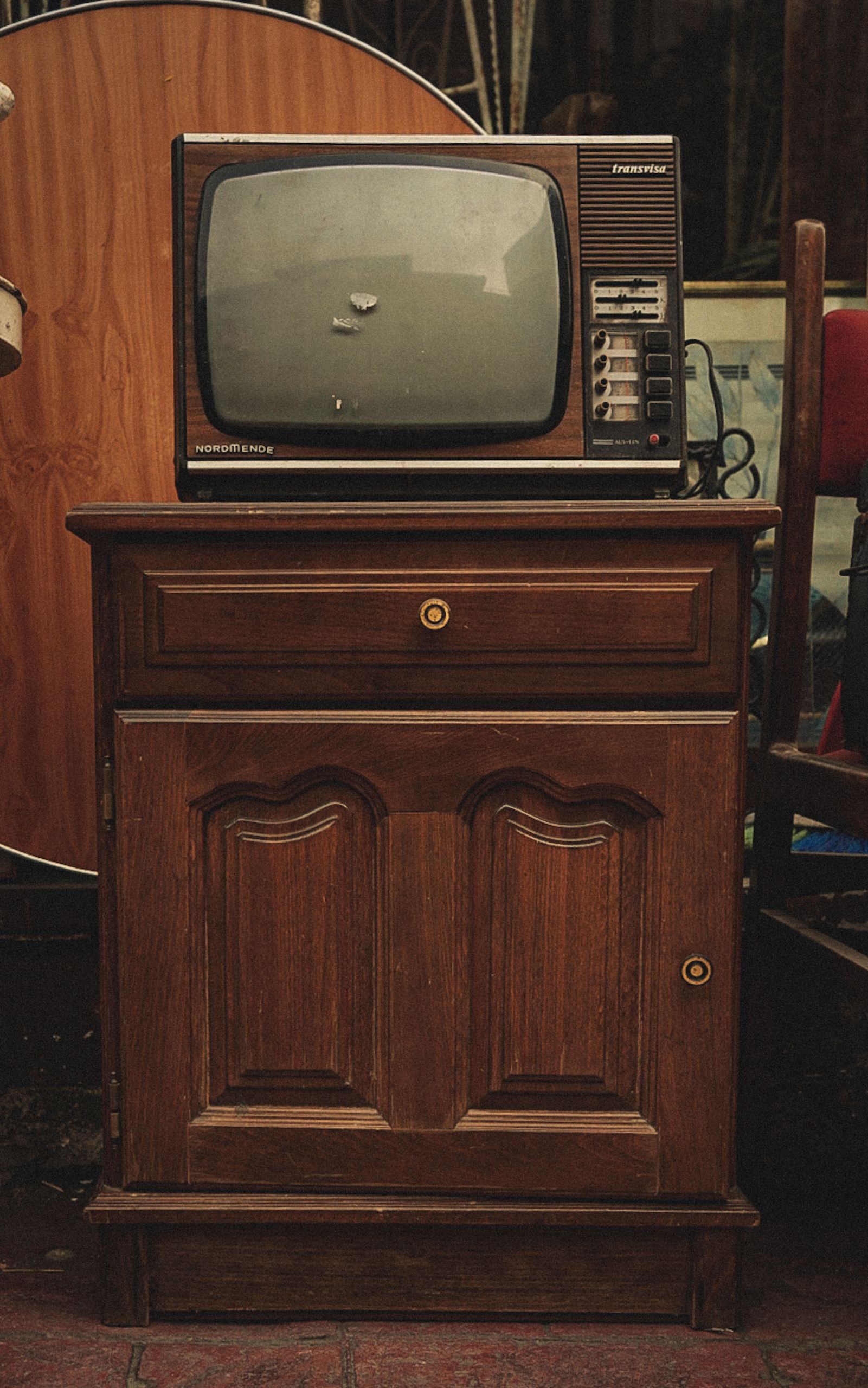
A console TV took up floor space like a small dresser. Its wooden cabinet made it look like furniture, even when the screen was dark. Some models did double or triple duty. An RCA Victor console from around 1980, now in The Henry Ford’s collection, combined a television, radio, and record player. With the evening’s entertainment coming from one cabinet, even the person in the corner armchair had a reason to turn toward it. thehenryford.org
Related:16 Things Found in a Typical American Home in the 1950s
The upholstered sofa
The sofa was where a living room felt lived in. A low, straight-lined model gave the room a modern look, while a sofa with rounded arms and a skirt felt more traditional. Either way, it had plenty of work to do. It was where guests sat with their coffee and where someone stretched out once the guests went home. The cushion with the deepest dent usually told you whose spot it was.
The coffee table
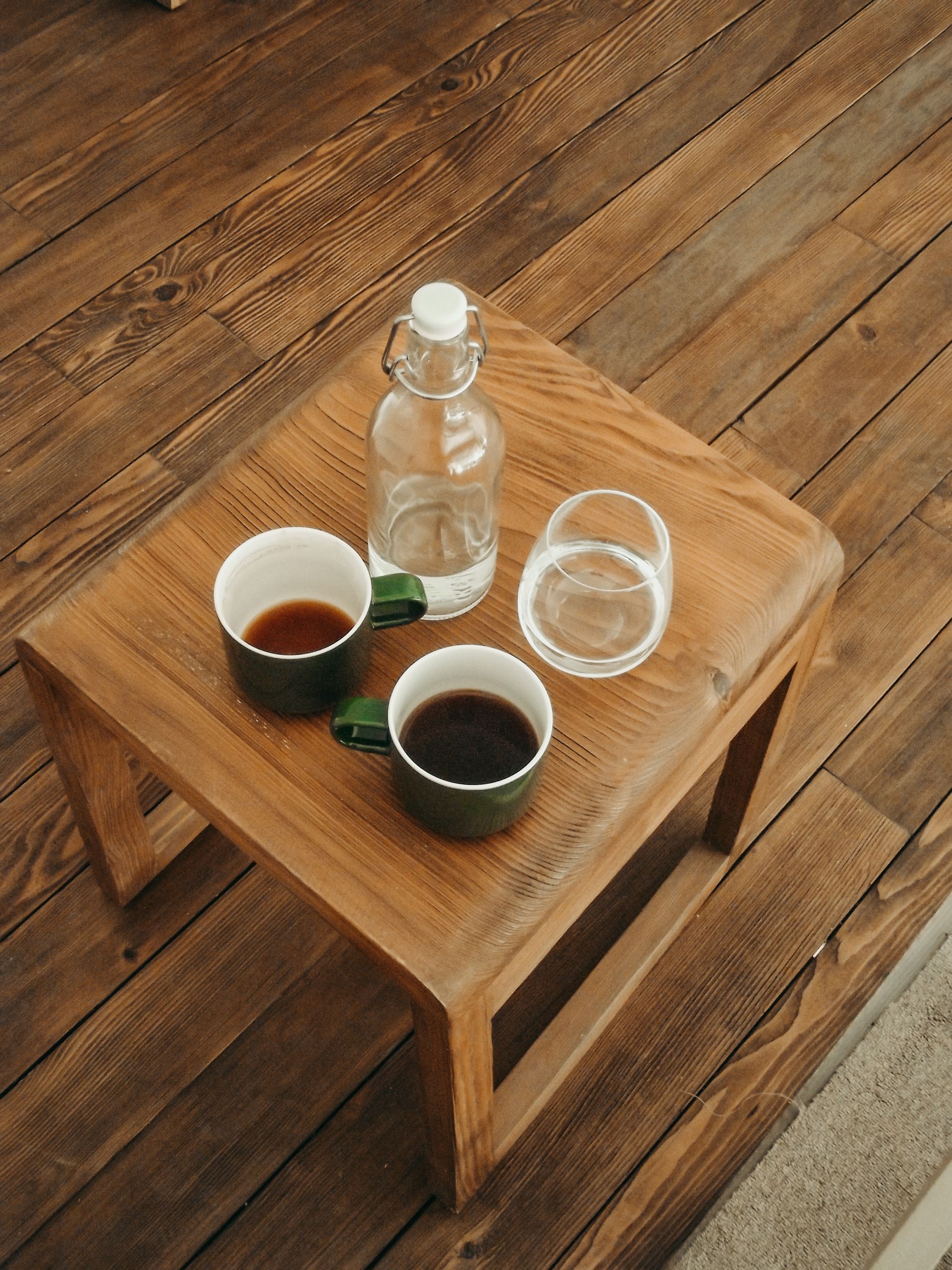
Set within easy reach of the sofa, the coffee table held the things people were still using. A newspaper might stay open to the crossword, with a pencil tucked in the fold. A plate of cookies could take its place when company came. A simple, low wooden table fit neatly into a modern room, while a drop-leaf version offered a little extra surface when someone brought out a tray.
The armchair
An armchair gave one person a place to read, listen to the radio, or doze through the end of a program. It could match the sofa, or it could be the older piece the family kept because it was still the best seat in the house. Put it beside a lamp and a small table, and you had a corner where someone could spend most of the evening.
The shaded table lamp
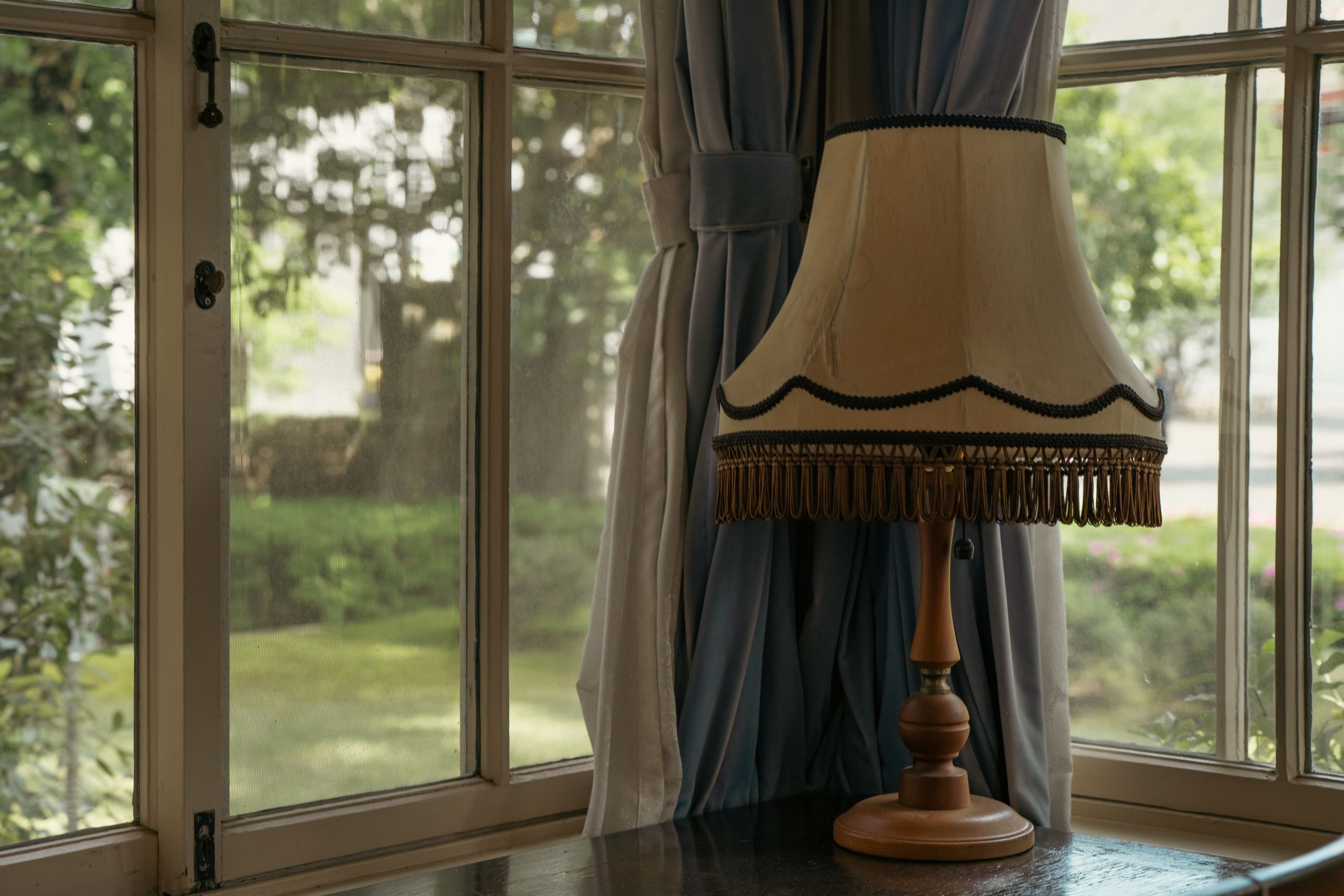
A shaded lamp gave the room a softer glow and made it easier to read after dark. Even the television could have its own lamp. The Henry Ford’s collection includes a small lamp made to sit on top of a TV console and cast a low light around the set. A lamp beside the sofa served a different purpose. It let someone keep reading while the rest of the room settled into the evening. thehenryford.org
The record player
A record player gave the living room a soundtrack. In a photograph preserved by the Smithsonian, Tupperware sales executive Brownie Wise and her son Jerry sit in a living room with a blond-wood phonograph. The cabinet fits right in with the rest of the furniture. You can almost hear the little pause after the needle drops, when everyone waits for the first note. Smithsonian Institution
The patterned curtains
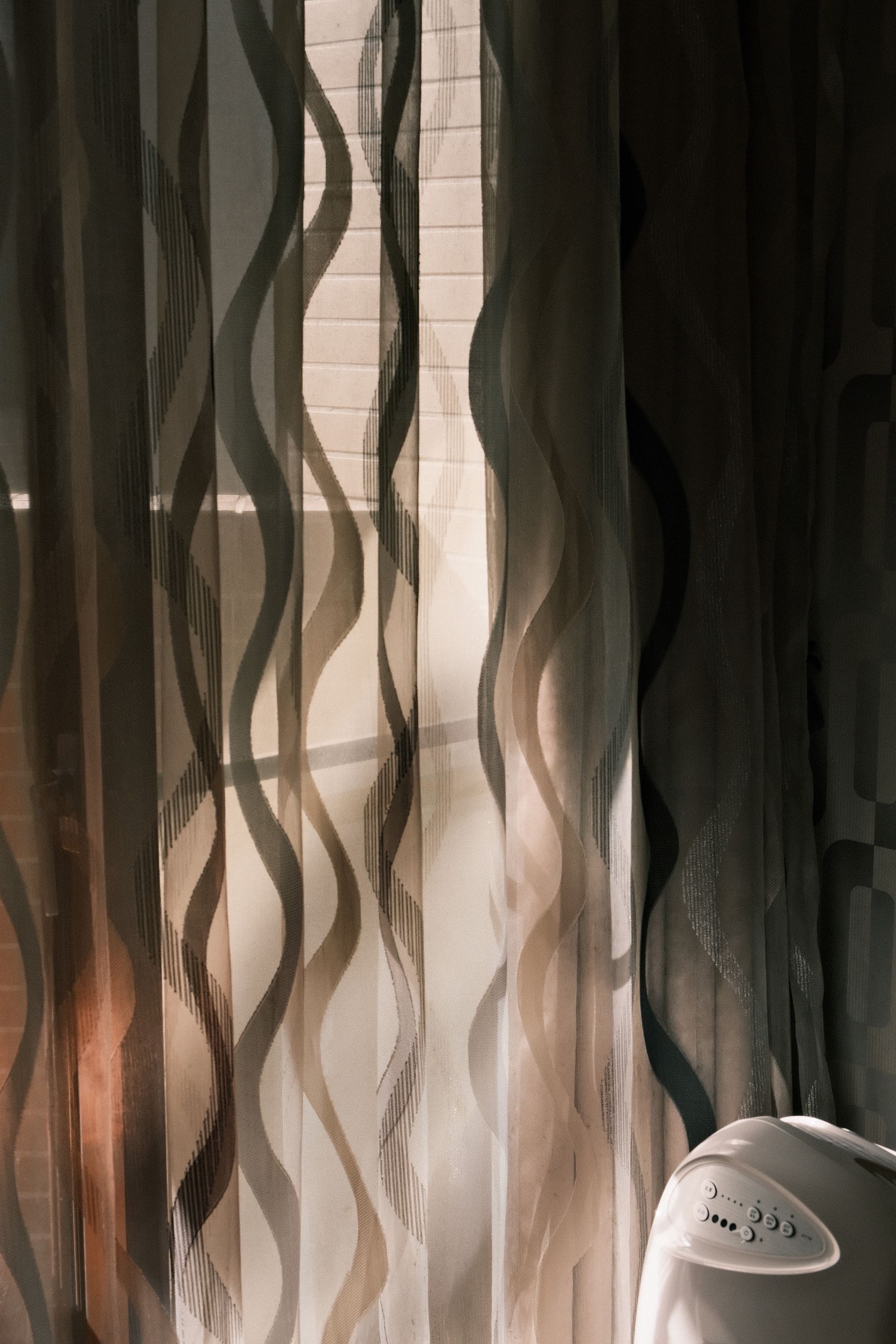
Curtains could give a plain room most of its color. A floral print brought a softer look, while a geometric pattern worked well alongside simple wooden furniture. They were useful, too. Draw them in the evening and the bright window became a backdrop for the sofa and lamps. Open them the next morning and the same room felt completely different, even with yesterday’s paper still on the coffee table.
The starburst clock
With rays spreading from the center, the starburst clock gave a bare wall enough personality to stand on its own. The design belongs to a broader family of playful midcentury clocks. The first collection from George Nelson’s design studio went on sale in 1979 and dropped the numerals, letting the hands and shapes do the work. A starburst was a small purchase compared with a sofa or television, but you could spot it the moment you walked into the room. Official Vitra® Online Shop US