For a family that budgets the month’s groceries around one deposit, a drained EBT card is a real blow at the register. The cart is full, the card says zero, and the money was spent somewhere else by someone else.
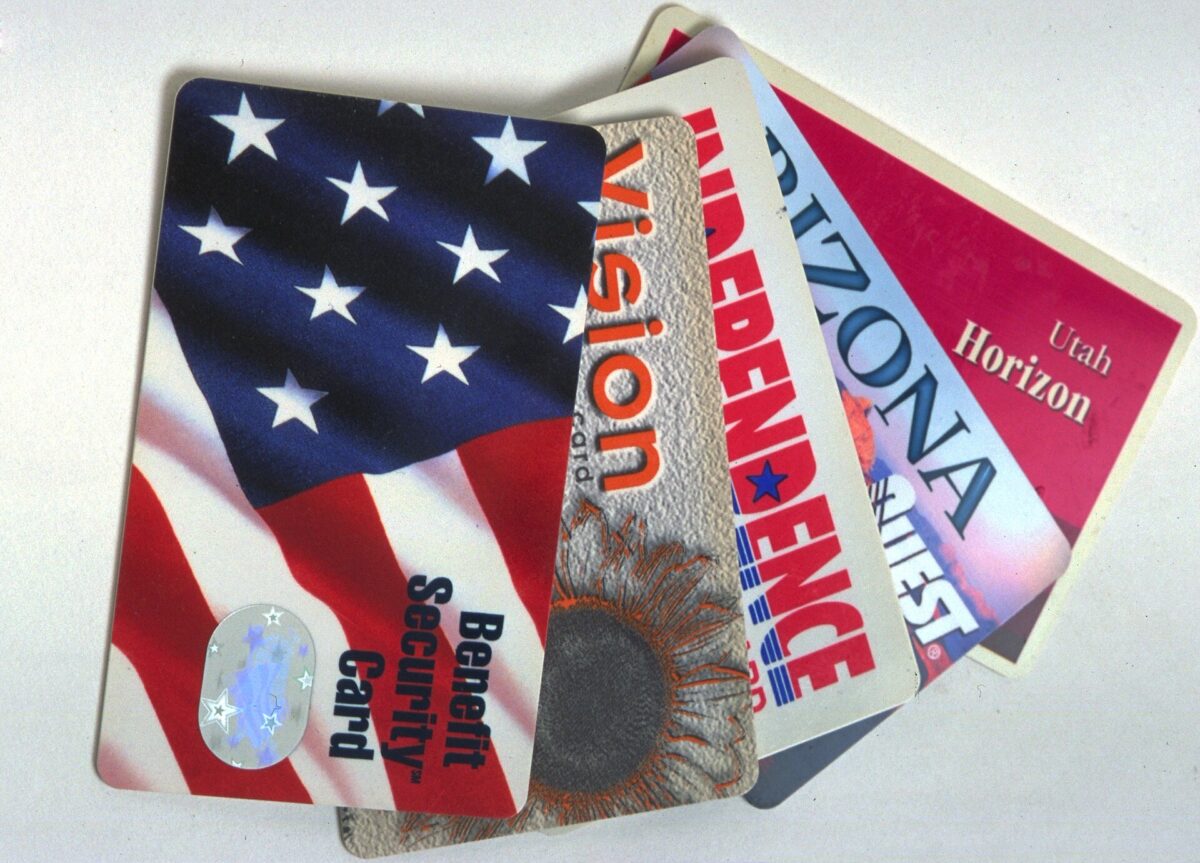
Since the federal program for replacing stolen SNAP benefits ended on Dec. 20, 2024, most states have stopped covering those losses. California and Maryland are among the few still replacing stolen benefits, on a limited basis and with their own state money, for food benefits stolen on or after Dec. 21, 2024.
What changed when the federal money stopped
From late 2022 through 2024, Washington paid to make skimming victims whole. The USDA’s stolen benefits replacement dashboard says all states were approved to use federal funds to replace SNAP benefits stolen between Oct. 1, 2022 and Dec. 20, 2024, and that the statutory authority to do so expired on Dec. 20, 2024.
The scale was large. Newsweek reported on Nov. 18, 2026 that nearly 769,000 claims were approved and more than $360 million was replaced between January 2023 and March 2025. New York led with 165,576 claims worth about $87.6 million, followed by California with 115,011 claims worth about $55.6 million and Maryland with 64,372 claims worth about $24.7 million.
After the cutoff, benefits stolen from Dec. 21, 2024 onward cannot be replaced with federal dollars. Newsweek said most states no longer replace them at all, while “California and Maryland are among the states providing reimbursement on a limited basis.” For households already stretching a grocery budget, that difference can decide whether the pantry gets restocked this month. It is one reason money writers keep pushing even a small emergency fund, along with steady habits from lists of frugal living tips and wallet-friendly life hacks, as a cushion against surprises like this. Since federal replacement ended, much of the attention has shifted to stopping theft at the card, including a federal proposal for chip SNAP cards.
Maryland: state funds for thefts on or after Dec. 21, 2024
Maryland moved early. A Department of Human Services action transmittal issued Feb. 19, 2025 told local offices that benefits stolen on or after Dec. 21, 2024 “must be replaced with State funds,” noting the state had already identified money to cover losses federal funds would not.
The state’s stolen benefits data page, with figures as of Nov. 13, 2026, says Maryland has replaced $42,071,865 in SNAP benefits since March 2023, and $52,689,067 across all benefit types, including cash assistance, SUN Bucks and Pandemic EBT. It lists 127,628 claims submitted and 103,295 approved. The totals mix federal and state money, and the department says it is still working on a breakdown between the two.
The same page shows SNAP reimbursements falling sharply, from $2,536,962 in July through September of one fiscal year to $678,970 in the same months of the next, a 73.24% drop. Maryland households that suspect theft can call DHS at 1-800-332-6347. Thieves also work the phones, and the same caution applies to the tricks described in this guide to scam calls that demand fast payment.
California: two replacements a year, 90 days to report
California’s food benefits program, CalFresh, keeps replacing electronically stolen benefits under firm limits. Santa Clara County’s CalFresh electronic theft handbook says benefits stolen by skimming or scamming cannot be replaced more than two times in each federal fiscal year, which runs Oct. 1 to Sept. 30.
The handbook also sets the paperwork rule: a household must submit form EBT 2259 within 90 days of the theft, and only transactions within that 90-day window count. A string of fraudulent purchases over a single week counts as one replacement, not four. Each replacement is capped at the equivalent of two months of the household’s regular allotment.
The state has also attacked the problem at the card itself. Newsweek reported that California was the first state to finish moving from magnetic-stripe EBT cards to chip-and-tap cards in early 2025, and that reported theft across California’s cash and SNAP EBT programs then fell 83% between January 2024 and late 2025. The state used other anti-fraud steps as well, so the chip cards were not the only factor.
Why chip cards may matter more than replacement
Old magnetic-stripe cards are easy to copy with a skimmer hidden on a card reader. Newsweek said the USDA’s proposed security rule would require upgraded cards using chip and near-field communication technology, with states getting two years after a final rule to comply. It put the cost of a chip-and-tap EBT card at $2.31 to $4.99, compared with roughly 20 to 40 cents for a magnetic-stripe card.
For families everywhere else, guarding the card is the only real protection for now. Timeless Dishes has covered USDA’s PIN advice for SNAP households, and the basics are simple enough to build into every shopping trip. A chip card in every wallet would make a skimmer far less useful, but most states are still waiting on the federal rule.
What SNAP households in any state can do
Check the balance often, especially right after the monthly deposit lands, since thieves tend to strike on issuance day. Change the PIN regularly, lock the card in the state’s EBT app when it is not in use if that feature exists, and look over card readers for loose or bulky parts before swiping.
If money disappears, report it to the local SNAP office right away and ask for a new card. In California, that means filing EBT 2259 within 90 days. In Maryland, it means contacting DHS. In most other states, the stolen amount is unlikely to come back, which is why the advice keeps landing on the same point: protect the card before the next deposit arrives.
This article was produced with AI assistance and edited for accuracy against the sources linked above.