Having a pantry full of canned food, rice, and bottled water might feel like a solid emergency plan. But experienced preppers are raising an interesting point: knowing how to use those supplies matters just as much as having them. A recent discussion in Reddit’s r/prepping community has sparked conversations about why people should practice preparing meals with the food they have stored.
The discussion started after one prepper shared a meal made entirely from ingredients with a shelf life of at least three years, costing less than $2.50 per serving. Their argument was simple: buying emergency food is one thing, but knowing how to turn it into meals people actually enjoy is another. Other members shared their own experiences with food rotation, cooking skills, and the importance of having more than just basic staples.
Having Emergency Food Does Not Mean Knowing How to Cook It
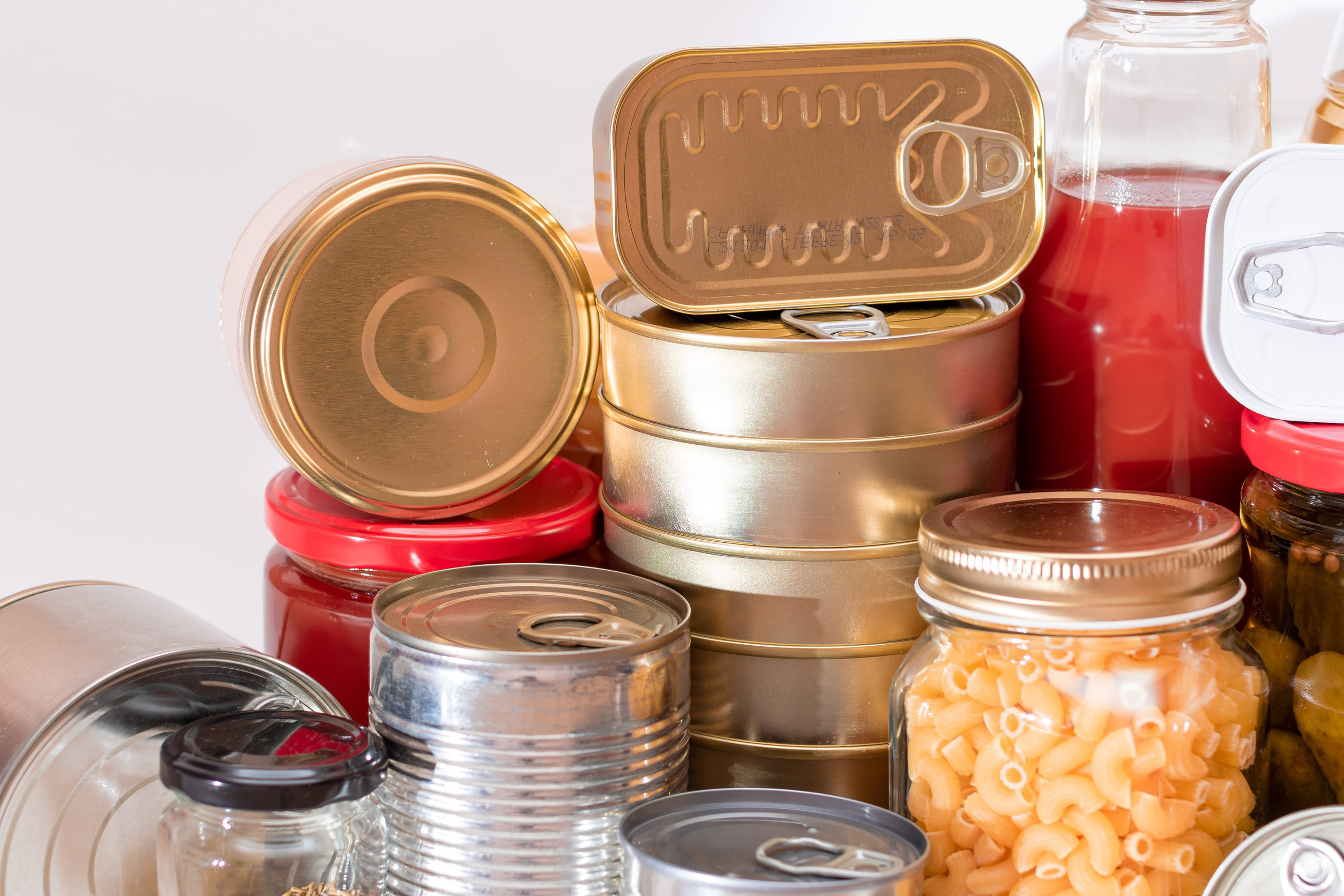
One Reddit user pointed out that some emergency pantries contain expensive freeze-dried meals, while others are packed with basic ingredients that lack seasonings and other additions. The problem is that people may have plenty of food stored but little experience turning those ingredients into satisfying meals. During an emergency, discovering that your rice, beans, and canned vegetables make for a rather boring dinner could become frustrating quickly.
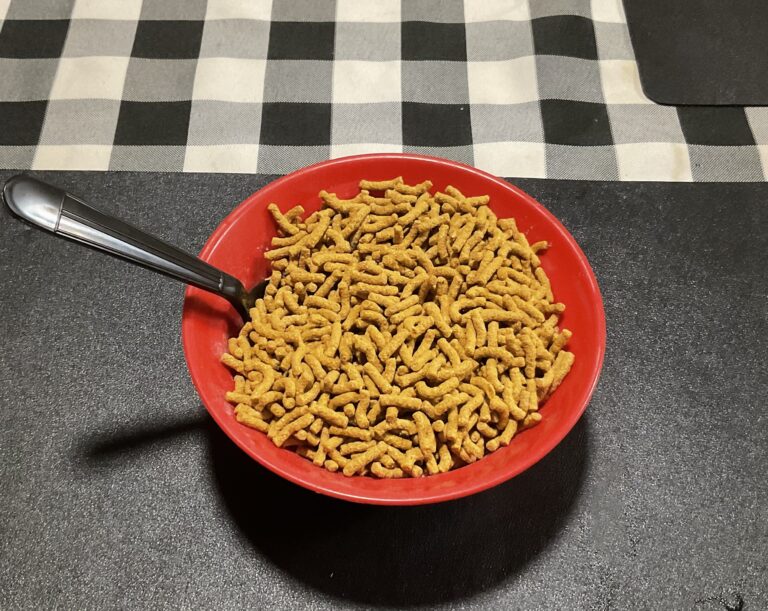
The original poster demonstrated the idea by preparing a meal with canned Spam, rice, soy sauce, sugar, mirin, chili crisp, and seasonings. The ingredients had a shelf life of at least three years, and the meal cost less than $2.50 per serving. The post attracted attention from other preppers who agreed that practicing with stored ingredients is an important part of being prepared.
Practice Making Meals With Your Stored Supplies
Buying emergency food is easier than figuring out what to do with it when the electricity is out or grocery stores are unavailable. Some Reddit users suggested regularly preparing meals with pantry ingredients to understand how different foods work together. This also helps households discover which ingredients they enjoy and which ones might need replacing.
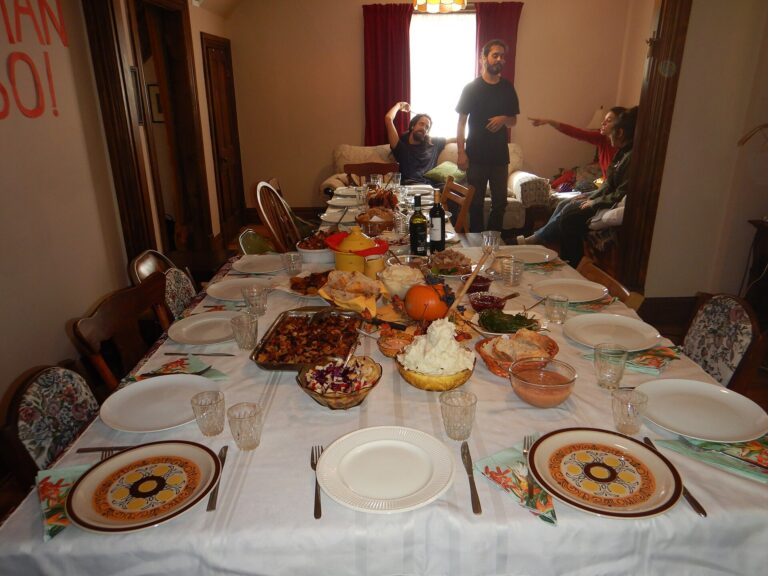
One commenter explained that their family rotates its emergency food supplies by eating older items and replacing them with fresh purchases. Another said unfamiliar foods can be difficult to tolerate, particularly when someone is already stressed or hungry. Testing recipes before an emergency gives households time to experiment rather than learning everything when options are limited.
Seasonings Can Make a Bigger Difference Than Expected
Rice, beans, pasta, and canned vegetables can provide useful building blocks for emergency meals, but eating the same plain combinations every day can become tiresome. Seasonings, sauces, and other shelf-stable additions give home cooks more ways to prepare familiar ingredients. Garlic powder, ginger, dried herbs, spices, and canned tomatoes can help turn basic pantry items into different meals.
Several Reddit users brought up the importance of keeping seasonings alongside emergency food supplies. One commenter suggested that having different flavors available could make a difficult situation more bearable. Others mentioned making fried rice, Spanish rice, cheesy orzo, and bean dishes rather than relying on plain rice every day. A little variety can make a pantry feel much more useful.
Rotate Your Food Instead of Letting It Sit for Years
An emergency food supply should not become a collection of forgotten cans and packages at the back of a cupboard. Food needs to be checked regularly for expiration dates, damaged packaging, and changes in quality. Using older supplies first and replacing them with newer purchases helps keep the pantry fresh.
The Federal Emergency Management Agency recommends following the first in, first out method when managing stored food. This means using older items before newer ones rather than allowing supplies to sit untouched. The USDA also recommends periodically using and refreshing emergency food supplies instead of simply storing them away and forgetting about them.
Do Not Forget About Food That Requires No Cooking
A pantry filled with dried beans, rice, and pasta may look impressive, but these foods can become difficult to prepare if electricity, gas, or clean cooking water is unavailable. Some ingredients require hours of cooking, making them less convenient during an extended power outage. Keeping ready-to-eat alternatives can save considerable trouble.
Ready.gov recommends including canned meats, fruits, vegetables, peanut butter, dried fruit, granola, and other foods that require little or no preparation. A manual can opener is also worth keeping because electric kitchen appliances may not work during an outage. Having a mixture of ready-to-eat foods and ingredients that can be cooked gives households more flexibility.
Gardening and Cooking Skills Are Also Part of Preparation
Some members of the Reddit discussion argued that emergency preparedness should extend beyond buying groceries. Gardening, food preservation, and learning to cook from basic ingredients can provide additional options when regular shopping becomes difficult. However, growing enough food to feed a household is not as simple as planting a few seeds and waiting for dinner.
One commenter shared their experience trying to grow enough potatoes to support a year’s food supply, only to find that the harvest was much smaller than expected. Others pointed out that gardening requires knowledge of irrigation, pests, soil conditions, and harvesting seasons. Developing these skills takes practice, which is why relying entirely on a backyard garden is not a dependable emergency food plan.
Build a Food Supply Your Household Can Actually Use
The biggest lesson from the discussion is that emergency preparedness should involve more than counting cans and filling shelves. Households need to know how to prepare their stored ingredients, keep food supplies fresh, and make meals that everyone is willing to eat. It is also important to account for children, pets, and family members with specific dietary needs.
The USDA recommends keeping at least a three-day supply of commercially bottled water and nonperishable food per person, with supplies refreshed periodically. Families can start by setting aside ingredients they already use, trying a few meals with those supplies and identifying anything missing. Having a stocked pantry is useful, but knowing what to do with everything inside it is what makes those supplies practical when normal routines are disrupted.