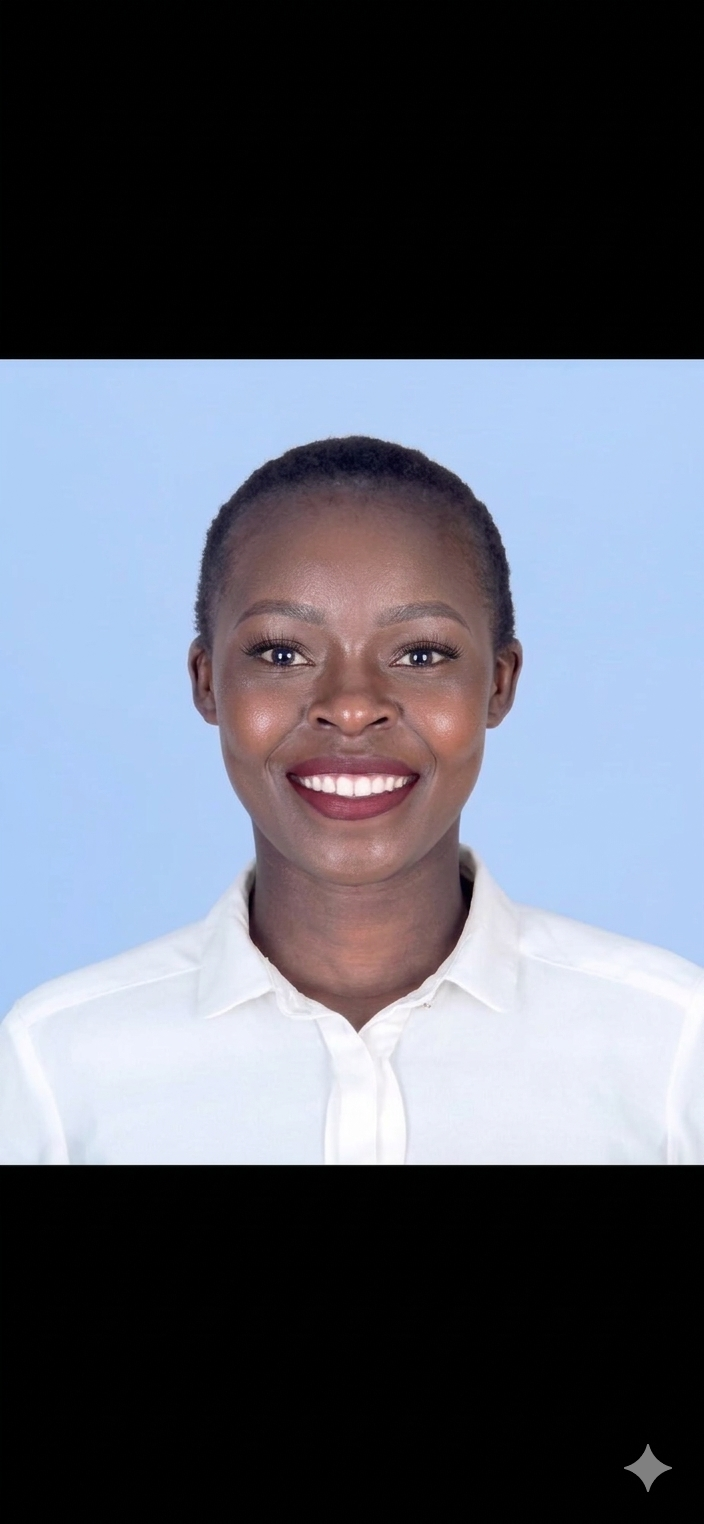
Barack Obama’s conversation with Michigan Senate nominee Abdul El-Sayed comes after a primary decided by roughly 15,000 votes and before a general election that could influence control of the U.S. Senate.
A single phone call cannot erase a bruising statewide campaign, but it can send a powerful political signal. Former President Barack Obama spoke with Michigan Democratic Senate nominee Abdul El-Sayed on August 7, just 3 days after El-Sayed narrowly defeated Rep. Haley Stevens in one of the country’s most closely watched primaries.
El-Sayed described the conversation as “really warm and inspiring” and said he hopes the 44th president will campaign alongside him before November. The larger question, however, is whether Obama can help bring together a Democratic coalition that emerged from the primary divided by ideology, foreign policy and competing ideas about the party’s future.
A 1-Point Victory Left Michigan Democrats Almost Evenly Split.

El-Sayed won the August 4 Democratic primary with approximately 48.5% of the vote, compared with Stevens’ 47.5%, according to results compiled by Ballotpedia. Former state Sen. Mallory McMorrow, who had withdrawn, still received about 4%, making the outcome even more striking.
The raw numbers reveal how little separated the leading candidates. El-Sayed received 740,950 votes, while Stevens collected 726,057, leaving a difference of just 14,893 votes out of more than 1.5 million cast in the Democratic contest.
That margin gives El-Sayed the nomination, but it does not automatically give him the support of every Democrat who voted against him. With the November 3 election fewer than 3 months away, his campaign must turn a coalition split almost 50-50 into a unified general-election force.
Obama’s Outreach Went to Both Sides of the Primary
Obama’s involvement carried another important detail: El-Sayed was not reportedly the only candidate who heard from him. Obama also contacted Stevens, who later encouraged the former president to travel to Michigan and campaign for the Democratic ticket, according to reporting cited by The Guardian.
That 2-candidate outreach suggests Obama was attempting to strengthen the entire party rather than celebrate the winner. Stevens had received support from prominent Democratic figures, including Senate Minority Leader Chuck Schumer and retiring Michigan Sen. Gary Peters. At the same time, El-Sayed drew backing from Sen. Bernie Sanders and the party’s progressive wing.
The two camps disagreed sharply during the primary, but they now share 1 immediate objective: preventing Republican Mike Rogers from winning the open seat. El-Sayed acknowledged the campaign had been difficult, yet argued that Democrats have more in common with one another than with the Republican agenda.
Michigan’s Senate History Makes the Rogers Rematch Important
Rogers enters the race with recent statewide experience. In 2024, he lost Michigan’s Senate election to Democrat Elissa Slotkin by only 0.3 percentage points, with Slotkin receiving approximately 48.6% and Rogers taking 48.3%.
Michigan’s presidential result that same year moved in the opposite direction. Donald Trump carried the state with about 49.7% of the vote, defeating Kamala Harris, who received approximately 48.3%, a margin of only 1.4 points.
Those 2 close contests show why neither party can comfortably claim Michigan. Major election analysts have generally placed the 2026 Senate race in either the “toss-up” or “lean Democratic” category, meaning modest shifts among suburban, working-class or independent voters could determine the winner.
The historical stakes are just as notable. No Republican has won a Michigan U.S. Senate election since 1994, when Spencer Abraham captured the seat more than 3 decades ago, but Rogers came extremely close to ending that streak in 2024.
An Open Seat Raises the National Stakes
The contest is open because Peters, a 2-term Democratic senator first elected in 2014, decided not to seek another term. Without an incumbent on the ballot, Democrats lose the advantages of name recognition and an established statewide organization attached to a sitting senator.
Michigan is also one of 11 open Senate races in 2026, according to Ballotpedia. Across the country, 4 Democratic senators and 7 Republican senators are not seeking reelection, creating an unusually fluid map at a time when control of the chamber could hinge on only a small number of states.
The Michigan winner will secure 1 of 100 Senate seats, but that single seat could shape confirmation votes, federal spending, health care legislation and the balance of power in Washington. That national importance explains why figures such as Obama, Sanders, Schumer and Trump are already closely involved.
El-Sayed’s Candidacy Could Make History
El-Sayed, an epidemiologist and former public health official, previously sought the Democratic nomination for Michigan governor in 2018. Now, 8 years later, he has advanced to a general election with an opportunity to become the first Muslim elected to the United States Senate.
That possibility gives the race significance beyond traditional party politics. The Senate has existed since 1789, yet no Muslim American has served among its 100 members, making El-Sayed’s candidacy a potential milestone in congressional representation.
His policy positions will receive at least as much attention as his personal background. El-Sayed has defended Medicare for All, arguing that higher taxes could replace premiums, deductibles and copayments, a position likely to become one of the most contested issues during the campaign’s final 12 weeks.
Money Will Help Define the General Election
El-Sayed had reported approximately $14.5 million in total campaign receipts through July 15, according to Federal Election Commission records. More than $14.4 million came from individual contributions, while he reported no candidate loans during that period.
Those figures show that El-Sayed can raise serious money, but Michigan’s size makes statewide campaigning expensive. Reaching voters across 83 counties requires television advertising, digital outreach, local organizers and repeated appearances in politically distinct regions extending from Detroit to the Upper Peninsula.
Rogers and Republican groups are expected to focus on El-Sayed’s progressive positions, especially health care, immigration and U.S. policy toward Israel. Democrats, meanwhile, can point to Rogers’ 0.3-point loss in 2024 as proof that he is formidable but beatable.
The Obama Call Was a Beginning, Not a Resolution
Obama remains one of the Democratic Party’s most recognizable campaign surrogates more than 9 years after leaving the White House in January 2017. His presence could help El-Sayed attract donors, generate national attention and reassure moderate Democrats who supported Stevens.
But even the 44th president cannot personally deliver Michigan’s electorate. El-Sayed must persuade Stevens’ 726,057 primary voters that their priorities will have a place in his campaign, while also keeping the progressive voters responsible for his narrow victory energized.
The call therefore matters less as a celebrity endorsement than as the opening move in a difficult political repair job. El-Sayed won the nomination by 14,893 votes, Rogers lost his previous Senate race by fewer than 20,000 votes, and Michigan’s recent history suggests November could once again be decided by a margin small enough to fit inside a single midsized city.
With 1 open seat, 2 sharply different candidates and control of the Senate potentially hanging in the balance, Michigan has become more than another midterm contest. It is now a national test of whether Democrats divided almost evenly in August can stand together by November.