Hosting Thanksgiving for the first time is a project. Hosting it a second time brings a new kind of pressure, because by then the host knows exactly how long the turkey takes, how many chairs fit around the table and which relatives tend to show up with extra people.
That second-year feeling is at the center of a Miss Manners column published October 27, 2026. A reader explained that her brother-in-law and his wife had brought the wife’s parents, her brother and his daughter into last year’s dinner, and she wanted to know how to keep the invitation narrower this time. Miss Manners took the side of the extra guests, pointing to what Thanksgiving is supposed to be about.

The Letter: A Bigger Table Than Planned
According to the column, which ran on Arcamax under the headline “Extra Guests at Thanksgiving Are Kinda the Point”, the reader is hosting her husband’s family for the second year in a row. Last year, her brother-in-law and his wife extended the holiday invitation to the wife’s parents, the wife’s brother and that brother’s daughter, the niece in this story.
The host wrote that she had met those relatives only a few times. She also explained why the meal matters so much to her. She puts a lot of time into the table setting and the special holiday food, while her sister-in-law does not like to cook and did not want to host.
Her question was practical. She wanted a polite way to make clear that the invitation covered the brother-in-law’s household, but not the wife’s side of the family.
Miss Manners’ Answer: Remember the Legend
Miss Manners responded with a question of her own, asking whether the reader was familiar with the Thanksgiving legend and whether it was not about inclusive hospitality. The column then made its main point: Thanksgiving is not the occasion to complain about breaking bread with people one barely knows.
The Anchorage Daily News ran the same column on October 27, 2026, under a headline asking whether the host has to put up with additional, unexpected guests at her Thanksgiving dinner. Miss Manners’ answer, in short, was yes.
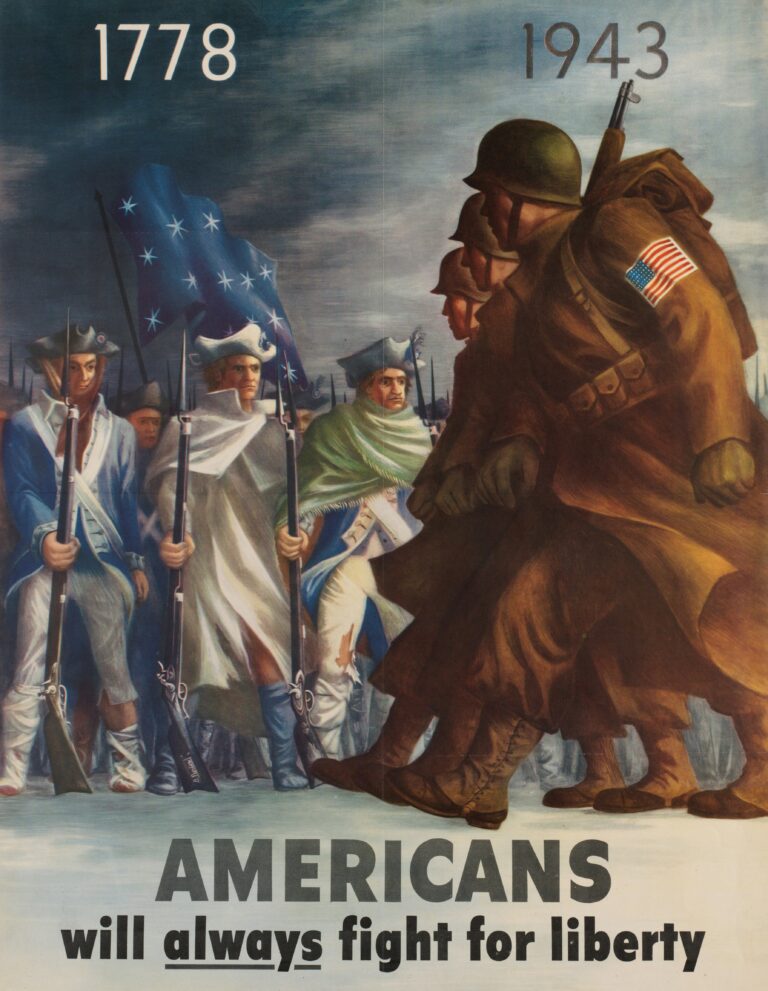
The legend Miss Manners referred to is the 1621 harvest celebration at Plymouth. The Wikipedia history of Thanksgiving in the United States notes that the colonists hosted the Wampanoag leader Massasoit and about 90 of his men for 3 days of feasting, with a menu that likely included wild turkey, fish, shellfish, venison and a boiled cornmeal dish. Readers who like that kind of food history may enjoy these strange Thanksgiving traditions that everyone pretends are normal.
Where Miss Manners Would Have Agreed With the Host
The column was not entirely one-sided. Miss Manners said she would have been sympathetic if the host had said the effort of cooking for so many people was simply too much. In that case, the fix would be help rather than a shorter guest list, and she suggested starting with the host’s own husband.
That distinction matters in a lot of kitchens. Preparing a turkey, several sides and dessert for a growing crowd is real work, and the host in this letter clearly cares about doing it well. Spreading the cooking out, assigning dishes or handing off the cleanup are all ways to keep a bigger table manageable. Hosts juggling the oven may find ideas for freeing up oven space on Thanksgiving, and a quick look at these oven checks to make before the turkey goes in can head off a mid-afternoon scramble.
What Miss Manners did not accept was the idea that the extra relatives themselves were the problem. Her answer frames their presence as part of the spirit of the day, not an imposition on it.

Both Sides of a Familiar Holiday Problem
The host’s frustration is easy to understand. Planning a holiday menu around a set number of people, then finding that number has grown, changes everything from the size of the bird to the number of pie plates. It can also feel personal when relatives the host barely knows arrive at a meal she has worked hard to prepare.
The brother-in-law and his wife may see it differently. Their own household did not want to host, and folding the wife’s parents, brother and niece into a bigger family dinner may have felt like the most generous option. In many families, Thanksgiving tables have grown exactly this way, one in-law’s relatives at a time. The Wikipedia overview of Thanksgiving dinner notes that relatives and friends from different households commonly bring dishes and gather at one shared meal.
Couples dealing with this kind of tension can talk it through before the day, an approach covered in these ways couples keep holiday disagreements from turning into big arguments. Newcomers to a family table can also brush up on these simple etiquette tips for being a good houseguest.
Who Is Behind Miss Manners
Miss Manners is the etiquette column Judith Martin began writing in 1978. Since 2013, her children Nicholas Ivor Martin and Jacobina Martin have shared credit on the column, and all three names appear on the October 27 piece, which also answered letters about personalized notecards and bridal showers.
The column’s view of Thanksgiving comes down to making room. For this second-year host, that suggests a simple plan for Thursday, November 26: set a few more places, ask the brother-in-law’s household to bring a dish or two, and put her husband to work in the kitchen. The niece and her family get a seat, and the host gets the help Miss Manners said she was entitled to request.
This article was produced with AI assistance and edited for accuracy against the sources linked above.
Image: Pink Sherbet Photography from USA – CC BY 2.0/Wikimedia Commons