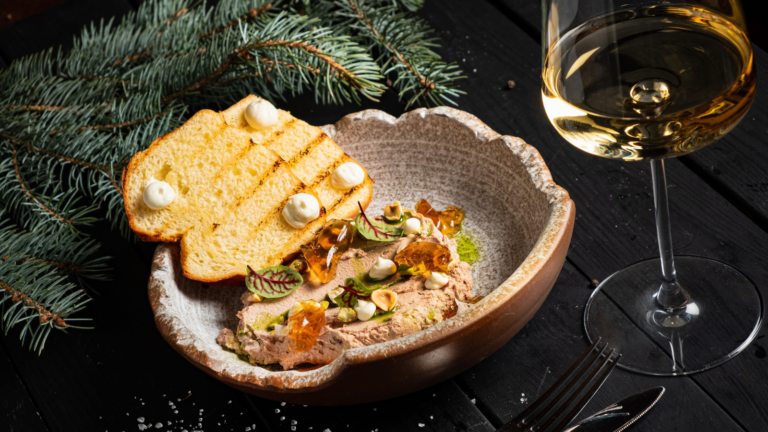
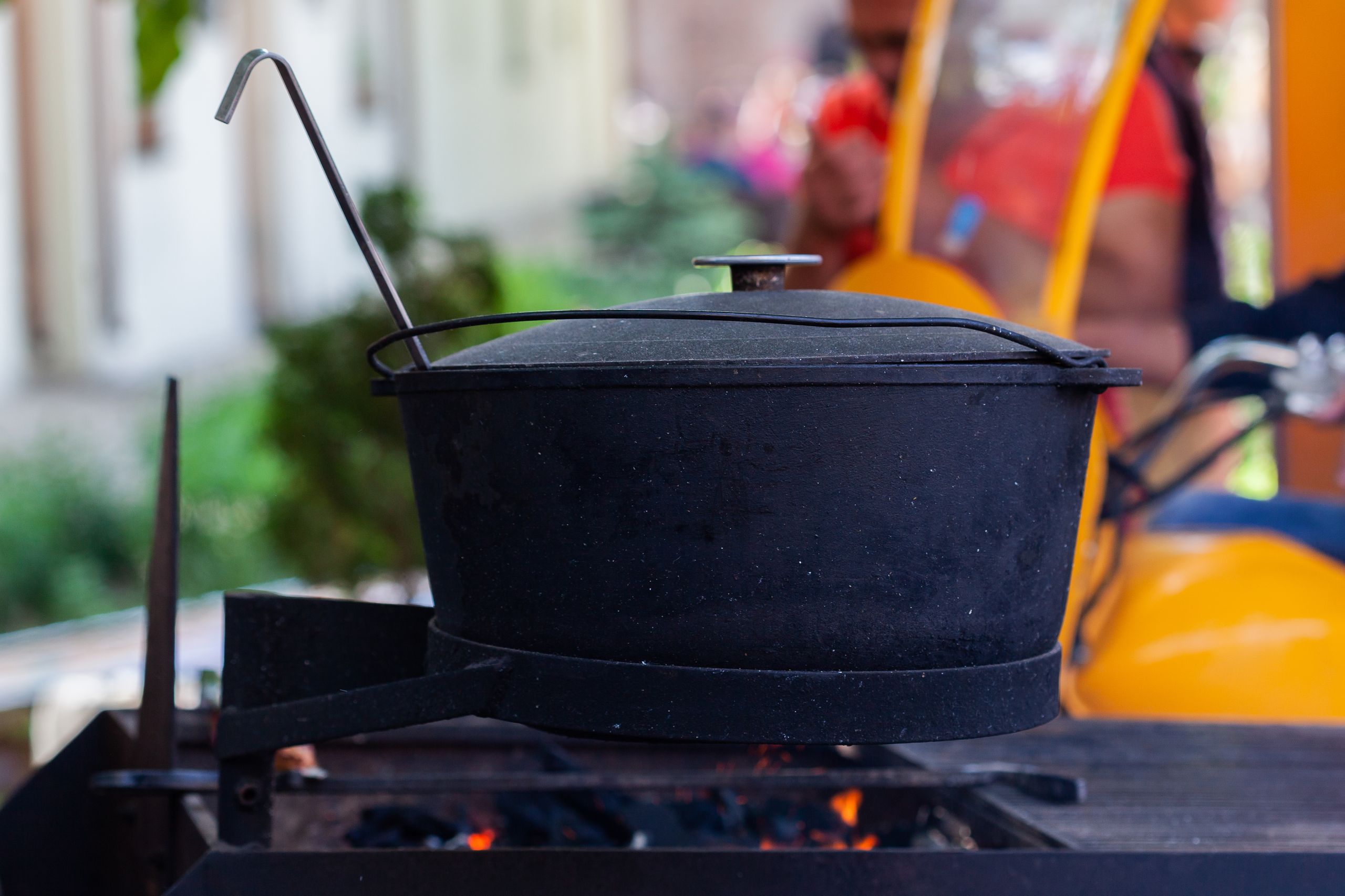
Gumbo and jambalaya may draw attention at Louisiana’s Blackpot Festival, but the competition leaves room for dessert, too. The common ingredient isn’t in the recipe. It is the cast-iron vessel used to cook it.
The South Louisiana Blackpot Festival & Cookoff returns October 30–31, 2026, to Vermilionville at 300 Fisher Road in Lafayette. This year, the gathering marks its 20th anniversary, bringing a cooking competition and live music together over Halloween weekend.
Friday’s listed music starts at 6 p.m. Saturday brings the cook-off, additional performances, and a costume contest. Visitors most interested in the food competition should plan around Saturday.
The anniversary provides a reason to look beyond the calendar. Blackpot’s story involves musicians who helped start a festival, cooks who bring their own approaches to familiar dishes and a setting that keeps food and music close together.
A Festival That Started With Musicians
Blackpot’s origins connect directly to its musical identity.
In an October 20 feature for Wildsam, writer Hannah Hayes traced the festival’s beginnings to a challenge from fiddle player Jay Unger to the Red Stick Ramblers: start a festival of their own. The gathering developed into a combination of roots music and a Cajun cooking competition.
Twenty years later, both elements remain part of the event. Visitors can approach Blackpot through an interest in cooking, music, or both, without treating either as a side attraction.
The setting adds another layer. Vermilionville’s reconstructed village includes a barn, schoolhouse, and church, giving the festival a collection of distinct spaces rather than a single open field.
For the anniversary weekend, those surroundings provide a backdrop to an event centered on people actively cooking and playing music. The historical setting and the present-day gathering occupy the same space.
Five Categories Give Cooks Room to Compete
The organizer’s published cook-off information lists five categories: gravy, gumbo, Cook’s Choice, jambalaya, and dessert. All competition dishes must be prepared in a cast-iron vessel.
The categories give the cook-off a clear structure while allowing considerable variety.
Gumbo and jambalaya have dedicated places in the competition. Gravy is separate, with the organizer specifying that this category does not include a roux base.
Cook’s Choice is for dishes that do not fit the other categories. The organizer gives cracklins, rice dressing, stew, and sauce piquante as examples, giving cooks a chance to enter something outside the better-known festival staples.
Dessert expands the field further. Listed examples include pies, cobblers and cinnamon rolls prepared in cast iron.
Related: This Michigan Town Is Turning Pumpkin Season into a Weekend of Family Fun
Together, the categories make the contest about more than finding one winning gumbo. They let different dishes share a common format while giving individual cooks room to do what they do best.
Home Cooks Have a Place Alongside Professionals
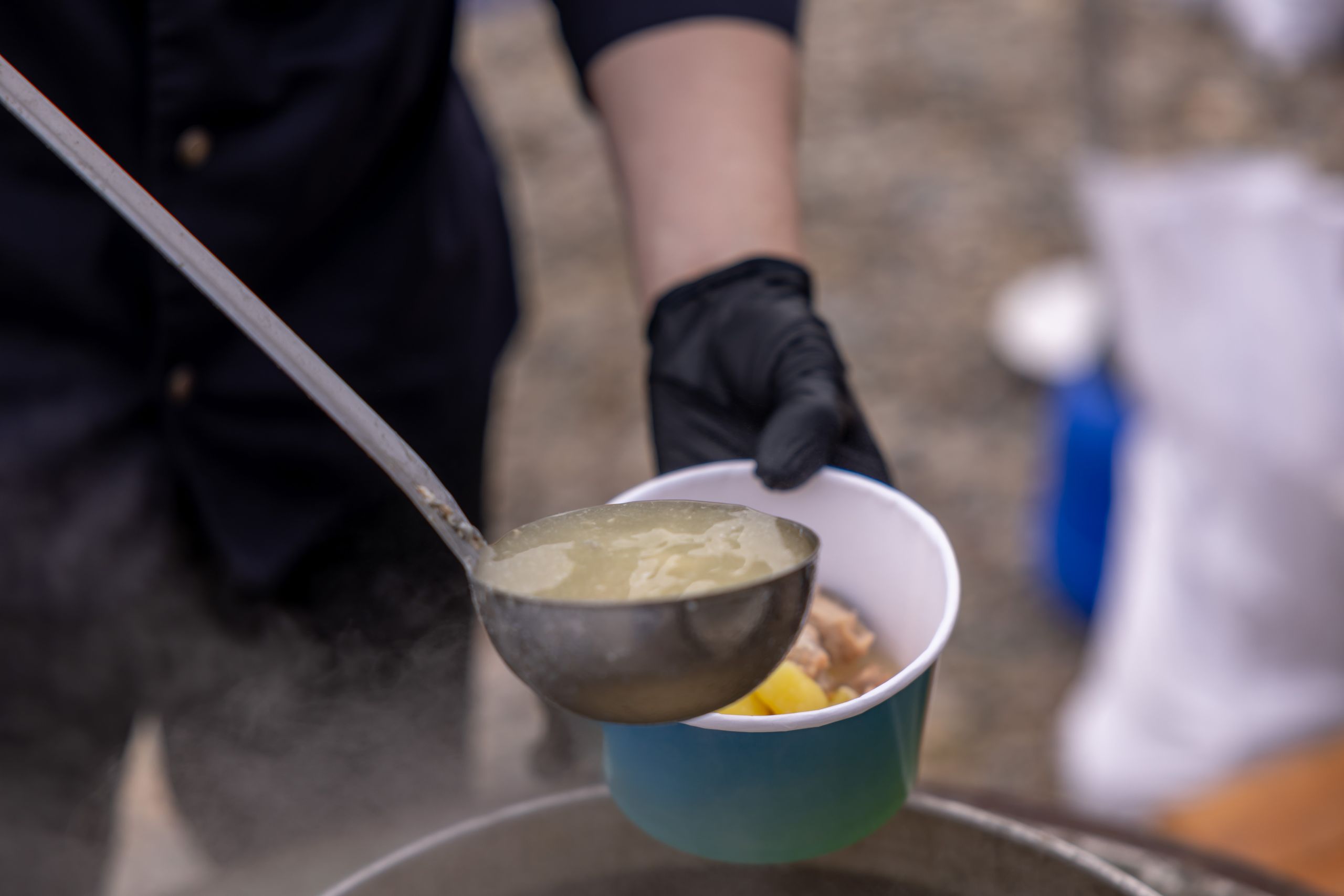
The organizer describes the competition as open to amateurs and professionals. That matters to the character of the cook-off: a restaurant résumé is not the only route to participating.
A cook may arrive with professional experience or with a dish practiced outside a commercial kitchen. The competition gives both approaches a place within the same categories.
Hayes’s reporting includes observations from chef and competitor Hank Billiot about participants whose livelihoods are outside cooking but who have developed particular dishes through experience. The feature also describes entries rooted in family recipes alongside less conventional interpretations.
That range keeps the focus on the people tending the pots. Familiar category names don’t mean every cook will prepare the same dish.
For visitors, the differences are part of what makes a cook-off worth watching. Shared equipment connects entries, while each cook’s choices give them an individual identity.
Tasting Is Possible, but Samples Are Not Guaranteed
Visitors should not assume every competition pot will provide samples.
The organizer encourages participants to prepare enough food for festivalgoers to taste, but does not require it. There is no minimum quantity for public sampling.
When samples are offered, tasting is first-come, first-served. Cooks may stop serving to save enough food for the judges, and the organizer says bowls and utensils aren’t supplied for tasting.
Those details help anyone picture the event as an unlimited tasting tour. The cook-off is a competition first, with public sampling dependent on what individual participants can provide.
The practical approach is to treat any available sample as part of the experience rather than a guaranteed inclusion with admission. The cooking, competition, and music remain the day’s broader framework.
Music Extends Beyond the Cookoff
Blackpot’s musical history continues through performances and the connections they form.
Hayes’s feature describes dancing, informal campground sessions and musicians who have returned over many years. New Orleans musician Joy Patterson, for example, has played Blackpot with Matt Bell for more than a decade.
Those recurring relationships give the anniversary a human scale. Twenty years can be measured in festival editions, but also in performers returning and audiences making time to listen.
The weekend schedule allows visitors to choose how they participate. Friday offers an evening music option, while Saturday combines the cookoff with performances and the costume contest.
Day-trippers can focus on Saturday’s activities. Someone considering the full weekend should check the current admission arrangements before making travel or camping plans.
Plan Your Visit
For admission options, current ticket availability and visitor information, check the official 2026 event page. Confirm any admission questions with the organizer before planning a special trip.
The venue address is 300 Fisher Road, Lafayette, Louisiana. Friday’s music starts at 6 p.m., and Saturday’s ticket description specifically includes the cook-off.
For a festival reaching its 20th anniversary, the attraction is not simply that the pots are coming out again. It is that cooks, musicians, and visitors keep making something together.
What better way to carry a food tradition forward than to learn the story behind a dish, listen to the people sharing it, and bring that curiosity back to your own table?