After decades of cooking for a family, most kitchens collect far more than anyone uses. Drawers fill with gadgets bought for one recipe, cabinets with lids that fit nothing, and shelves with cookbooks no one has opened since the 1990s.
A recent list in The Kitchn singles out 6 categories worth clearing once the kids are grown, starting with one-job gadgets and ending with the cookbook shelf. Here is what made the list, why each one tends to linger, and where the castoffs can go instead of the trash.
The Source of the List
The list comes from writer Lauren Brown West-Rosenthal, who published her guide in The Kitchn on Oct. 5, 2026. She based it on advice from her own parents, both over 60, rather than on a professional organizer. The common thread is simple: a kitchen that works for a couple whose children have grown looks very different from one built for a busy family of five.
That shift is part of a larger change in how homes work later in life, as this look at what changes at home when a couple retires describes. Many people in their 60s grew up in kitchens with a few sturdy tools and one good knife, a far cry from today’s gadget aisles, and anyone who remembers the slang in this look back at the swinging ’60s may recall when a kitchen drawer held only the basics.
1. Trendy, Single-Use Gadgets
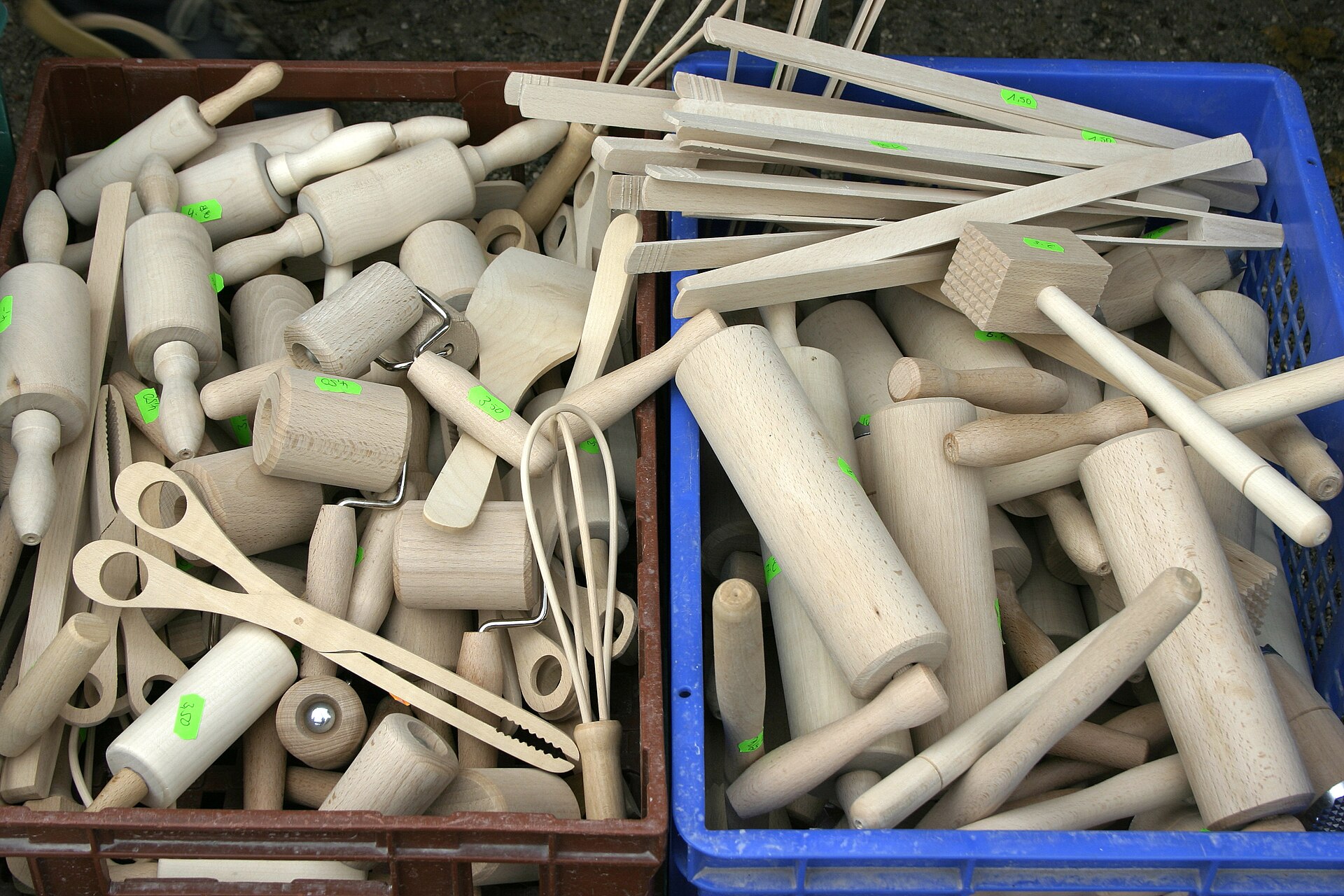
Avocado slicers and strawberry hullers top the list. These tools each do one job, and West-Rosenthal notes that a sharp knife or a peeler can handle the same work. Single-purpose gadgets tend to multiply because they are cheap, cute and often received as gifts, and then they crowd the drawer where the tools that get daily use belong.
A quick test helps: empty the gadget drawer onto the counter and put back only what was used in the past year. A good chef’s knife, a vegetable peeler, a pair of tongs, a whisk, a ladle, a wooden spoon and a sturdy spatula cover most home cooking. Anything left on the counter is a candidate for the donation box, especially duplicates. Gadgets in good condition often sell quickly at thrift stores, where shoppers hunt for bargains much like the ones on this list of home décor essentials to buy at the thrift store.
2. Stained Kitchen Linens
Dish towels and cloth napkins that are too stained to put out for guests can be downgraded to cleaning rags, according to the list. Ones that are frayed or falling apart should simply go. Keeping a smaller stack of towels in good shape makes holiday hosting easier, since the linens that come out for company are the ones that look the part. A household of two rarely needs more than a week’s worth of dish towels in rotation, plus a few nicer ones set aside for holidays.
Many of these habits of holding on come from a generation raised to waste nothing, and some of that thrift is making a comeback among younger households. The difference now is being choosy about what earns a spot in the kitchen, a mindset that also shows up in this list of things many people over 60 quietly stop caring about during the holidays.
3. Mismatched Food Storage Containers
Every kitchen seems to have a cabinet of containers without lids and lids without containers. The Kitchn list calls mismatched food storage one of the most common sources of cabinet clutter. Plastic food storage became a household staple after the rise of brands like Tupperware in the mid-20th century, and many families have been adding to the pile ever since.
The fix is to match every container to a lid and let the orphans go. Worn-out pieces can be recycled where local programs accept them, and stray lids can be repurposed as spoon rests or drawer organizers.

4. Untouched Multi-Cookers
A multicooker can pressure-cook, slow-cook, steam and sauté, but plenty of them sit in the box after the first few meals. The list suggests that an appliance unused for years is a good candidate for donation, and that a simpler air fryer, countertop oven or slow cooker may fit everyday cooking better.
Large appliances in working order can find a second home through Habitat for Humanity ReStores, which accept new and gently used appliances, furniture and household goods. Many ReStore locations offer free pickup for large items, the organization says.
5. ‘Aspirational’ Entertaining Sets
The fondue set, the punch bowl with its matching cups and the fancy serving platters bought for parties that never happened all fall under this heading. The Kitchn list suggests passing dishware that never gets used for hosting to family members or donating it. Grandchildren setting up their first apartments are often happy to take a set of good glasses or a serving platter, and a family piece with a story attached tends to get used far more than one bought new.
6. Dust-Covered Cookbooks
Finally, the list recommends keeping the cookbooks that get used and donating the rest so other cooks can enjoy them. Cookbooks have long been treasured household items, and many families hold onto a few with handwritten notes in the margins. Those are worth keeping. The ones that have never been opened can go to a library book sale, a thrift store or a younger relative just learning to cook.
Letting go of kitchen clutter does not mean giving up cooking or hosting. More often, it means keeping what still brings joy, giving away what someone else will use and making room for the meals that matter most. With holiday baking and family dinners just ahead, late November is a natural time to start, since a cleared counter and an organized drawer make the busiest cooking weeks of the year a little easier.
This article was produced with AI assistance and edited for accuracy against the sources linked above.