New York’s fall food festivals offer something a dinner reservation cannot: a chance to explore restaurants, meet culinary personalities and discover food traditions without committing to a single menu. This season’s calendar stretched from neighborhood street celebrations to waterfront tastings and creator-led conversations. Celebrity chefs supplied some of the marquee names, but local restaurants, food vendors and cultural communities gave these gatherings their substance. The appeal was not simply eating more, it was finding more ways into the city’s dining culture.
The Food Network New York City Wine & Food Festival, presented by Invesco QQQ, provided the season’s biggest chef-and-creator showcase. Its 19th edition was scheduled for October 15–18, 2026, with programming centered on Manhattan’s Seaport and additional experiences across the city. Organizers announced more than 300 chefs, restaurateurs, beverage professionals, creators and entertainers. That number reflects the broader talent roster, not just 300 chefs, a distinction worth making amid the festival’s star-studded billing.
Elsewhere, the fall lineup included EEEEEATSCON, the Feast of San Gennaro and festivals highlighting Latin, Caribbean, Korean and Filipino food. Together, these events showed that New York’s culinary identity is not confined to tasting menus or viral recommendations.It also lives in neighborhood businesses, street food, family traditions and the people explaining what is on the plate. Think of the season as a series of different doors into the same exceptionally well-stocked dining room.
Celebrity Chefs Draw Attention, but Local Restaurants Supply the Flavor
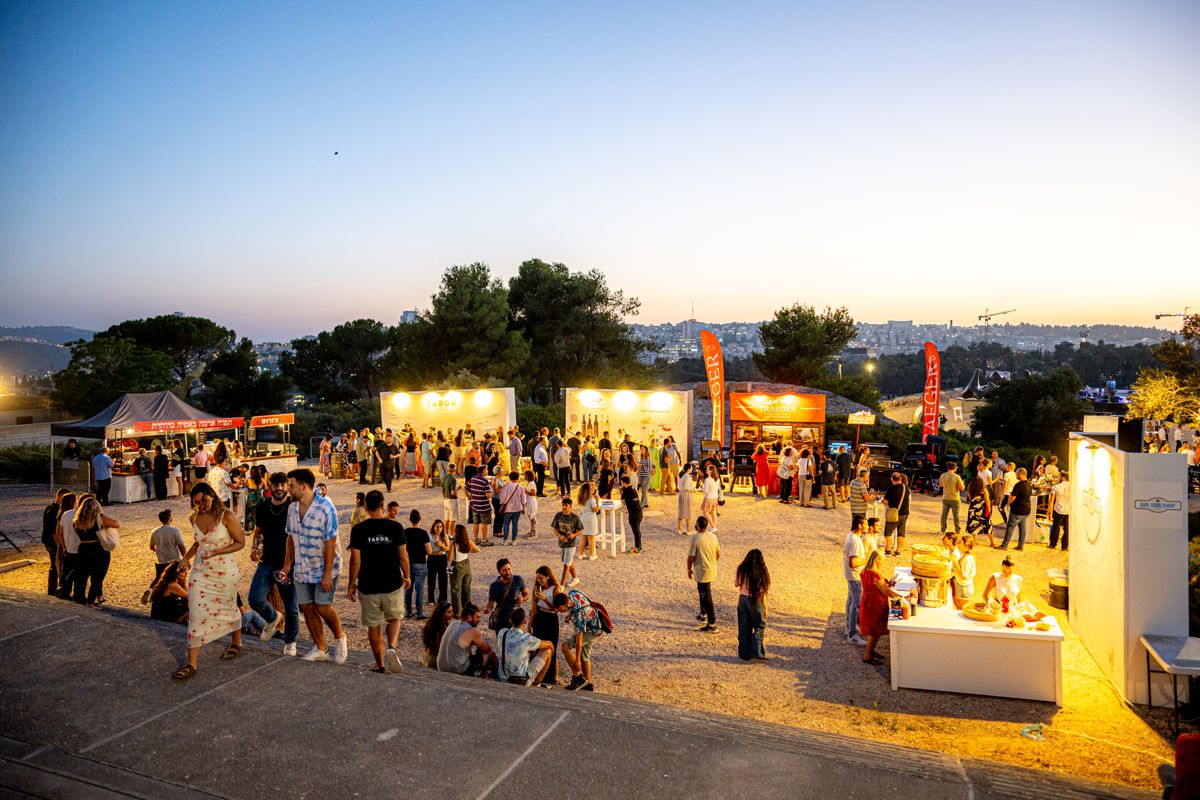
At NYCWFF, familiar television names shared the program with restaurant collaborations and cuisine-focused gatherings. The announced lineup included Burger Bash, hosted by Rachael Ray and Bert Kreischer, alongside Flavors of Bollywood, hosted by Maneet Chauhan and Vijay Kumar.A Culinary Journey Through Peru paired Nobu Matsuhisa’s firstscheduled festival appearance with participating New York Peruvian restaurants. These formats connected recognizable hosts with a broader group of cooks rather than treating the celebrity as the entire attraction.
The smaller dinners offered another kind of connection. The festival’s September announcement listed collaborations between Restaurant Le B chef-owner Angie Mar and Charlie Palmer, and between Byron Puck and Wayan chef and co-owner Cedric Vongerichten. It also announced the festival’s first nonalcoholic dinner, featuring Jonathon Sawyer and L’Appartement 4F co-founder Gautier Coiffard at The Maze NYC. The variety mattered: a chef collaboration, a walk-around tasting and an alcohol-free dinner serve different interests, even under the same festival umbrella.
Festival founder Lee Brian Schrager described that local focus in the July programming announcement. “Each year, NYCWFF gives us an opportunity to celebrate the incredible chefs, restaurants, beverage partners and culinary talent that make New York one of the greatest citiesin the world,” he said. His statement explains the intended relationship: the festival borrows its appeal from the city’s working food community, then assembles that community into experiences diners can explore together.
The labor behind those experiences extends well beyond the people whose names sell tickets. Brett Friedman,founder and CEO of festival producer a21, said, “Over 1,000 people from throughout the NY community work on developing this Festival year in and year out.” That organizer-reported figure is a reminder that an elaborate food weekend is also a production involving hospitality, operations and event workers, not merely a collection of famous people standing beside small plates.
Related: The Fall Festivals Turning Ordinary Weekends Into Big Community Gatherings Across America
Food Creators Bring the Feed Into the Room
FoodieCon, NYCWFF’s creator-focused event scheduled for October 18 at Storied NYC, made the digital side of food culture explicit. Its announced participants, included Nigel Ng known as Uncle Roger; August DeWindt, of, @theres.food.at.home; Jenn Lueke of @JennEatsGoood; and chef-creators Olivia Tiedemann, Alex Guarnaschelli and Esther Choi. The program combined conversations, tastings, challenges and meet-and-greets, giving online personalities a setting beyond the carefully framed recipe video or restaurant recommendation.
“FoodieCon has become such an exciting part of NYCWFF because it reflects how people are discovering, sharing and connecting over food today,” Schrager said in the September announcement. The programming supported that idea with subjects beyond cooking technique. Sessions addressed brand partnerships, career changes and building communities across platforms including Instagram, YouTube, TikTok, Substack and blogs. Food creation was presented as both cultural influence and a business, rather than just an especially photogenic lunch.
Local dining businesses were part of that conversation, too. The announced restaurant experiences included Serendipity3, 12 Chairs Cafe, Village Square Pizza, Empanada Papa and Brooklyn Dumpling Shop. A challenge called “Cheap Sweep: Ballin’ on a Bodega Budget” asked creators to build a dish using $20 of bodega finds.Those details connected digital entertainment to recognizable parts of New York eating, placing restaurant operators and everyday food shopping alongside the personalities audiences already followed.
Neighborhood Festivals Keep the City’s Food Story Bigger Than Celebrity
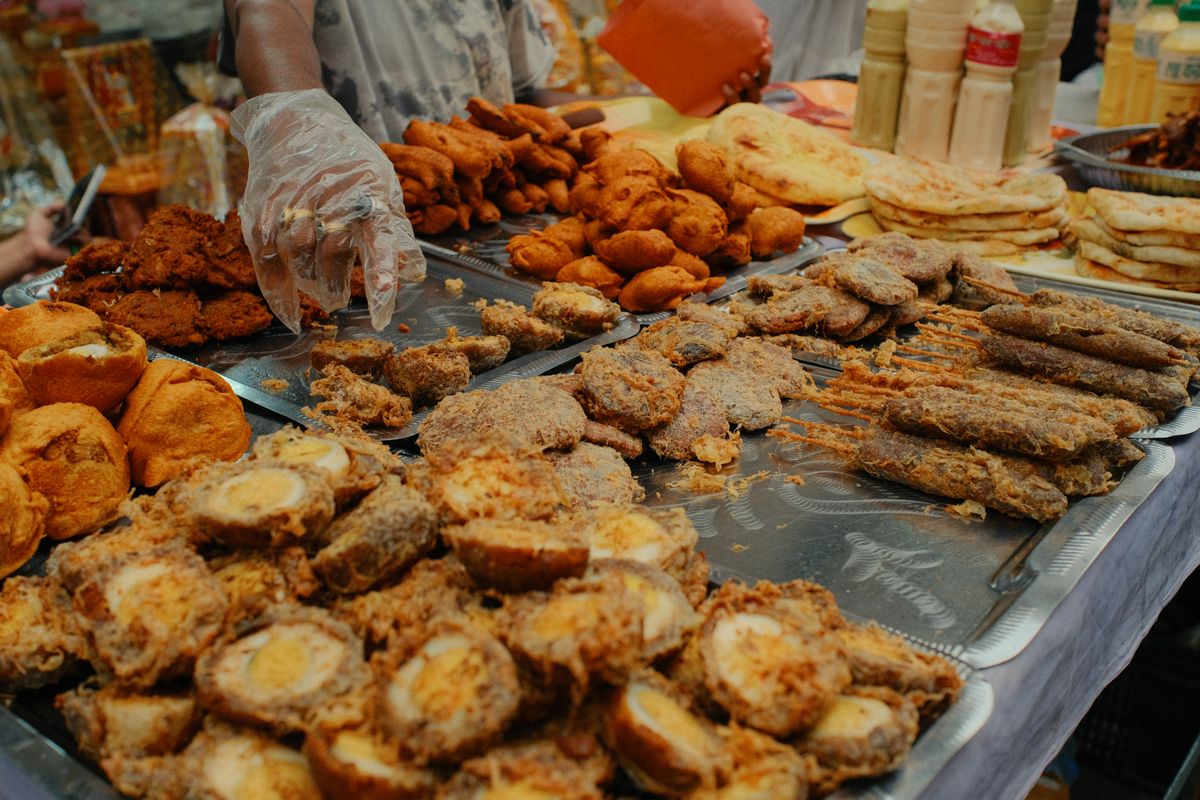
The broader festival calendar offered a useful counterpoint to the celebrity-heavy waterfront events. Time Out’s fall guide listed EEEEEATSCON for October 3–4 at Hudson River Park’s Pier 76, featuring more than 20 restaurants from New York and elsewhere. Its highlighted vendors included Defonte’s, Caffè Panna, Mei Lai Wah and 1915 Lanzhou Hand Pulled Noodles & Dumplings. That restaurant-led format offered a different discovery route: start with the sandwich, dumpling or scoop, then learn the business behind it.
Other gatherings placed cultural identity at the center. Time Out listed Latin Food Fest with empanadas, pupusas, tacos and mofongo, plus chef demonstrations explaining the food’s stories.Its guide also highlighted Kopino Fest’s Korean-Filipino street-food offerings and the Feast of San Gennaro’s food vendors and religious procession in Little Italy. These events were not interchangeable tasting parties. Their distinct formats linked eating with music, heritage, neighborhood life and, in San Gennaro’s case, a religious celebration.
There was also an institutional purpose behind NYCWFF’s festivities. Organizers said net proceeds would support the Event Zero Foundation and the James Beard Foundation, although that announcement did not establish a final 2026 fundraising total. James Beard Foundation chief growth officer Erica Helms called the festival “a vibrant celebration of food, community, and the people behind our city’s extraordinary independent restaurants.” That last group is the essential connection: community gives the chef appearances, creator conversations and tasting tables their distinctly New York flavor.
Other post you might like:
- America’s Good Jobs Are No Longer Enough: Why Millions Feel Financially Trapped.
- 10 Higher-Paying Jobs Workers Are Quitting Despite Strong Demand.
- The 8 Most Dangerous Jobs That Pay Well .