Imagine spending more than 20 years working in a church, leading worship, preparing sermons, and helping thousands of people connect with their faith. Then, one afternoon, someone walks into your office, closes the door, and asks a question you have spent years trying to avoid. That is how Matt Bays describes one of the most uncomfortable moments of his life. In a personal essay originally published by HuffPost on June 25, 2024, Bays opened up about his experience as a pastor, his struggle with his sexuality, and the events that eventually led him to leave church ministry.
The question was simple, but his answer was anything but. The man asked, “Are you gay, Matt?” Bays says he did not give a direct answer. Instead, he said he had never cheated on his wife. Looking back, he says he would answer differently today. His response would simply be, “Yeah. I’m gay.” But that office conversation was only one part of a much longer journey.
A Question He Was Not Ready To Answer
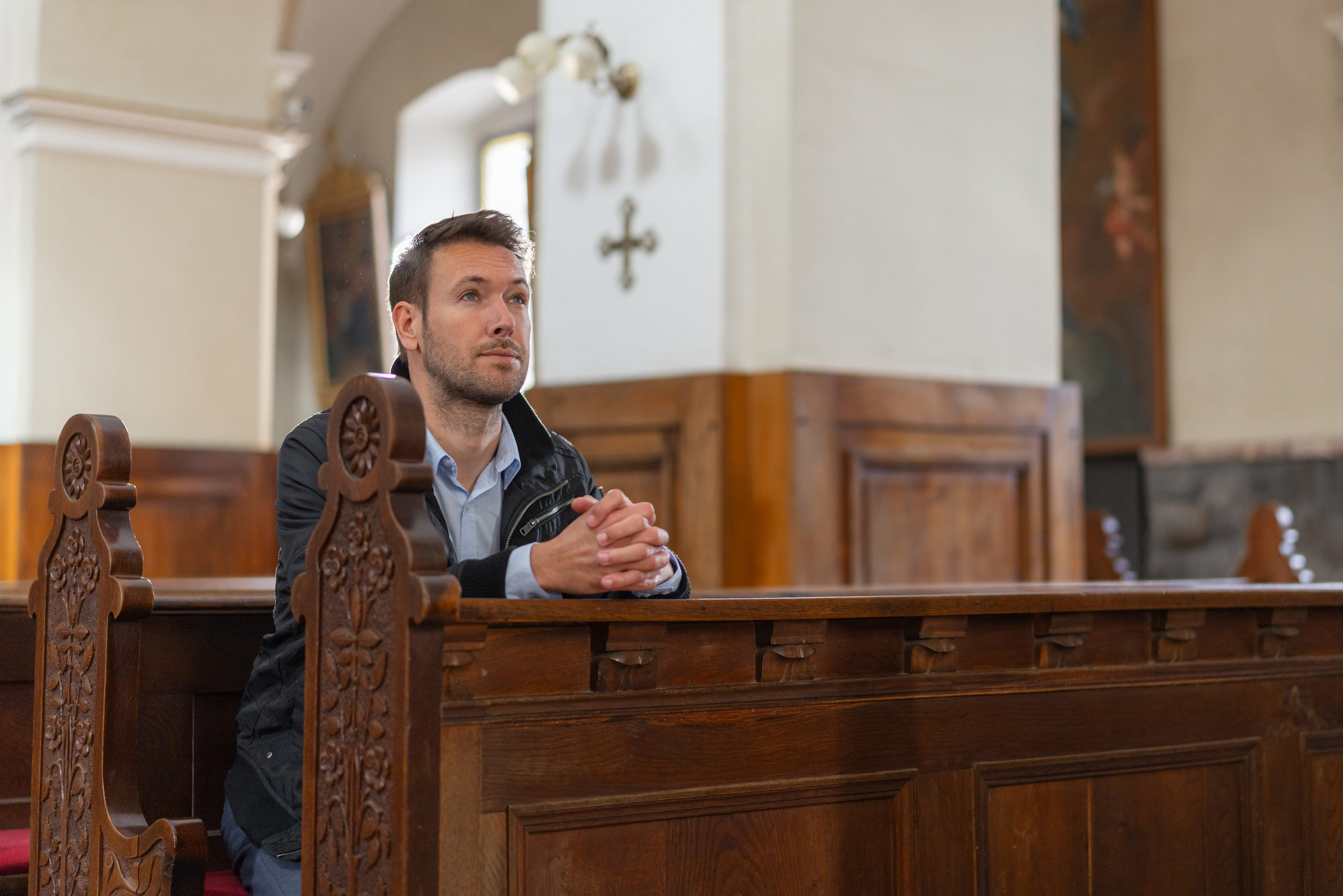
Bays says the confrontation happened in 2015, when he was 44. At the time, he was working as a worship pastor at a large church with a reported weekend attendance of around 8,000 people. His office was filled with preparations for an upcoming worship service, including weekend song lists.
Then came the unexpected visitor.
According to Bays, the man entered his office, closed the door, and explained that he needed to ask him something. The question about his sexuality caught him off guard. Rather than admitting that he was gay, Bays says he defended himself by explaining that he had never been unfaithful to his wife.
It is an uncomfortable moment many people can understand, even outside religious communities. Sometimes, the hardest part of answering a question is knowing what the truth could change. For Bays, being honest about his sexuality meant confronting his marriage, his career, his religious community, and the expectations attached to his position.
The Caitlyn Jenner Essay That Changed His Career

Interestingly, Bays says the office confrontation was not the direct reason he eventually left the church. A public disagreement over LGBTQ rights played a much bigger role.
In April 2015, he published an essay about Caitlyn Jenner, encouraging Christians to treat transgender people with compassion, listen to their experiences, and respect their chosen pronouns. His position did not sit well with church leadership.
Bays recalls receiving an email from church leaders within 48 hours. They reportedly asked him to withdraw his public statements. Instead of taking back his position, he resigned.
He explains that he did not leave simply because he was gay. Rather, he says he could no longer work comfortably in an environment where he believed LGBTQ people were not receiving the care and acceptance they deserved.
That distinction matters. His story was not simply about someone being questioned about his sexuality and losing a job. It was also about a growing disagreement between his personal convictions and the expectations of the institution where he worked.
After leaving, Bays says he made a promise to himself that he would never again work for an organization that excluded LGBTQ people. He also says he established a nonprofit for survivors of sexual abuse before the end of 2015.
Losing His Sister Helped Him Face The Truth
Although leaving church ministry was a major change, Bays says his most important turning point came later.
In November 2016, he attended the graveside service of his sister Trina, who had died from metastatic breast cancer. During that emotional period, he says he finally admitted something he had struggled to acknowledge.
He told his sister, “I think I’m gay… I don’t know what to do.”
For Bays, saying those words aloud was significant. He describes the moment as the real turning point in his journey.
Something deeply human about that part of his story. Major life decisions do not always happen during dramatic confrontations. Sometimes, they happen during quiet conversations with people we love, when the fear of hiding becomes heavier than the fear of being honest.
Bays did not immediately announce his sexuality publicly. He says he gave his family time to process the situation and waited until his divorce was final before sharing his coming-out story on social media, around November 2017.
He later met a man named Chris over coffee, and the two married less than nine months after their first meeting, according to his account.
What Happened After He Left Church Ministry?
Leaving a major church position can mean starting life from scratch, especially after decades spent building a ministry career. But Bays eventually developed a different professional identity.
He became a speaker, life coach, and author. His books include Finding God in the Ruins, a memoir about his experiences, and Leather & Lace, which explores his LGBTQ journey.
He also hosts a podcast called How to Find (& Keep) a Gay Man. His work has allowed him to discuss identity, relationships, personal struggles, and the complicated experiences that can come with leaving familiar environments.
His story also raises an interesting question about faith. Leaving a church position does not automatically mean abandoning religion or losing belief in God. The available essay does not establish that Bays stopped being Christian, so it would be inaccurate to describe his experience as a complete rejection of faith.
More Americans Are Rethinking Their Religious Identity
Bays’s experience comes at a time when religious identity in the United States is changing.
According to Pew Research Center’s 2023-2024 Religious Landscape Study, published in February 2025, 29% of American adults identify as religiously unaffiliated. This includes 5% who identify as atheists, 6% as agnostics, and 19% who describe their religion as nothing in particular.
For comparison, the unaffiliated share was 16% in 2007.
However, these numbers need some context. Being religiously unaffiliated does not necessarily mean someone has stopped believing in God. Pew found that around 85% of religiously unaffiliated adults still believe in God or a universal spirit.
The research also does not establish that LGBTQ experiences are responsible for people leaving churches. It simply shows that Americans have different relationships with religious institutions and personal beliefs.
Bays’s experience offers one personal example of how those relationships can become complicated when someone’s identity conflicts with their religious community’s expectations.
His Story Is About More Than Coming Out
The headline of Bays’s essay may suggest that one uncomfortable question suddenly changed everything. But his account tells a more complicated story.
There was a long period of personal struggle, a public disagreement with church leadership, a resignation, a painful family loss, and, eventually, the decision to speak openly about his sexuality.
These details come primarily from Bays’s personal account. The church’s response to his departure and the full circumstances surrounding the office conversation have not been independently established in the available reporting.
Still, his story raises questions worth considering. What happens when the beliefs someone publicly represents no longer match what they privately experience? How much should a person sacrifice to maintain a position, reputation or community? And can someone build a meaningful life after walking away from an identity they spent decades developing?
For Bays, the answer appears to involve honesty, rebuilding, and finding a different way to use his voice. His journey didn’t happen overnight, and it certainly didn’t follow a simple path. Sometimes, one difficult question does not change your life by itself. It simply forces you to confront the questions you have been avoiding all along.