The bill arrives at a canal-side table in Amsterdam, the card machine comes out, and an American diner reaches for a pen to add a big percentage. The server smiles politely, and nothing about the moment is quite what a visitor from the United States expects.
The short version, according to DutchReview: in a Dutch restaurant, 5 to 10 percent for excellent service goes straight to the server, an added service charge is rare, and bars expect no tip on each drink. Samantha Dixon wrote the guide, last updated June 25, 2026, and the rest of this piece walks through each point.

5 to 10 percent goes straight to the server
DutchReview says diners in restaurants can leave 5 to 10 percent for excellent service, or simply round up or leave small change for average service. The guide advises tipping the server directly, and it does not describe how tips are shared among staff.
That range is modest, and the reason is built into the system. A guide to clever frugal living tips is a useful companion for planning daily spending abroad. Wikipedia’s general entry on tipping notes that customs vary by country and that in some places tipping is not expected at all. In the Netherlands, according to DutchReview, a tip is a small extra for a good meal, since the cost of service is already part of menu prices.
The gap matters for travelers on a budget. A recent post on 5 carry-on suitcases worth packing covers one way to trim trip costs, and a story on AAA expecting 81.5 million Thanksgiving travelers shows how many Americans are on the move this month.
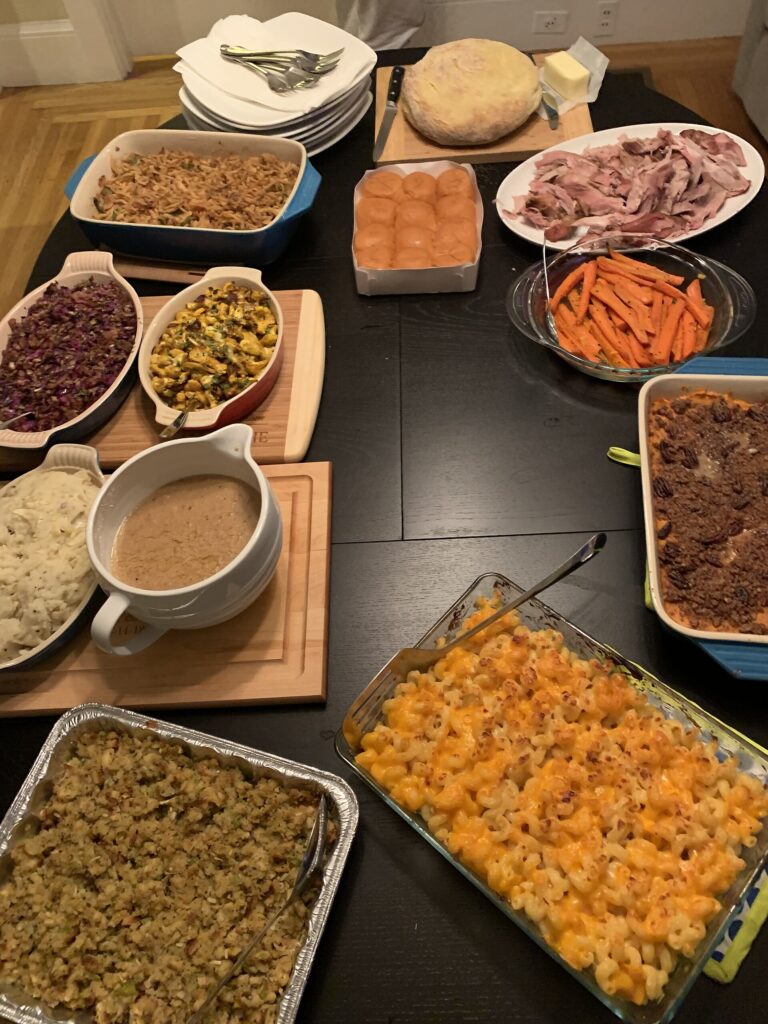
A story about a Georgia restaurant opening on Thanksgiving evening shows another side of table culture, where a meal is about company first. In the Netherlands, a few euros, rather than a percentage worked out on a phone, is how most Dutch diners handle an ordinary meal. For example, a table that rounds a 47 euro check up to 50 has done what the guide describes as average service, and nobody is expected to do more.
Service charges are rare
A fixed service line on the check is common in some countries, but not here. DutchReview says a service charge is rare because the cost of service, called servicekosten, is already built into menu prices.
The guide adds a practical tip for the odd restaurant that does add a charge: ask the manager to remove it, since the guide calls such a charge purely voluntary. A diner who spots an extra line can politely ask about it and decide from there.

Bars expect no tip per drink
Ordering at a Dutch bar works differently from a U.S. tavern. DutchReview says tipping per drink is not expected. A visitor running a tab can round up when leaving, or drop a few coins in the tip jar.
Plenty of Dutch bars serve snacks along with the drinks. According to Wikipedia’s entry on Dutch cuisine, the savory snacks called borrelhapjes are usually served between 5 and 9 p.m., and typical examples include bitterballen, spiced peanuts, cheese cubes and cheese sticks. Bitterballen are miniature croquettes of ragout with a crunchy breadcrumb coating, served with mustard.
Wikipedia’s entry on bitterballen adds that they come hot, with a small bowl of mustard and toothpicks, as part of a set of savory snacks served with drinks at pubs and receptions. A snack order is paid the same way as everything else, and the same rounding-up habit applies when the evening ends.
Home hosts who want to copy the idea can find a setup in 15 creative coffee bar ideas, which covers a small drinks corner that suits a snack spread.
Paying the tip by card
Most card machines in the Netherlands can add a tip to the bill, according to DutchReview. The catch is that many places accept only Maestro, not Visa or Mastercard, so the guide suggests telling staff about the tip before paying.
Wikipedia’s entry on Maestro says Mastercard began phasing the brand out across Europe on July 1, 2023, so terminals can differ from one venue to the next, which is one more reason to ask first. The guide gives a handy Dutch phrase for the moment: “Kan ik met kaart tippen?” It means, roughly, “Can a tip go on the card?” Carrying a few euros in coins makes the whole question easier.
Cafes, taxis and the rest of the day
The same relaxed rule covers other stops. DutchReview says cafes have no tipping requirement, though rounding up or leaving a few euros is fine after a good meal or drink. Taxis do not need a tip either, and one or two euros is a polite round-up.
Hotels never expect one, and a few euros is welcome for good service. Paid tours need no tip, though a few euros is welcome for exceptional service, and free walking tours typically get around 10 euros per person, the guide says.
The overall pattern is simple. A small tip is a friendly gesture, not an obligation, and nobody at a Dutch table will chase a diner down the street over a missing big percentage. A sip of coffee and a quick round-up on the terminal is plenty.
For a visitor used to doing math on every check, the Dutch system can feel refreshingly low-pressure. Small, steady habits add up on any trip budget.
This article was produced with AI assistance and edited for accuracy against the sources linked above.
Image: Ziko – CC BY-SA 4.0/Wikimedia Commons