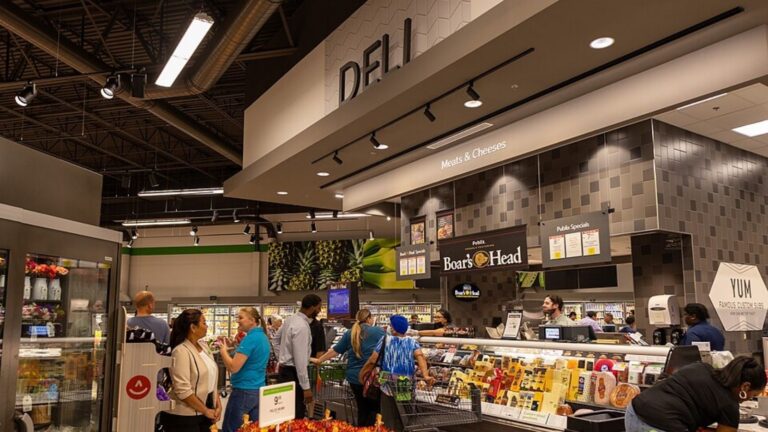
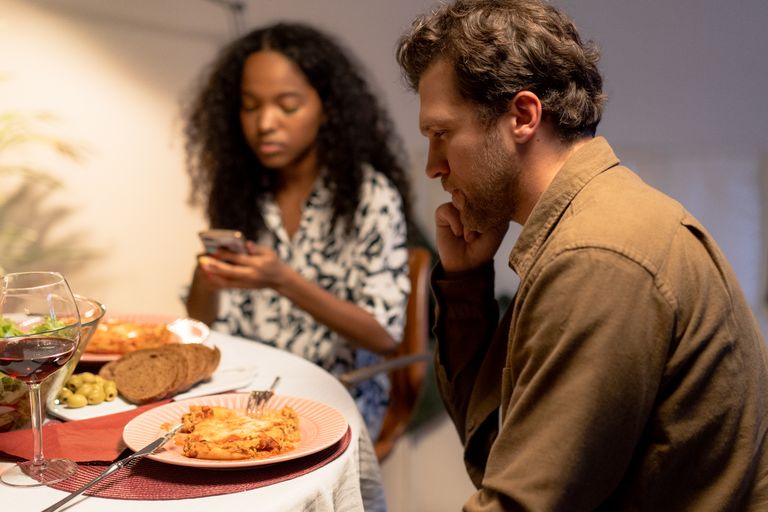
A table of friendly strangers, a bottle of tequila and a host who is nowhere near ready to serve: for many Americans, a first dinner in Mexico comes with a few surprises. None of them signal rudeness from anyone involved. They are simply different habits around the same shared table.
Travel site PlanetWare, in an August 26, 2026 piece by Johanna Hartford, boiled the differences down to 4 restaurant rules. The headline ones are easy to remember: tequila is sipped without salt and lime, a hosted meal can take up to 30 minutes to get going, and a tip of 10% to 15% is generally considered sufficient. The fourth rule, a warm hello, comes first at the table.

Rule 1: Say hello to the room
PlanetWare lists friendliness first. The site says diners are expected to acknowledge staff and fellow guests when walking in and while seated, and notes that people in Mexico often stand closer during conversation than many Americans expect.
In practice, that means a quick greeting to the host, a nod to the next table and thanks each time a plate lands. A restaurant meal in Mexico is treated as a social event, not just a transaction, and a short exchange of pleasantries sets the tone for everything that follows.
Travelers packing for a trip south can compare 3-piece luggage sets for holiday trips and 5 carry-on suitcases worth packing before the journey.
Rule 2: Sip the tequila, skip the salt and lime
The salt-and-lime shot is a familiar bar ritual north of the border. PlanetWare says that in Mexico, tequila is valued for quality over quantity and is sipped without either one. The same article adds that open containers are not allowed on public streets, though drinking at a restaurant is fine.
Wikipedia’s tequila entry explains the background. Tequila is distilled from blue agave, grown mainly around the town of Tequila and in the Jalisco highlands, and only spirits made in designated areas can carry the name. The entry says a bottle labeled 100% agave is made only from agave sugars, while a mixto contains at least 51% agave, and that salt and lime can mask the flavor of the better bottles, which is why many are poured into a snifter.

There is a traditional companion, too. According to Wikipedia’s entry on sangrita, the drink is a non-alcoholic mix, usually built on orange or sweetened lime juice with chili powder and spices, that dates to the 1920s. Tequila and sangrita are poured into separate glasses and alternately sipped, not chased.
Before ordering, diners can read a related story about a longtime margarita bartender who retired after 31 years for a sense of how much craft goes into a pour.
Rule 3: A hosted meal can take 30 minutes to start
When a local is hosting, PlanetWare says, the meal may take up to 30 minutes to get going. Guests who arrive hungry and expect plates right away may be waiting a while, and that wait is part of the occasion.
The same article says service can be slower in some areas, and that slow service is not considered a reason to tip less. The practical advice for visitors is to settle in, order a drink, glance at AAA’s forecast of 81.5 million Thanksgiving travelers, chat with the table and let the pace set itself. Rushing a host is the faster route to an awkward evening.
Budget-minded travelers sometimes ask whether slow service means a cheaper night out. A guide to clever frugal living tips covers everyday savings, but a meal in Mexico is a place to relax rather than to hurry.
Rule 4: Plan on 10% to 15% for the tip
On tipping, PlanetWare says the practice is expected, 10% to 15% is generally considered sufficient, and about 20% fits for good service. Cards are not always accepted for tips, the site notes, so cash is usually preferred, and small peso bills come in handy. At street carts, spare change is often most appropriate.
Mexico News Daily, in an August 27, 2026 article by Dawn Stoner, reported its own findings. In a financial survey of foreign residents and visitors, most tip between 10% and 20%, with 15% the most common choice, and nearly one in three say they usually tip 20% or more. In unscientific polling of Mexicans in Guadalajara, San Miguel de Allende and Mexico City, most said they typically tip 10%, with 15% saved for top service at fine dining.
Putting the four rules together
A sample evening shows how the pieces fit. Diners greet the room, order tequila neat with a small glass of sangrita on the side, wait out a leisurely start to a hosted dinner and settle the bill with cash in the 10% to 15% range. Nothing in that sequence is difficult. Mexican cooking itself was added to UNESCO’s list of intangible cultural heritage in 2010, according to Wikipedia, and a relaxed pace is part of how the meal is enjoyed.
The rules are also general habits, not laws. Restaurants differ from city to city, and hosts differ from family to family. Visitors who watch the table, follow the host and stay curious will usually be fine.
Pack small bills and an unhurried appetite, and the evening should go smoothly.
This article was produced with AI assistance and edited for accuracy against the sources linked above.